Each year, hunters and deer managers want to know, “What is the best thing to plant for white-tailed deer food plots in the spring?” Good question, but there really is no easy, one-size-fits-all answer to this question when it comes to plots for white-tailed deer.
Soils vary from property to property as well as from one area of a property to the other (in most cases). Rainfall and temperatures vary by region, part of the country. There are several additional questions that must first be addressed before good candidate species for a whitetail food plot can be identified:
- Spring or fall food plot?
- What type of soil do you have?
- How much rainfall do you get?
- What type of equipment do you have?
- How much do you want to spend on seed?
Obviously, there are a number of variables that determine which plant species can be used for food plot forage on piece of land in a given area. Although there is no completely stock answer to the above questions, there are some “common” plants that are more likely to work in your area.
Specifically, this article will discuss common plant species that can be planted to spring food plots for deer, although some of the species mentioned may not be available to or used by deer until later in the summer and/or fall.
Sorghum for Spring Plots
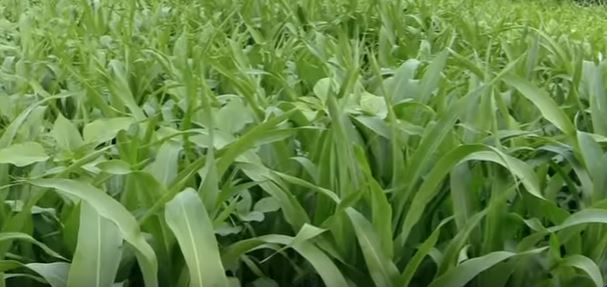
Grain sorghum, milo, or sometimes even referred to as maize, can make a great and simple spring/summer food plot for deer. Sorghum is a solid choice for food plots where high whitetail densities prevent most other grain crops from making it through the summer. The plant itself is not consumed at all during the summer, but the seed heads are well-used during the late-summer and fall.
The fact that a sorghum plant is not consumed by deer all but guarantees an annual crop. Sorghum is a more resilient plant than corn and will compete well with weeds — and still produce heads! It does not require a lot of water, so it grows well even during fairly dry summers. And since sorghum is basically a large grass, it is easy to plant. Simply prepare the ground by disking, broadcast the seeds, and roll or drag to ensure good seed-soil contact.
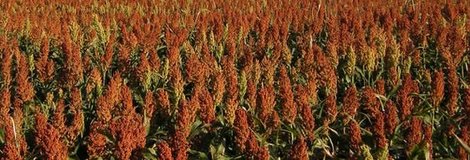
However, there is a downside to grain sorghum. Once deer become familiar with milo, deer in areas with moderate to high densities will eat the heads to the stem just as the seeds reach the “dough stage.” This is the point when the seeds take shape but have yet to dry out. It would be of more benefit to deer if the seeds were consumed later in the fall, but if they use eat them, then you still provided supplemental forage.
Another drawback of grain sorghum is the seed is less desirable by deer than corn as a source of winter carbohydrates. Thus, in areas with lower deer densities, don’t expect the deer to come running. If you have a larger chunk of property or a large number of deer, consider planting some percentage of your food plots in grain sorghum. If you are only going to plant a small area up to a few acres, evaluate alternative plant species for maximum benefit.
Corn: Spring Planting for Hunting, Food Plot
In areas that have deeper soils and receive enough rainfall to support it, it’s hard to beat corn. But one drawback right off the bat — it is not cheap — because it needs a lot of fertilizer for it to perform well. Corn is attractive to white-tailed deer, especially so during the winter when high-energy carbohydrates are critical.
A good corn plot for fall deer hunting can only be achieved if the corn is planted into a food plot during the spring season. And depending on where your hunting property is located, corn may not be the best choice.
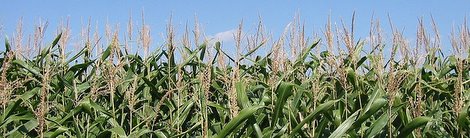
When corn is the only agricultural food available, or in areas with large numbers of deer, animals will begin to eat the green stalks and leaves during the summer! This stunts plant growth, deer make this a habit, and in some cases by late summer there may not be a stalk capable of producing an ear.
Not such a good deal if you are counting on hunting over your plot loaded down with ears of corn, but if the goal is to provide supplemental nutrition for deer during the summer stress period then you will definitely do that. Again, it depends on the location and the other foods available to deer.
Corn consumed during the summer is not the best deer food. At this time of year, corn is high in sugary carbohydrates and low in protein. In short, if you have moderate to low deer numbers and the proper soil and rainfall, corn is a strong winter attractor, provides much-need carbs during the hardest time of the year, and can improve your late season deer hunting.
Soybeans for Whitetail Deer
Soybeans make great spring and summer food plots! Soybeans are also fairly easy to establish and are as drought tolerant as grain sorghum. The plant is very good at extracting minerals from the soil that are in turn used by deer. There is little you can plant that draws bucks during the summer like soybeans.
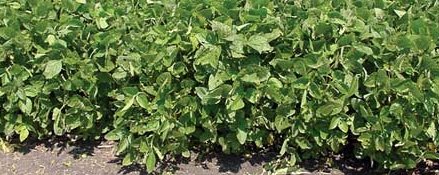
Although the beans themself provide plenty of protein, the leafy portions of the plant are also coveted by deer. During the summer, deer will only eat the leaves. However, if you have a high number of deer in your area the plants may be totally consumed before summer rolls around. Soybean plants are vulnerable when young and if a deer bites off the plant during the two-leaf stage, it will not grow back.
With that said, older soybean plants are resilient and can take a good amount of feeding pressure and still produce seed pods. Of course, once seed pods dry down, white-tailed deer will herd to soybean food plots during the fall and winter.
Deer and Spring Plots
When it comes to spring food plots for deer it does not get anymore basic than sorghum, corn and soybeans. All of these plants will perform well across the whitetail’s range. In addition, the seeds of all 3 are easy to purchase and plant, with sorghum being the easiest and probably the least attractive overall (at least initially until they become accustomed to it).
Before diving head-first into a new food plot project, whether it be 1/2 acre or 12 acres, evaluate the deer herd on the property as well as the property itself. Determine if the additional spring food provided by the plot will help achieve your objectives or if there are first aspects of the herd or habitat that should be address first.