Deer Warts or Tumors?

When deer hunters head out into the field they don’t usually think to themselves, “Man, I want to harvest a healthy deer.” But we all do, even though we don’t really think about it. So., what if you harvested a deer with warts? Most hunters would be a little concerned because, after all, warts are not normal on white-tailed deer.

Although injuries and diseases are some things hunters and property owners serious about deer management try to avoid having in their herds, it usually can not be avoided.

These “deer tumors”, which are more accurately wart-like growths, and are formally referred to as cutaneous fibromatosis. The virus that causes such growth on the skin can be transmitted between deer, at least experimentally.

Deer fibroma occurs occasionally in white-tailed deer living in North America. Although the ailment is not common, it not extremely rare either. The cutaneous growths can vary in diameter, but usually vary from about 1/4 inch to 4 inches in size.
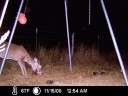
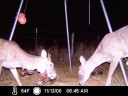
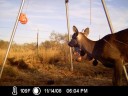
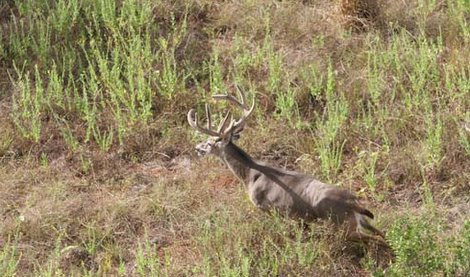
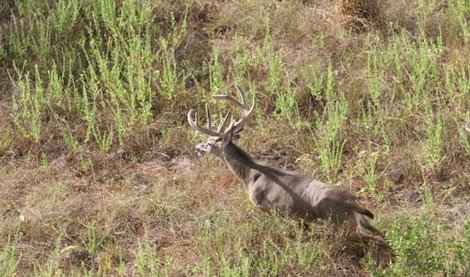
These wart-like growths can be found growing by themselves or in clusters, typically on the front-end of an infected deer. The whitetail buck featured in the above photos has warts caused by cutaneous fibroma on the underside of his neck and face.

Although these tumor-looking growths are not believed to directly harm the deer, the presence of these warts could cause additional stress or points for additional injury on an animal.

From a hunting or deer management perspective there is little that can be done once a deer contracts fibroma. In some cases the infection may not even be noticeable, but as in the example above, the warts may be very obvious. The virus has been successfully spread under experimental conditions from deer to deer, but the chances of this happening in wild deer herds is unknown.
Interesting Facts About White-tailed Deer

Whitetail Deer Facts

For those that work close-hand to better manage deer and deer habitat, we are always learning how we can improve the conditions of both. To better understand how we can enhance available deer habitat, deer nutrition, and the health of a deer herd, any information we can gather about deer help the cause. Here are some additonal facts you may not know:

1. White-tailed deer establish a home-range territory and will not leave it! It has been documented that deer will starve rather than leave their territory. Moral of the story — maintain adequate nutrition!

2. Wild white-tailed have been known to live at least to 11-years in the wild, but I suspect a very small percentage live even longer. Now those are mature deer!

3. With optimal habitat conditions, deer populations can double in size annually! Without regulated hunting and proper harvest management, deer will destroy wildlife habitat and suffer tremendous population die-offs.

4. If you took 2 white-tailed deer in the absence of predators, in just 7-years those two animals alone can produce a herd of up to 35 animals! I wish my savings increased at that rate.

5. In areas of overpopulation, deer cause an over-browsing affect we call a “browse line.” You do not want a browse line on your ranch! After a browse line is created, it takes years under a low deer density for browse plants to re-establish and recover.

Habitat Management and Mechanical Brush Control

Although browse plants are the staple of the white-tailed deer, too much brush can hamper your overall deer management program, particularly when it’s invasive cedar (ashe juniper) or nuisance regrowth such as mesquite. These woody plants are not targeted by deer and often times create problems with overly-dense canopy cover,  preventing more beneficial forbs and browse from establishing. And too much brush decreases water infiltration.

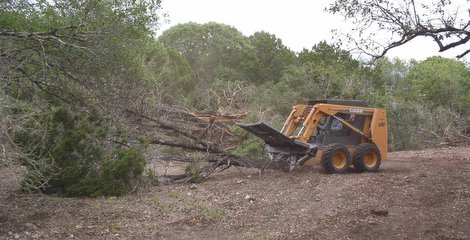
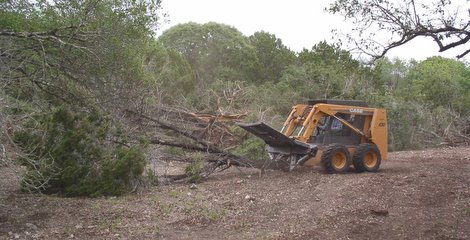
However, with brush control comes brush control options: biological, chemical, and mechanical. The use of mechanical equipment to control woody plants will typically result in the initial growth of forbs and annual grasses and the resprouting of many woody species. As a result, woody species targeted for control may have to be stump-sprayed to prevent regrowth. Find out more about the life history of the plant you intend to control prior to investing valuable time and money.

Mechanical Brush Control

The abundance and diversity of forbs and annuals found post-control results from soil disturbance. Soil disturbance exposes the natural seed bank found in the soil, increasing the quantity, quality, and distribution of plants beneficial to wildlife. For white-tailed deer and most game birds this is a very good thing! However, if hydraulic shears are used for brush removal the amount of ground disurbance will be minimized, but so will erosion issues. This is a good idea on sloped areas with erodible soils.

However, without periodic follow-up treatments of prescribed fire, additional mechanical manipulations, costly herbicides, and/or without proper livestock grazing management, these “cleared” sites will eventually become dense stands of regrowth brush and trees on again, especially if the plant you are trying to control is a root sprouter/resprouter.

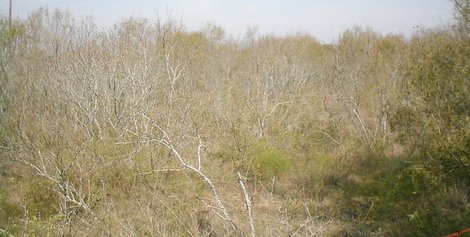
Thick Regrowth Mesquite

Resprouting is good for when we are talking about high-quality deer browse foods, but for plants such as noxious mesquite or redberry cedar, it is not. In these situations, resprouting plants need to be revisited with a proper herbicide application.

Lastly, mowing areas of herbaceous plants with low-density woody plants is another form of mechanical treatment that could have merit depending upon the objectives. However, mowing should be postponed until after the peak of the nesting and fawning period (end of July) of ground-nesting birds and deer.

Pros and Cons of Aerial Surveys for Deer

Pros and Cons of Aerial Surveys for Deer

Estimating the number of deer on your property is premium information for any deer manager. However, regardless of the type of census survey you use, some type of bias does exist. With this in mind, all surveys provide population trend data and some provide more precise data than others.

Today, we are going to talk about some of the pros and cons of performing aerial surveys for deer. In most cases when conducting aerial surveys for deer, helicopter will be used over airplanes (fixed-wing). With that said, helicopter and fixed-wing surveys allow the landowner and deer manager to determine the following: Continue reading “Pros and Cons of Aerial Surveys for Deer”

Cedar Elm Makes for Good Deer Browse

Deer Browse: Cedar Elm

Cedar Elm is Deer Browse

Deer Food: Cedar Elm (Ulmus crassifolia)

Class: browse; moderately preferred by deer

Description: Cedar elm is a medium to large-sized tree with drooping branches that forms a narrow to rounded crown. Cedar elm grows on moist soils in bottomland, upland, and even limestone sites. Cedar elm loves moist areas but tolerates dry, upland sites well. It’s one of the toughest trees out there. The stems may have corky wings, but do not confuse cedar elm with winged elm.

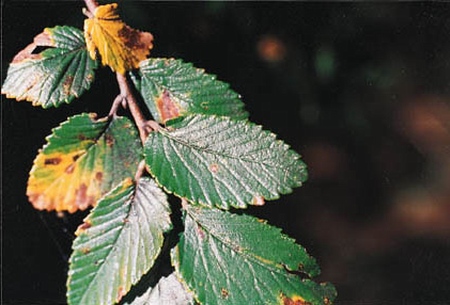
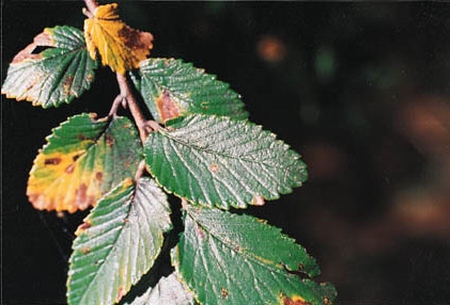
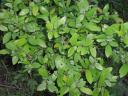
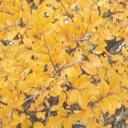
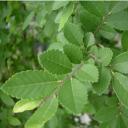
Unlike winged elm, cedar elm leaves are thicker. In fact, this tree has the smallest leaves of the elms and is one of the few with fruit, called samaras. The fruits mature each year in the fall. In addition, the top part of cedar elm leaves have a sand paper-type roughness. In the fall, leaves will turn orangish and yellow-gold in color.

White-tailed deer are fond of all elm species, especially cedar elm. Where moderate to high deer populations exists, this browse plant will typically show heavy use. Consider this tree a staple of the whitetail’s diet in areas where cedar elm is found. Deer eat cedar elm readily. Managers can measure browse use each year to track deer numbers in an area.

Cedar Elm Photos

Cedar Elm is Deer BrowseCedar Elm is Deer BrowseCedar Elm is Deer Browse