Time to Think About Spring Food Plots for Deer

Warm season annuals such as milo, millets, other sorghum varieties, and legumes, such as beans, peas, and lablab may be planted and southern latitudes after about mid-April for warm season food plots for white-tailed deer. Of course, don’t forget the biggest limitation on food plots — rain! Go for drought resistant plants every chance you get. For the best chance at success, located the richest soil/s on your property, properly prepare them for planting and get your seeds in the ground just prior to the growing season.
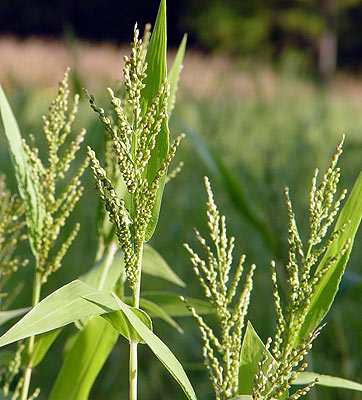
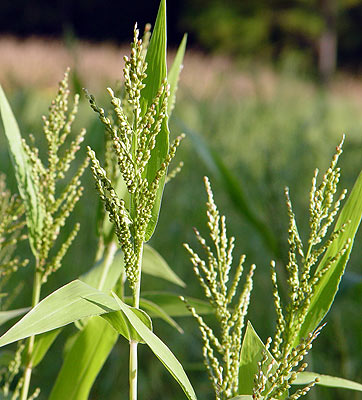
Millet

There are numerous plant species and even varieties of plant species available commercially that can work for plots intended for whitetail. All of these plants will grow, but they may not all be well suited to your area or even the soils found on your specific property. A good rule for food plots is to just keep in simple. Deer eat a tremendous number of plants, so just plant the one that is best adapted to your area. If you plant it (and it grows), they will come.
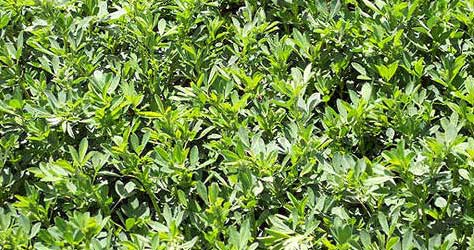
Dryland Alfalfa for Whitetail Food Plots
Dry Land Alfalfa

With that in mind, varieties of dry land alfalfa, a warm season perennial legume that comes back from the roots each year, or another grazing-type variety of alfalfa can be planted in food plots. An important thing to keep in mind, legumes have 20-30% protein content and fix nitrogen into the soil! That’s a double whammy considering the price of fertilizer. Continue reading “Time to Think About Spring Food Plots for Deer”
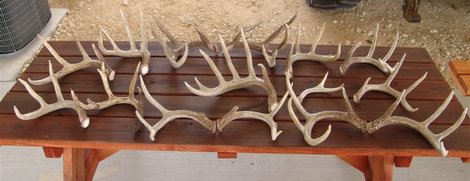
Shed Antlers Rustled Up in Texas

Four A Ranch Sheds 2008

Just as I mention that the shed hunting season is in full-swing down in Texas, one of my friends sends me some photos from their ranch in Coryell County. And yes, apparently there are shed antlers are on the ground — and they found some really nice ones, too!

Here is a quote from the “serious” shed hunter from March 12:

We started our shed hunting today. We found these from the truck, no “serious” hunting yet. The antlers that Patsy is holding to her head are from a buck we’ve seen on camera. I gave him a modest 14″ spread and he scored 148 1/8″.

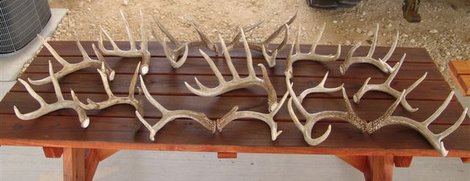
More Shed Photos from the Four A Ranch:

Four A Ranch Sheds 2008Four A Ranch Sheds 2008

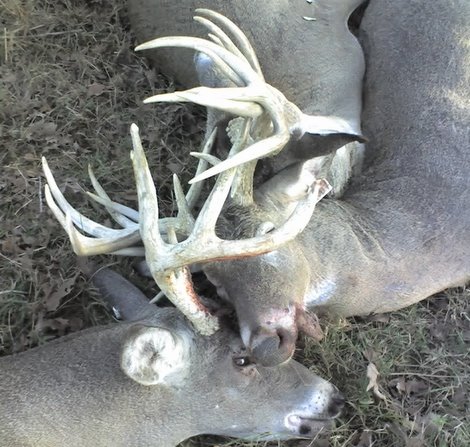
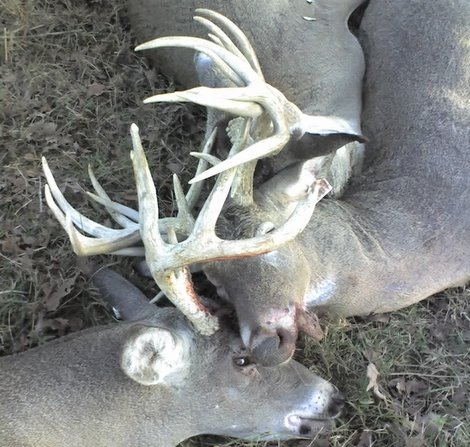
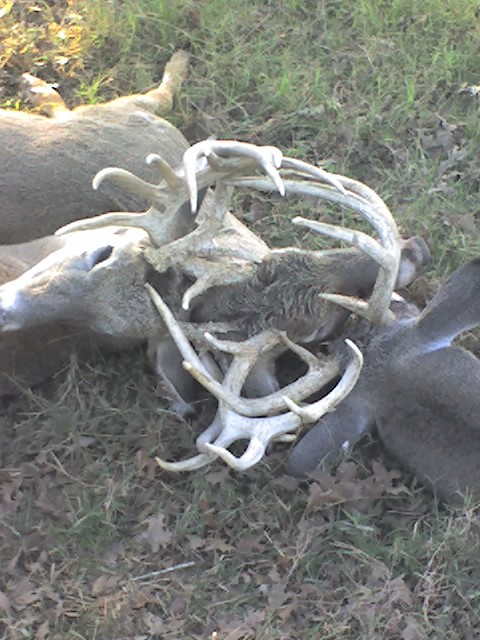
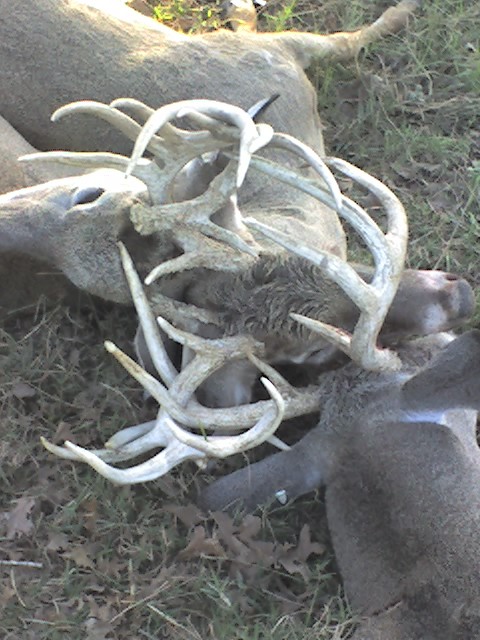
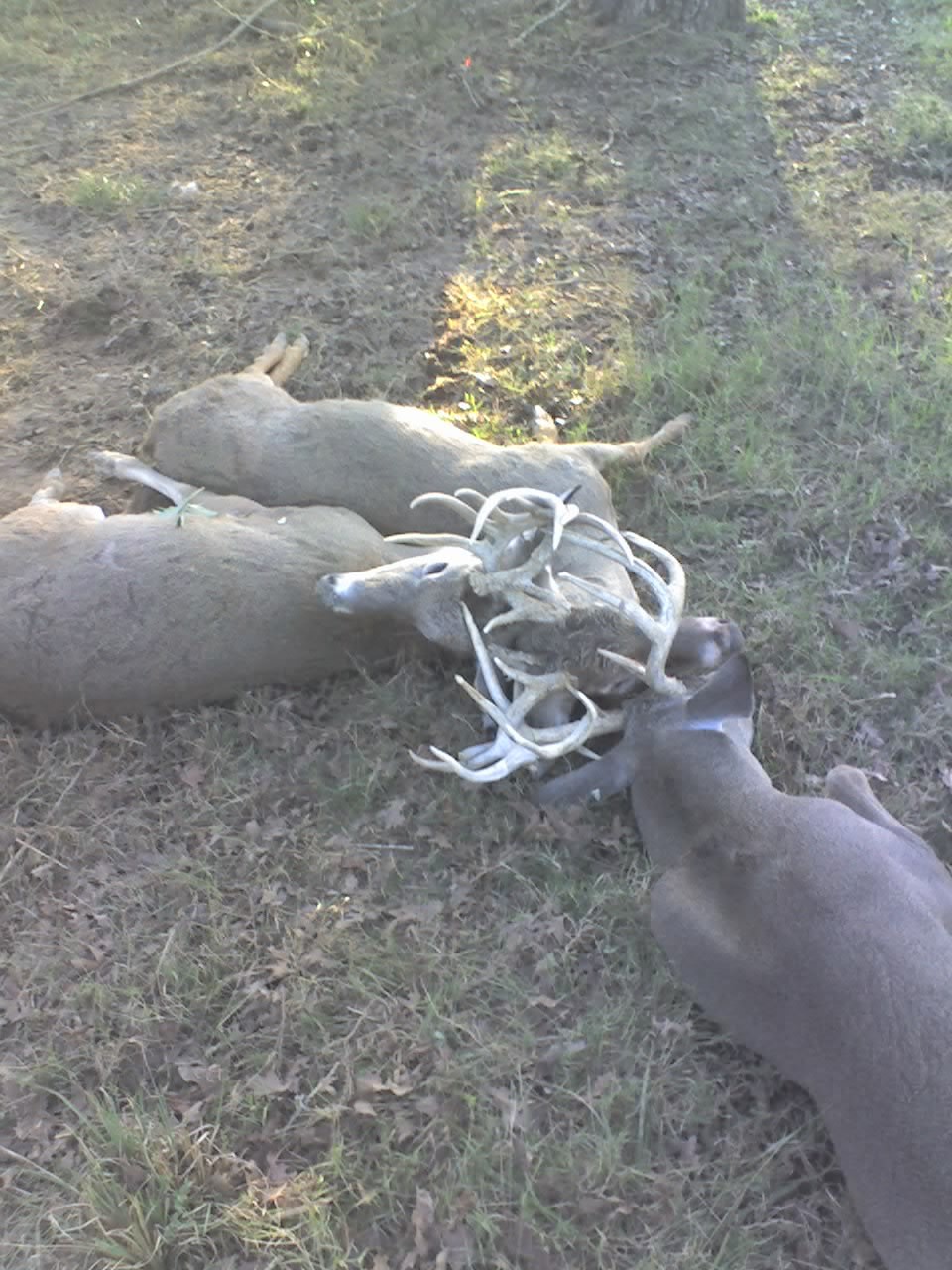
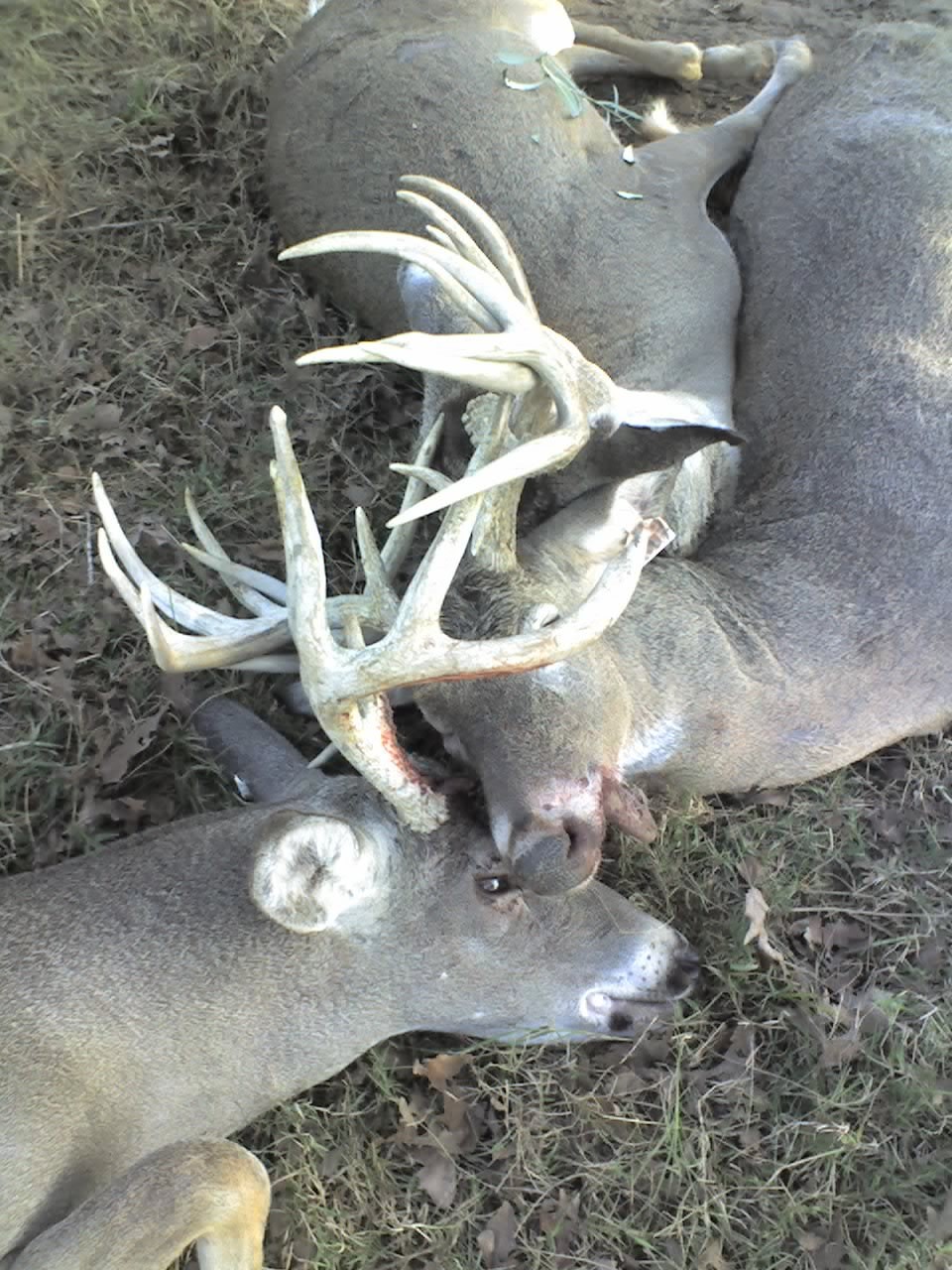
Three White-tailed Bucks Locked by Antlers

Three bucks lock horns

Just about every deer hunter has heard stories about or has even seen, maybe even found, two white-tailed bucks dead after their antlers ended up getting “locked up” during a fight. It’s just not that uncommon for bucks to get their antlers locked together while fighting. However, slim to none have heard of three bucks after becoming locked! As rare as it may be, check out the photos of these three white-tailed bucks that were found locked during the rut.

The bucks were located on a ranch in East-Central Texas and from the information that I received one of the bucks was still alive when the trio was found. Apparently, the antlers were cut from the dead deer and one very tired buck was lucky enough to run back off into the woods. He was probably greeted by another ornery buck looking to kick his butt yet again.

The urge to breed is a powerful one. It seems plausible that two bucks would fight for the the breeding rights to a doe or to an area, but it’s wild that another buck would pile on, too. Whitetail bucks must just be pumped full of testosterone just prior and during the rut. Don’t get in their way. You just never know!

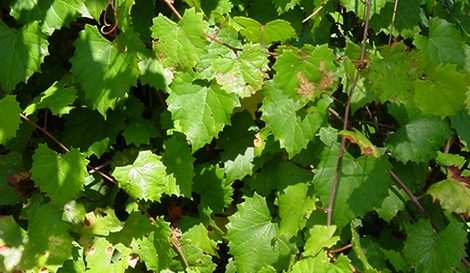
Grape is Good White-tailed Deer Browse

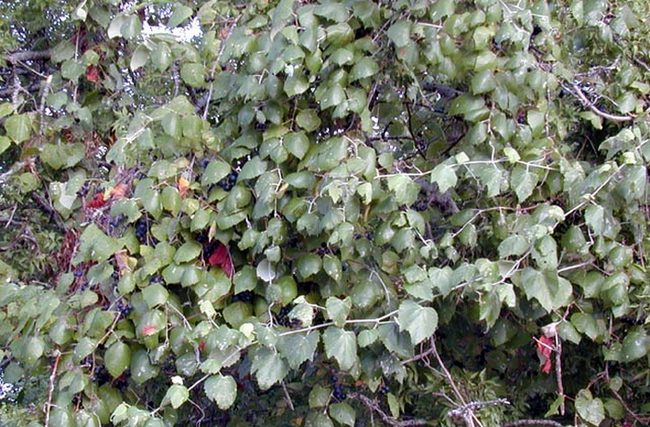
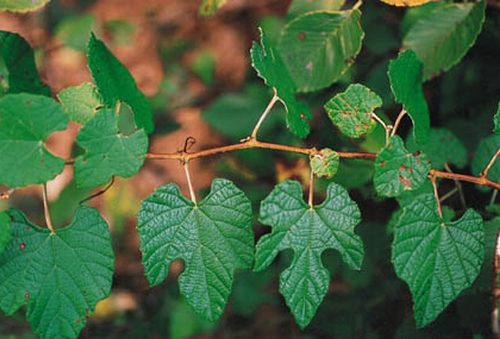
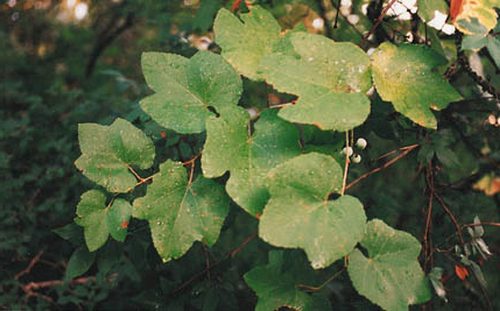
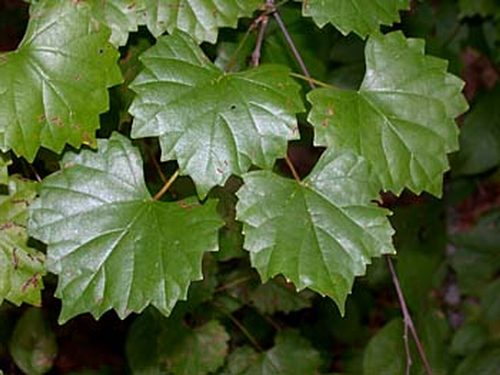
Deer Food: Grape (Vitus spp.)

Class: browse; preferred by deer

Description: There are many species of grape throughout the white-tailed deer’s range, but all species seem to serve as good sources of deer forage. In areas with high deer populations, grape leaves will not be found within the reach of a deer, but foliage can be found higher in brush and tree canopies. Common grape species include mustang, post oak, and muscadine.

Grape is deer browse

Grape plants are vigorous and clump forming or high-climbing woody vines occurring on moist sandy soil and loose clay soil in both bottomlands and uplands. Most grape species are very aggressive, often outcompeting other vegetation in an area.

Grape plants are usually found along fence rows, adjacent creeks, and within forested areas. Growth  can be encouraged on properties managed for white-tailed deer by loosely stacking brush piles so that small, protected grape plants can establish with the physical protection of the pile and then grow outward where deer can consume the leaves.

The fruits are also eaten by many birds and mammals, including deer and wild hogs. These animals will plant the seeds of the highly sought after fruit directly into the areas they frequent, such as brush piles!

Grape Photos:

Mustang (2 photos above)

Post oak (above)

Muscadine (above)

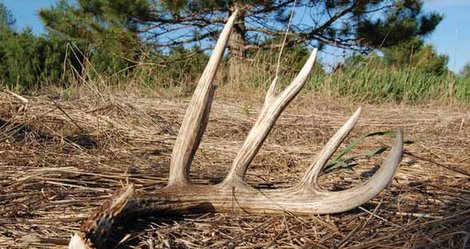
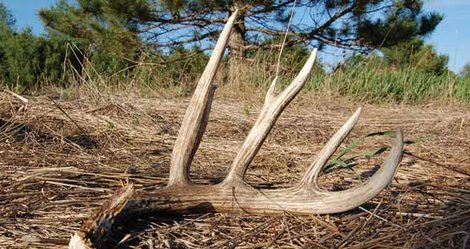
Time to Hunt for Shed Deer Antlers

Hunting for shed antlers means getting out in the woods at a different time of the year. If you’re like most white-tailed deer hunters, then you spend the majority of your time in the woods during the fall and winter of each year. However, the habitat that white-tailed deer live in — just like the animals themselves — are found there year-round. Shed hunting is a good opportunity to get out and explore the area you hunt, learn more about it, and possibly even find some nice shed antlers.

With spring just around the corner and whitetail bucks beginning to shed last year’s antler growth, there is a good opportunity to learn more about your deer hunting area as well as the deer that live there. Hunters get excited when bucks start growing their antlers each year because it’s a chance to witness the affect of past management activities and offers a look ahead to, hopefully, future harvests. It really is something to get pumped up about.

Best Time to Look for Shed Antlers

Shed Hunting Season

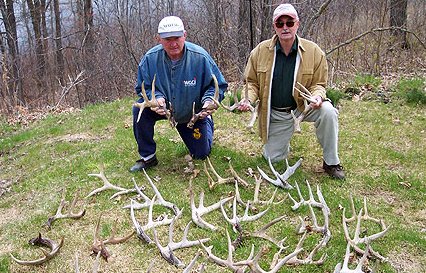
Then, on the other hand, there are some hunters that also get pumped up after the hunting seasons have already ended. Those guys and gals are the shed hunters. Once winter sets in, it marks the fact that soon whitetail bucks will be dropping, casting their coveted antlers. As it turns out, there are ways to get a huge set of antlers on your wall other than shooting the big boy. He may have eluded you during the season, but you can still find his shed antlers!

Finding shed deer antlers not only ends with great rewards you get to take home, but also with some valuable information you can tuck away in your back pocket for next season. Information such as the quality of bucks that made it through the last hunting season, the number of different bucks that were in the area, and specific areas that these bucks used while in your area.

Shed antlers also allow you to physically track bucks that you may have been keeping a close eye on. Measurements that can be taken from year to year include common measurements such as beam length, tine length, and mass measurements.

Best Time to Find Cast Antlers

Shed Hunting Tips

  • Look in and around late-season food plots and other food sources.
  • Examine deer travel corridors, water sources and anywhere deer commonly travel.
  • Use a game camera to monitor the deer herd and ensure most of the bucks in the area have already shed their antlers before your start. More antlers on the ground ups your chances at finding them.
  • Don’t wait too long to hunt for sheds. Rodents will eat and destroy cast antlers due to the coveted minerals they contain. In addition, warming weather will spur forb and grass growth and make finding antlers much more difficult.
  • Keep an eye out for new hunting locations. This may inspire you to cover more ground, increasing your chances of finding deer sheds.