When it comes to deer hunting you just have to love late September in Texas. It is at this time of year that hard-antlered bucks show hunters really what they have to offer, and hunters search the woods for sign left by these pre-rut bucks. As testosterone levels rise, bucks remove the velvet that covered their growing antlers for the past 6 months. The act of a buck rubbing his antlers against a trees not only removes the dead, rotting velvet, but also helps strengthen the deer’s neck, shoulders and body as he prepares to do battle with his summertime friends.
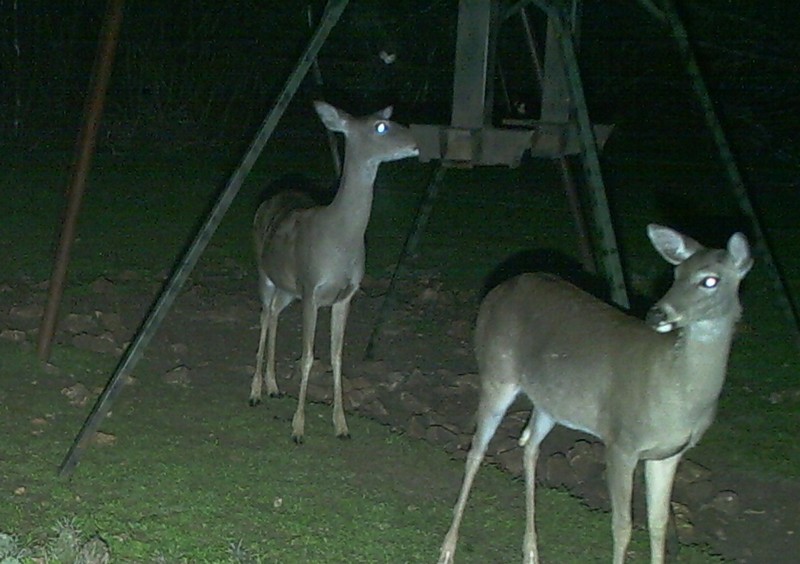
September is rarely a time for hunting deer in Texas, except during those years when the Saturday closest to October 1st happens to be in September. No, most of all this month signals that deer hunters had better get their acts together. It’s time for placing out those last minute stands and deer feeders. It’s time for talking about deer, buying seed, and planting winter food plots. It is during this time of year that the eager hunter anticipates each trip to the game camera, never knowing what he or she may have captured.
Most landowners participating in Texas’ Managed Lands Deer Permit deer management program have already wrapped up their deer surveys for the year, have received their harvest recommendations, and are ready to start working on achieving their harvest goals. It Texas, so it seems, a deer managers work is never done.
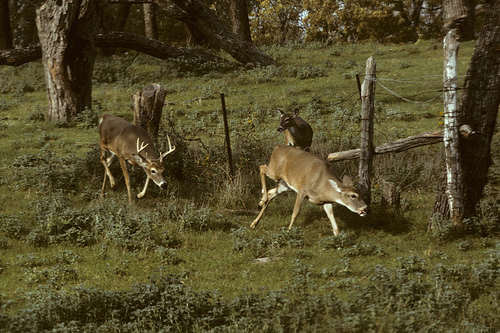
The recent cool front that pushed through most of the state this past week has really got the deer acting a bit frisky. No, I’m not eluding that the rut is on, at least not in most parts of the state. But believe it or not, research has found that many deer do rut during the month of September. In some instances, fawns are even conceived during late August! This is not the norm for the bulk of the state, but for deer living in the Gulf Prairies and Marshes this is not uncommon. Data from Texas Parks and Wildlife Department found that the peak breeding date for white-tailed deer in the northern portion of the coastal prairies was… September 30.
But just as some does breed early, some deer will breed late. This can cause confusion among hunters because one hunter will proclaim the rut is over in an area while another argues just the opposite. It’s the ole early rut versus the late rut argument. The truth is that deer will be bred throughout the fall and winter. Most of the older does will come into estrus earlier with the younger does following. Fawns born this year can also be bred by bucks in late winter, such as during January and February.
This weekend I plan on heading out to do some bowhunting in Colorado County. From past experience, I fully expect to see some bucks chasing, but I’ve been wrong before. I guess that’s why deer hunting and deer management are two different things. It’s easier to manage a population of deer than it is to hunt a specific deer. But I enjoy the challenge and hope to learn a little more each time I walk into the woods.