Increase Antler Growth in Bucks

Increase Antler Size

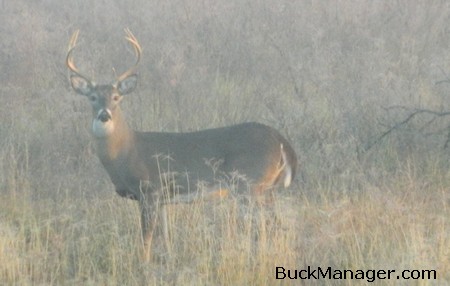
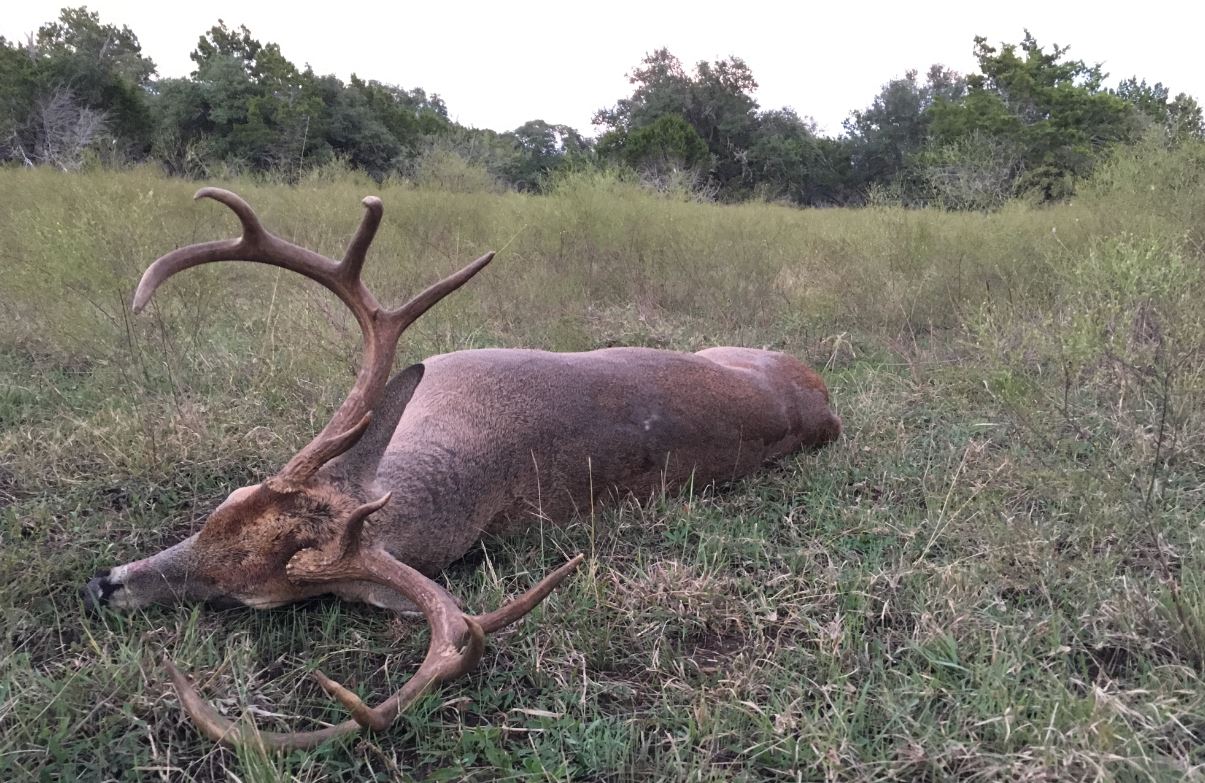
Most hunters and property owners involved in deer management are interested in healthy herds and increased antler growth and size in bucks. There are numerous other positives that result from managed whitetail populations, the most important of which are healthier, more diverse plant communities for all wildlife species.

Good habitat equates to better bucks, but sometimes additional inputs are needed to harness all of the antler-growing potential within bucks found on the property. It’s often during the deer hunting season that hunters take inventory of the bucks roaming their land, but the time to take action for next year is right now.
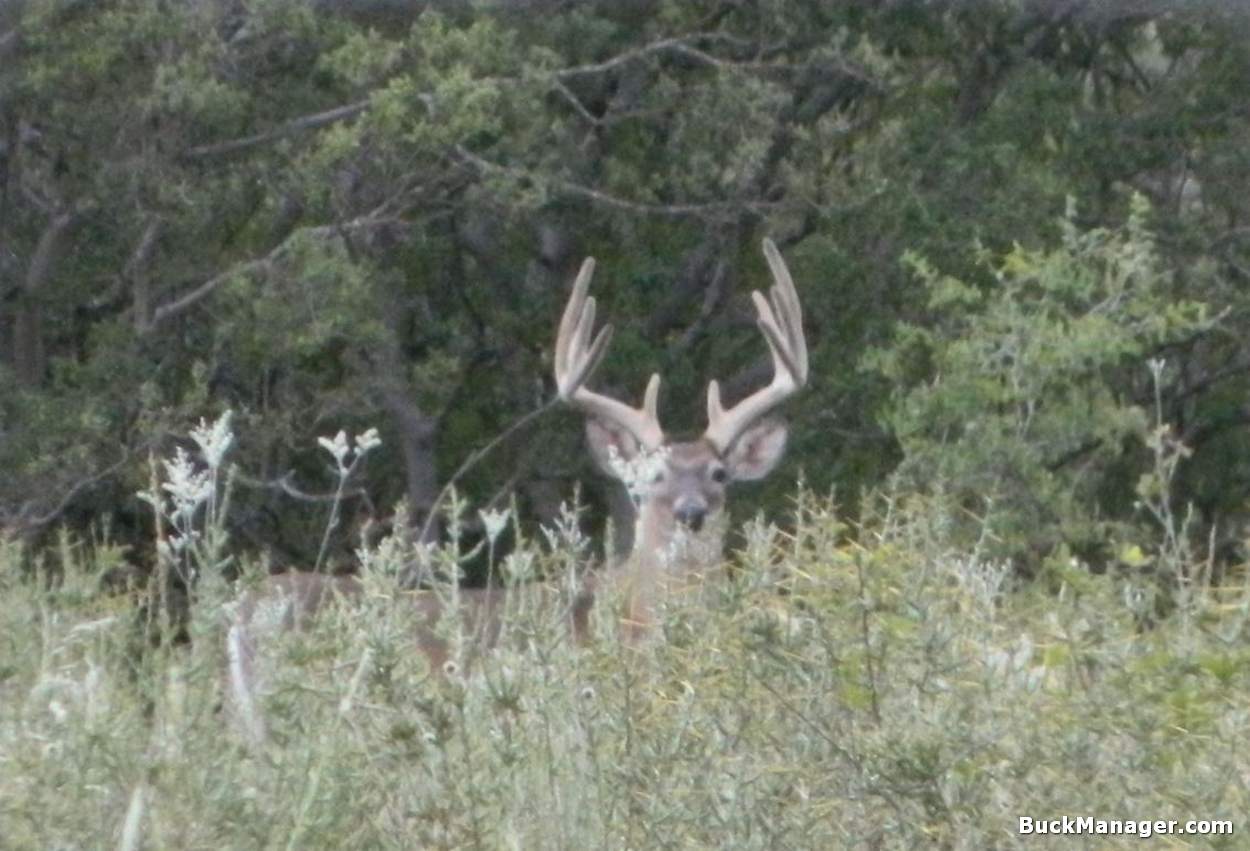
How can We Increase Antler Growth in Bucks?

Recipe for Big Bucks?

Question from Mike P.: “I am involved in a small self-management plan on a 90 acre farm in Pennsylvania. Our deer are free ranging and are very low pressured. We do a buffet of food plots, about 7 acres of turnips, radishes, oats and clovers. We are also involved in the creeps program. We have established a great heard and do not harvest bucks until they have reached 130 class. What we seem to be lacking is antler mass.

We have been told by local deer farmers to add protein to their diet. We were thinking of mixing roasted soybeans with corn for our winter feeders. We have also been told to be very careful on the ratio of the mix and could make the deer “sick.” My question is, what is true and what is false, what’s right and what’s wrong? Is there something else we can do to add antler mass?”

Best Ways to Increase Antler Size

First, this is a great question to ask since most of the deer hunting seasons have wrapped up for this winter and because another antler growing cycle is about to start. Additionally, there are likely many other hunters around the US that are also wondering how to increase antler growth in bucks. The months following the rut are critically important for future antler growth because bucks are attempting to fully recover from the intense, grueling breeding season.

Antler size can be improved on bucks through adding points, increasing the lengths of points or by increasing the circumference of existing antler material, thus increasing mass. A lot of hunters look for a buck with a wide-spreading rack, but I’ll take the heavy-horned freak nasty every time. The only way to produce and harvest larger bucks is to add inches to antler measurements. Points (and plenty of them) tack on the most in terms of a buck’s score, but there are several other measurements, as well as factors, that play a role.
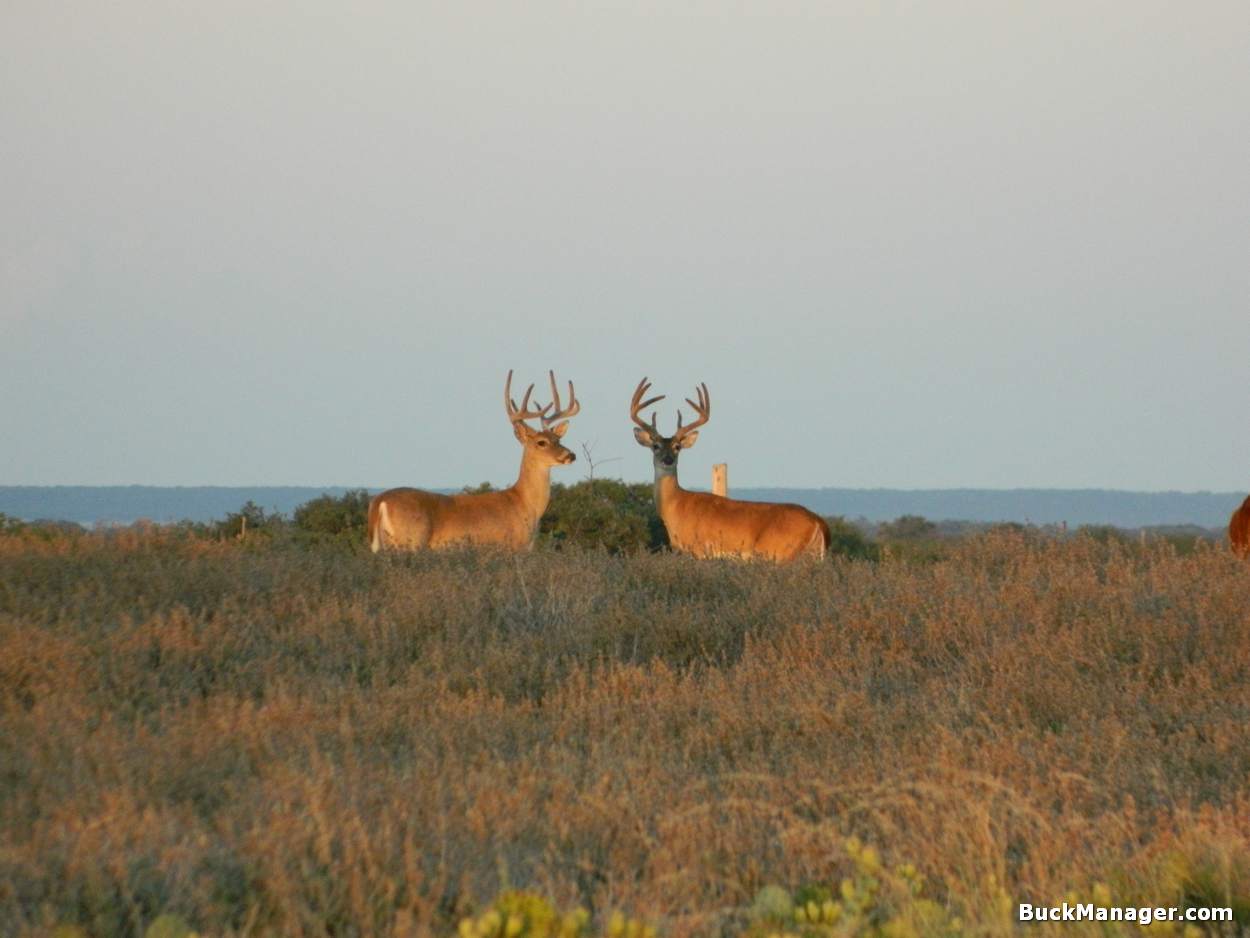
A How to on Improving Antler Growth in Deer

Antler Growth in Bucks

Antler growth in whitetail bucks always comes down to three things: age, genetics and nutrition. Antlers get larger as a buck gets older up to a certain point, then they start declining in size. There is some debate on when exactly that occurs, but I don’t think there is a single right answer here. Just as individual bucks vary in antler quality, I think different bucks peak at different years. Environmental conditions, buck to doe ratios and other factors all impact this. Hunters may see a buck’s best antlers anywhere from 5 1/2 to 8 1/2 years of age. Antler mass will increase with age.

Genetics are obviously important, but they are difficult to manage and this is especially true on small acreages where whitetail management and growing better bucks is the goal. Genetics for antler growth comes down to WYSIWYG — -what you see is what you get. That is, unless you do something different. In the situation outlined above, it’s nearly impossible to make meaningful genetic changes in the deer herd. The size of the property may be a limitation, but the road does not end there.

Landowners and hunters have much more control when it comes to deer nutrition. In fact, there are many options when it comes to providing additional, high quality foods for whitetail. Food plots can work great in areas with dependable rainfall and good soils. In other areas, not so much. But this opens the door to supplements such as protein pellets, whole cottonseed and roasted soybeans. And let’s not forget that superior, natural forb and browse production can be encouraged on any property through deer habitat improvement that involves a variety of land management practices.

Deer Herd and Antler Growth

Ideally, hunters will shoot bigger bucks if they simply provide the genetically-best bucks on their property with optimal nutrition until they reach 5-8 years of age. As I mentioned, this would be ideal. The reality in this case is a 90 acre property that currently has bucks that are lacking antler mass. Without knowing any more about the situation that what was given, there are several things that could be in play. Any or all of these factors could be impacting the free-ranging bucks found on the property and in the area.

First, there is always the chance that you’re just unlucky, that the deer in your area do not have the genes to grow heavy horns. It’s unlikely, but completely possible. Antler mass, as it turns out, is one of the most heritable traits in deer antlers. Of all the traits that a buck may get from his father for antler growth, mass is most likely to stick. So, the WYSIWYG principle applies here. Thin-horned bucks sire more thin-horned bucks. But, in your case, are their genetics to blame?

An often overlooked factor that can seriously impact antler size in bucks is the buck to doe ratio of the deer herd. I mentioned at the top of the article that this was a timely question because bucks are currently still recovering from the rut. If bucks are physically run-down following the rut and do not fully recover, then they will remain so and will start the upcoming antler growing season at a huge disadvantage.
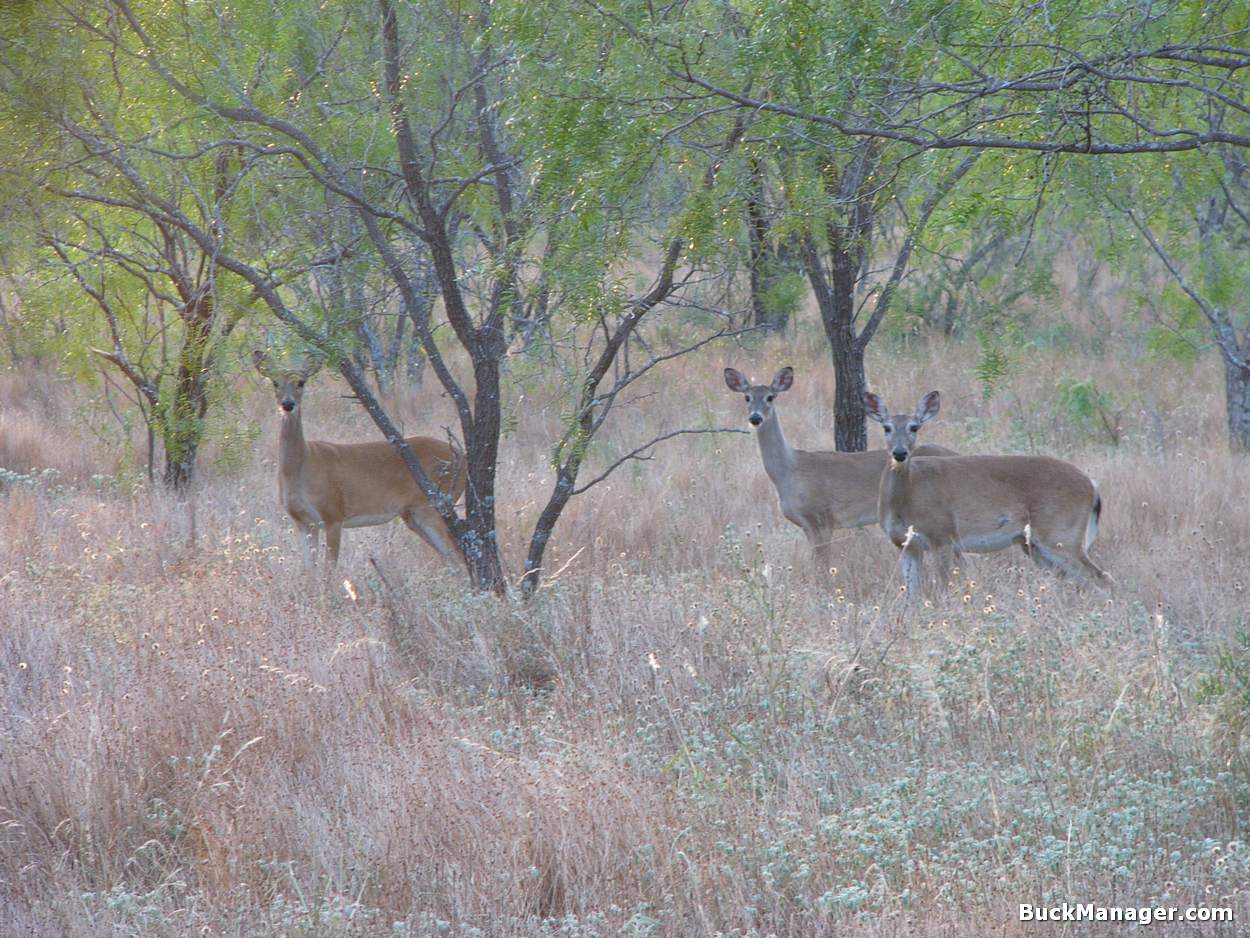
Managing Deer for Increased Antler Size

If there are 4-5 does per buck in your area then this could be an issue. If there are 6-7 does per buck in the area then this is a problem that should be addressed. The ideal buck to doe ratio in this situation would be 1 buck for every 2-3 does, but the ratio could be much closer to even on very large acreages (or high fenced properties) with more control over deer harvest.

In this situation, there is no doubt that nutrition could be an issue contributing to poor antler mass. In fact, it probably is. Furthermore, poor nutrition would only make the skewed buck to doe ratio example described in the paragraph above even worse for bucks.

Poor nutrition is a result of too many deer for the habitat, or in other words, not enough food for the deer herd. Keep in mind that just because there may not be an abundance of deer does not mean there aren’t too many for the habitat. It all boils down to the number of available pounds of deer food per mouth per day. Of course, an insufficient diet may not necessarily be of a caloric nature, but one related to the availability of minerals. Mineral deficiency is most common on sandy soils or in areas that receive high amounts of precipitation. If this sounds like you, listen up.
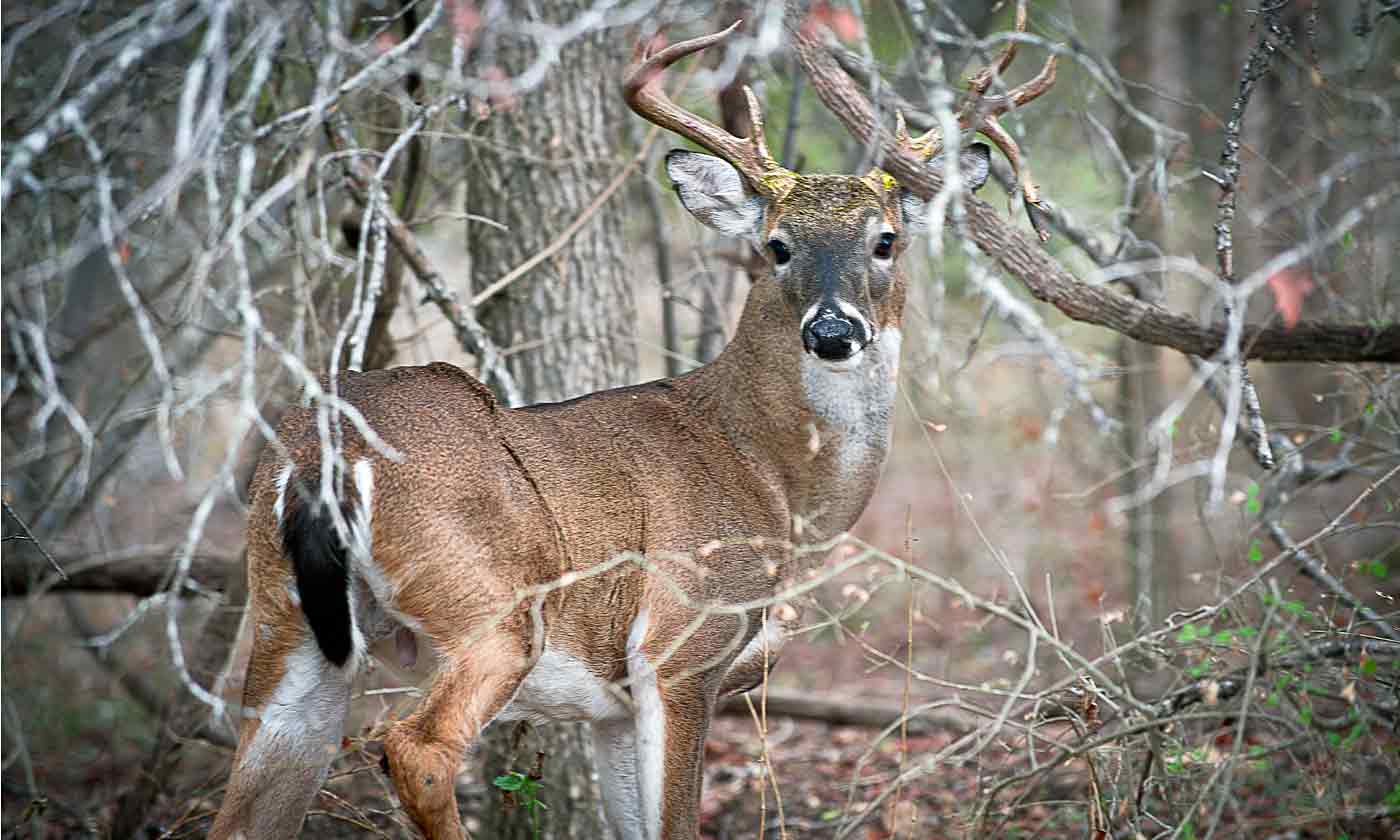
A How To on Growing Bigger Bucks

Options for Increasing Antler Size

A buck’s hardened antlers are made up of approximately one-half protein and one-half minerals. If bucks are reaching maturity and still have weak mass measurements, then the deer management strategies on your property should focus on increasing the availability of these potentially limiting factors. The objectives should be to provide more protein, minerals (phosphorus and calcium) and trace minerals for all deer. Here are few ways to get the job done:

  1. Food plots – Get a soil test for your plot area and fertilize and lime as necessary. Leached soils are low on minerals and other nutrients. Make sure that the deer foraging on spring and winter food plots are getting more than they see, especially post-rut and into the spring.
  2. Protein Pellets – One of the best ways to supplement whitetail deer is through protein pellets with at least a 16 percent protein content. Many commercial brands are available and they contain not only protein, but all of the necessary macro- and micro-nutrients.
  3. Other Foods – Protein pellets are great, but they are not the only game in town. Whole cottonseed and roasted soybeans are extremely high in protein and may be easier to get your hands on in some areas. These foods lack all of the nutrients that whitetail will need, but this option could be combined with plot and/or mineral sites. Stay away from corn as a supplement. In high quantities corn can cause several problems for deer and it’s low in protein.
  4. Mineral Sites – These are debatable since there have been no direct links between mineral sites and larger-antlered bucks, but there is no doubt that whitetail are attracted to these salt and mineral mixes. Research in livestock have found that minerals improve digestion, increase weight gains. Heavier deer tend to have heavier antlers.
  5. Fertilize – This practice is not limited to just food plots. Native browse species also benefit from nitrogen, phosphorus and potassium. Deer will readily consume preferred trees, shrubs and vines that have been fertilized. They can taste the difference. You’ll see the difference.
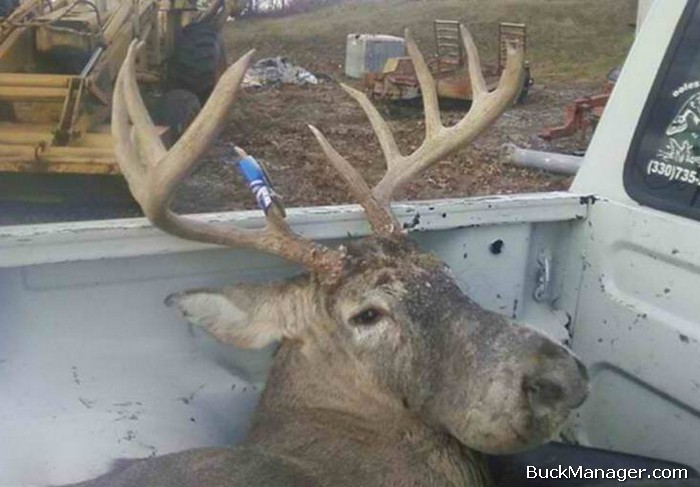
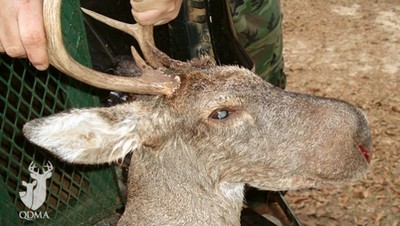
Bullwinkle Disease in Whitetail Deer

Bullwinkle Disease in Deer

The term “Bullwinkle disease” sounds more like a joke about someone than an actual ailment. As it turns out, Bullwinkle disease in deer is a thing. It’s a true-to-life disease that can impact deer. Although quite rare, it seems white-tailed deer can get an infection that causes their muzzle to swell. In turn, their face looks more like the cartoon moose Bullwinkle than that of a normal, healthy whitetail.

Wildlife vets know that the head swelling is caused by a long-term bacterial infection in soft tissues of the afflicted deer’s face. However, the most fascinating part of Bullwinkle disease is that no one knows how deer get it. Or even where the bacteria comes from.

Bullwinkle Disease in White-tailed Deer

Bullwinkle Deer

Source: “The Southeastern Cooperative Wildlife Disease Study (SCWDS) has been studying the parasites and diseases of white-tailed deer for more than 56 years. With so much time and effort invested in this area, one would think that few surprises would be left, but that doesn’t ever seem to be the case. Since 2005, we have received samples from ten deer with oddly deformed muzzles, as well as reports of several other affected deer. The swollen muzzles give them a strange appearance and prompted someone to call them “Bullwinkle deer,” based on their resemblance to the 1960’s cartoon character.

Although the cases reported to us are uncommon, they occur over a wide geographic area. In fact, affected white-tailed deer have been submitted to SCWDS from as far north as Michigan and as far south as Alabama. Furthermore, the condition also has been confirmed in a mule deer buck in Idaho.

Bullwinkle Disease in Deer & Head Swelling

The swollen faces are the result of chronic inflammation in the soft tissues of the muzzle. Deer with lumpy jaw can also have swollen jaws, but not to the same extent. The inflammation also is seen in connective tissues in the oral cavity, but it is much more severe on the nose and upper lip. All of the deer examined have had similar colonies of bacteria within the inflammatory infiltrates. Attempts to culture the bacteria have been frustrating. This is possibly due to chronicity of lesions, freezing and storage of samples prior to submission. Alternatively, it may be due to excessive growth of secondary bacterial contaminants.

White-tailed Buck with Bullwinkled Disease

Staining characteristics and DNA sequencing of the bacterial colonies observed suggest they differ from other organisms known to cause problems in deer. Investigations continue into the bacteria’s potential role in the development of this condition.

So far, all of the reported cases have been in hunter-killed deer or deer observed in the wild. Some deer have been thin, but there have been no reports of mortality directly attributed to this disease. One landowner reported having seen the same affected deer at a backyard feeder for nearly two years. Many of the deer observed or killed have been known to visit feed sites. However, the association with feeding is anecdotal. At this time, we do not know the factors that may predispose a deer to develop this unusual condition.

The lesions are certainly dramatic, but this disease does not appear to have any negative consequences for deer populations. Cases are relatively infrequent and are not clustered. It is possible that this problem has always occurred in deer, but at a very low prevalence. However, it has become very easy for photographs to be widely circulated among hunters and biologists in a very short period of time. We can attribute that to hunters, trail cameras and the internet.

This rapid sharing of information may have increased the detection and submission of rare and unusual cases, such as the Bullwinkle disease in deer we see here. Prepared by Kevin Keel, University of California-Davis”

The Key to Late Season Hunting Success

If you’ve noticed the deer hunting season is nearly over and there are license tags left in your pocket, don’t panic just yet. There is still time to fill those tags, as well as the freezer. Many hunters find themselves behind the proverbial eight ball as the season winds down each year. Whether it’s because we’ve run short on hunting time because of other commitments, spent too much time waiting on that big buck that seemed to show up on game camera from time to time but never while we were actually on stand, or if it’s just because we’ve suffered from plain ole procrastination. It happens. The pressure may be on, but the late season is one of the very best times to put deer on the ground.

There are numerous farms and ranches looking to achieve deer management objectives, namely keeping the whitetail population within the carrying capacity of the available habitat. Other hunters are just looking to put something next to the potatoes. No matter which camp applies to you, hunting the late season all comes down to a single four letter word, food. The breeding season takes an awful lot out of deer, especially bucks since they burn a lot of calories fighting one another, searching for and pursuing does, so they are always looking to strap on the post-rut feed bag. Combine that with the fact that the fall and winter (to date) has been colder than normal and deer are forced to forage. Continue reading “The Key to Late Season Hunting Success”

Deer Management & Hunting: Big Buck Down in Bowie County

There are many aspects to white-tailed deer hunting and management. The most exciting part is, of course, the hunting season itself. Every hunter dreams of a big whitetail buck stepping out in front of them, emerging from the wood line from seemingly out of thin air. It can happen to any hunter at any time, but to significantly up the odds of your dreams coming true you’ve got to do the work, put in the time and answer the bell when deer season rolls around. This is when having a combination of strong will, patience and the ability to age deer on the hoof becomes a very real part of harvest management.

Whitetail Deer Hunting: Big Buck Shot in Bowie County, Texas

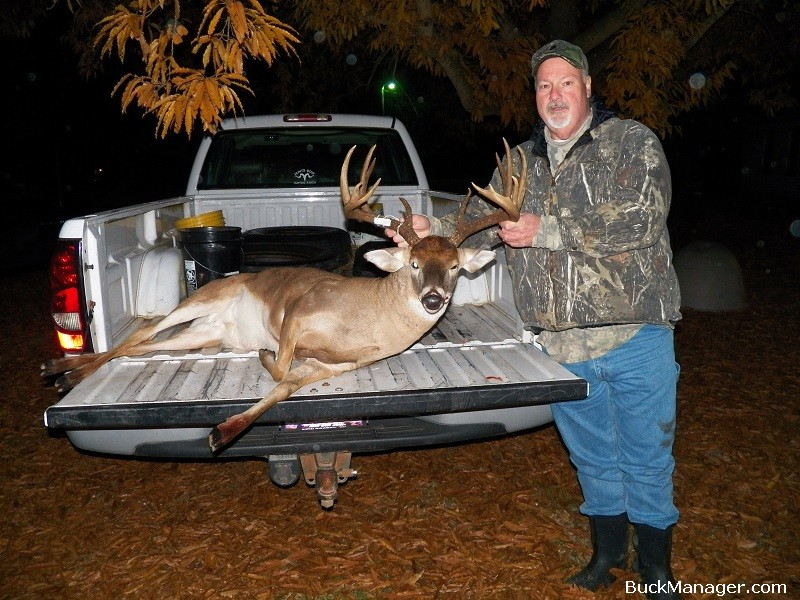
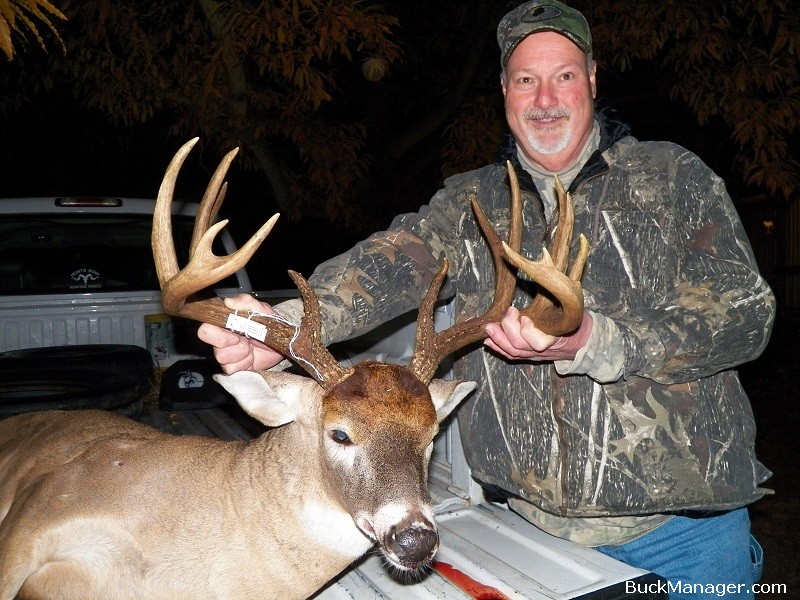
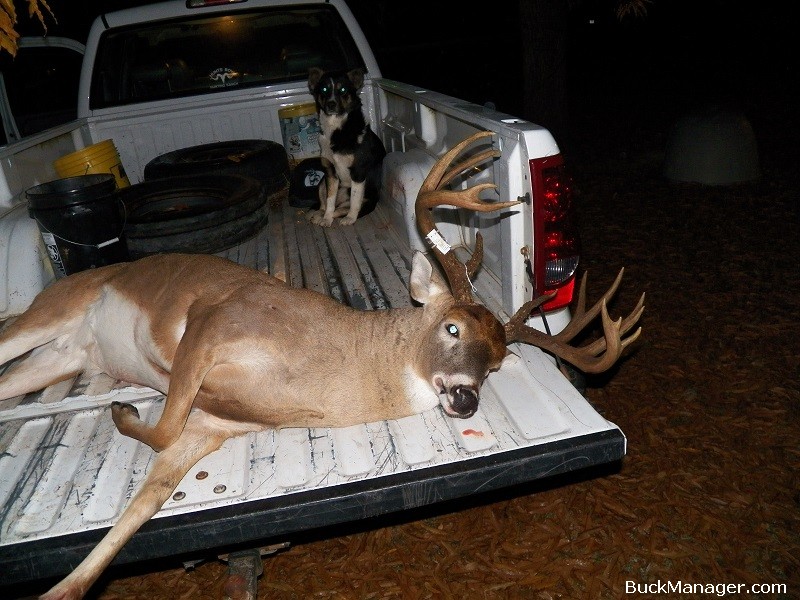
One Northeast Texas hunter had all of these characteristics in spades — and that allowed him to place his tag on a big Bowie County buck. Over the past weekend, Texas hunter Ricky Hunt bagged a whitetail buck that instantly became his personal best. Despite deploying a number of game cameras before and during the hunting season, Ricky had only managed to capture a single photo of the remarkable buck. That one photo proved to be motivation enough to keep Ricky in the woods. Ricky knew this buck was out there, somewhere.

Rick Hunt and His Northeast Texas Buck

Ricky Hunt: “I took this buck this past Sunday evening (December 8). We acquired a new lease about a mile from where we had been deer hunting the past few years. It is a area that is known for some good deer. My personal best buck was taken in this area a couple years back. He scored 137 4/8, a archery kill. We are about a mile from the Red River. A lot of farming, so the deer have good body size to them and good antlers.

Our place is all planted pine trees. A real challenge to hunt and to figure out any patterns to the deer. Most (99%) of our visibility is limited to about 40 yards. Deer sightings have been low because of this. If it wasn’t for game cameras it would have been hard to stick with it. I didn’t see a deer on stand during the month of October and well into November. The camera showed us some amazing bucks and one stood out above the rest.

The only lane we have on the place is a road they made to load logs. It is about 100 yards long and very close to a county road. I was reluctant to put a bowhunting blind on this lane because I was concerned when the leaves begin to fall that someone would see the blind from the road and it possibly get stolen. Putting that aside, I decided to put the blind on the lane in hopes of being able to see more deer. I haven’t used a rifle in years, but I decided I would take my rifle in case I saw a bruiser on the end of the lane.

Fast forward to Sunday evening. At dark thirty, a big bodied buck stepped out in front of me at 25 yards. The buck was so close and it happened so fast that I had a hard time getting the crosshairs on the buck. I shot him at 35 yards. I did not realize just how big this buck was until 30 minutes later when me and my son walked into the pines to find him. When we saw him we knew he was the big buck that we had on camera. To say the least, we were both ecstatic. This Bowie County buck is 20 4/8 inches wide, has 15 points and scores 165 1/8 B&C!”

Deer Hunter Offers Tips for Hunting Mature Bucks Mature Whitetail Buck Harvested in Bowie County, Texas

It seems that no two properties are ever the same when it comes to the management of whitetail deer. Although the fundamentals of management remain the same,  some will focus more on habitat management and others more on harvest management. It should be noted that every place that aims to grow healthier, bigger deer is involved in both aspects to some degree. Bucks can not reach their genetic potential if they do not have adequate nutrition. On the other side of the coin, bucks can not reach their genetic potential if they are shot when young. This can be tough for many hunters since good bucks are big even when they are young.

It takes trigger restraint to produce mature bucks and good groceries for them to grow big, but like most people deer get substantially wiser as they age. This makes hunting well-seasoned bucks much more difficult than the 2 and 3 year old deer that readily run into the middle of a fall food plot or to a timed feeder, especially in areas where deer receive substantial pressure during the hunting season.  When asked about hunting deer in Bowie County, Ricky Hunt said there were several things that help them keep and hunt big deer on their property:

“1.We do not use spin cast feeders. In this part of the country deer won’t tolerate feeders, especially mature bucks. We will pour out corn on the ground. My biggest archery buck 137 4/8 P&Y was harvested this way.

2.We do not use four wheelers to go to our stands. We use them only to retrieve a buck or putting up a stand. We walk straight to our stand and straight out. Excessive walking or four wheeling will cause deer movement to shut down. We don’t want them to know we have been there.

3. If I look out and see my neighbors smoke from their chimney early in the morning go up and then start to settle closer to the ground, I don’t dare climb into a tree stand. The same will happen to your scent. My two biggest bucks to date have been killed using bow blinds. I have only one window open. This keeps it dark inside, but it also helps to contain scent. I have had many bucks and does walk within feet from me and never know I was there.

4. We use game cameras pre-season to survey what we have as for as bucks. We try and age them as close as we can. Last year, I passed on a wide 10 point. I did not take a buck last year, but I did not regret passing on that 10 point. He was young. Having game cameras out is a real motivator to sticking it out and putting as much time in the woods as possible. I had numerous pictures of my 137 4/8 archery buck and had only one of my 165 1/8 buck. Game cameras may not get pics of all your bucks, but you can get a good idea of what you have.

5. After deer season is over we do what I coined as ‘A Roll Call.’ We will put out as many game cameras as we have throughout our lease for at least a month. By doing this it gives us an idea of what bucks made it through the deer hunting season. This gives us a good idea of which bucks we can hope to see next season.”

Cold Weather Means Deer are Moving!

The life of a white-tailed deer is highly impacted by the weather. Hunters know that high rainfall years are better than dry ones when it comes to antler growth and the number of fawns produced. Mild weather during the spring and fall  is also conducive for plant growth, which in turn is good for deer growth. Everything struggles when it gets really hot or really cold. However, if you’re looking to harvest a deer this season then colder temperatures are exactly what you need. And that’s because whitetail deer move around a heck of a lot more when temperatures drop.

I know what you’re thinking. The rut, right? Cooler temperatures must mean that bucks will be chasing does with reckless abandon. Well, that could be one exciting scenario, but I’m targeting the fact that when the temperatures outside get really, really cold, deer get extremely hungry. This means that they have got to eat something, and soon. It takes a lot of energy to maintain a 104 degree (F) internal body temperature when the mercury starts to plummet. Deer will be looking for fuel, but will you be there?

Deer Hunting and Management - Best Deer Movement Times for Hunting

Deer Hunting Good on Cold, Wet Days

Cold weather is good for getting whitetail deer up and moving. Cold, wet weather is even better! Think of it in terms of a hypothetical “deer misery index.” The more miserable it is out there on the landscape then the tougher it is for deer. It makes it very hard for whitetail (and other animals) to bed up and hold tight all day when their energy needs are spiking through the roof. If your heater is running all day at home then you can bet the caloric needs of a whitetail deer are humming right along.

The one caveat to hunting cold, wet and just plain ole nasty weather is that it’s also going to be tough on the hunter, too. These are the days that separate the men from the boys, those that talk the talk from those that walk the walk. If you want to fill the freezer and the wall then it’s going to take more than a big buck sticker on the back glass of your truck.

Deer Movement and Energy Requirements

The movement of whitetail deer increases as food sources decrease, energy demands increase. Deer hunting extreme cold often means that food sources are limited AND whitetail deer have elevated energy requirements. This puts a lot in favor of the hunter. Find the right place, hold tight and you’re in business. Will it be a well-established winter food plot, a feeder or a travel corridor of woods that connects a bedding area to a feeding area?

It’s important to realize that the term “cold” is relative to the area that you are hunting. There are a variety of subspecies (20+) of whitetail deer in the US. Some can attain the body mass required to endure snow-covered hills and bone-chilling temperatures for weeks. Smaller-bodied whitetail at southern latitudes get hit hard if temperatures simply stay in the 20’s and 30’s for a couple of days. What is considered a cold winter day in one area may just be an average fall day in another place. Hunt when deer are moving, when temps are well below average for your area.

Like Buck Manager Deer Hunting and Management on Facebook

Dark of the Moon Deer Hunts

When colder than normal weather settles into an area for a few days to a week or more, expect the morning and evening movement of deer to increase substantially. And in my experience, the quantity of movement during the morning will be even greater if there is a new moon (i.e. dark of the moon/no moon). Morning hunts are great because dark skies keep deer bedded up all night so that they are more than ready to go chow down when the sun finally breaks the horizon.

With a need for feed, you can also expect the mid-day movement of deer to increase when temperatures plummet, regardless of moon phase. In fact, I’ve seen extended cold weather keep deer out on food plots all day long. On those clear and cold days, exposed feeding areas such as food plots allow deer exposure to the sun as well as an abundance of forage. Feeding areas that allow protection from the wind get another thumbs up as well.

Hunt Hard or Stay Home

There is no doubt that extreme cold gets deer up and moving. It’s especially hard on animals when temps are just above freezing and precipitation is involved or there are periods of prolonged periods of frigid weather, particularly later in the season in areas where the deer are accustomed to mild falls and winters. One of my favorite times to be out deer hunting is when it’s been much, much colder than average for several days running. It all but guarantees that animals will be up and at ’em.

A successful hunt is a big part of whitetail deer management because the end result is always a reduced population. Harsh environmental conditions means that the limited, available foods must be divided up among all of the deer that live in a given area. Less over-wintering deer means more food for the remainder of the herd and better nutrition for each individual animal. This is paramount for growing and producing big, healthy deer. There has been volumes written about hunting the rut to take advantage of increased deer movement, but a strong cold spell that last for several days or more should never be overlooked.