Texas: CWD in Captive Deer in Medina County

CWD in South-Central Texas

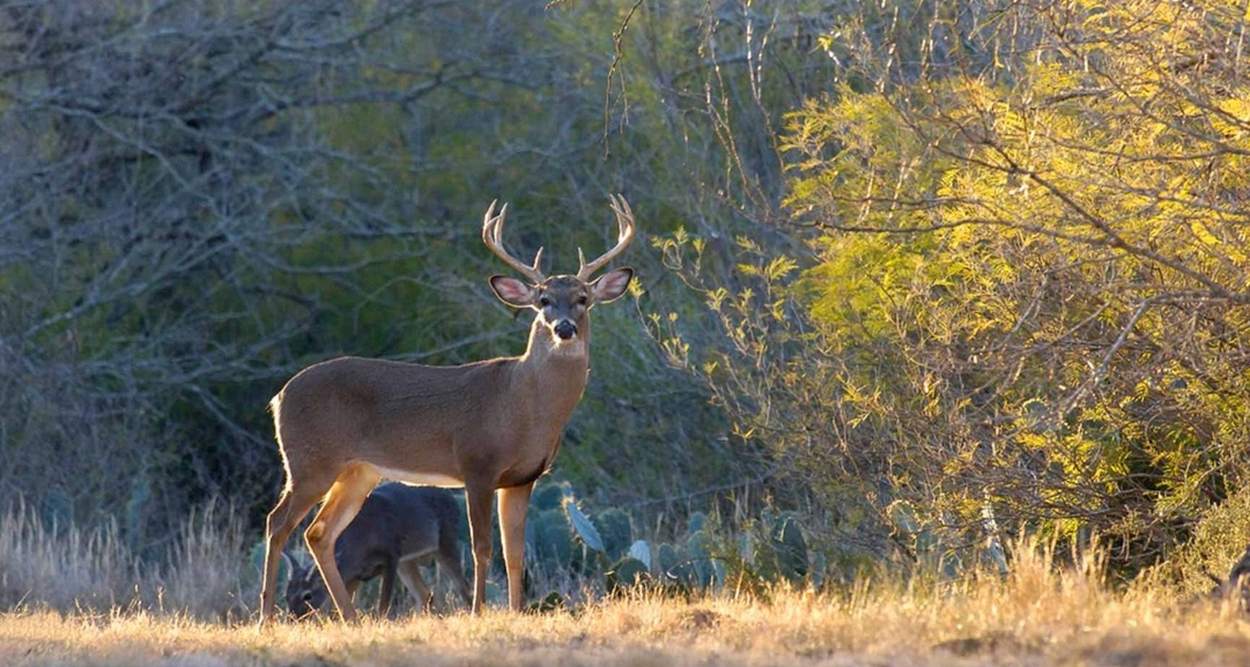
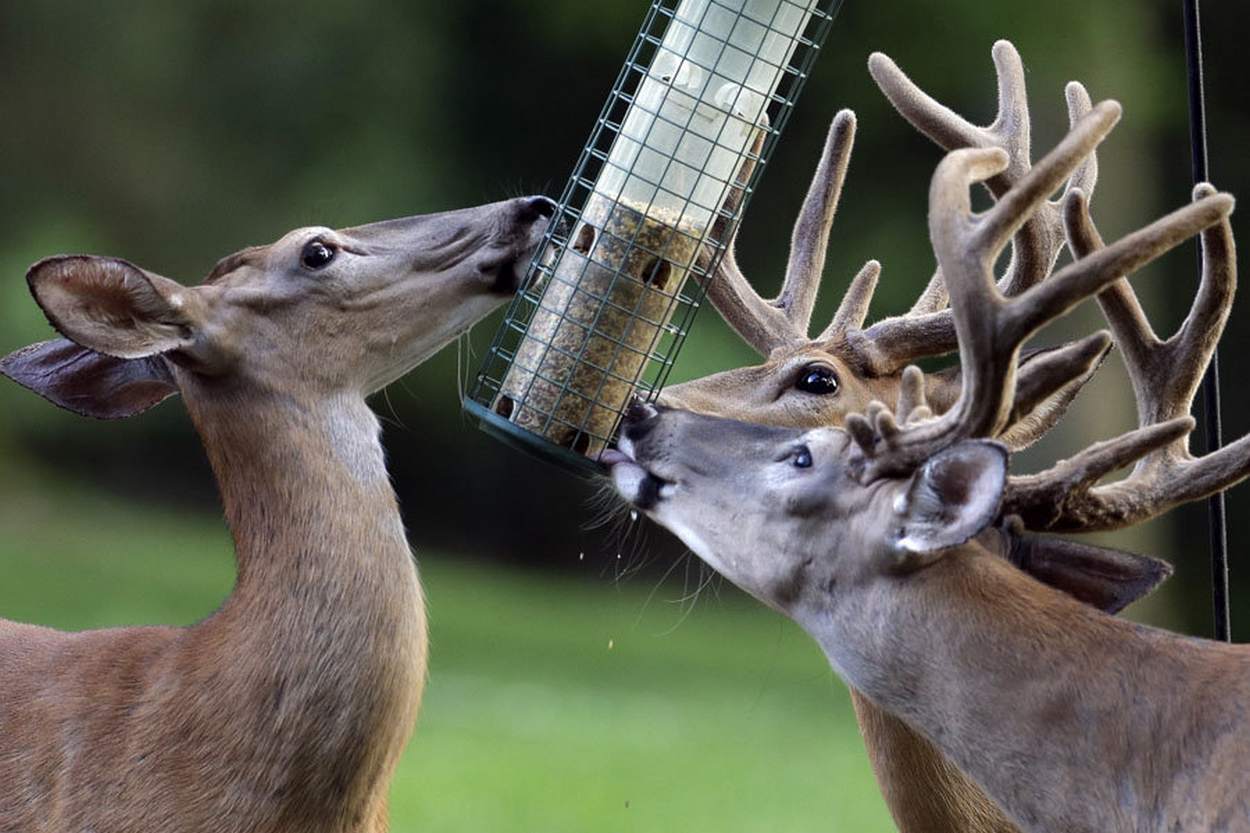
It’s official, chronic wasting disease (CWD) has been found in a white-tailed deer in Medina County, Texas, which is located just West of San Antonio. An epidemiological investigation to determine the extent of the disease, assess risks to Texas’ free ranging deer and protect the captive deer and elk breeding industry is underway.

The effort is being led by the Texas Animal Health Commission (TAHC), in coordination with the Texas Parks and Wildlife Department (TPWD) and U.S. Department of Agriculture’s Animal and Plant Health Inspection Service Veterinary Services (USDA/APHIS/VS).
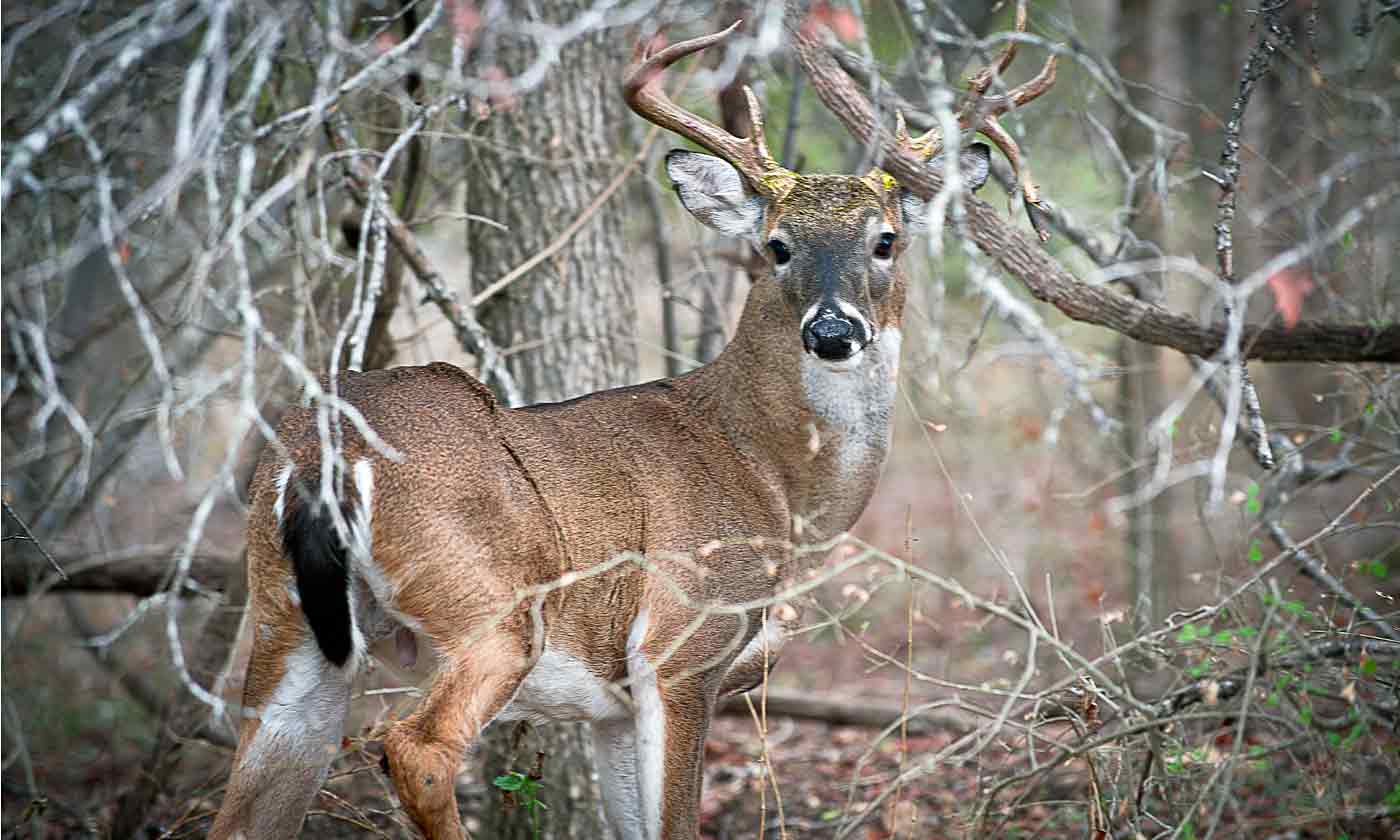
Medina County Buck Test Positive for CWD

CWD: Bad News for Medina County, Hill Country

Based on what we’ve all seen and read about CWD, deer hunters know this is not good news. The single bright spot is that the deer that tested positive for CWD was a free-ranging animal. The two-year-old white-tailed deer that was confirmed positive for CWD in Medina County is located within a deer breeding facility.

This is the first case of CWD detected in captive white-tailed deer in Texas. CWD was first found in Texas in 2012 in free-ranging mule deer in the Hueco Mountains in far West Texas.
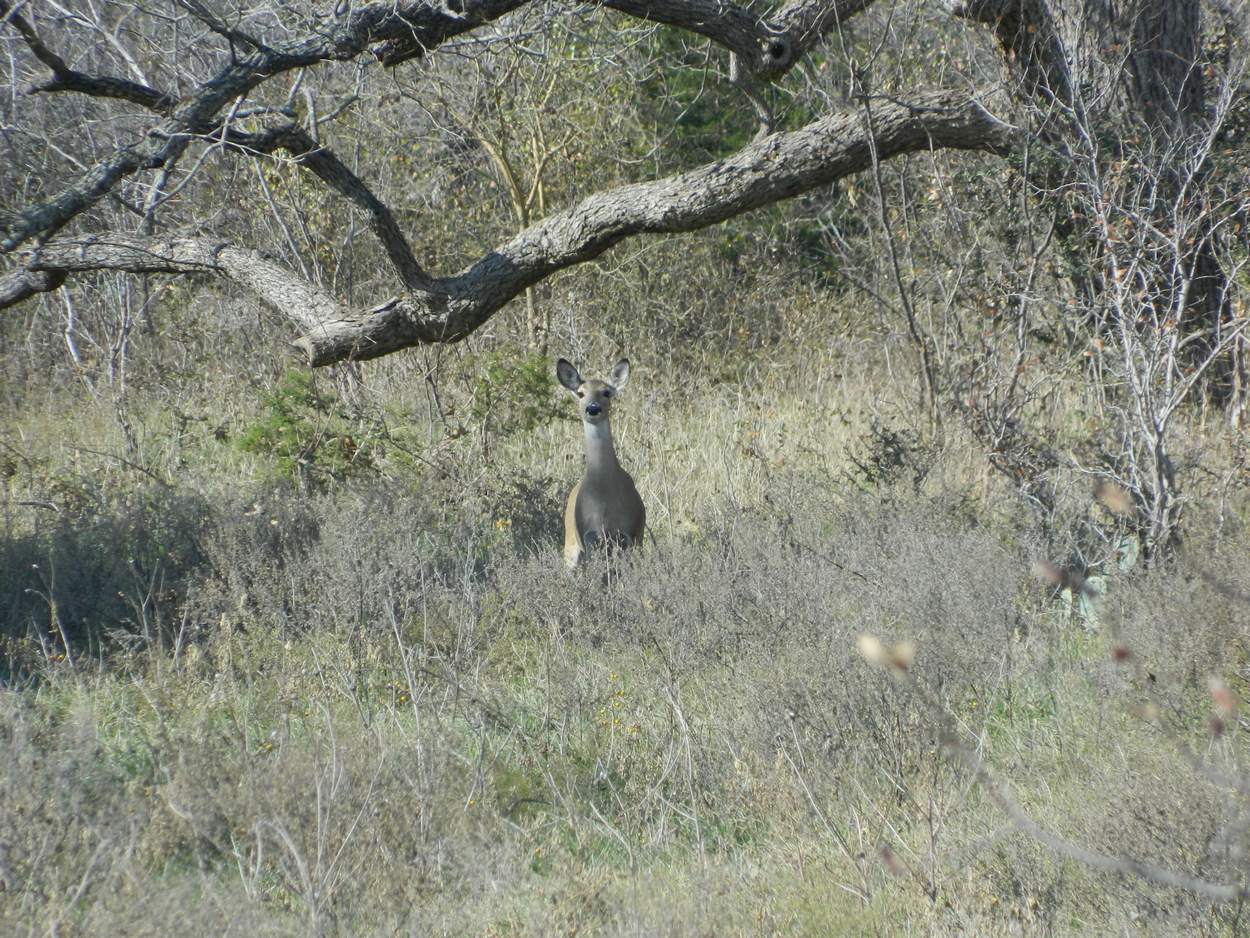
Is CWD in Central Texas?

Captive Deer Tested Positive

The Medina County tissue samples submitted by the breeder facility in early June as part of routine deer mortality surveillance revealed the presence of CWD during testing at the Texas A&M Veterinary Medical Diagnostic Laboratory (TVMDL) in College Station. The National Veterinary Services Laboratory in Ames, Iowa, confirmed the findings on Tuesday, June 30.

Officials have taken immediate action to secure all cervids at the Medina County breeder facility with plans to conduct additional investigation for CWD. In addition, those breeder facilities that have received deer from the Medina County facility or shipped deer to that facility during the last two years are under movement restrictions and cannot move or release cervids at this time.
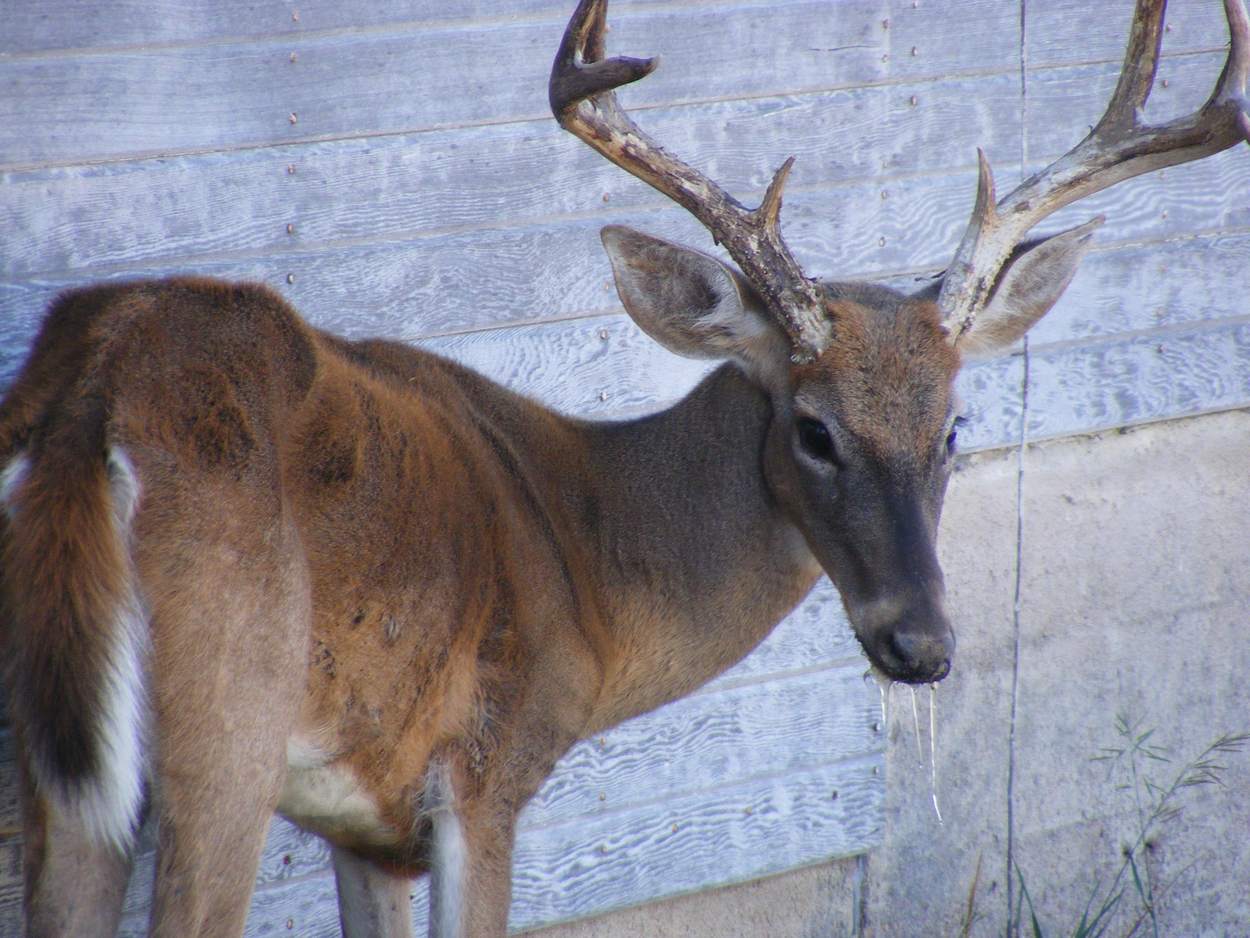
CWD Zone Formed in Medina County

TPWD is disallowing liberation of captive deer from all breeder facilities into the wild at this time pending further review. Additional measures to further minimize risk of CWD spreading into Texas’ free-ranging white-tailed deer herd, and to protect the captive deer breeding industry, will be considered.

“This is a terribly unfortunate development that we are committed to addressing as proactively, comprehensively, and expeditiously as possible. The health of our state’s wild and captive deer herds, as well as affiliated hunting, wildlife, and rural based economies, are vitally important to Texas hunters, communities, and landowners. As such, our primary objectives are to determine the source of the disease and to identify other deer breeding facilities and release sites that may have received deer from affected facilities,” said Carter Smith, TPWD Executive Director. “Working collaboratively with experts in the field we have developed protocols to address CWD, and our implementation efforts are already well under way.”

CWD Response

TPWD and the TAHC CWD Management Plan will guide the State’s response to this incident. The plan was developed by the State’s CWD Task Force, which is comprised of deer and elk breeders, wildlife biologists, veterinarians and other animal-health experts from TPWD, TAHC, TVMDL, Department of State Health Services, Texas A&M College of Veterinary Medicine, and USDA.

Since 2002, the state has conducted CWD surveillance throughout Texas for the disease. More than 34,000 samples collected from hunter-harvested and road kill deer have been tested for CWD.
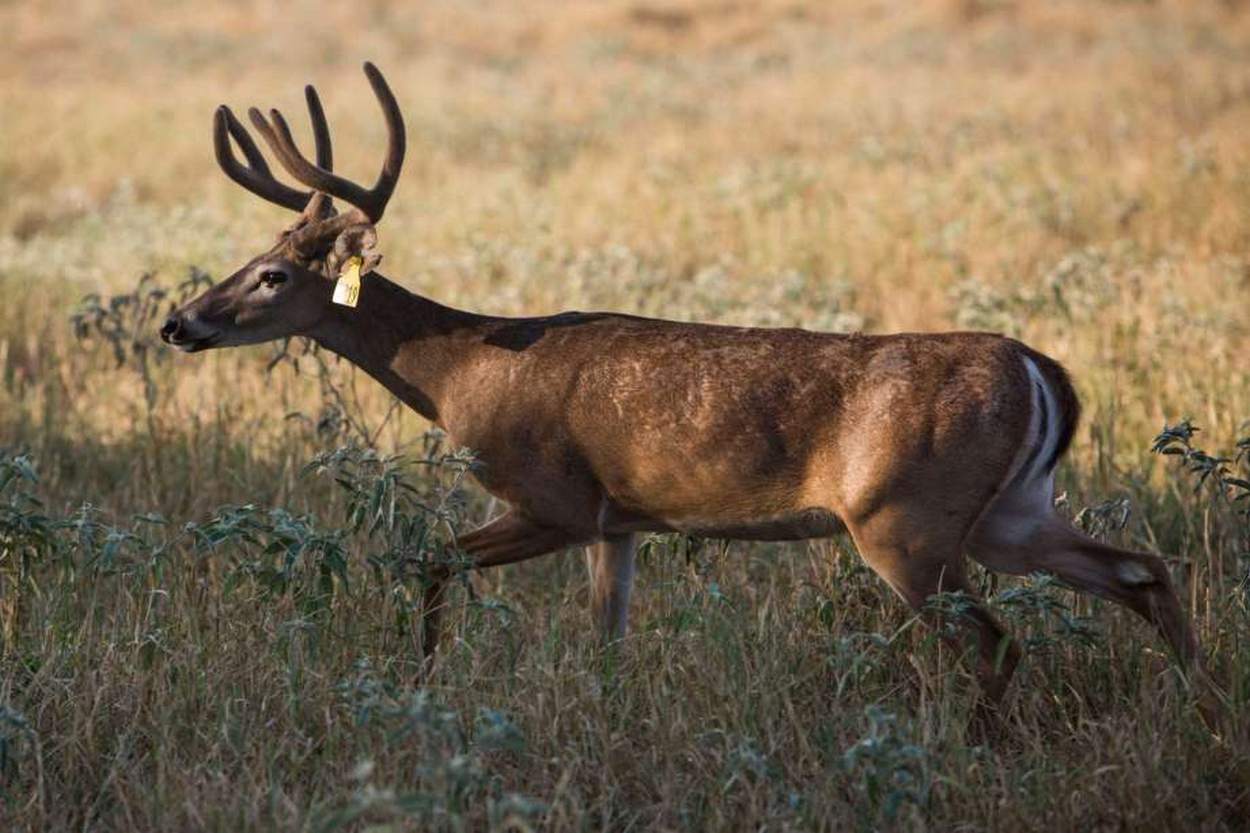
Is CWD elsewhere in Texas?
Image Carolyn Van Houten

Watch: Medina County, Breeder Deer

Although animal health and wildlife officials cannot say how long or to what extent the disease has been present in the Medina County deer breeding facility, the breeder has had an active CWD surveillance program since 2006 with no positives detected until now.

“We are working with experts at the local, state and federal level, to determine the extent of this disease, and respond appropriately to limit further transmission,” said Dr. Andy Schwartz, TAHC Epidemiologist and Assistant Executive Director. “Strong public awareness and the continued support of the cervid industry is paramount to the success of controlling CWD in Texas.”
Hunters are Like Birdwatchers, Research Says

Game, Non-Game On

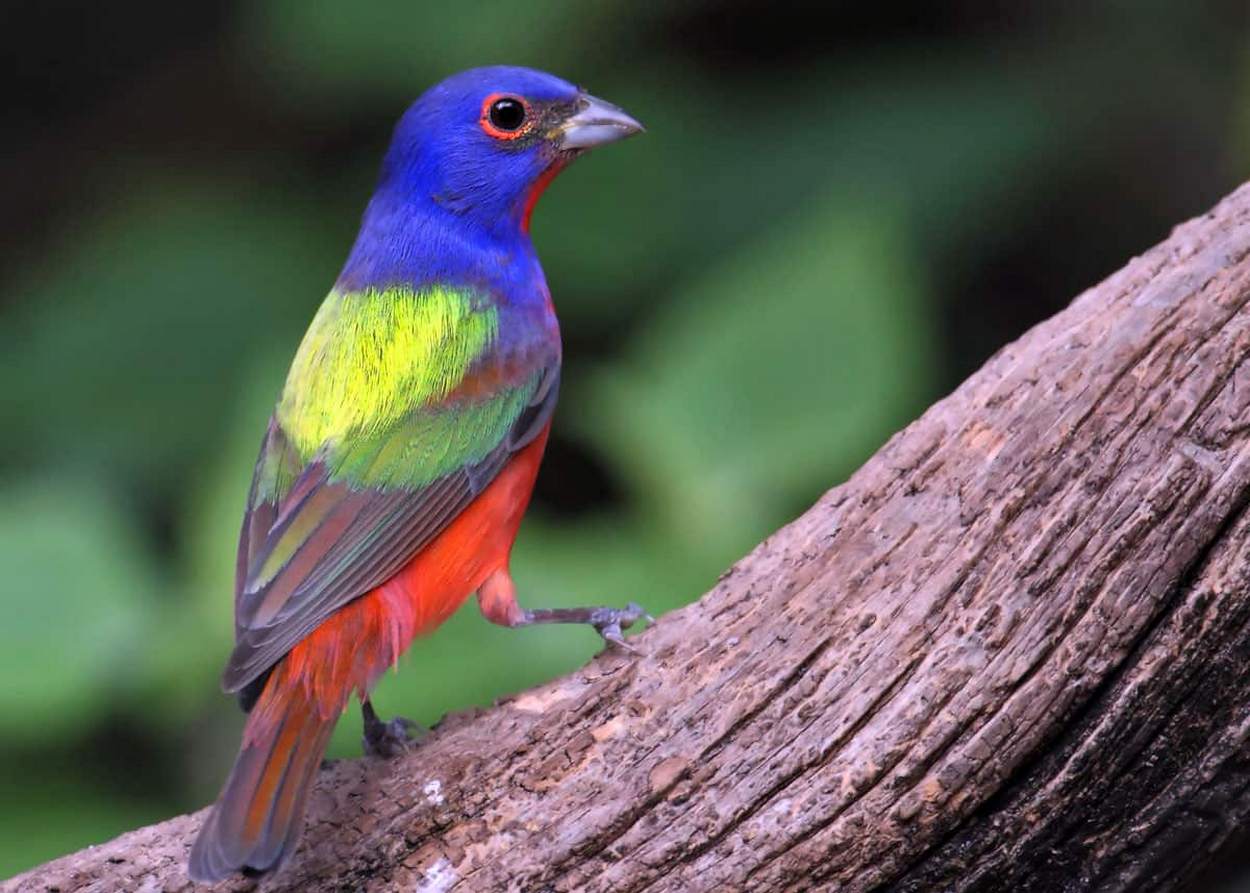
You’ve got the stereotypical pick up truck. They drive a Subaru. You hunt white-tailed deer and other game animals with guns. They “hunt” for game and nongame birds with cameras. It may sound like we are discussing two completely different groups, but they’re actually not that different.

A new study is suggesting that hunters and bird watchers are more alike than either group realizes. Despite the different forms of “hunting” that each of these groups engages in, each has a vested interest in taking care of our all-important natural resources.

Hunters and Bird Watchers Share Same Values
Image Mark Humphrey

Birds of a Feather…

A survey by researchers was used to determine whether wildlife recreationists were more likely to engage in wildlife conservation efforts including activities such as donating to support local management efforts, improving wildlife habitat on public lands and advocating for wildlife recreation, in the study published in the Journal of Wildlife Management.

They sampled hunters, birdwatchers, hunter-birdwatchers (people who regularly participate in both activities) and non-nature-based recreationists in rural New York, and found hunters and birdwatchers were more likely to participate in conservation behaviors while hunter-birdwatchers were the most involved in conservation behaviors.

I always enjoy bird watching while deer hunting.

Humans Love Nature in Different Ways

Source: “This reinforces the notion that we protect what we’re familiar with and what we care about,” said Caren Cooper, the assistant director at the biodiversity research lab at the North Carolina Museum of Natural Sciences, and the lead author of the study. “This means there’s all the more reason to support activities that foster that appreciation.”

Most surprisingly, Cooper found that after discussing her findings on a blog, those that enjoy hunting and birdwatching engaged in discussions that showed they were unaware of each other’s passion for conservation. “Hunters and birders were shocked with the results about one another,” she said.

“Except for people who do both, the two different communities failed to realize they’re kindred spirits when it comes to conservation.”

Hunting and Wildlife Photography Similar Ventures
Image Michael Carter

Cooper said birdwatchers are often put off by hunting, and hunters don’t seem to see the knowledge that goes along with birdwatching. But after learning about the study, both groups realized that they share a common passion for wildlife habitat management and conservation.

Members of both groups also enjoy long walks along the beach at sunset. What do you think about the differences and/or similarities between hunting and birdwatching? How do you define conservation?

Why Do Deer Blow?

Snorting, Blowing: What Gives?

There is nothing worse than hearing a loud, lung-collapsing deer blow while deer hunting. Ugh, why do deer blow? It’s an annoying, but effective sound (at least for the deer). This is so true when bowhunting. This is when you need deer to close the distance due to the range limitations of archery equipment. Ironically, a loud blow by a white-tailed sucks all the air out of my sail.

It can be downright unnerving when a buck or doe breaks complete silence by blowing loudly, especially at close range. If you’re like me, it’s usually at this point during a hunt that you’re ready to pack up your gear, climb down out of the stand and head for home, tail between your legs.

When do deer blow?
Image realtree.com

Why do Deer Blow? Alert!

Deer really only blow for one reason, to alert other deer in the area that something is out of the ordinary. Though I’ve heard many deer do this over the years, I’ve come to realize that their actions are not always in response to me.

There are numerous things in a deer’s environment that can cause it to react with that attention-grabbing, nasal-clearing sound. Coyotes, dogs or anything else that they perceive as a threat. Deer can also snort when concerned. Regardless of why the deer is alarmed, the result may end in an unproductive hunt if your goal is to tag a deer.

Deer Communication

Source: Blow or snort (all deer, all seasons). The deer forcibly expels air through its nostrils like a greatly magnified sneeze. The deer blows when it detects danger at a distance. These blows are drawn-out “whooshes” repeated several times. Snorts are single, very short, explosive sounds given as the deer turns to run.

There may be three reasons for these sounds. The noise warns all deer that something is radically wrong. The “sneeze” clears the nasal passages, and helps the deer sniff the air better. The sound may startle a predator into revealing its location or leaving the area.

Deer Hunting: Why do deer blow?
Image woodswalksandwildlife

Why do Deer Blow? Sup?

Like some of you reading this article, I can tell you from experience that deer will blow when they see or smell something that is not right. More often than not, it means the deer that you are hunting smell you. It’s frustrating — especially since so many hunters are quite meticulous about scent control and hunting under favorable wind conditions.

The best I can offer is to remember that it’s not always you. It’s sometimes you, but now always.

Deer snorts, then runs!
Image woodswalksandwildlife

Avoid Detection

Scent control is not necessarily about being “scent-free” but about being low in human scent. White-tailed deer have one heck of a sniffer on them so they can be hard to fool, but it’s not impossible. Keeping your scent level down can trick them into believing that you are much further away than they think you are.

You see, it’s all about scent molecule density. You want to have very few molecules (that smell like you) floating around in the air. Do all that you can to control scent. Then, the next time you’re hunting and hear a deer blow, you can be confident that it’s not at you. So, why do deer blow? It’s a form of deer communication that alerts the herd, but hopefully they aren’t talking about you.

Toxoplasmosis in Deer: Feral Cats Spread the Parasite

Deer and Toxoplasmosis

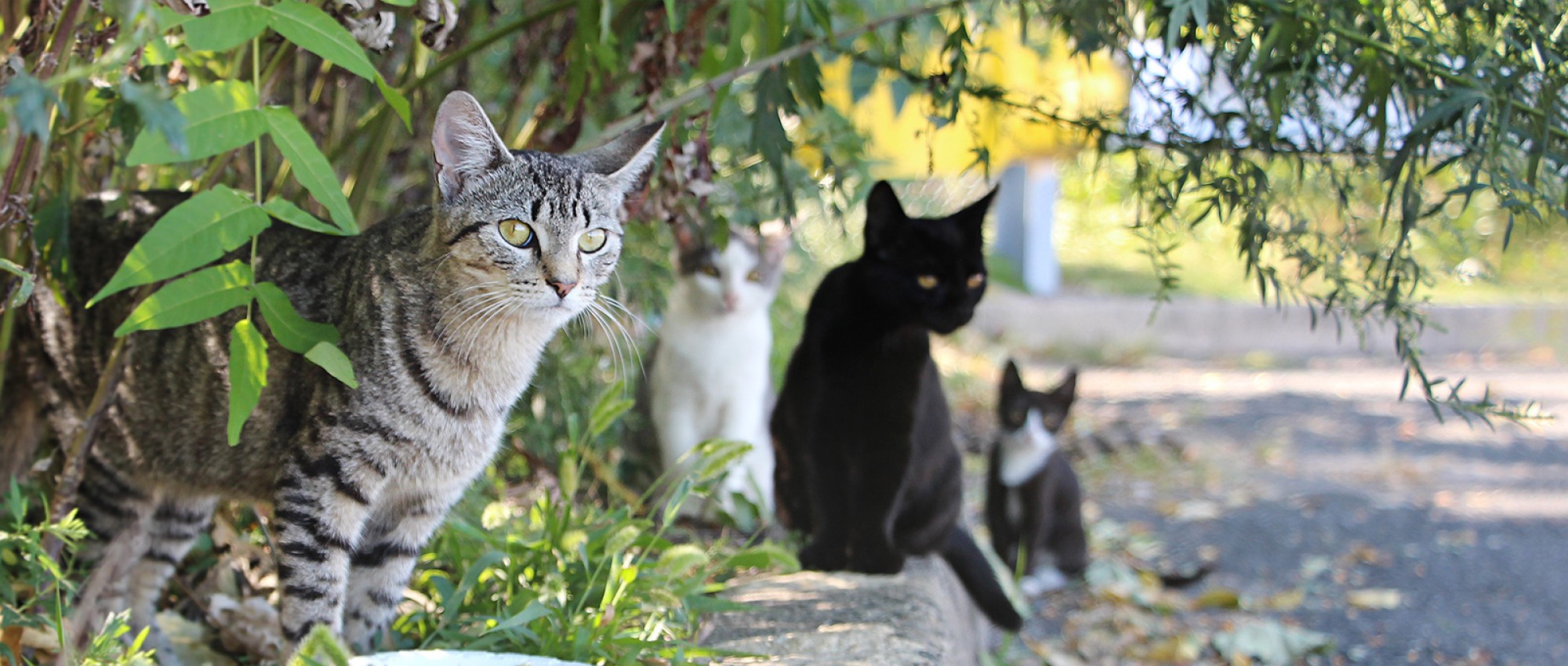
Hunters are often concerned about feral hogs impacting a local deer herd, but feral cats? Well, it turns out that free-ranging house cats are doing more out in the woods than just killing mice and raiding songbird nests. Feral cats are also spreading parasites to white-tailed deer, other animals and maybe even to you.

The problem is toxoplasmosis, a parasitic disease caused by the protozoan Toxoplasma gondii. Will cats infected with the parasite impact deer hunting in your area? Probably not, for a number of different reasons, but it’s important to pay attention if you eat venison since this disease is prevalent in many areas.

White-tailed Deer can get Toxoplasmosis

It’s currently estimated that more than 60 million people in the U.S. have the Toxoplasma parasite in them. Most people will not get sick, though the parasite can cause serious problems for some others, such as those with weakened immune systems and babies whose mothers become infected for the first time during pregnancy.

Problems stemming from an infection can include damage to the brain, eyes, and other organs; serious stuff. For those at risk of complications, every precaution should be taken.

Toxoplasmosis in Deer Meat

Source: “This study documents the widespread infection of deer populations in northeastern Ohio, most likely resulting from feral cats, and highlights the need for consumers of venison to make absolutely certain that any deer meat planned for consumption is thoroughly and properly cooked,” said Gregory Ballash of the Department of Veterinary Preventive Medicine at Ohio State University and lead author of the study.

Two hundred free-roaming cats and 444 white-tailed deer were tested for the parasite Toxoplasma gondii, which causes toxoplasmosis. Almost 60 percent (261) of the deer showed evidence of infection and more than 65 percent (164) of the studied cats tested positive.

Do these cats have toxoplasmosis?

According to the report, approximately 14 percent of the United States’ human population is infected with toxoplasmosis by the age of 40, with an estimated 1 million new cases diagnosed each year.

Cats, both domestic and wild (such as bobcats), play a critical role in the spread of toxoplasmosis because they serve as the definitive hosts, fulfilling the requirements needed for the parasite to sexually reproduce and complete its life cycle.

Toxoplasmosis: A Widespread Disease

This parasitic disease is not just limited to deer in Ohio. Similar estimates for white-tailed deer infections have been found in Iowa (53.5 -64.2 percent), Pennsylvania (60 percent), and Mississippi (46.5 percent), suggesting Toxoplasma gondii is thriving entirely because of feral cats.

The domestic cat (Felis catus) is not native to North America, but free-ranging feral populations are often abundant at the fringes of urban/suburban areas, where deer are found and hunting takes place.

Prevent Toxoplasmosis by cooking deer meat properly.

The odds of deer from urban locations testing positive for toxoplasmosis were nearly three times those of deer from more rural areas. The study found that densities of human households, and likely cats, were a significant predictor of infection in deer.

Since the parasite that causes this disease has the ability to impact a fetus during gestation, there is potential for this protozoan to impact a deer population on a local level.

If you hunt suburban properties or in places with high numbers of feral cats, consider cooking that steak well done next time you fire up the grill to knock out any toxoplasmosis in your deer meat. Otherwise, the Center for Disease Control says you can freeze venison for several days at sub-zero (0° F) temperatures before cooking to greatly reduce the risk of a toxoplasmosis infection.

Boone and Crockett Club: Do Not Use Scoring System for Captive Deer

B&C Scoring: Net Score, Gross Score

B&C Score: It’s become a part of the everyday lingo used in the world of white-tailed deer hunting. TV show hosts refer to it, most hunters overestimate it, deer hunting guides/outfitters live and die by it, and deer breeders use it to market pen-raised bucks for market. Did someone stop the music?

Despite the fact that B&C score is the gold standard for scoring big game, the Boone and Crockett Club politely asked recently that deer breeding operations no longer refer to their name or use their scoring methods when marketing pen-raised deer and elk. This appears to be positioning by the club to distance the well-known B&C name and scoring system from commercial operations selling and shooting captive, pen-raised deer.

B&C Scoring: Not for Breeder Deer
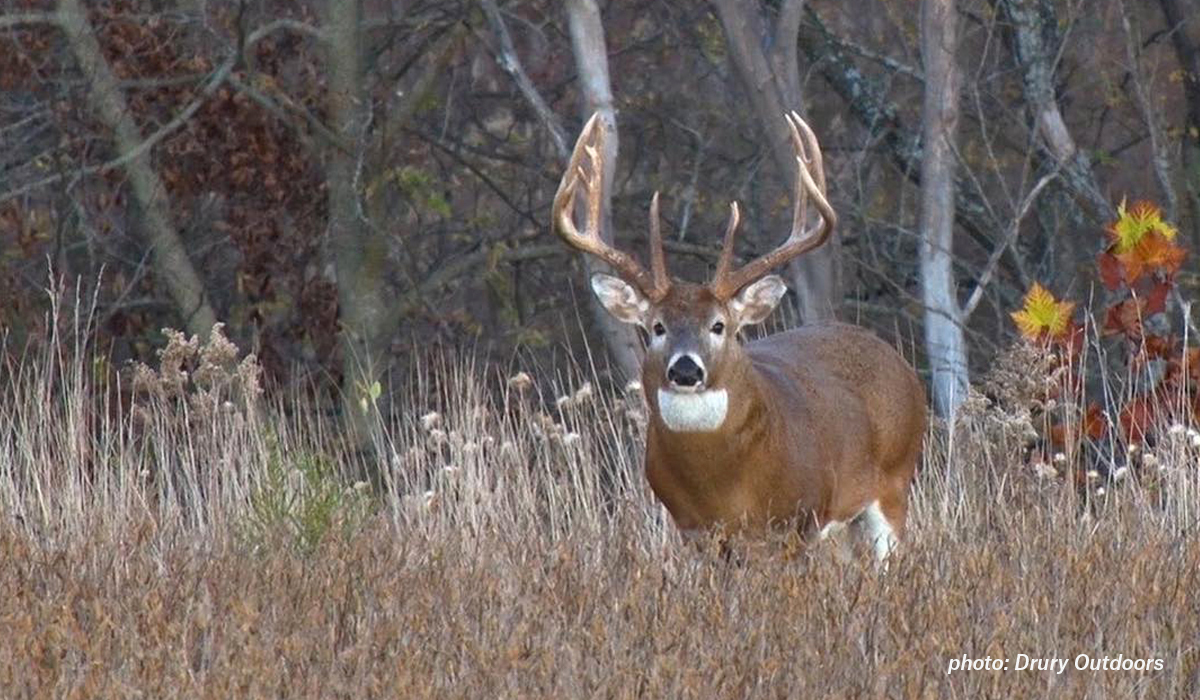
Image druryoutdoors.com

A bold statement, a bold move, but the right one based on the organization’s president, William A. Demmer. To qualify for the B&C record books native big game animals must be harvested under fair-chase hunting conditions.

In short, the Club is reiterating that their proprietary scoring system is intended for use on free-ranging animals, not captive bucks — and the Club wants no affiliation with pen-raised deer.

B&C for Conservation, Wild Animals

Source: “The Boone and Crockett Club scoring system exists to document the successful conservation of wild game animals in North America. The Boone and Crockett Club objects to and rejects any use of or reference to the Boone and Crockett Club or its scoring system in connection with antlers/horns grown by animals in captivity.”

Demmer said, “With the growth of the deer breeding and shooting industry, and modern marketing and selling of ‘shooter bucks’ raised in captivity and graded and sold using B&C scores, it was time to make this unauthorized use of our scoring system more widely known.”

Boone and Crockett about Fair Chase Hunting

The Club’s records program was established in 1906 as a way of detailing species once thought headed for extinction. Today, the B&C scoring system is used to collect data on free-ranging big game.

These data reflect successful conservation efforts, population health and habitat quality. Biologists compare and contrast records to improve local management strategies as well as state and federal wildlife policies.

“To maintain the purity of this dataset, and to ensure its usefulness for conservation professionals, the Club has always excluded farm-raised big game from its records program. Including unnaturally produced or genetically manipulated specimens would taint one of the longest running conservation programs in existence,” said Demmer.

Boone and Crockett Scoring System for Deer
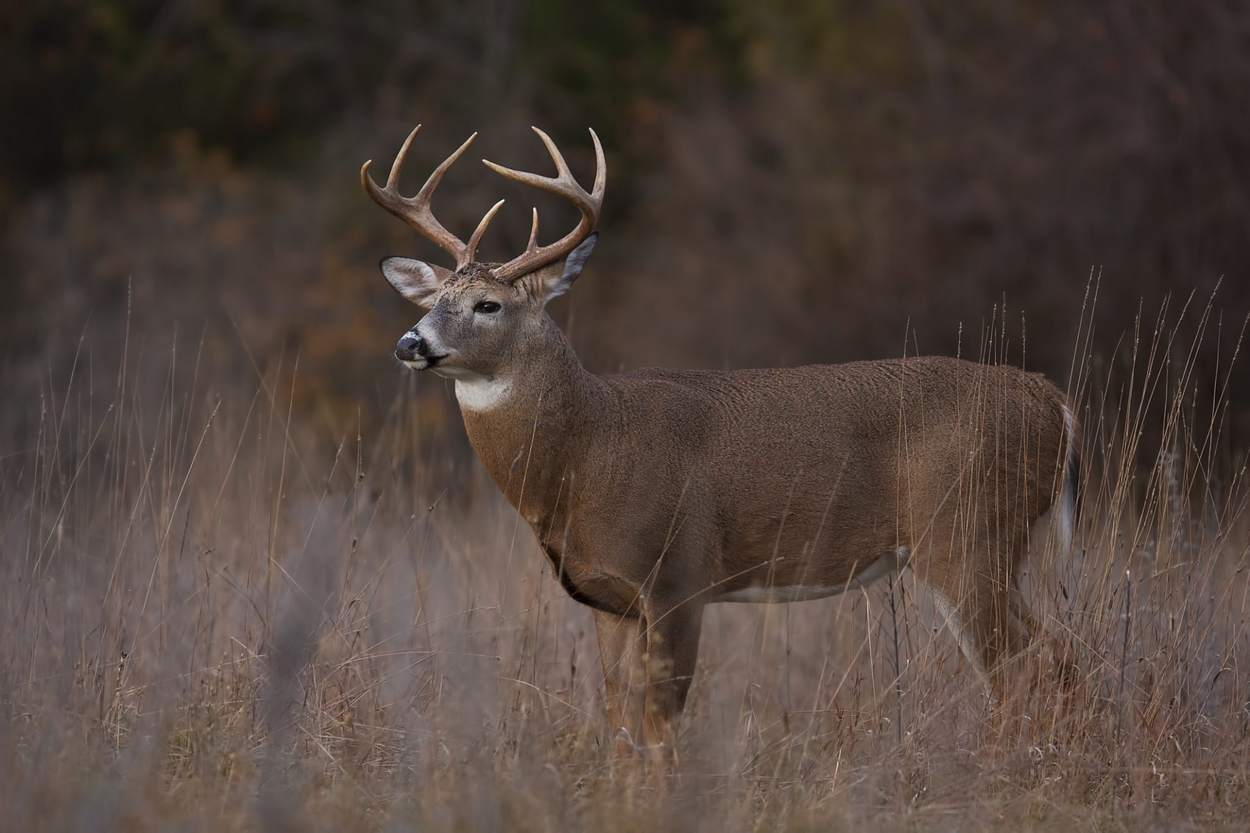
Image noble.org

The Club supports use of scientifically guided wildlife management techniques to enhance or restore big game populations and other species at risk. However, the Club condemns artificial enhancement of a species’ genetic characteristics for the sole purpose of producing abnormally large antlers to increase commercial value.