Principles of Doe Management: Hunting and Harvest

Should I Shoot Does?

Question: “I have hunted on a lot of different farms and a lot of public hunting properties and the farm I am hunting on now has me puzzled. The property is around 800 acres and there are deer on it but I feel the number of deer is low for the size of the farm.

There is plenty of food, water and deer cover on this farm. I just think the number of mature does and bucks are way too low. However, the landowner says the bucks don’t move because there are too many does and tells every hunter to shoot all the does they see and this will make the bucks more aggressive.
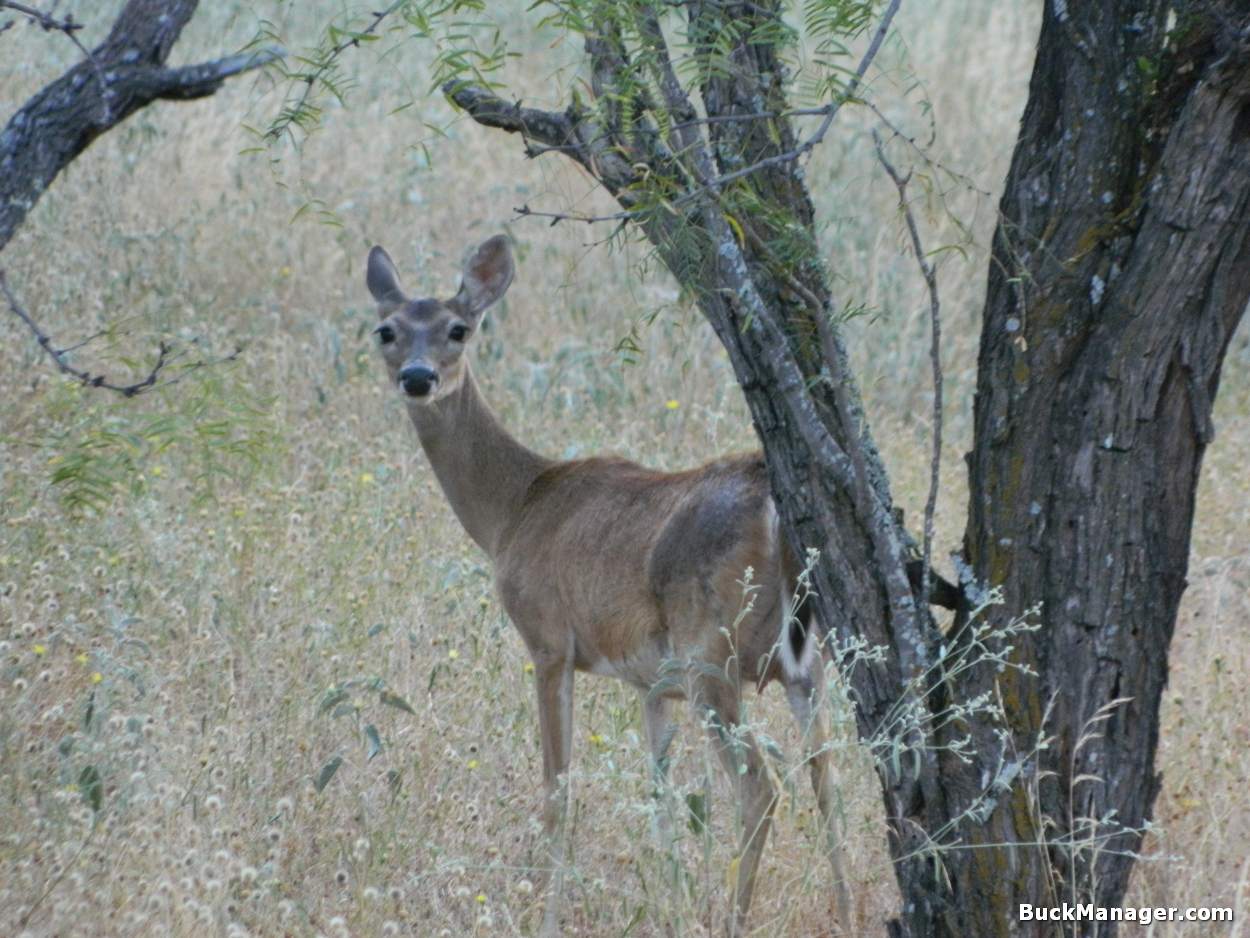
How many does should I shoot?

I disagree with this. I have heard the shoot does slogan many times, but if you shoot most of the does on a property won’t all the bucks be gone also? And what bucks you would have may be fighting for breeding rights but it’s going to be on the neighboring properties that are still holding does?

Also, if you have a fair number of does wouldn’t that mean more does that will come into heat and pull bucks onto your property?”

Doe Harvest Considerations

Response: Everything that you said about the over-harvest of does is correct. Beware of the ole “I heard that to manage deer you have to…” trap. Many hunters and landowners have fallen into it. Like a lot of things we hear, if it’s taken out of context then it’s no longer accurate, it’s not applicable.

In the case of the property that your hunting on, there likely was a time when the doe population needed to be reduced. It sounds like that is no longer the case—unless that is still the goal.
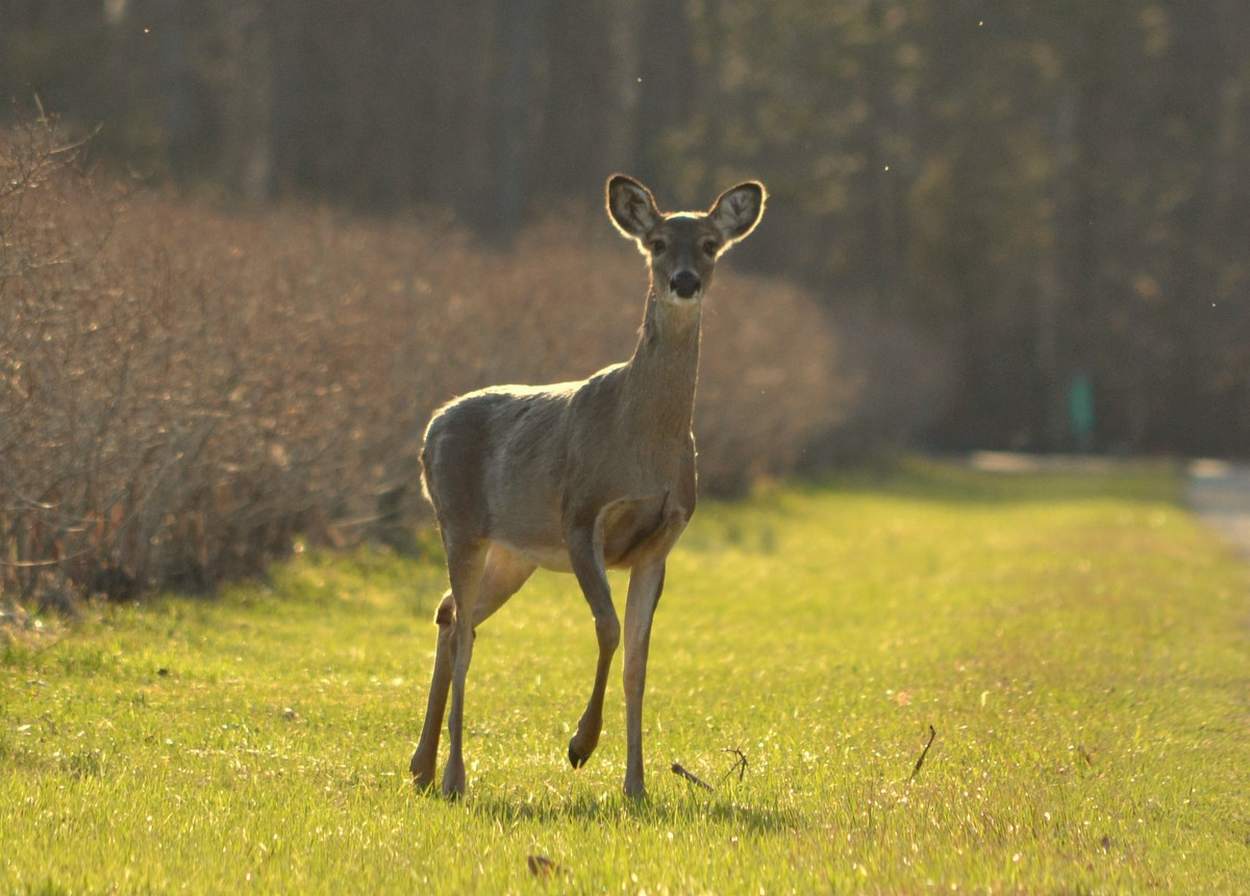
Doe harvest for deer management
Image woodswalksandwildlife

I don’t know the stipulations of you being able to hunt this particular 800 acre farm, but maybe the owner of the property just wants fewer deer on his farm. Fewer does means fewer deer and less crop damage, which may be the landowner’s goal.

The take-home lesson for others reading this: Before applying someone else’s management strategy to your property  make sure it’s relevant to the deer herd and your goals.

Doe Harvest to Manage Density

Reducing the number of female deer is the principle way to limit the growth of a whitetail population. We should all be in agreement on this one. That’s why the intense harvest of does still has a time and a place. There are still pockets scattered across the whitetail’s range where high numbers of whitetail deer are causing problems.
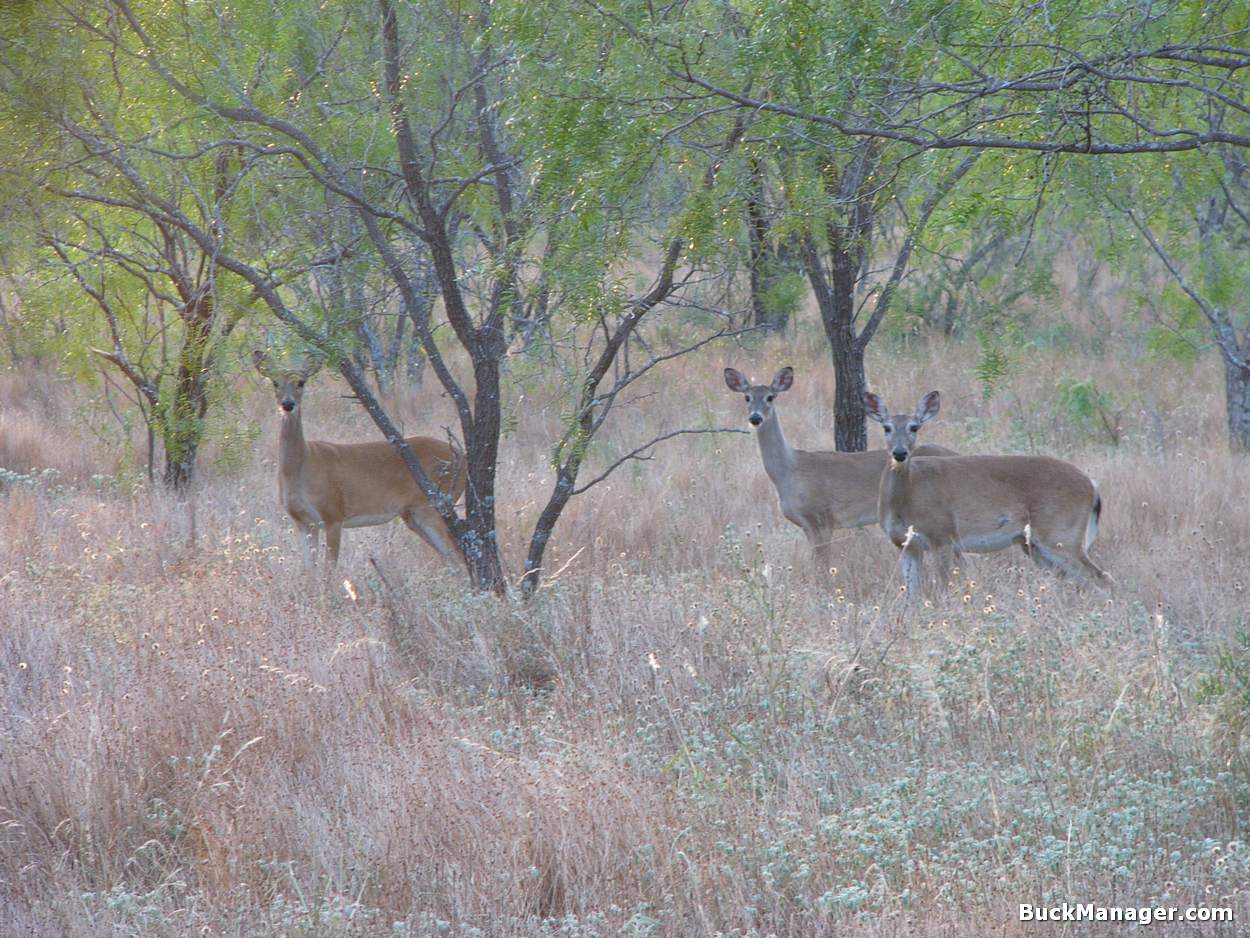
Doe Harvest Critical for Deer Population Management

This spells bad news for habitat, agricultural producers and the owners of motor vehicles. A few good years of fawn production, population growth combined with little to no deer harvest and—boom—you’ve got a problem.

Doe harvest is where the rubber meets the road when it comes to reducing deer density in an area, but it’s definitely not a management silver bullet for better hunting.

Using Does in Estrus to Attract Bucks

Another no-brainer: Bucks are attracted to does in estrus. The more does you have hanging around the better the chances that bucks will want to visit your property. This seems like a good thing, but too many does causes problems down the road.

The problems that arise from too many does are when (1) deer numbers get out of hand (see above), (2) buck to doe ratios get out of whack, (3) breeding takes 3-4 months and (4) bucks get run down to the point that they don’t survive the winter or it takes a series of years for bucks and their antlers to recover.

Yes, it’s good to have does but only up to a point and then it’s counterproductive on many levels.
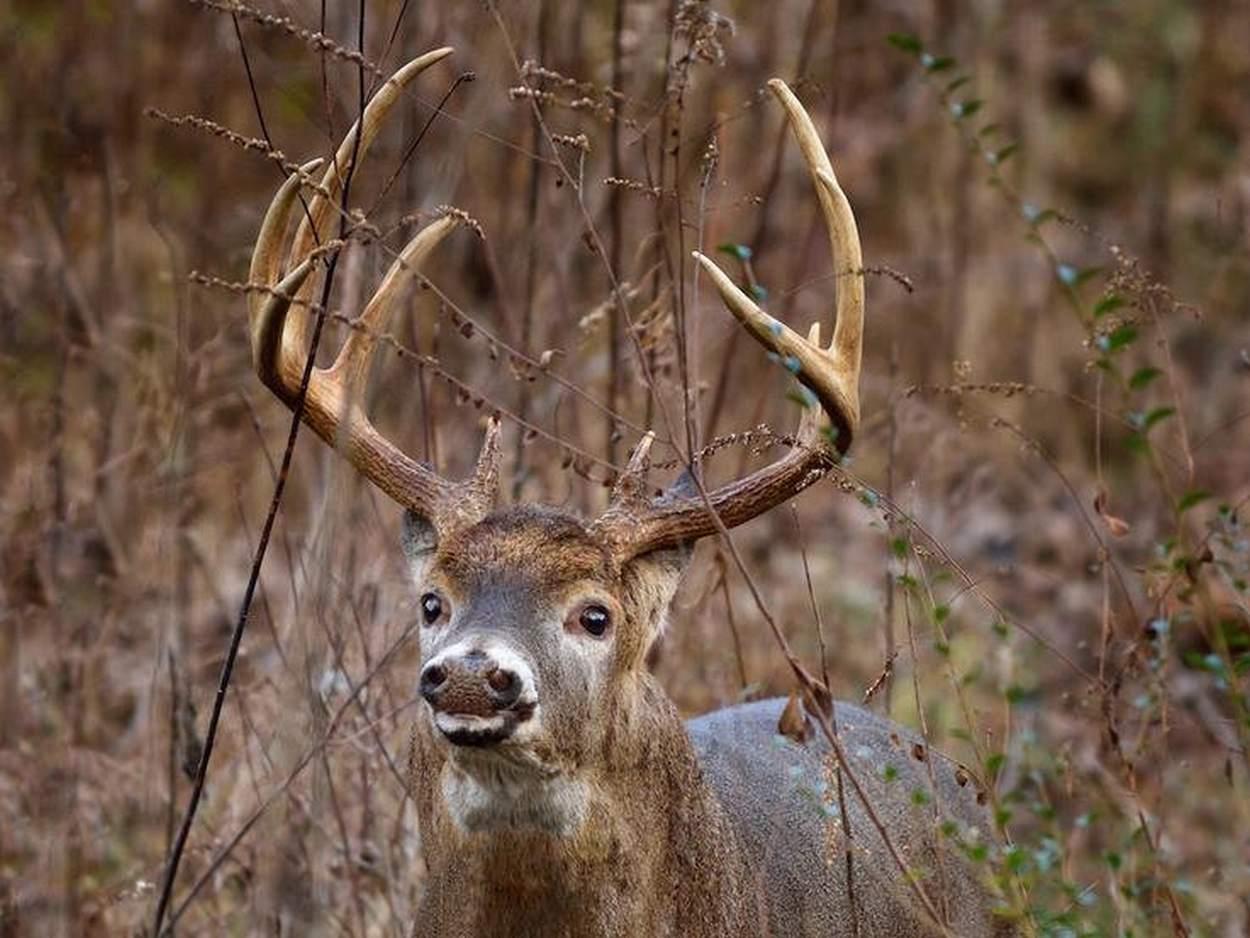
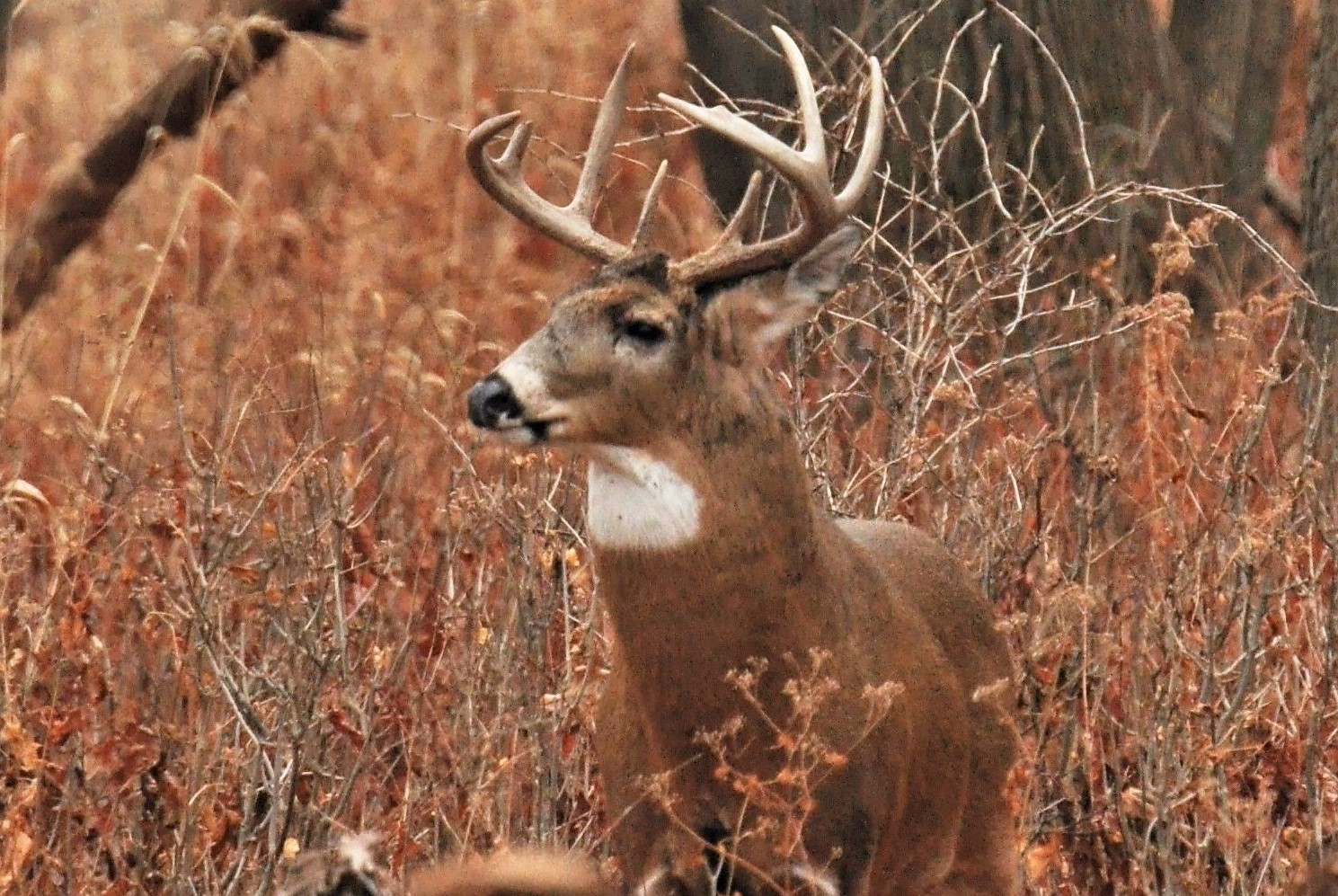
Bucks are attracted to does!
Image realtree.com

Adaptive Resource Management: A Principle for Deer

Managing a white-tailed deer population is about changing what you are doing in response to an ever-changing deer herd in order to achieve desired results. In one instance it may be perfectly justified to harvest every doe that a hunter sees.

This would make sense on a property with a very high deer density. It would even make sense on a property with a very skewed buck to doe ratio, where bucks are in short supply and does are numerous. But at some point the increased harvest of female deer should achieve the desired results.

It may take a season or two or three or even longer, but then that practice is not necessary.
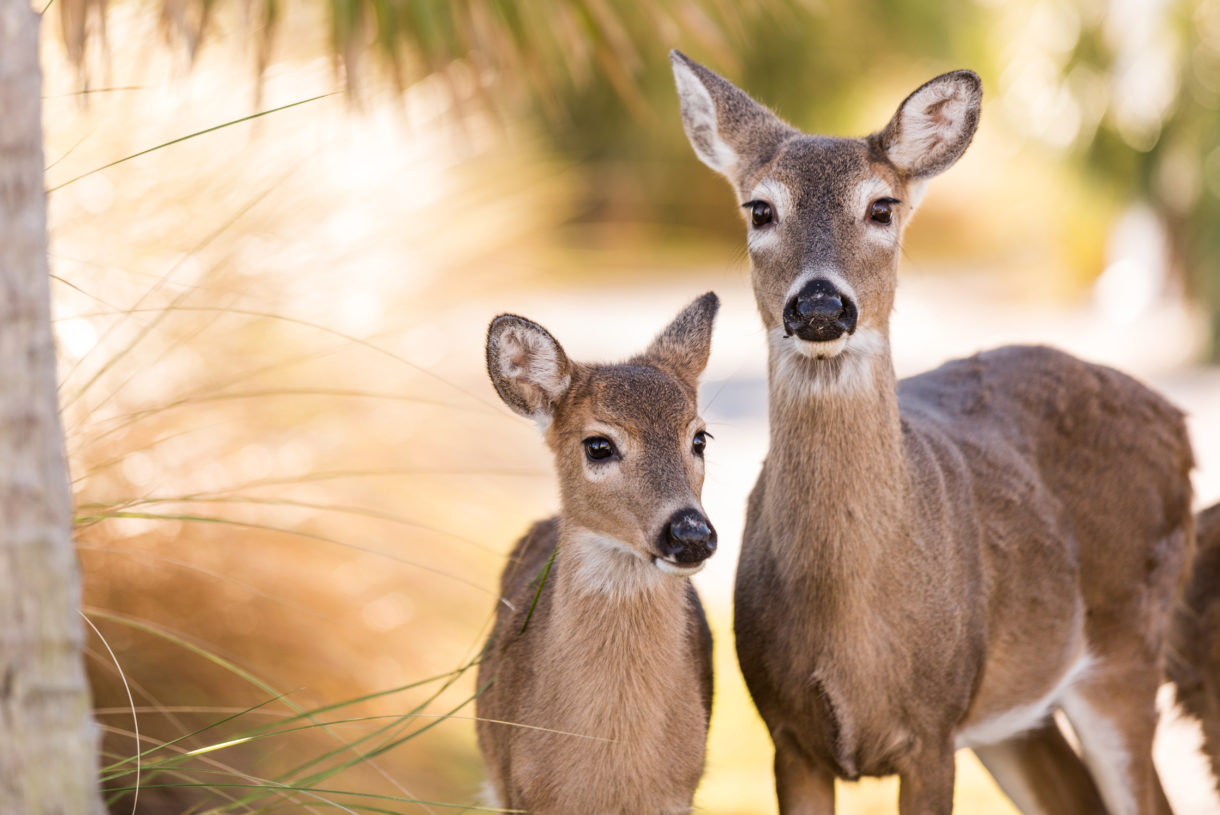
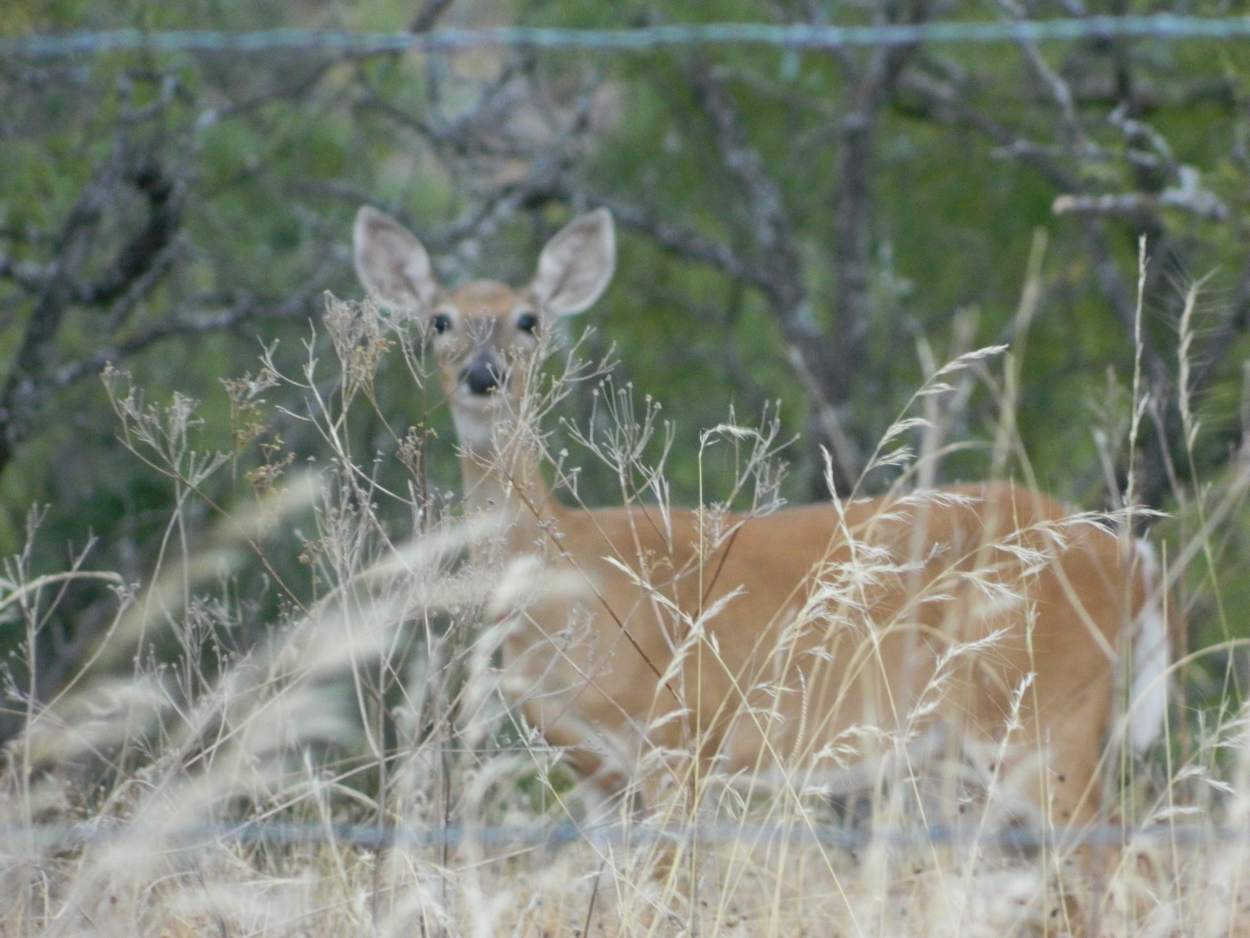
A doe with a fawn.

At some point, the harvest management strategy of “shoot every doe in sight” becomes something different. It has to change or you will have very few deer left. Management means adapting to a new deer herd each season. Otherwise you are simply hunting, rather over-hunting as in the prior example.

The new harvest strategy may be one where only enough does are harvested to maintain a specific deer density or the new goal may be to maintain a particular buck to doe ratio. Ideally, adaptive harvest management factors in deer density (impacted by fawn production) and ratio goals as the deer population changes each year.
Texas to Change Deer Management Program

MLDP in Texas

Private property comprises well over 95-percent of Texas, so most white-tailed deer management and hunting takes place on private lands within the state. Years ago, Texas Parks and Wildlife Department (TPWD) initiated a deer management program called the “Managed Lands Deer Permit (MLDP) Program.”

The program is intended to improve habitat for native wildlife by assisting landowners interested in enhancing, managing the whitetail herd found on their properties.

MLDP Program to Change

Better Habitat Through Deer Management

The concept of the deer-based program was put habitat management on the ground where wildlife are found and reward landowners willing to participate by providing property-specific harvest recommendations, longer hunting seasons and harvest permits.

Since the program’s inception in 1999, the number of cooperating landowners and the amount of land enrolled has grown like wildfire, which includes 9,500 landowners and 24 million acres. Now, the MLDP program may be a victim of its own success.

Alan Cain, white-tailed deer program leader for TPWD said, “We need to find ways to simplify the program, make it more efficient, meet the diverse needs of landowners, and still accomplish the program’s goals, which include building and maintaining relationships with private landowners and engaging them on conservation and habitat management.”

Deer Management Improves Wildlife Habitat

Texas Deer Tag Programs Rolled Up

Source: “TPWD is considering proposing to combine the MLDP and LAMPS programs and offer two managed-lands options: a conservation option and harvest option.

The conservation option would mirror the current MLDP program, with landowners agreeing to several requirements, including collecting and providing annual deer population and harvest data to TPWD, as well as engaging in a minimum number of habitat improvement practices. TPWD would provide a harvest recommendation for that specific property.

Under the harvest option, requirements would be considerably reduced or eliminated, harvest quotas would be determined based largely on the deer population/density in the general region, and antler restrictions would apply if the property is in one of the 150 or so Texas counties in which those restrictions apply. The extended (Oct.-Feb.) hunting season would also apply.

Texas Deer Hunting Programs

Creating the two options would allow TPWD staff to concentrate their technical guidance efforts with landowners who want to make the most of state biologists’ expertise and get site-specific recommendations through the conservation option while spending less time on properties under the harvest option but still maintaining contact and interaction with those landowners.

Agency staff plans to offer recommendations for proposed changes in the programs at January’s Texas Parks and Wildlife Commission meeting. Any that are adopted won’t take effect until the 2016-17 hunting seasons.”

Deer Hunting in Perspective

Why do We Hunt?

We are all born cold, wet and hungry. That’s why it’s human nature to be a hunter. When we hear the question, “Why do people hunt deer and other game?,” we all know it’s in our genes. Whether we hunt or not, we all know it because we all hunt — for one thing or another.

For those lucky enough to be exposed to white-tailed deer hunting at an early age, those first few outdoor experiences can light a fire inside us that lasts a lifetime. Someone mentoring another to hunt is nurturing a wise use of nature.

Why do People Hunt?

It was awesome being a youngster back in the day, waiting with as much anticipation for the opening day of deer season as I did for Christmas, probably even more. Even now, it’s still pretty darn exciting.

Hunting can be super intense, usually for mere seconds, but most non-hunters would classify the majority of the time spent hunting at “boring.” Hunting game animals requires a fair amount of time and there is not always a reward that can be easily shown for it; sometimes it’s only inside us.

Deer Hunting is Focus

Hunting was also simpler back when I was a kid. Of course, everything is simple when you’re young and unable, or maybe just unwilling, to interject the complexities which adults like to bring to situations. Do we need to deliberate over which broadhead or rifle caliber is best for killing something? No, they all do the job when used properly.

While less than 10 years old, I got swept up into chasing critters  — dove, quail, ducks, geese, the whole lot — and putting real, organic food on the table at a time when white-tailed deer management on private lands was in its infancy and full-blown, guided deer hunting was not yet widespread.

In fact, “organic” was implied on the food we ate. It didn’t need to be labeled as such. Times have definitely changed, but have hunters?

Reasons why people hunt deer, wildlife vary.

Hunting to Keep Score

Source: “If another kid under the age of 10 comes up to me and gives me the Boone & Crockett score of the buck they shot or says something like, “Dad shot a buck last year but it was only a 140” I will scream.

It is perfectly natural for kids or adults to become excited with the prospect of shooting big bucks but the fact is in the state of Texas we have created an unhealthy obsession. Many young hunters are so antler crazy they have zero regard for the deer and measure their hunting experience only by what a tape measure can show them.

Why we hunt deer is each hunters own decision.

The industry itself has not helped matters.

Trophy bucks that cost hunters between $5-$10,000 to shoot are paraded around hunting programs and many outdoors magazines like they are the only measure of a good hunter.

I have nothing against folks with money but what these deer in most cases are is a sign that a hunter could afford to hunt on the right high fenced ranch.

Fishing has not quite reached this level due to far more public access and the fact catching big fish still requires a skill set. These days the only thing required to shoot a monster buck is a monster payday.”

Deer Hunting in Question?

Why do You Hunt Deer?

The “hunting industry” takes it’s licks from time to time from hunters and non-hunters alike. But let’s face it, everything is controversial now days. Spoiler alert: The things that get the most attention in big media are actually of little consequence to most of us in our daily lives. That’s why I canned my live TV subscription. I can read the (often divisive) headlines online.

As a rule, we should not apply the standards of others to our own lives. Don’t size up your job, house or vacation against that of a friend’s seen on Facebook. As hunters, we should not measure the trophies of others against our own. Don’t use another’s tape measure of success to define your own.

Why do hunters hunt?

We hunt game animals, but hunting is not to be gamed. We all have our reasons for why we hunt deer and other wildlife. The hunting community shares those reasons, for which there are really only a handful, for the challenge, food, recreation, tranquility, our heritage, and it’s in our DNA.

Deer hunting is still as simple and pure as we make it. We can improve the habitat found on our lands by maintaining the deer herd. We can manage the deer populations that use our properties, whether it be 10 acres, 100 acres or 10,000 acres. We can put food on the table, something that literally and figuratively satisfies our innate hunger to hunt.

Every hunter chooses the conditions under which he or she releases an arrow, pulls a trigger, takes a deer. We all have our reasons. Why we hunt deer and other game animals is our own business. We define our trophies in different ways. There’s plenty we could argue about in this world. Each and every deer I’m lucky enough to harvest is still a trophy to me.

Deer Management and Culling: What Would You Do?

Freak Buck?

Question: “Is a 3 1/2 year old freak a cull buck? We are trying to manage the doe density and take some cull bucks to better the buck herd, but one hunter on our property took a 3 1/2 year old freak that was not on the hit list as a cull buck. The hunter is claiming that he in fact was a cull.

I’m not in anyway arguing with the hunter about his decision, it’s just I thought we were trying to manage our doe population first and then the bucks second. I know in my heart that I would have taken a doe over taking this 3 1/2 year old freak that was healthy.”

Buck Harvest & Deer Management

Buck Harvest Considerations

Response: First, a “freak buck” could be one of many things. It could be deer worthy of culling if it’s on the low end of the spectrum for bucks in its age class or it could be a rarity that sits on the upper end of the bell curve, a buck of freakishly large proportions.

The latter would be a buck that you would definitely want to get some age on. This would allow the buck to pass on his genes and achieve maximum antler growth. Selective harvest of individual bucks will result in little to no real change in the quality of the future deer population unless part of an overall deer management program.
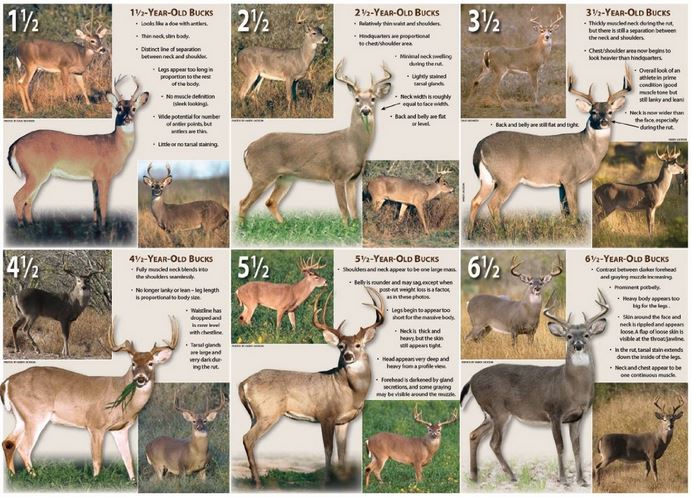
Aging Whitetail Bucks for Selective HarvestA buck that’s only 3 1/2 years old is not nearly topped-out, but the antlers sitting atop his head tell a lot about his future. First, let me just say that culling is subjective and depends much on the deer herd found in an area. It also depends on the amount of acreage on which selective buck harvest can occur; larger acreages are more likely to see results if all aspects of habitat and nutrition are addressed.
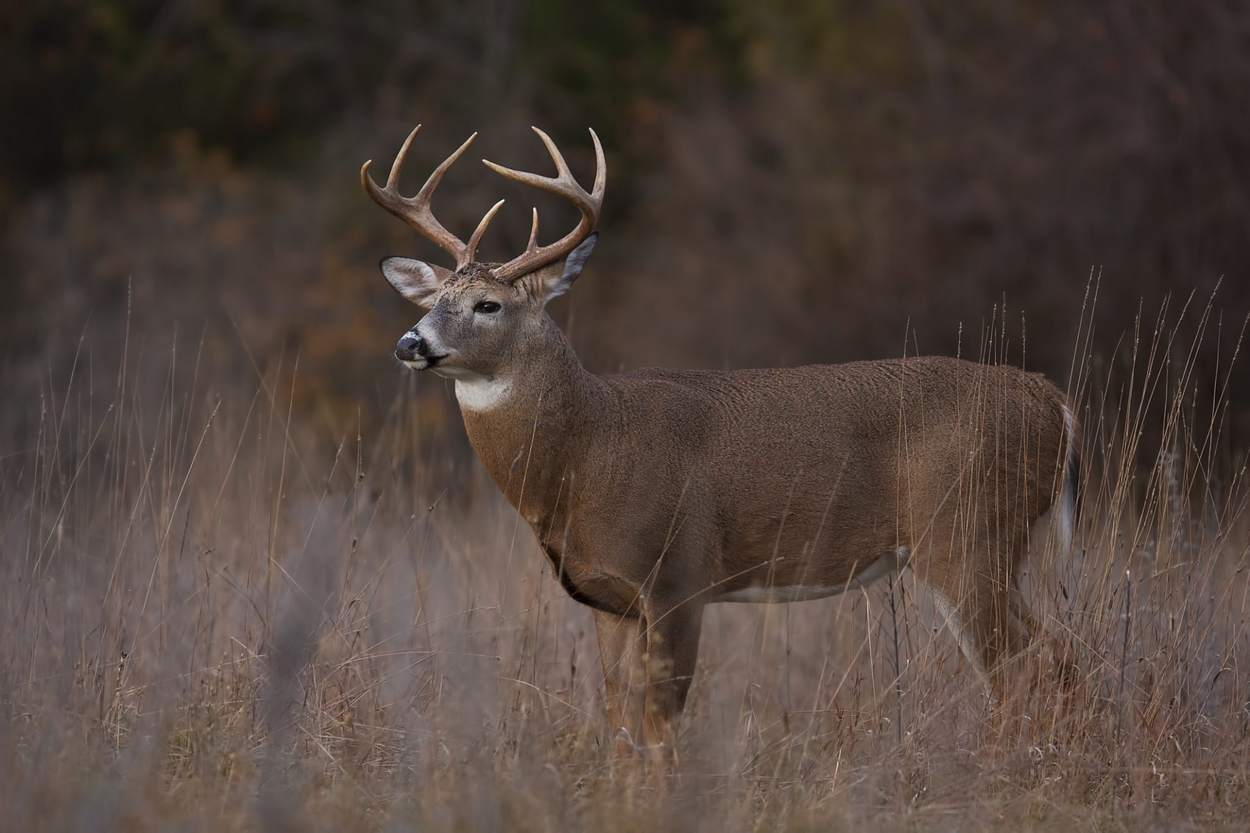
Even then, much of those results will be from maintaining a proper deer carrying capacity, allowing the deer on the property to have optimal nutrition. In the question above, this sounds like this is the case. However, there are some general guidelines that I can offer for selective deer removal that may help in this situation with the management of your deer herd.

Buck Harvest: Does Culling Work?

Any whitetail buck that is 3 1/2 years of age or older with 8 or fewer antler points should be considered for harvest. This is the type of buck often deemed a “management buck.” Any buck that is 2 1/2 years of age or older and lacks brow tines (G1s) should also be considered for culling.

Most hunters and landowners interested in deer management would not want to promote these types of antler characteristics into older age classes within a deer herd. These recommendations are just a place to when it comes to selective buck harvest. If you do not have a lot of bucks in an area then your primarily objective will likely to be to get bucks into older age classes for harvest, not micro-managing the buck segment of the deer herd.

Likewise, if you have way more deer in an area, more than the habitat can support, then your primary objective should be to reduce the deer population. Shooting freak bucks, cull bucks or those deemed management bucks will make almost zero difference until the entire population can be addressed. I think this was the main concern in the initial question; Don’t worry about nitpicking bucks until the deer population is where it needs to be.

Deer Management Improves Wildlife Habitat

Planned Management of Deer

The most important aspect of any management program for deer is determining the short-term objectives that must be implemented in order to achieve the long-term goals, whether it be improving the buck to doe ratio, selectively removing bucks or simply decreasing the deer population. In this case, it sounds like the objectives were either not well understood or totally disregarded by the hunter.

Even with a management plan is place that includes short-term objectives to reach long-term goals, each and every hunter on a property needs to be aware that such a plan is guiding the decisions made on a property. There is no doubt that mistakes will be made, but we can’t hold people, including hunters, at fault for crossing lines that they didn’t know existed.

The best way to minimize mistakes among hunters is to collect game camera photos prior to the season, sit down with those involved in the management program and clearly identify which bucks are on the “hit list” and which ones are not. Again, if you are really trying to improve the deer found in an area, selective buck harvest should only even be considered after addressing the deer population, habitat and nutritional limitations.

READ: What is a Cull Buck?

Best Time to Deer Hunt: Early in the Season

Best Time for Hunting Whitetail?

After each season, we as hunters must wait the better part of a year before we can head back out deer hunting. This built up anticipation, fueled by a treasure trove of game camera photos, drives optimistic hunters to the woods in mass, each in search of a heavy-horned buck.

As it turns out, deer respond to that increase in hunter activity by changing their behavior and movement patterns. To seasoned hunters this does not come as a complete surprise, but there are management implications that impact local whitetail populations. So hunter activity not only affects our hunting efforts, but also our effort to management deer.

Early Season Deer Hunting is Best

Anyone that has ineffectively attempted to hunt a specific buck knows what pressure does to a deer. After getting bumped from a bedding area, detecting a strange smell around a feeding area, or noticing anything abnormal in its core area, a seasoned buck will immediately change when and where it moves.

This change may be short-lived or long-lasting. It really depends on the level of intrusion and the demeanor of each individual buck on the response, but we know there is a response. Behavioral changes caused by hunters/hunting pressure also decreases your chance for success, and it goes for does, too.

Early Season Deer Hunting is Tops

Source: “Deer season is upon us. Surveys are being conducted. Deer cameras are being set. Managers are making harvest recommendations from these data. But let’s be honest, hunters across the country are more eager to hit the woods in search of that trophy buck than to spend time on reviewing harvest recommendations.

As part of most management programs, doe harvest is an important component that needs just as much attention as trophy bucks. Hunters see doe harvest as an inconvenience. Therefore, most hunters put off doe harvest until late in the season after they have had sufficient time to fill their buck tag. This, however, could cause hunters to fall short of their overall harvest goals.

Researchers from the Noble Foundation and Mississippi State University designed a study to address many aspects of deer behavior as it relates to hunting pressure. During the 2008 and 2009 deer rifle season, landowners and volunteer hunters from the community were invited to participate in a two-year study to determine how hunting pressure affects observability and harvest susceptibility of white-tailed deer.

When is the best time for hunting whitetail?

No archery or primitive rifle hunting was allowed prior to the study. Thirty-seven adult bucks (≥2.5 years of age) were equipped with GPS collars across the Noble Foundation Oswalt Road Ranch. Hunters were assigned to compartments at a high hunter density (one hunter per 75 acres) or a low hunter density (one hunter per 250 acres).

From this study design, researchers determined how hunter density and duration of the hunting season influenced observation rates of white-tailed deer.

Hunter observation rates of collared bucks were highest during the first weekend of the deer-gun season in both the low and high hunter density areas, but as the hunting season progressed, observation rates declined along with the movement of deer. The number of observations of collared bucks in both the low and high hunter density areas declined by greater than 60 percent across the 16-day deer-gun season.But what about does?

Hunters also collected observation data on does throughout the season and found similar trends. Observation rates were greatest the first weekend of hunting and declined across the low and high hunter density areas as the hunting season progressed.

Overall, deer modified their behavior to avoid hunters by moving less and using security cover, which made observation by hunters more difficult. Early in the season, hunters had greater success observing deer at higher elevations on the ranch where vegetation was relatively short and woody cover was sparse. Late in the season, deer chose areas that were more densely vegetated – areas with greater woody cover or along riparian corridors.

On properties with similar hunter densities, these results might explain decreased observation rates to hunters, and illustrate why it is important to adjust timing and intensity of harvest to help achieve population management goals. If you are like most hunters and feel that meeting population management goals is an inconvenience, consider harvesting does earlier during the season. And the more time you spend in the field, the greater your overall chances of meeting population management goals.”

Deer Hunting TIp: Go Early!

Best Time to Deer Hunt: Start Early

In short, it’s best if a hunter has access to a really large parcel of land with no other hunting pressure. Since this is rarely the case, the take home message for hunters is to take advantage of your hunting time early during the deer season. Research has found that early in the season is the best time to hunt deer. White-tailed deer will be much more visible. If you need to reduce the doe herd, do so early and avoid the urge to wait.

Deer hunting during the early season allows hunters an opportunity to achieve harvest and deer management objectives, with time on your side. An early start also gives you a great shot at your “hit list” buck. Otherwise, the animals you are hunting will be even more difficult to find as the season progresses.