Do Bucks Blow: Will They Blow at You?

Whitetail Sounds

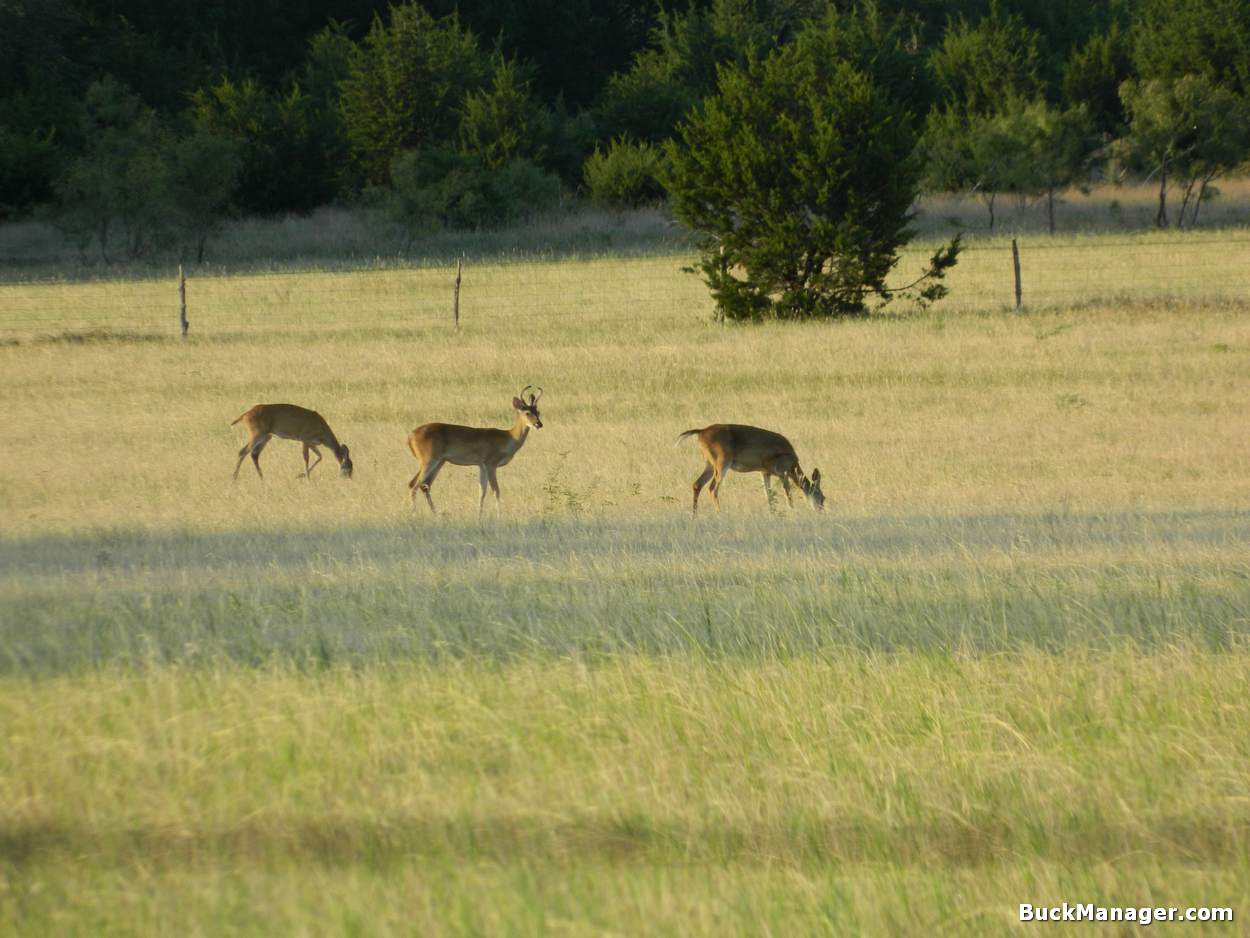
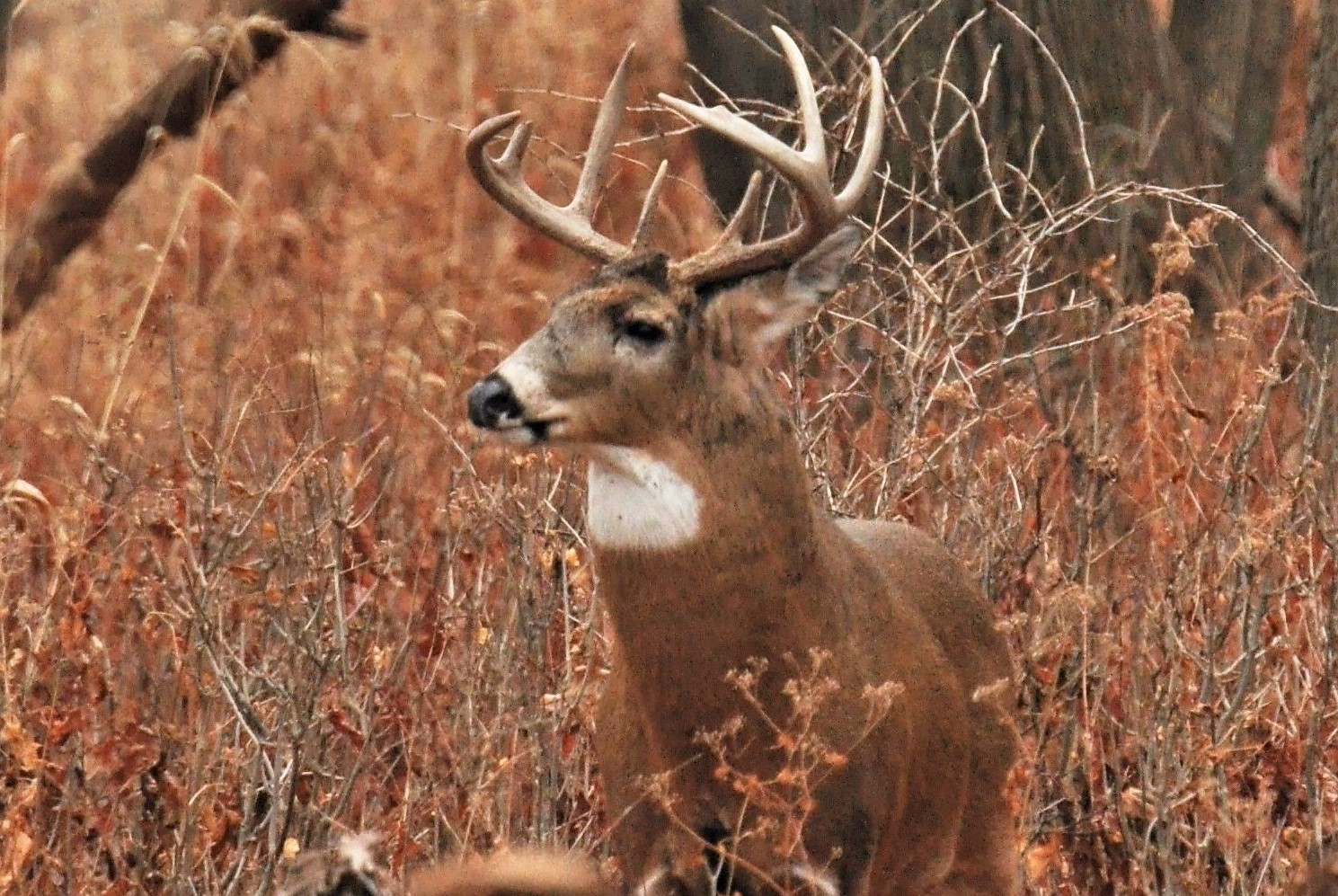
Typically, we hear or see whitetail does snort, but do bucks blow too. In fact, bucks will blow at you in the same situation as does, but older bucks do not always reveal their location by making such a racket.

White-tailed deer are one of the most hunted game animals in North America. They also have strong populations found throughout the US, with numbers in many cases exceeding the optimal carrying capacity of the landscape. When deer numbers are inflated, it’s tough on both native plants as well as a deer herd, but white-tailed deer keep on doing what they do. Deer are survivors.

Whitetail are keen animals. They have several senses that help keep them safe, but they also give physical and auditory cues to other deer in the area. This article discusses one of the sounds that whitetail deer use to communicate to one another, the snort or blow.
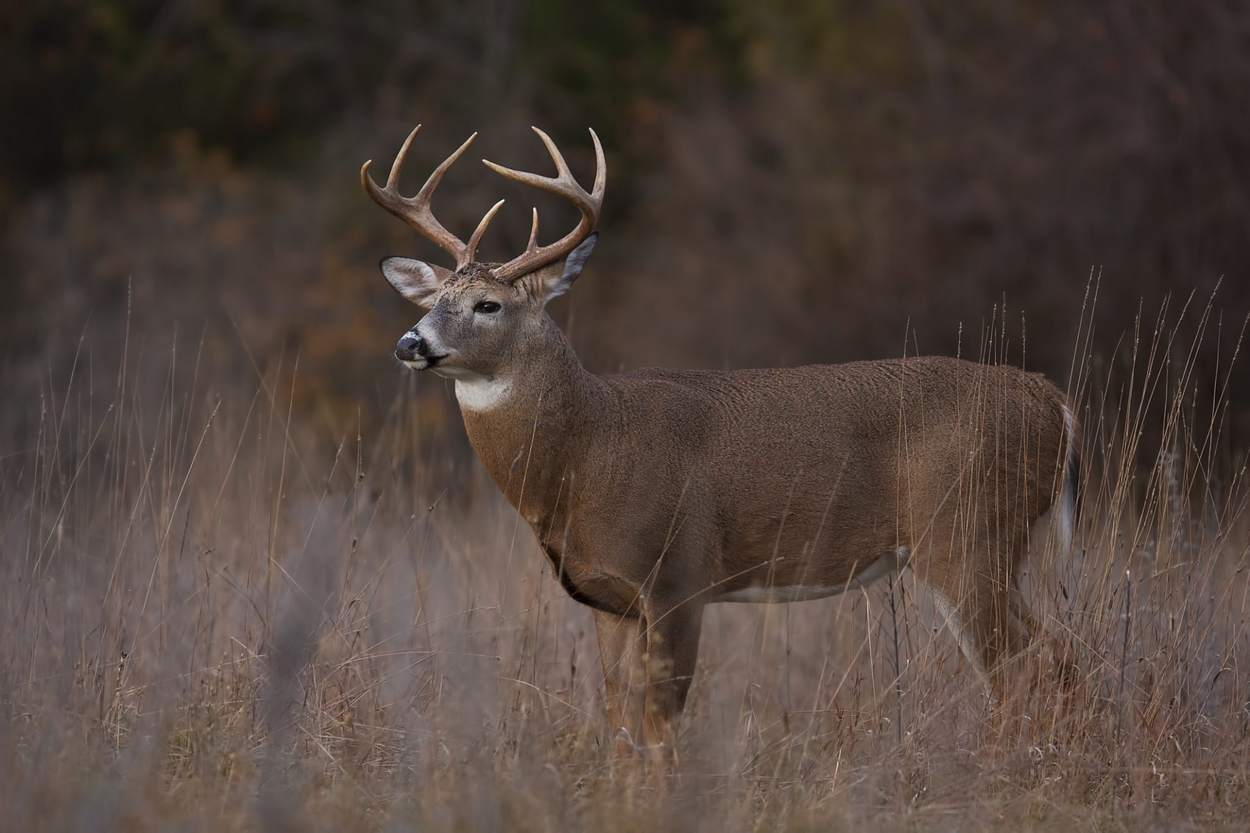
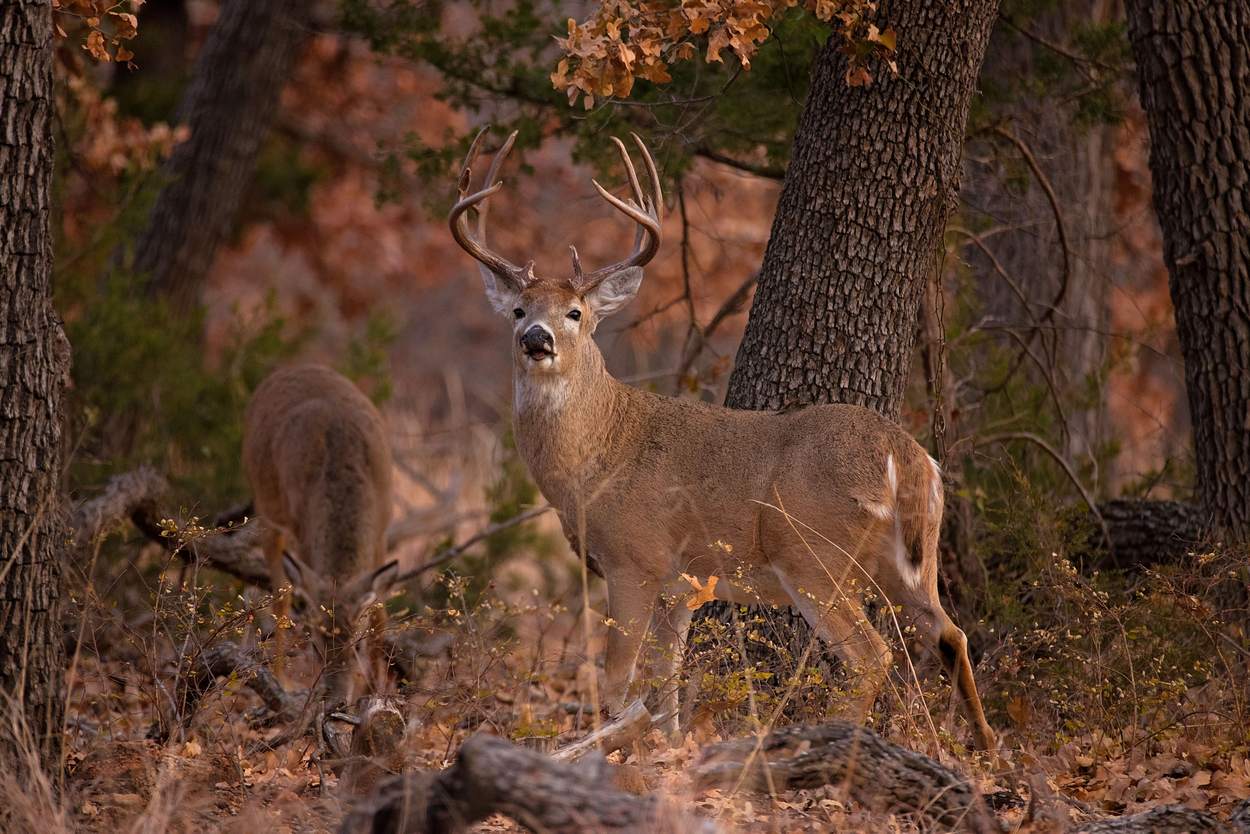
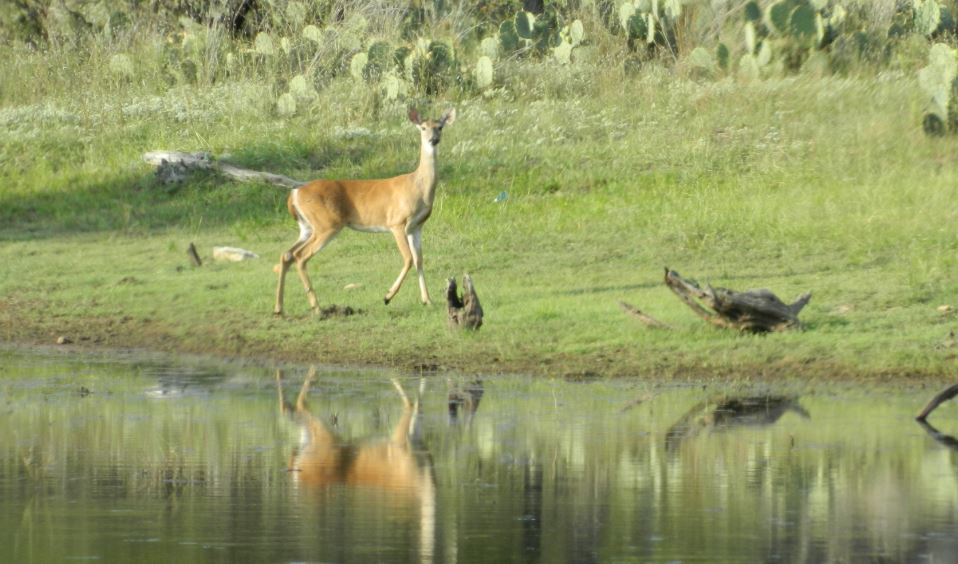
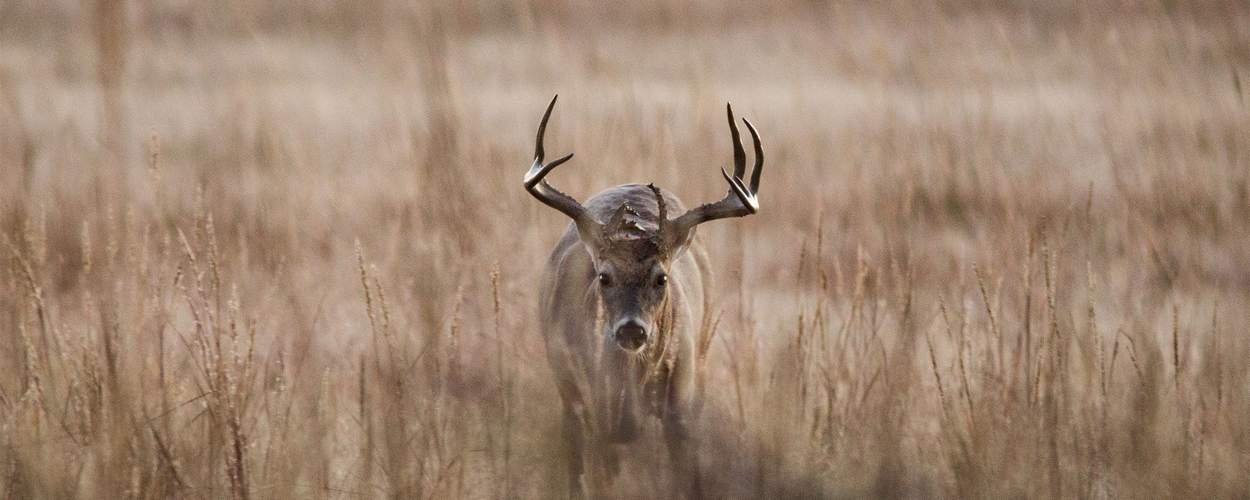
Is this buck going to snort?
Image aces.edu

What is a Blow or Snort Sound?

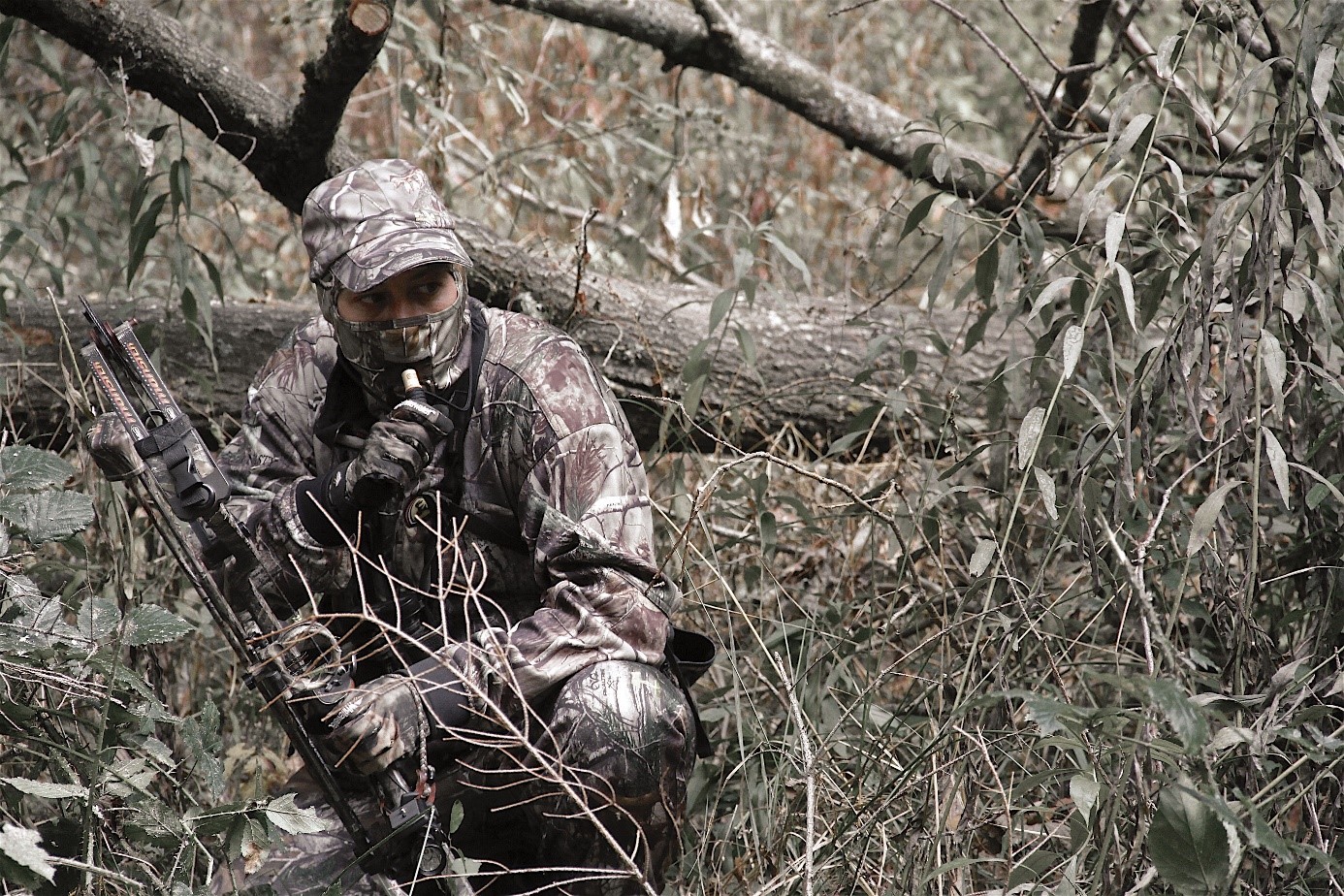
To a hunter, the sound of a buck or doe blowing is the worst sound in the woods. The sound means something is out of place. Deer know what the woods are supposed to smell like and a loud blow, snorting sound means they know something is there that should not be. Often times, hunters realized that they have been “busted.”

Every deer within earshot of the deer blowing is on full alert and is probably going to leave the area. Game over for that day or maybe even a few days.

The sound of a deer snorting is quite unique. The sound is created by deer forcefully expelling air from their nose. It sounds exactly like someone saying as loud as they can, “Shhhhhhhhhh,” as if telling you to be quiet, but incredibly loud.
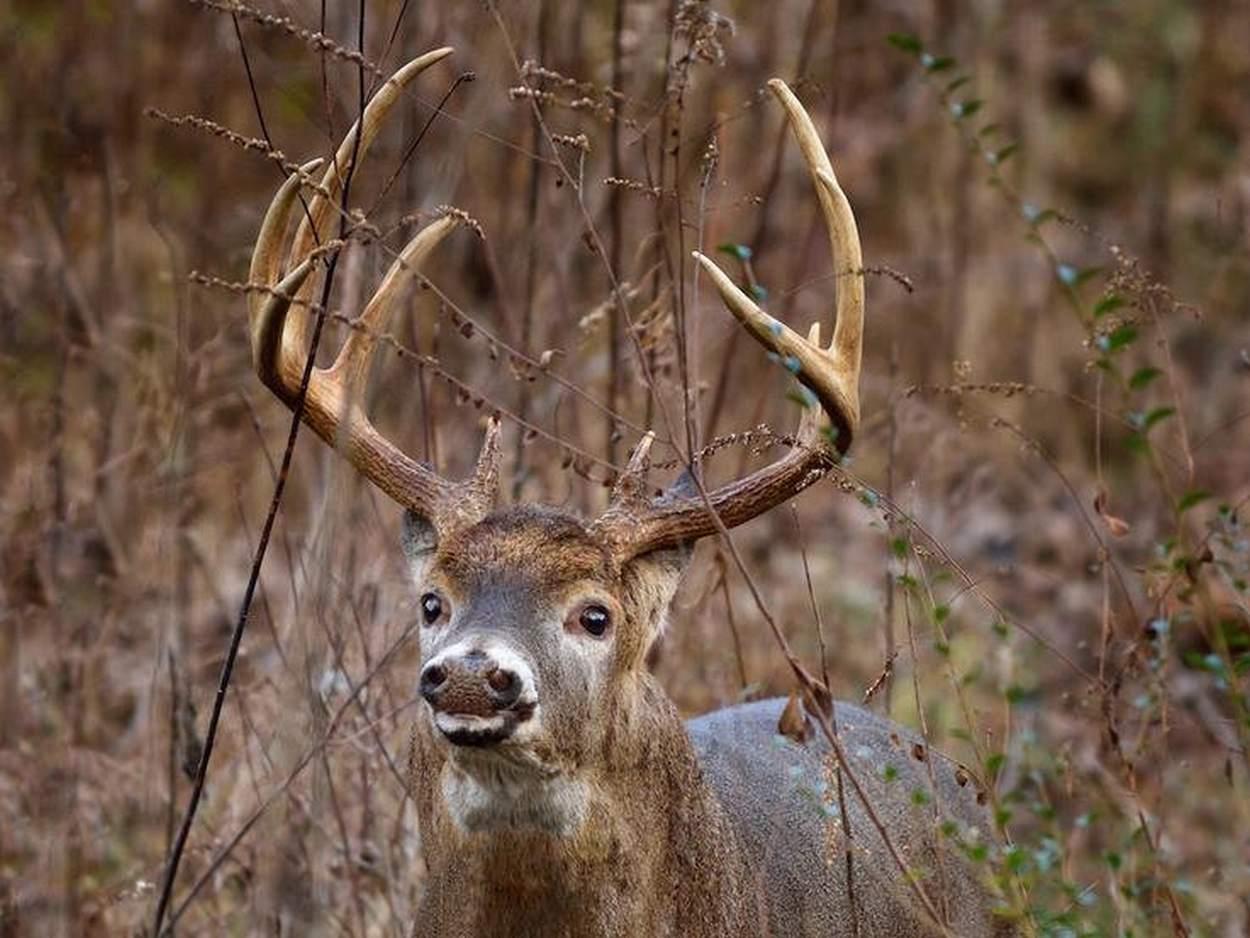
Whitetail Buck Blows Your Cover
Image realtree.com

When Will Deer Blow at You?

White-tailed deer have incredible sniffers on them. Bucks, does and fawns can smell really well with their nose, which is their best way of detecting predators, intruders. If sitting still, deer are much more likely to smell you they see you. Once they smell you, get ready for a loud snort!

Deer snort to tell the intruding person or predator that they are aware or their presence and also to let other deer know that something is awry. From my experience, does are much more likely to snort than bucks. Bucks do blow too, but younger bucks are more likely to snort than older bucks.

It seems older bucks are more averse to blowing and snorting because they just want to get out of there. So although bucks can and will snort, mature bucks are more concerned with getting away from the intruder than providing the intruder with its location.
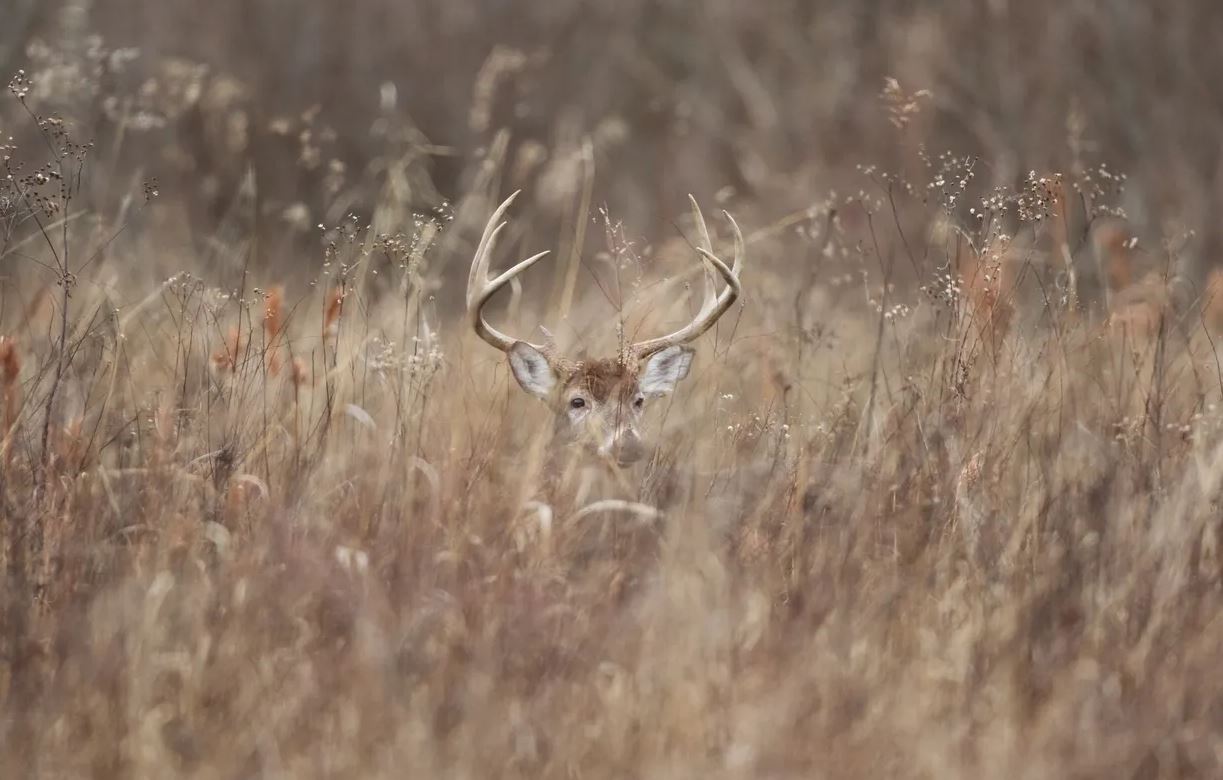
Buck snorting is natural.
Image pureairnatives.com

I’ve observed this behavior a number of times while hunting. When an older buck traveling downwind of me picks up my scent, rather than blowing to alert other deer he simply slips back into the woods in the direction he came (where it is still presumably safe). I’m sure this happens more often than hunters realize because in dense cover we can not see very far, but deer can pick up scent for a long ways downwind.

This is why deer hunters employ scent control strategies. Hunters try to minimize human scent and typically position themselves downwind of traveling and feeding deer. Deer can not smell you if your scent is headed the opposite direction.

Where Will This Happen?

A deer smells a variety of scents in its environment. Some are perceived as okay, some no so much. A whitetail knows which smells are normal and which ones are out of place. This is one reason why a deer living in an urban environment may not snort at you, but a young buck out in the country will blow at you 300 yards away. Different environments.

There is also a certain “scent threshold” that must be exceeded to alarm a deer. A faint scent and a deer knows there is something way out there, somewhere, but likely not a threat. However, a nose-full of human scent and the deer knows you are there, very close, and is suddenly on high alert. Get ready!

In closing, white-tailed deer use the action/process of blowing and snorting to alert both the intruder and other deer in the area. Both does and bucks do blow when they smell something out of place and they will blow at you, especially when you are in close proximity and they can smell, but not see you.
Pre-Season Deer Hunting: Prep, Safety & Beyond

Pre-Season Hunting Strategy

It’s mid-August and that means “go time” for pre-season white-tailed deer hunters. There is no doubt countless game cameras are scattered throughout the whitetail’s range right now documenting groups of bachelor bucks in all their velvet glory. In fact, I can’t wait for the next download myself!

The pre-season, however, is not just about stand placement, feeder filling, food plot preparation and eyeing the latest deer hunting gear. Yes, those are some of the things we all do as deer season approaches, but there is something more important that should be a part of our lives, especially hunters.

Pre-Season Deer Hunting Preparation
Image noble.org

Pre-Season Conditioning

It’s time to get into hunting shape, both mentally and physically. This gets more and more important with each passing year. We are not as young as we used to be. You know who you are. Join the club.

There is no better time than right now to start preparing for the physical demands of your next hunting trip. Climbing, lifting, lugging, drawing back a 70-pound bow and the sort can take a toll on a body, and physical preparation can go a long ways towards keeping you both healthy and safe.

Bowhunting the PreSeason

Staying in good physical condition should be a way of life. Unfortunately, many of us fail to maintain our desired level of physical condition. For me, like a lot of other hunters, it’s about priorities. We often put other things before ourselves, whether it be our families, our work or both.

However, it’s important we take care of ourselves for THOSE very reasons. Nothing is more important than making it back home safely to our loved ones, whether it be from the office, a work trip or a hunting trip.

Pre-Season Safety

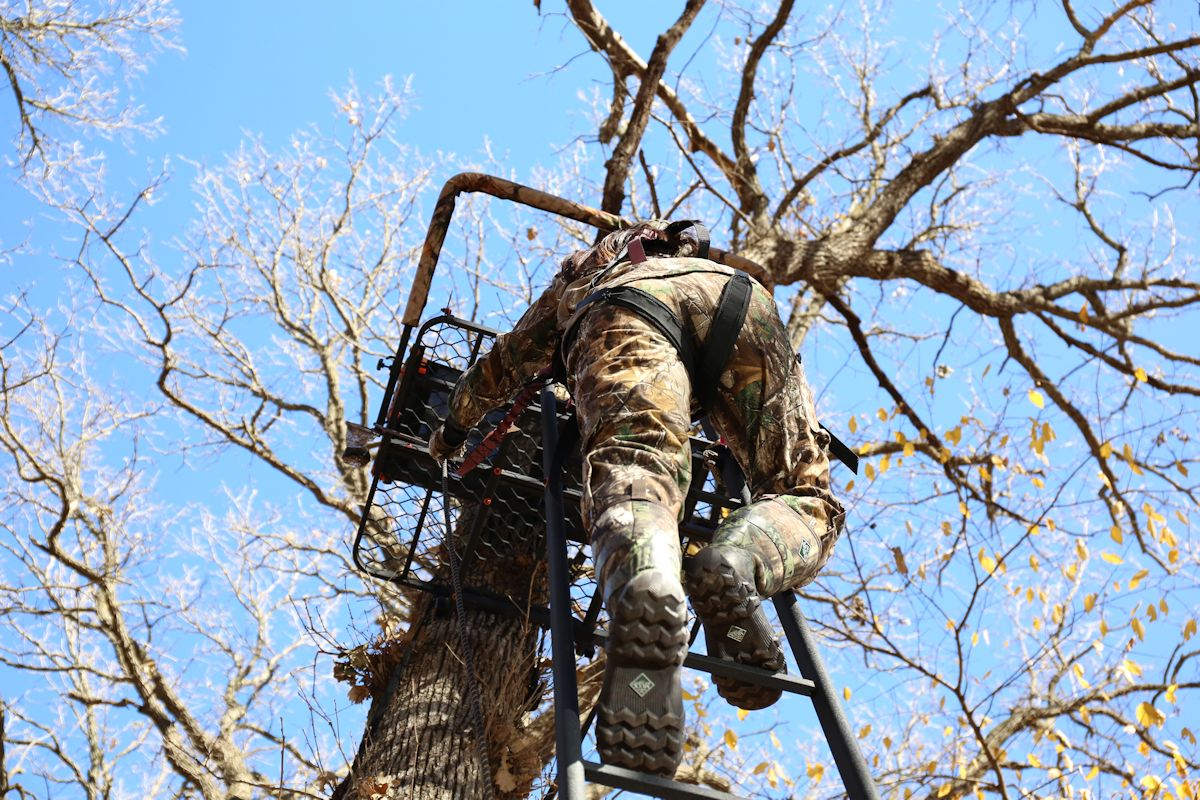
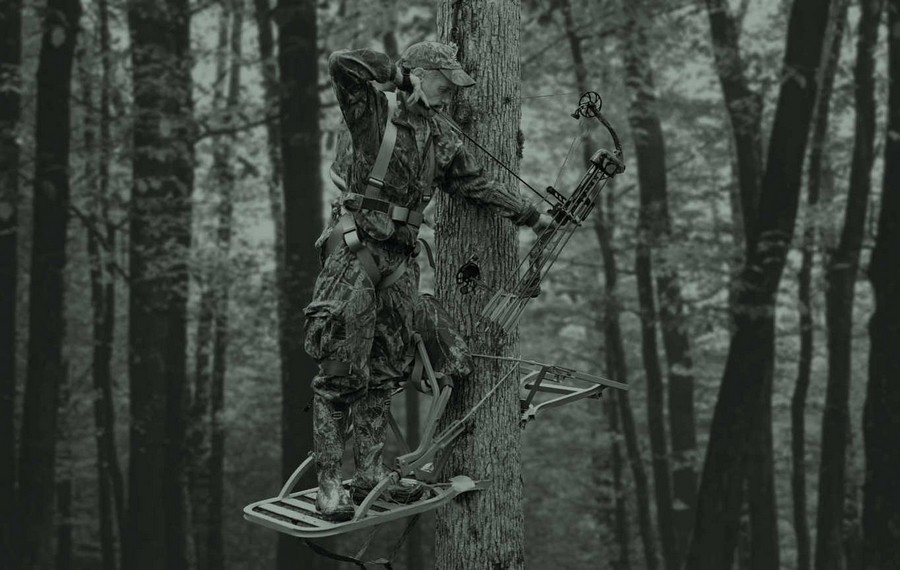
The month of August is officially Tree Stand Safety Awareness month. Each hunting season, unfortunately, a number of hunters do not make it back home because of accidents directly or indirectly related to hunting. Most hunting accidents are self-inflicted and can be avoided. As you prepare for the upcoming deer hunting season keep safety on the top of your mind, at all times.

How to Prepare for Deer Hunting Season
Image CobraArchery.com

Most hunters have careers that stress safety on the job. Maintain that training and awareness with you when you leave the job. Enjoy the pre-season prep as well as the hunting season itself, but take that safety-first attitude with you into the field.

From TreeStandSafetyAwareness.org

Tree Stand Safety Awareness (TSSA), a newly formed not-for-profit 501(3)c organization with the mission of educating hunters about treestand safety, has announced that August is officially Tree Stand Safety Awareness month. August, the month that most hunters start heading back to the woods to cut trails and hang stands in preparation for upcoming hunting season, is the most opportune time for treestand awareness. TSSA is looking to get hunters to start the season by putting safety first.

Safety Starts in the PreSeason
Image muddy.com

Treestand accidents are annually the #1 cause of death and serious injury to deer hunters and virtually 100 percent of these incidents are preventable by implementing three simple measures: First, wear a full-body harness when hunting from a treestand. Second, stay connected from the time your feet leave the ground. Third, make sure your hunting buddies do the same. It really is that simple.

TSSA encourages all hunters to take treestand safety seriously, every time you hunt from or hang a treestand.

More Deer Test Positive for CWD in Texas

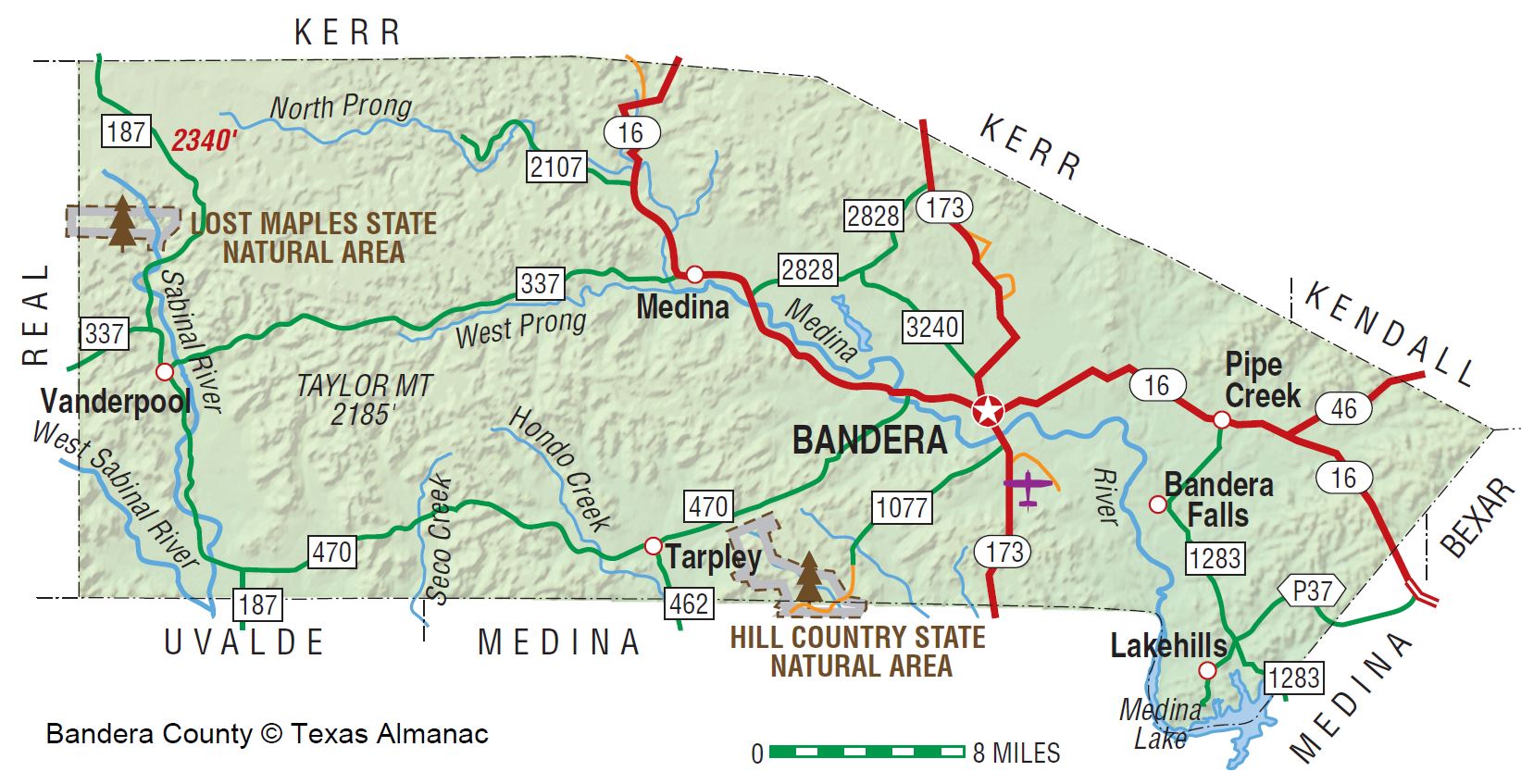
CWD in Medina-Uvalde County Area

Chronic Wasting Disease (CWD) was confirmed just over one month ago in a captive 1-1/2 year old white-tailed buck in Texas. The first deer to test positive for the disease, however, may not be alone. Reports indicate that at least two additional white-tailed deer have also (initially) tested positive.

The state, however, is awaiting confirmation from a second laboratory in Ames, Iowa, before making an official statement. If true, this would make at least three deer that have tested positive in a captive deer breeding facility in Medina County, Texas.

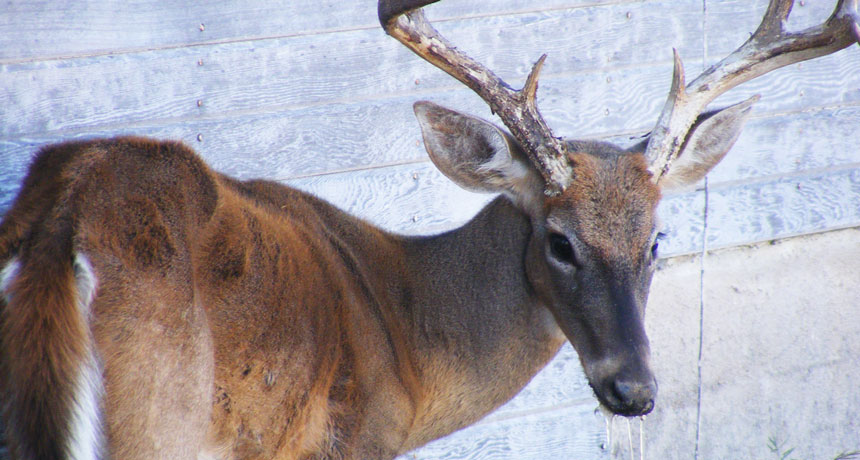
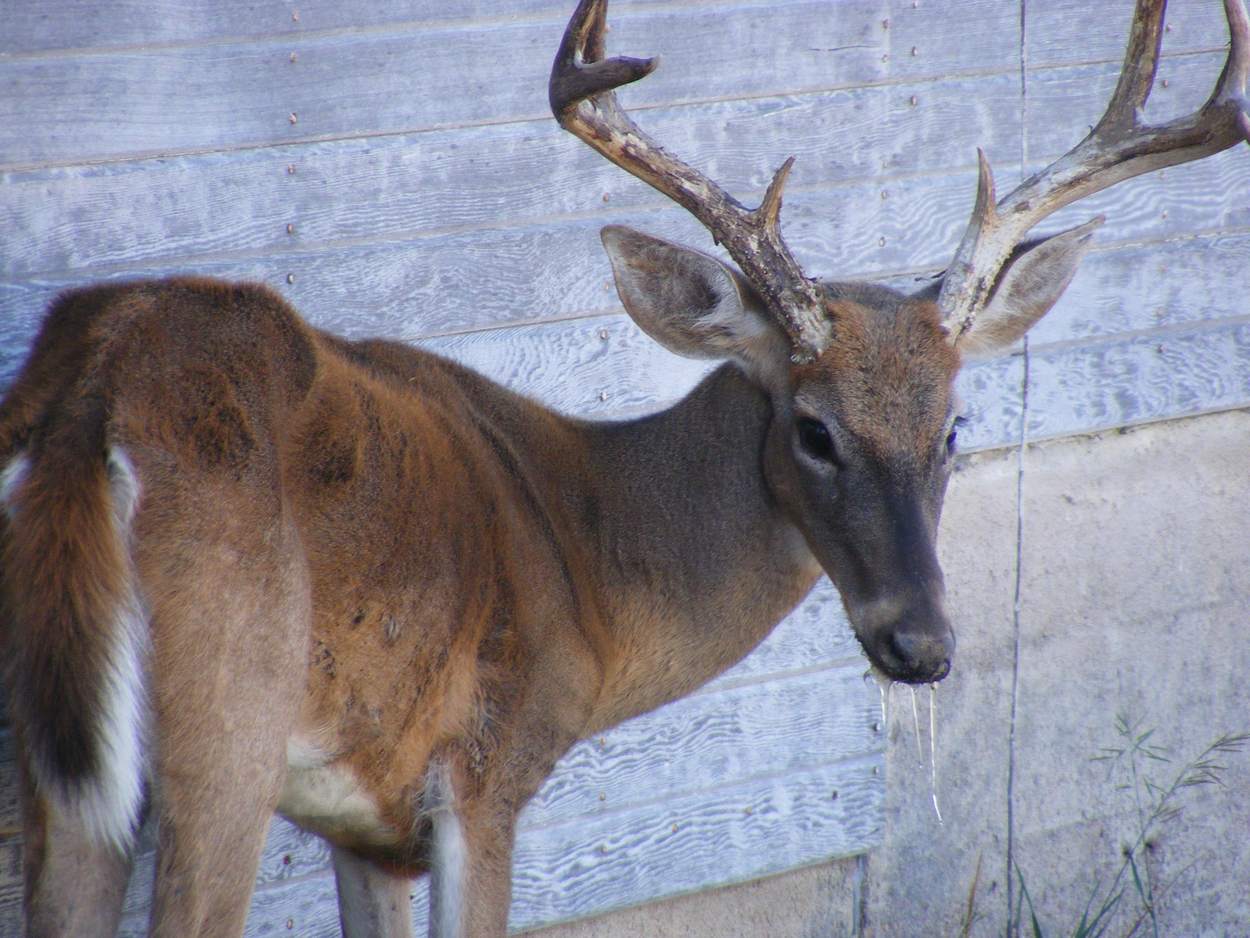
Whitetail Buck with CWD

CWD Containment?

The additional CWD-positive deer, at least in my thinking, makes the odds of having CWD contained to a single Texas deer breeding facility much less likely. Research on the deer disease has found that it can be spread quite readily within a herd, so it would have been a little short-sided for anyone to have believed the first deer that tested positive would have been the last.

If the report of additional deer testing positive turns out to be accurate, which seems likely at this point, then the captive deer breeding industry in Texas will be more than a little unsettled about having opened Pandora’s box.

CWD in Medina County

CWD Settles into Medina, Uvalde County?

Austin American Statesman: State officials said Saturday that two additional deer from a captive herd in Medina County tested positive for a contagious, degenerative neurological disease, a discovery that could lead to the annihilation of an entire herd of deer.

Two preliminary tests came back positive for CWD, but confirmation will have to wait until samples are tested by the diagnostic laboratory in Ames, Iowa, officials said. Results could be available by the middle of next week, said Josh Havens, spokesman for the Texas Parks and Wildlife Department.

CWD Positive Deer Found in Texas

… “We aren’t going to make a knee-jerk reaction regarding the rest of the herd without having results from Ames,” Havens said. He added that “ultimately any decision made will be based on what is in the best interest of the state’s entire captive and free-ranging deer herds.”

Texas CWD Update: 1,300 vs. 700,000?

Deer Hunting is Big Money

White-tailed deer hunting is huge in Texas. There are an estimated 700,000 deer hunters and 3.5 million whitetail in the state, making Texas number one in both whitetail hunter and deer numbers. Whitetail are important for the hunting heritage of state.

The “deer hunting industry” is estimated to account for over $2 billion annually, which according to my calculations makes each harvested deer worth about $3,400. That means each pound of boneless venison has a value of about $100. That puts things into perspective.

Deer Hunting in Texas
Image wildlifedepartment.com

CWD’s Impact on Hunting

In my book, wild, free-ranging white-tailed deer and deer hunting are simply priceless. It’s difficult to imagine a time when things could significantly change, and not for the better. At the time of writing, t’s been just over a month since chronic wasting (CWD) disease was found in a captive deer herd in Texas.

What will result from the discovery of CWD in Texas? What impact will this have on the deer population in the area where CWD is found? Has there been an overreaction or an underreaction? Will CWD impact the future of deer hunting in Texas?

Whitetail Buck with CWD

CWD Testing of Deer

Source: There are a number of additional factors influencing this matter. Currently, the fastest and most accurate CWD detection test and the only test recognized by the United States Department of Agriculture (USDA) is a post- mortem inspection of the animal’s brain tissue. Captive breeder deer in Texas are property of the state, held by permit to possess.

TPWD and TAHC have the regulatory authority to seize deer in pens for testing, but are going to great lengths to reach compromise and provide options to captive deer breeders, while balancing the risks posed to the native free-range herd as well.

There are ante-mortem, or live animal, tests available to detect CWD. Obviously, this is preferable over euthanizing deer. Unfortunately, these tests require multiple rounds over several months to reach an acceptable accuracy level. Additionally, these tests are not approved by USDA, meaning that Texas would lose “status” with USDA if live animal tests were relied upon and therefore not be able to transport deer across state lines.

Will CWD kill deer hunting in Texas?

If the decision is made to use these tests, then a quarantine period would be necessary on exposed facilities and two additional layers of trace-out facilities while testing is completed.

The scope and scale of captive deer breeders exposed to the index facility is huge. Over 10% of the captive deer breeding industry has direct Tier 1 exposure. For disease containment purposes, TPWD and TAHC must consider additional layers of trace-out facilities from those that are directly exposed. If an additional confirmed CWD finding occurs outside of the index facility, then the process starts all over again.

This could very quickly reach an enormous share of the captive deer breeder facilities in the state. TPWD and TAHC were absolutely correct to halt all movement statewide. Fortunately, July is the lowest period of captive breeder deer movement in the year.

Unfortunately, there is spike in captive breeder deer movement from mid-August to mid-September in preparation for hunting season. This is unfortunate because it creates a financial incentive for the captive deer breeding industry to push for movement restrictions to be lifted, perhaps prematurely. There is still substantial work to be done by TPWD and TAHC on testing and containment efforts.

White-tailed Deer Hunting Opportunities in Texas are Increasing

These agencies are literally working around the clock, but there are only so many qualified people and only so many hours in the day. They must be allowed to do their job in a careful way without outside pressure.

There are approximately 1,300 captive deer breeder permit holders in Texas, who hold approximately 110,000 deer in pens. For perspective, there are approximately 700,000 deer hunters and 3,900,000 free-ranging deer in Texas. The deer hunting industry at-large generates $2.1 billion of economic impact to the state per year.

Rural economies and even rural property values rely on deer hunting in some form or fashion.

Simply put, public faith in the health of the Texas deer herd (native free-range and captive) transcends the financial interests of 1,300 permit holders. TWA is working hard to provide that voice of reason in the discussion. As things develop more, I will continue to provide updates.

Best,

R. David Yeates TWA CEO

Predator Management Workshop for Whitetail Managers

Predator Control for Deer Hunting

There are no shortcuts to good white-tailed deer management. There are no silver bullets for producing quality, free-ranging bucks on private lands. It takes work, time and some patience. There are many techniques for managing deer populations and all focus on different aspects of the whitetail herd and they habitat they require.

Providing healthy plant communities should be paramount for any property practicing quality deer management, but sometimes overabundant predators in an area can be one of the primary problems. This is especially true in areas where deer numbers are relatively low.

Predator Management for Better Deer Hutning

Coyote Control and Deer Management

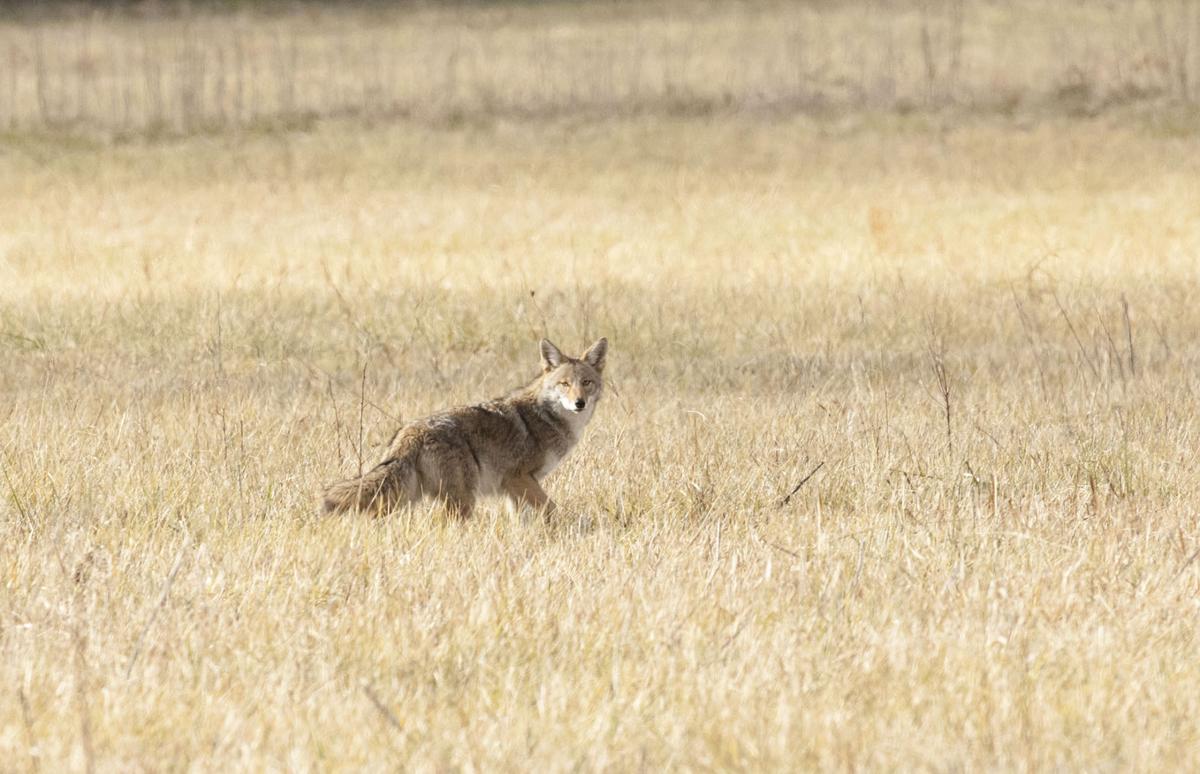
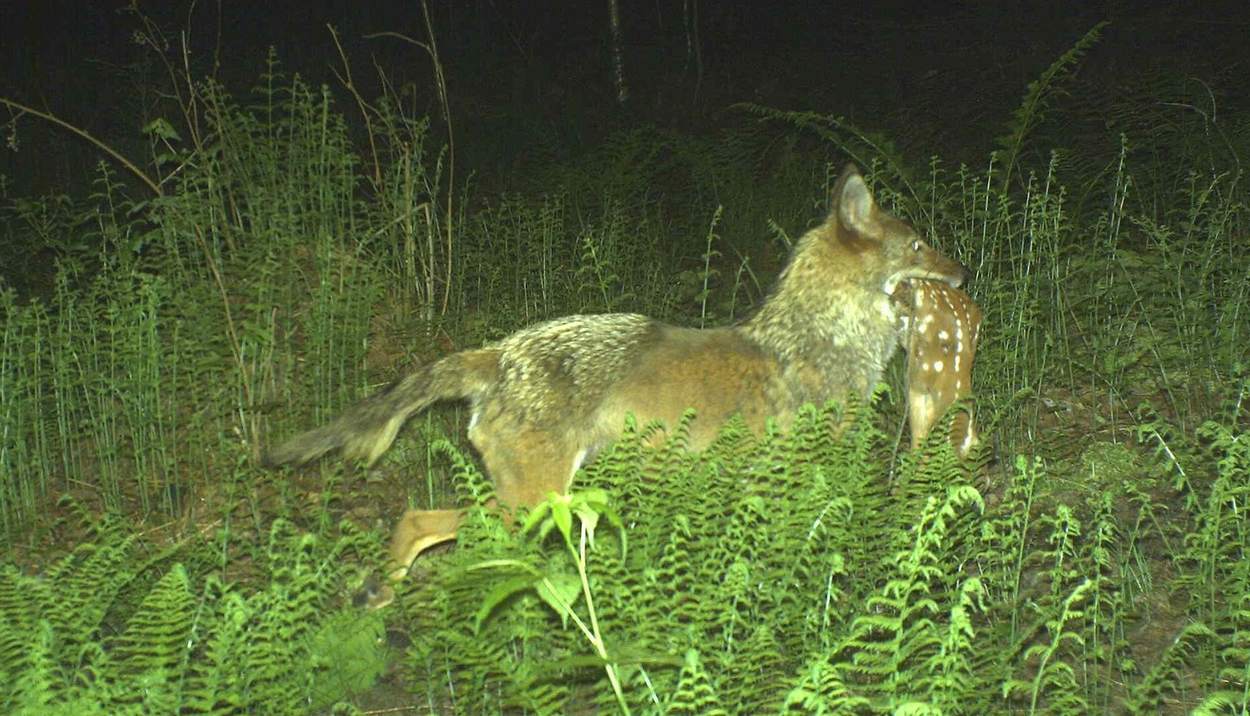
Predators, particularly coyotes, do play an important role in the areas they are found. The diet of the coyote is varied, but they are well known predators of fawns as well as adult deer. Coyotes are opportunistic and eat what is available, so they can have a heavy impact during the fawning season.

In some situations, coyotes can keep a whitetail populations below the deer carrying capacity of an area by limiting fawn survival and maintaining the deer herd below a productive threshold. The Quality Deer Management Association (QDMA) is offering a predator management workshop this fall to help landowners interested in addressing predator issues on their property.

Can controlling coyotes improve deer hunting?
Image Melissa McGaw

Reducing Coyotes, Increasing Fawns

QDMA: “Many QDMA members have said they want to learn how to trap so they can manage coyote numbers and fawn predation where they hunt. So, we’re announcing an exciting new addition to our Deer Steward Certification program: a Predator Management module! This intensive three-day course will take place September 11-13 at Ames Plantation in Grand Junction, Tennessee, and will be led by professional trapper Clint Cary (right), owner of Tactical Trapping Services.

Clint has been a speaker at our National Convention and Deer Steward courses, and now through this course he will teach all aspects of a predator control campaign, including: pre-planning, making successful sets, laying out a property for a campaign, trap modifications, lures, baits and other attractants, and more. The instruction will be a mix of in-class and in-the-field. Previous Deer Steward certification is not required to take this stand-alone course.”

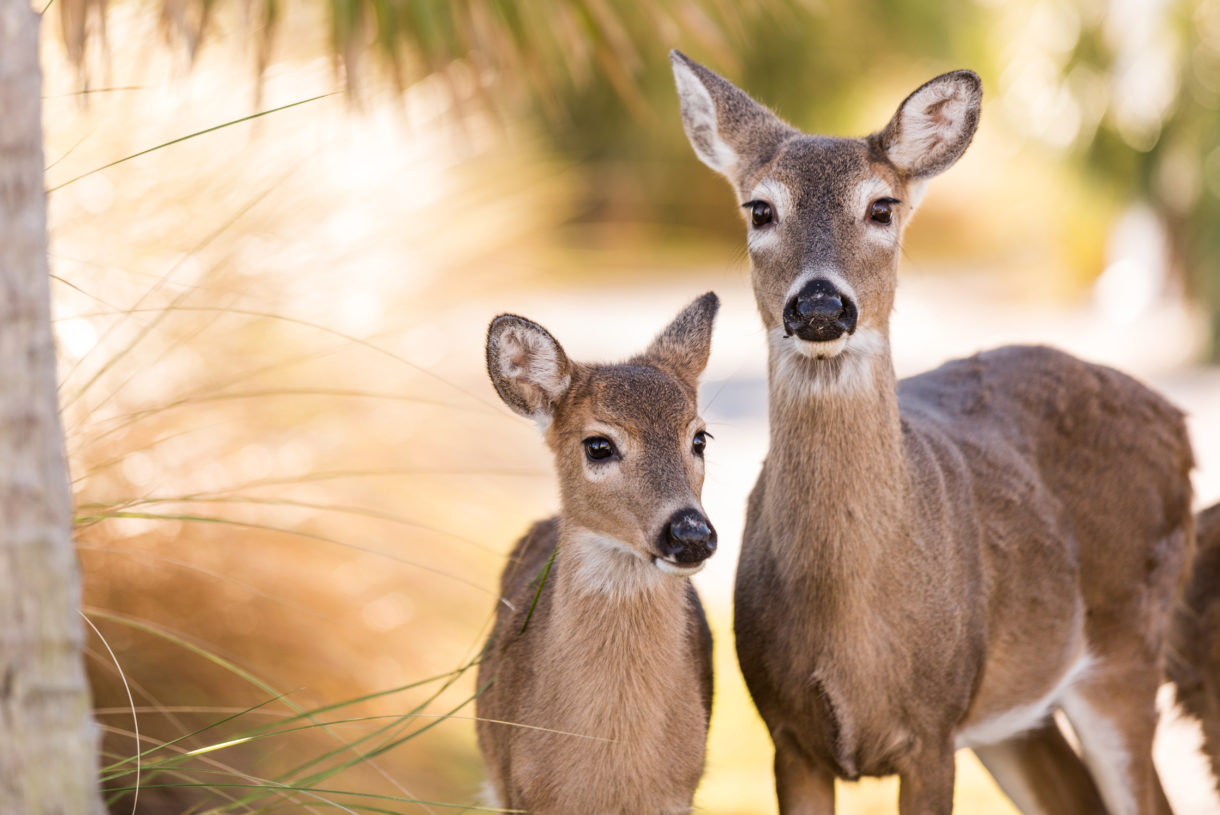
A doe with a fawn.

Predator Control Workshop Details

    • Date: September 11-13, 2015
    • Location: Ames Plantation, 4275 Buford Ellington Road, Grand Junction, TN 38039 (only 1 hour from Memphis airport)
    • Cost: $500 for QDMA members, $550 for non-members, $450 for Life or Sponsor members.
    • Instructors: Clint Cary of Tactical Trapping Services and Matt Ross of QDMA.
    • What’s Included: instruction, course guide, certificate, most meals (3), copy of Clint’s book, QDMA membership for non-member price.
    • What’s Not Included: breakfast, travel and lodging (lodging option reserved within 30 minutes, info provided after registration)
    • SAF CFE Credit: Approved for 5.0 hours Category 1-CF, 13.5 hours Category 2 credit.
    • To Register: Call (800) 209-3337