Carolina Buckthorn

Carolina Buckthorn

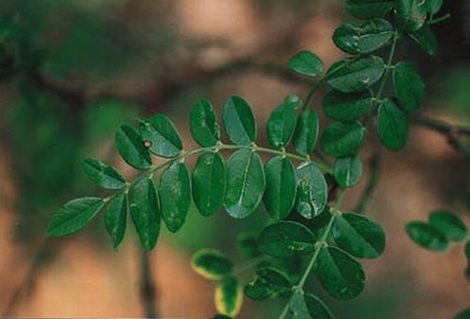
Deer Plant: Carolina buckthorn (Frangula caroliniana)

Class: browse; highly preferred

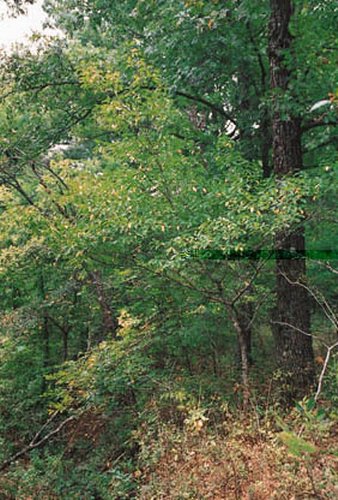
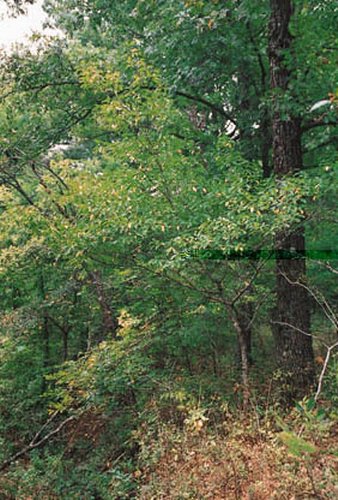
Description: A large perennial shrub or small tree occurring in the understories of forests, drainages and stream bottoms. This browse plant has large leaves and showy red (immature) and black (mature) fruit. The Carolina buckthorn fruit is eaten by some species of birds, but white-tailed deer relish the leaves.

This species can be a prolific re-sprouter after a fire.

Carlina buckthorn photos:

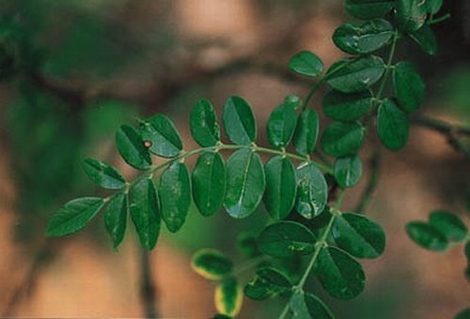
Carolina BuckthornCarolina Buckthorn

Trapping Deer Can Happen Accidentally

Trapping Deer Can Happen Accidentally

Trapping deer can indeed occur accidentally. Very few people actually attempt to catch deer because in just about every instance, to attempt to catch, capture, or even posses a wild white-tailed deer requires some sort of state permit. However, more whitetails are captured in some sort of trap than we probably realize. However, I imagine and hope most are not fatal.

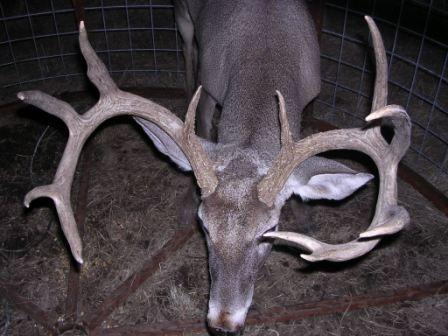
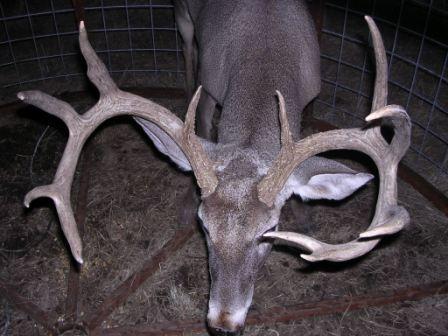
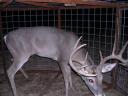
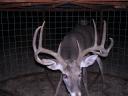
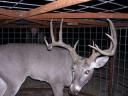
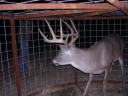
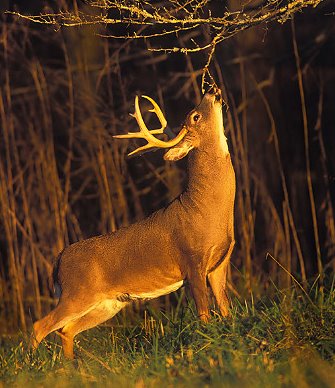
Typically, deer are captured as non-target species while hunters and trappers attempt to catch feral hogs or control predators such a coyotes. The white-tailed buck pictured here was inadvertantly trapped in a hog trap. The use of regular whole-kernal corn in hog traps is very effective at catching deer, so the necessary steps should be taken when using hog traps to avoid capturing deer.

Several precautions one can take when trapping hogs is to use soured corn, milo, rice, or other grain. The sour smell is attractive to wild hogs, but whitetail deer will avoid the smell and trap altogether. Deer do not like soured grains or acorns.

Make sure the doorway or entry to traps are built such that deer are discouraged from entering. Otherwise, make traps such as this with open tops so that “trapped” deer can escape by jumping out.

Another way deer can be wrongly captured is with the use of snares. Many people will use snares in an attempt to captured wild dogs or coyotes, but deer will sometimes use the same trails and fence crossings as these animals. Take caution when setting out snares because deer and other non-target species could end up in them. It would be a shame to take the biggest buck you ever layed eyes on in a snare!

If you do happen to catch a deer in a trap, the best way to get it out is to wait until dark and approach with a flashlight. Blind the deer with the light, open the door, and get the heck out of the way!

Trapping Deer Can Happen AccidentallyTrapping Deer Can Happen AccidentallyTrapping Deer Can Happen AccidentallyTrapping Deer Can Happen Accidentally

Texas Sophora: A Great Browse for White-tailed Deer

Texas Sophora: A Great Browse for White-tailed Deer

Deer Food: Texas sophora (Sophora affinis)

Class: browse; highly preferred by deer

Descritption: Texas sophora is found growing as a small tree or shrub uncommon on rocky limestone slopes, drainages and along streams and rivers. Sophora fruits mature in the fall, remain attached into winter, and resemble a string of beads. Texas sophora is a legume, the seeds are reported to be poisonous, but deer love to browse Texas sophora leaves, twigs, and buds.

Texas sophora Photos:

Texas Sophora: A Great Browse for White-tailed DeerTexas Sophora: A Great Browse for White-tailed Deer

White-tailed Deer Hunting – Know Their Senses

White-tailed Deer Hunting - Know Their Senses

White-tailed deer populations span from from the Atlantic to the pacific, north into Canada, and as far south as Peru. In every area white-tailed deer live, something is out to get them. Hunters will hunt and predators must eat, but deer have adapted to the endless pursuit of predators, including humans, and here is how.

Whitetail deer are mostly active at dusk and dawn (crepuscular) and will often feed at night, becoming totally nocturanal. This may be an adaptation to the habits of man because humans, of all animals, rely most heavily on sight to find deer. Deer, especially mature bucks, go nocturnal counter our limitations.

Sight, however, is not the whitetail’s keenest sense. Deer often can not distinguish between a motionless object and its background, but deer are quick to respond at the slightest movement. Just a twitch is enough to warn a deer that something is not quite right and set the animal on high alert. Deer hunters know this well.

White-tailed Deer Hunting - Know Their Senses

If a deer is suspicious, but there is no movement, the deer will approach and stomp with its front leg in an attempt to make the out-of-place “thing” move. Without a reaction, a curious and smart white-tailed deer may also call into duty their sharpest sense – smell. A deer may circle downwind and analyze the wind with its nose in an attempt to detect danger. If things don’t smell right… goodbye!

As good as their senses are to sight and sound, there is no denying that a deer’s keen sense of hearing is their most effective weapon to ward off would-be predators and hopeful hunters. This is why hunting buck scrapes and using doe urine can be highly effective when used properly. Their ears are designed to collect sound waves, the eyes to collect colors, and their nose to smell danger. They all add up to one heck of a crafty white-tailed deer!

Tips for Hunting Late Season Whitetail Bucks

You had planned on bagging your buck early in the deer hunting season, but that time has come and gone. An unsuccessful early season strategy, a lack of hunting time, or just plain bad luck has left your freezer empty. So now what? Although early season hunting brings its own set of challenges, such as hot weather, chiggers, ticks, dense foliage, and abundant food resources, the late season can be that much tougher times 10!

Why? For one, there are less deer in the woods. Depending on the area you hunt, the number of bucks already harvested this season could comprise from 20 to 50% of the buck population! In additon, the bucks that remain are well-educated and know the game. And to make matters worse, the rut is pretty much over. Bummer.

By now, you are probably wondering where you can possibly go from here to find a nice buck. Well, here are a few late season hunting tips that may help you score big before time runs out.
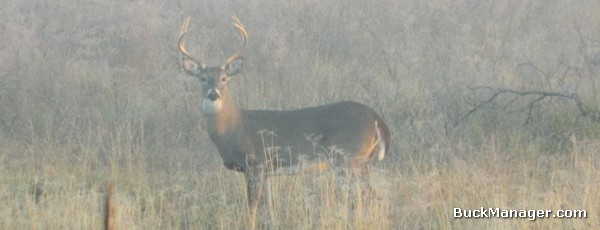
Strategies for Late Season Deer Hunting Success

1. Look for Quiet – Most hunters will hunt the first few days or weekends of the season and then bag their deer, simply give up, or run out of time. The places they hunted have been undisturbed for a while and the local deer know this. Look for areas that have received little disturbance since mid-season and secluded feeding areas such isolated food plots or feeders that receive little attention. Areas that have had little to no hunting pressure are prime late season hunting hot spots.

2. Hunt the Moon – You’ve heard this one before, but late season can be more important than ever for timing the moon phases. Deer naturally become more nocturnal during the winter in part because of the energy benefits they receive by resting during the day when it’s a bit warmer and moving around to feed at night when it’s colder. However, during the dark of the moon or several nights with heavy cloud cover, deer will much more active in the mornings.
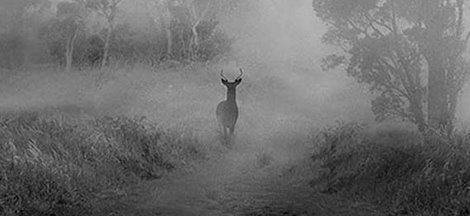
Tips for Hunting Late Season Bucks

3. Hunt the Weather – Time your hunting with not only the moon, but with cold weather and cold fronts. In the southern U.S., this can be the most important thing a hunter can do in late season. Although winter temperatures can be relatively mild by northern standards, a good cold front can drop the nightly low temperatures into the teens and keep the daily high temperatures below freezing for several days. This cold weather requires high energy consumption by smaller-bodied southern deer — and they get hungry! Time your cold weather with the moon, and the chances of catching that hungry mature buck moving around, especially during the morning, increase significantly.

4. Go Untraditional – If you have set blinds, stands, or areas that you or others typically hunt in your area, get away from them! Deer pattern people as much or more than people pattern deer. Going untraditional may mean hunting between hunting blinds or areas where hunters are normally set up. Find un-hunted upland travel corridors as well as wooded creeks and bottomlands deer love. Mature whitetail bucks know the weak spots in your “normal” game plan. They can walk across a property without being spotted, even if it means going across a wide open field where he knows you are not. Also, consider hunting untraditional areas at untraditional times, especially during a full moon. During a full moon, deer move more during mid-day, and if you are in the “wrong” place at the “wrong” time, you might just surprise ole big boy!

Deer Hunting and Management Strategies: Subscribe to BuckManager.com

So there you have it. These four late season hunting tips have worked for me in the past over and over again. I’ve bagged many whitetail deer in places that no one ever thought to hunt at times when others were back at camp eating lunch. Of course, these hunting tips aren’t going to work every time, but I wouldn’t bet against them during a few days of late season hunting.