The Central Texas Whitetail Rut Is On!

Central Texas Whitetail Rut

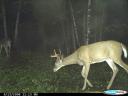
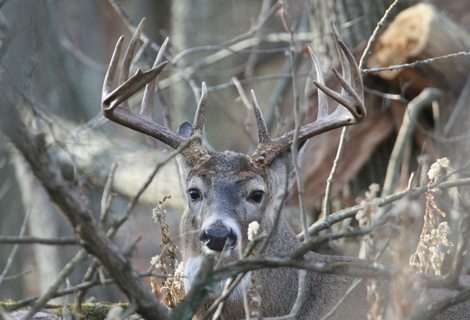
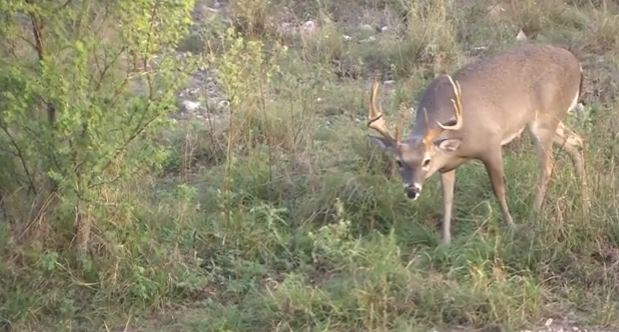
Are bucks rutting in Central Texas? It is about that time, after all. As hunters prepare to head to the field this weekend for the opening of Texas’ general deer hunting season, white-tailed deer in the central part of the state have already begun their rutting activity. Cooler weather combined with the last week in October is a recipe to kick off the deer breeding season in the Hill Country and, yes, bucks are already chasing does!

As a matter of fact, I received a call from the northern part of the Hill Country last week that several white-tailed bucks were following does quite closely, just waiting for estrus to kick in. This information falls in line with some reports from Mills and San Saba Counties, too. The fresh, cold weather that has blown in recently has deer on the move and, hunters looking to take advantage of deer being up on their hooves. The rut is likely not “on,” but bucks are anticipating what is about to happen.
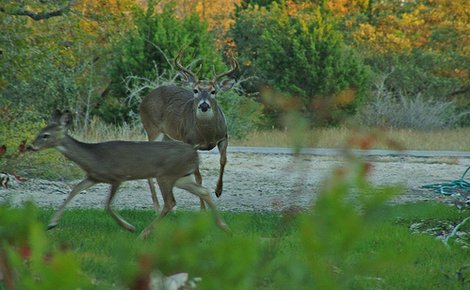
Deer rutting in Texas

What Causes the Rut?

Photoperiod, day length, is the number one cue when it comes to rut, but weather can be a factor with regard to activity. In addition to decreasing photoperiod, the cold front that rolled through the Central Texas recently really put the deer on the move, so we know does are cycling into estrus. A number of biological and behavioral changes are dependent on photoperiod, but cooler weather always seems to put bucks on the move.

Research has shown that deer move more when the weather is colder, so this no doubt applies to the rut or breeding period, as well. And it makes complete sense that deer would move more during cooler weather because moving around builds up body heat. Too much heat leads to overheating and then it’s time to shut it down. Same for us.

Signs of the Rut

Over the last week, I’ve seen several white-tailed bucks that were road-killed — a sure sign that bucks are not thinking straight. Then Monday morning, I spotted two different bucks chasing does in Burnet County, in locations where I’ve rarely seen deer. Deer out of place and deer visible during the middle of the day are tell-tale signs the whitetail breeding season is upon us.

If you are planning on heading to the field, particularly Central Texas, this week to bag your buck be prepared to see some rutting activity and stay a little longer — because rutting deer can move any time of the day. A lot of good bucks have been harvested during mid-day. You can blow a grunt call, use a decoy, or whatever secret magic you have at your disposal, but the peak of the rut means deer will be moving. Period. But if you don’t bag your buck during the early rut this weekend, don’t worry. The rut peaks on the eastern part of the Hill Country around November 10 and the Central and Western parts near November 30.
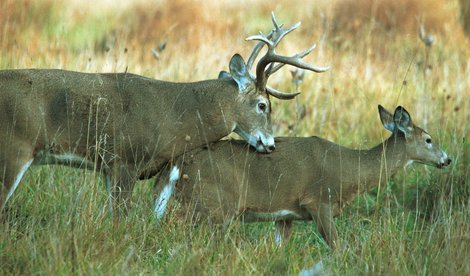
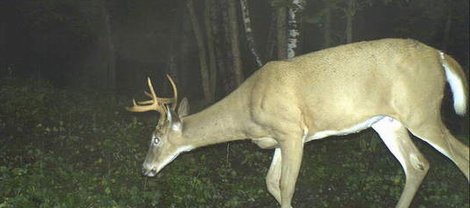
Impact of Pre-Rut Buck Harvest on Genetics

Impact of Pre-Rut Buck Harvest on Genetics 

Early season deer hunting can be very effective because white-tailed bucks are more easily patterned prior to the rut. Novice deer managers may think that removing a high quality buck prior to the rut is a bad idea because it limits the buck’s ability to pass on his genes. Yes, harvesting a buck prior to the rut does limit his ability to pass on his genes, but it does not limit the ability of his offspring. When it comes to deer management we must manage the deer herd, not individual animals. If you manage the herd as a whole then good things will happen.

The most important aspect of managing the buck segment of the deer population on your property should be maintaing good quality bucks in each age class. If you are interested in improving antler quality of bucks then inferior bucks in each age class should be removed. Bucks that are deemed inferior (by your standards) in the yearling, 2 1/2, 3 1/2, 4 1/2 year old age classes should be removed each year. By doing this you ensure that only the best quality bucks remain each year, pass on their genes, and once mature are ready for harvest. Continue reading “Impact of Pre-Rut Buck Harvest on Genetics”

Game Camera Catches Bowhunter’s Shot!

Hunters that spend any amount of time in the woods get to see some really awesome things, sometimes events you don’t quite believe yourself! The same can be said of some game camera photos and that is the case today. I received these photos via email and the story is simple, but one photo in particular is really quite amazing!

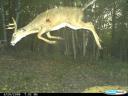
The photo I am referring to is the middle picture below, which captures a white-tailed buck in flight just a split-second after being shot by a bowhunter. As far as can tell, the photo appears to be real despite looking surreal.

Buck shot with an arrow and caught on game camera

The two biggest factors that make the photo unbelievable are first that the buck appears transparent towards the back of the body and then secondly that the game camera photo actually captures the buck in mid-flight, with an arrow in its side, and blood coming out. Cuddeback camera users know that transparent or ghostly deer photos are not uncommon, so I think this photo is simply luck — and a good shot!

 Buck shot with an arrow and caught on game cameraBuck shot with an arrow and caught on game cameraBuck shot with an arrow and caught on game camera

More on These Photos

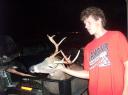
My 15 year old cousin (Logan) shot this buck. The next day he want back and pulled this photo off of the camera. He was as stunned as many are. I can tell you that I was supposed to get a copy of the picture last week but they wrote my email address down incorrectly. I sent this post website link to Logan’s Dad (Brian)and sure enough this is his picture. We can not believe that the picture found its way to a South Carolina website when Brian said he has only sent it via email to a few friends. Brian just forwarded me me the email that he sent Cuddeback with the original photo so this picture can be validated by either Cuddeback or my cousin.

They had not showed it to anyone (outside of a printed picture to local friends) until they contacted Cuddeback. Cuddeback thought the picture was incredible however it was to graphic for them to use as in the past – they said anything such as this has had the PETA people in an uproar.

Hunting Pre-Rut Bucks For Success

When it comes to timing your deer hunting activity, every deer hunter knows that hunting during the rut is a great time to be in the woods. Sure, this can a great way to harvest a white-tailed buck because during the rut bucks can be downright stupid.

In addition to bucks having only one thing on their mind, they may stray up to several miles from their summer range in search of does or chasing does to breed. And as exciting as this may be, there is another way to bag your buck that can take some of the guess work out of the equation.

Get your white-tailed buck during before the rut!

Pre-Rut Success: Pattern Bucks

The secret is patterning the movement those early season bucks way before the breeding season kicks off. Early season bucks are motivated by safety and food. Bucks feel rather safe during the early fall because for 9 months no one has bothered them — no hunters in the woods, no funny scents, no 4-wheelers running around both before and after dark, and nothing strange at all. It has been quiet.

It’s during this time of year that whitetail bucks find food sources and eat in preparation of the breeding season and winter. They may be hitting a feeder, a food plot, or an ag field, but they are all the same as far as you are concerned. If you can figure out a buck’s pre-rut pattern you drastically improve your chances of bagging that big boy.

Pre-Season: First Shot is the Best Shot

Now as I mentioned earlier the rut can cause bucks to travel long distances, so once the rut begins the buck you may have had your heart set on may no longer be in the area, so why wait? You don’t want him throwing caution to the wind somewhere else now do you?

But as easy as it is to say get out there early, early season hunting brings its own set of challenges. In addition to facing warm, maybe even hot weather, you will be heading out into the woods battling mosquitoes, chiggers, and lots of leaves that have yet to fall. Hey, I never said it would be easy even though hunting pre-rut bucks can be highly effective.

In addition to potentially tough environmental conditions, many hunters have another huge obstacle when it comes to patterning and hunting bucks early in the season. This is the fact that the rut actually occurs prior to hunting season.

This can happen in many cases. In Texas, there are many parts of the state where the general deer hunting season opens after the rut has already begun! Many hunters across the country know this fact — and in many cases it’s probably one of the important reasons they picked up a bow. In areas where the rut takes place prior to the gun (general) season, bow-hunters have the best shot at both pre-rut and early-rut bucks.

Pre-Rut Turns to Post-Rut Hunting

The rut kicking off prior the gun season opener is not unique to Texas so it’s important to know when the rut takes place in the area where you hunt, because timing can be everything. It is very difficult to pattern a pre-rut buck that’s locked into a feeding pattern when you show up a few weeks late, after the pattern has been broken.

But not all is lost, assuming that buck you are chasing is still alive. Once the whitetail breeding season is complete bucks will return to their pre-rut patterns, hitting food sources hard to replenish fat reserves before the worst of winter sets in.

Deer Hunting Tips

However, increased hunter activity, hunting pressure, and colder weather may cause the buck to shift to a more nocturnal pattern. All of these factors contribute to a buck that is much more difficult to hunt, so take advantage of the hunting pre-rut bucks early and you will not have to hunt late.

Foundering: Long Hooves On White-Tailed Deer

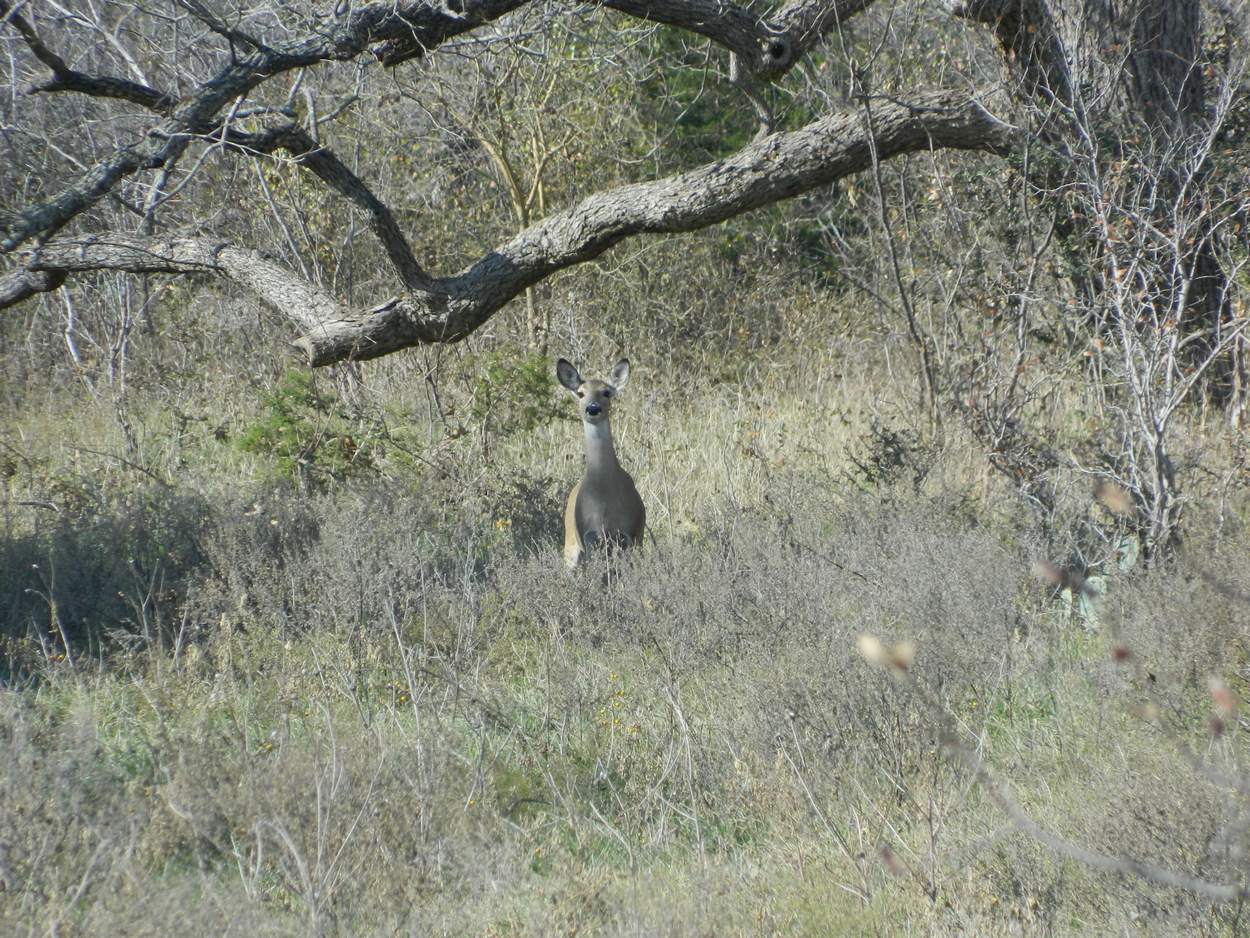
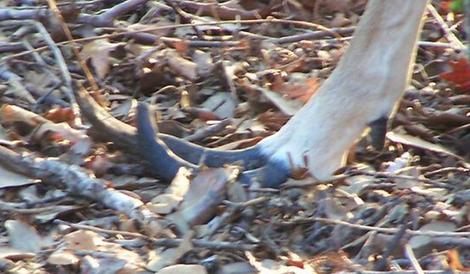
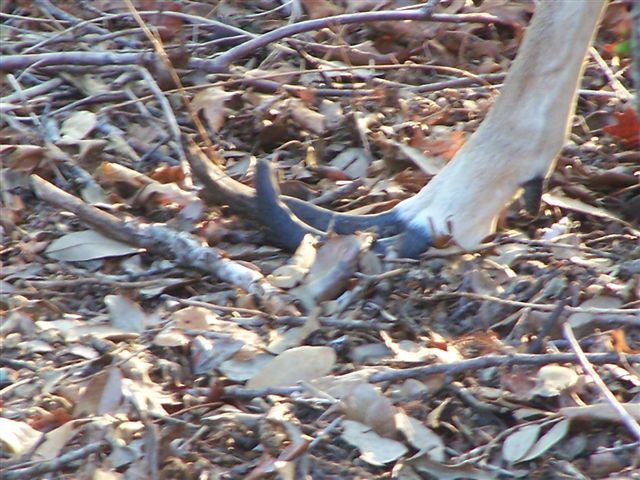
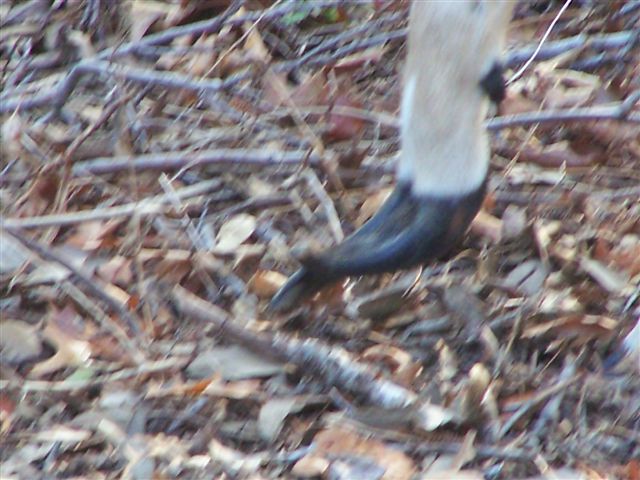
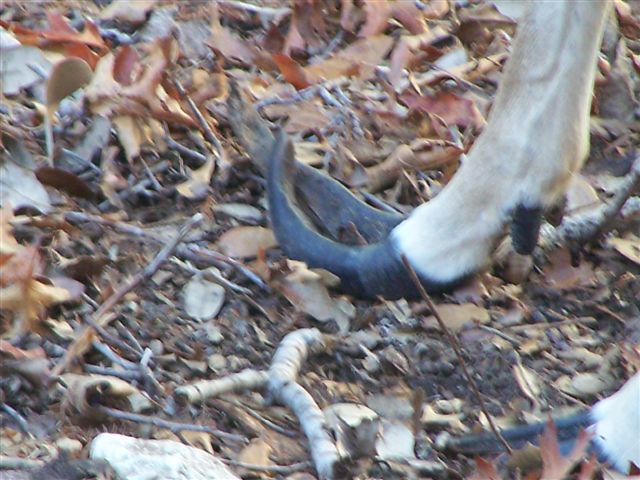
Deer can sometimes grow hooves that are much longer than normal. Long hooves in deer is not common because I’ve seen reports from many different places over the years, but it’s not something that hunters will commonly see in the field. Just this week, I received an email that contained photos of a white-tailed doe than had long hooves (it was actually just her front left hoof and back right hoof).

This condition is referred to as foundering and I believe the term comes from the word “floundering” because under extreme conditions the animal appears to be floundering around as it walks. From reviewing the literature, there appears to be three main reasons for long hoof growth in deer, but all are related to diet.

Deer with long hooves suffer from foundering

Why do Deer Founder?

A deer that exhibits foundering is taking in way too many carbohydrates. Either this is a problem directly related to the forage that the animal is eating or it has to do with the way the deer is processing its food. More often than not, it has to do with what the deer is eating. A diet high in corn or protein pellets contributes to foundering. Corn, of course, is primarily carbohydrates.

Hoof tissue is very similar to antler tissue. If you are feeding protein to grow larger bodied deer and larger antlers then you are also feeding to grow deer with longer hooves. Foundering is almost always the result of a deer consuming too many carbohydrates in the diet too fast.

The result is a buildup of acid in the rumen, which kills the bacteria that digest carbohydrates. This process then results in an increasing pH in the blood that can hurt or possibly even kill the deer from acidosis.

Foundering is a result of these physiological changes within hooved animals. The technical term for problem is laminitis, and refers to the physical separation of the hoof wall and rotation of the coffin bone. So rather than a deer walking on the ends of its hooves, it walks on the sides of its hooves. This causes improper wear and hooves lengthen.

Photos: Deer with Foundered Hooves

Foundering and Deer Mobility

White-tailed deer than have foundered, long hooves will often walk on the backs of their hooves because the acid buildup agitates the growth plate in their hooves. As a result of the deer attempting to ease the pain, the hooves grow longer than normal because the hooves do not have proper contact with the ground.

Without proper contact hoof-ground contact, the hooves do not wear down as they normally would. This problem can be exacerbated on “soft” soils such as clay and sand because hoof wear in deer is already decreased in these areas.