Increase Browse for White-tailed Deer

Browse for Deer

Deer and deer habitat varies considerably between the northern and southern parts of the white-tailed deer’s range. The available browse for deer can, too. In the southern U.S., starvation of deer is generally not a problem.  Mild winters in the region means deer browse is often available. However, late-winter is still a stressful time for whitetail in terms of food quantity and quality. It’s more stressful when deer density is above the carrying capacity of an area.

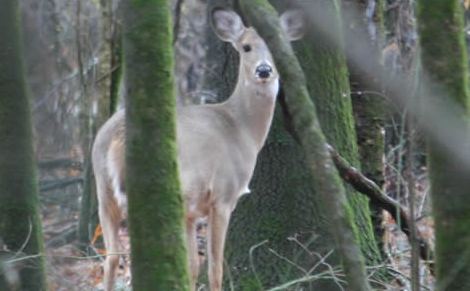
When it comes to winter and native deer foods, browse plants are the most important ones on a deer’s menu. In fact, browse plants are of utmost importance during all stress periods, especially summer and winter. This article discusses habitat management activities that can increase browse for deer. Ideally, the information here will take your native browse production and deer management program to the next level.
Managing Browse for Deer

Talking Deer Browse

Like us, deer eat the best foods they can find. Whitetail consume a plethora of plant species. In fact, one study alone recorded over 400 species consumed by whitetail in an area! However, natural forage is limited to browse, cool season forbs, and hard mast (such as acorns) in the winter. During years of good hard mast production, deer use this forage well into the winter.

However, hard mast availability varies from year to year. As a result, deer turn to alternative food sources. Cool season forb (tasty weeds) availability also varies by latitude and is almost non-existent in freeze-prone areas. Locations at the northern part of the whitetail’s range often come up short on cool season forbs. Likewise, southern latitudes suffer a similar fate during winters with low amounts of precipitation. So how can deer managers increase browse for deer?

Importance of Browse for Deer

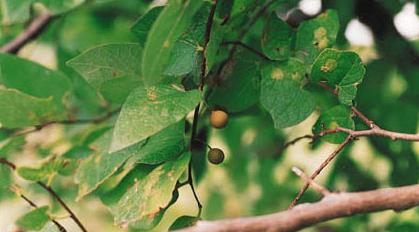
Browse plants are the most stable component of a white-tailed deer’s diet. Year-in and year-out, browse is a reliable staple in a deer’s diet. Why? Well, browse consists of the stems, twigs, and leaves of woody plants and these species tend to be long-lived perennials. Think about trees, shrubs, and vines, all of which provide deer browse.

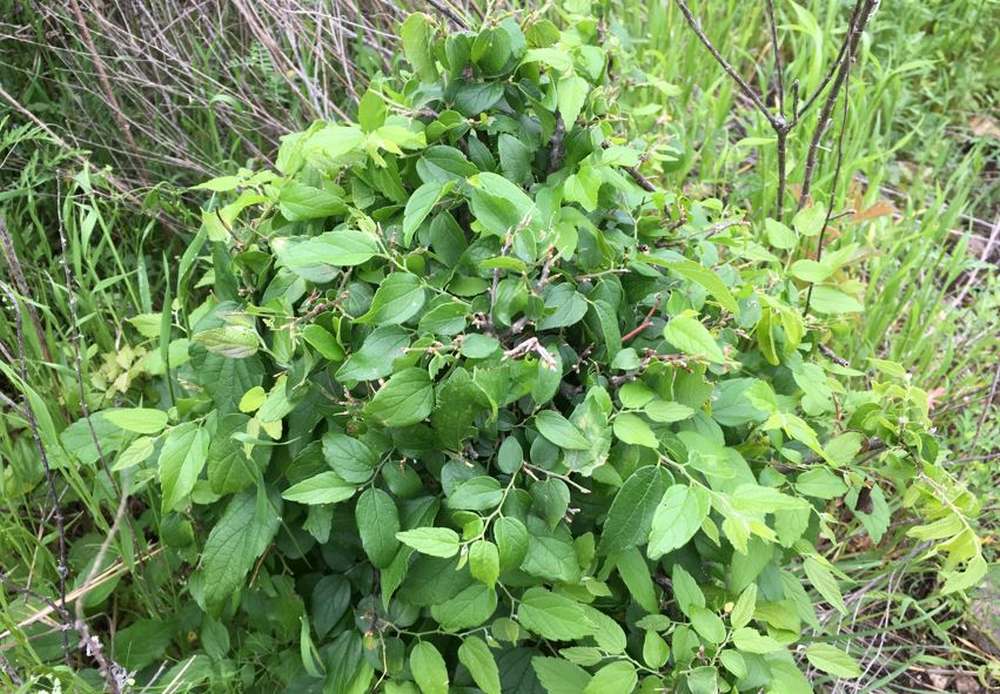
Many woody plants lose their leaves in winter. Then, these deep-rooted plants consistently grow new leaves each spring and summer. This makes plants such as elm, hackberry, poison ivy, green briar, and other small trees and shrubs important browse for deer. They serve as great emergency summer time forage if a lack of rainfall fails to produce warm season forbs.

Perennials, such as trees and shrubs, with established root systems have an advantage over short-lived forbs. Woody plants can access water deep within the soil. Annual plants need consistent rainfall at very specific times of the year. In addition, some browse species–such as important juniper species in the north and live oak in the south are evergreen. These browse species are available for deer during the winter as well as the summer.

Enhancing Browse for Deer

Habitat management that increases browse availability is not very expensive or time consuming. As such, the practice should be a component of every white-tailed deer management plan. Increasing available deer browse is a simple, straight-forward task. It only takes a little work to increase the best trees for deer on your property. In turn, those new browse plants produce additional foods and attract more deer.

Thinning small, 2-5 acre blocks in forested areas is one way to increase browse production and availability. Removing some of the older trees or hinge-cutting them allows sunlight to reach the ground. And blocked-shaped openings are the way to go here. Narrow strip-thinning will not permit enough sunlight for optimal browse growth. Sunlight is needed to allow browse seeds and tree seedlings to take off. This favors some of the best trees for deer and creates more forage for local whitetail.

Alternatively, dense woodlands with totally enclosed canopies offers little for deer in terms of browse, except along the edges. Instead, open up the canopy and allow increased sunlight to spur browse plants and forbs. This increases plant growth, food availability, and ups the number of deer the area can support.

Enhancing Deer Browse

Thinning for additional deer browse is just the start. Another way to further increase browse production is through the use of fertilizer. Adding fertilizer to recently thinned patches substantially increases the productivity of browse plants. Imagine a garden with fertilizer; it does much, much better! In addition, use fertilizer along wood line edges to boost established browse plants, too.

In fact, fertilize the edges of wood lines, along roadways, and even along utility easements. Not only will plants be much more healthy and produce bigger, darker leaves, but deer find fertilized leaves more palatable. It’s just like an unfertilized food plot versus a fertilized one. Deer prefer fertilized areas because they can literally taste the increased nutrition.

In closing, browse is an important food source for whitetail, especially during stress periods. Use these habitat management tips and techniques to increase native forage and browse production on your property. Managing plant communities to increase browse for deer is an important part of a deer management program. Healthy habitat means browse plants that produce year after year, and especially when the deer need them most!
Sudden Impact is a Huge Whitetail!

Deer management involves manipulating the habitat and animals found on a property to improve body condition, increase fawning rates, and enhance antler quality of a white-tailed deer herd. Overall, deer management has been fueled by the desire for healthier bucks with larger antlers. And although herd management works well, it does not work over night–it takes years of work and selective deer harvest.

A spin-off of deer management has been the selective pen-breeding of deer which has resulted in the commercial white-tailed deer breeding industry. Love it or hate it, this has allowed line-breeding and the rapid concentration of genes supporting abnormally-large antler growth.

Sudden Impact - Huge Breeder Buck

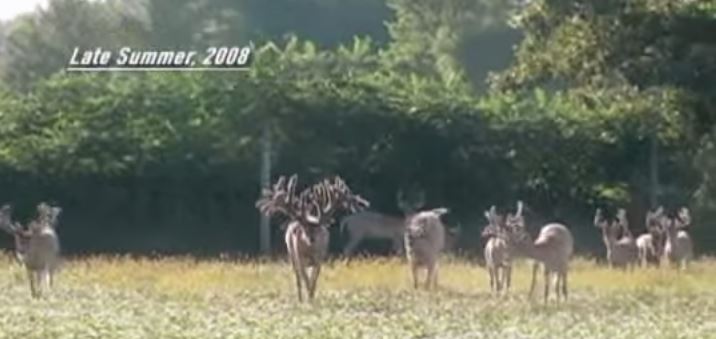
Here enters the deer known as Sudden Impact. Not only is he a big buck, he is an absolutely, insanely, monstrous whitetail buck! After glancing at his antlers, you are probably thinking that this buck has reached maturity and has grown its biggest rack ever. Wrong. The video above features Sudden Impact at only 2 years of age in 2008! Yes, at 2 1/2 years old his shed antlers scored an eye-raising 406 5/8 Boone and Crockett inches. 

This buck is already the largest pen-raised whitetail ever and he looks to blow through that mark later this year. There is no doubt that he is impressive, but would you really want to shoot him?

Hunting Land in Texas is Shrinking

The popularity of white-tailed deer hunting in recent decades has not only spurred an increase in deer management, but also a greater demand for deer hunting lands. And since everyone in the United States lives in a supply and demand economy, the price of whitetail hunting has continued to rise year after year. Unless a hunter owns his or her own property, they either know someone who does (that lets them hunt) or they are forced to lease private land for deer hunting.

If you’ve looked for a lease lately you know that quality hunting leases are getting harder and harder to find. In addition, many have found themselves priced-out of deer hunting. So what if I told you that the amount of huntable land in Texas could decline because of new legislation?

Deer Management at Buck Manager: New hunting laws possible in Texas

Well, Senate Bill 1742 and House Bill 3766 could do just that, to some extent, by increasing the buffer area between hunting lands and “occupied” areas. In short, this legislation proposes to increase the minimum size of a huntable tract with a rifle from 10 acres to 50 acres. Not only could this legally prohibit some hunters from hunting their own property because of suburban sprawl, but these new laws would also inhibit the ability of landowners to control white-tailed deer numbers, particulary in the Texas Hill Country. Continue reading “Hunting Land in Texas is Shrinking”

How to Manage Whitetail Deer: Don’t Count Natives Out

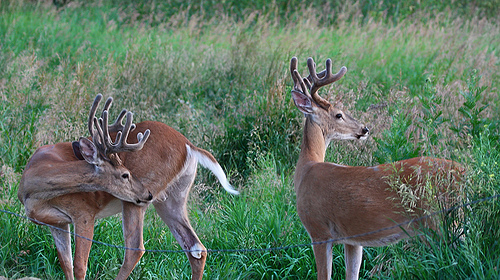
Want to know how to manage white-tailed deer? Deer management is about herd improvement coupled with habitat enhancement. Although many hunters doubt the antler potential for native whitetail bucks in their area, in every area where white-tailed deer exists bucks exceeding 170 Boone and Crockett inches can be grown.

In fact, I have seen native 190+ inch bucks come from every region in Texas. And Texas is not alone. Of course, in free-ranging, native deer populations the majority of bucks will have their antlers max-out anywhere from 120 to 150 inches at maturity (5 1/2+ years old). These are good bucks. At maturity, most bucks will be good deer.

How to Manage Whitetail Deer

With that said, most deer hunters have never harvested a whitetail buck exceeding 130 inches. Why? For starters, most hunters are hard-pressed to find well-nourished bucks. Often times, habitat is in poor condition from livestock operations or there is simply a lack of deer food/habitat. This is often the case in farming communities where the only available habitat is low-lying land, untillable areas where woodlots have developed, or along creeks and rivers.

 Deer Management: Managing Native Whitetail Bucks

Deer can forage on most row crops, but only during certain stages of growth or at maturity. The remainder of the time the crops are not consumed or the alleged “habitat” is plowed dirt. Well-nourished bucks need good habitat throughout the year.

Manage Whitetail Bucks for Maturity

Maturity. Show me a mature buck and I’ll show you a deer that more than one hunter is willing to put on a wall. Age, nutrition, and genetics combine to determine the potential for any whitetail buck’s antlers. Without a little age, a buck will never reach his true potential. The short answer for this maturity phenomenon is that it takes 3 years for a buck to complete his long bone growth. After this time, valuable minerals can be put toward antler growth, not skeletal growth. Bones also help store minerals prior to and during antler growth.

Mature bucks are easy to talk about, but few hunters will let a potentially great deer walk. And it’s not because deer hunters do not have patience, it’s simply because most of us do not have enough land to ensure that the buck we pass this hunting season survives into the next season or the hunting season after that. It’s difficult for anyone hunting on 30 acres, 100 acres or even a few hundred acres of land to let a young 140 inch deer walk through.

Sure, that buck may end up being over 200 inches at maturity, but what are the odds that your neighbor let’s him walk, too? And your neighbor’s neighbor? This is why the best thing small landowners can do is form deer management cooperatives with their neighbors, form some bylaws so that everyone is one the same page, and stick to them.

Managing Whitetail Deer Nutrition

So proper deer nutrition and age are very important, but genes, of course, play a part. I mentioned earlier that most native bucks will likely never exceed 120 to 150 inches, even at maturity. However, habitat that provides proper nutrition with or without supplemental feeding can add another 10 to 20 inches, but genetics still determine how big a whitetail buck can get.

A buck with “superior” genes for antler growth will outperform bucks with “normal” genes for antler growth under the same conditions. Exceptional bucks are just that, exceptions to the rule. This is where the management part must take place for the whole deer management concept to work.

Whitetail Management: How to Implement

Take any group of bucks on any property in any part of the country and some deer will have larger antlers than the others. Regardless of the bucks a property owner has to start with, the best whitetail bucks on the property are the very deer that a hunter should be managing to increase the quality of the bucks found in the deer herd. And in this case, management involves NOT shooting them young, rather providing them and their offspring with good habitat to survive and thrive in.

The other bucks should be culled, harvested, and removed, if possible. Culling is not a must. A property can still produce good bucks in the absence of culling. How to manage whitetail deer on your property is up to you. As mentioned earlier, most mature bucks are good deer. Culling is best applied to deer herds when excess deer need to be removed to keep the population in check with the habitat that is available.

In short, if a bunch of deer need to be removed from a property during a given year or over a series of years do not shoot all of the best deer or all of the mature deer, but focus on taking some trophies and then cleaning up some of the “lesser” bucks found throughout the age classes.

Managing Deer Takes Time

Repeating this process methodically year after year while keeping the herd size at an appropriate level for the habitat will SLOWLY improve a deer herd. It’s difficult to change the genetic composition of a deer herd but culling will allow the native bucks that reach maturity to be the best bucks that the property can produce.

It’s a mistake to over-focus on the culling of bucks as THE way to manage a deer herd. Managing for good deer herd nutrition and allowing bucks to reach maturity will go further towards reaching your goals. Research has shown that fawns that start off in good shape end up being bigger, more healthy deer. For that, you need healthy does with plenty of food. And as for bucks, with proper nutrition and a little bit of age, most hunters would be quite surprised at what a native white-tailed buck can do. And more than happy to put it on their wall!

Deer Management and Thoughts on Predator Control

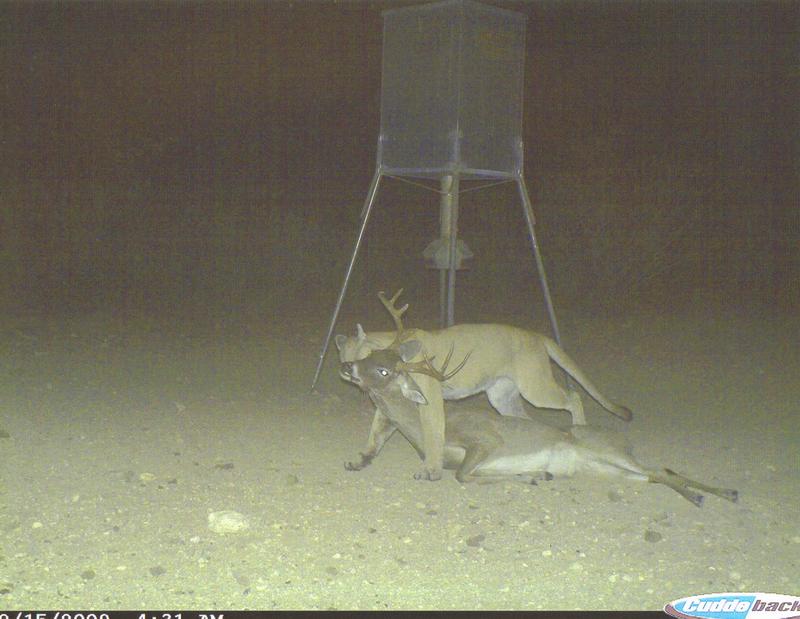
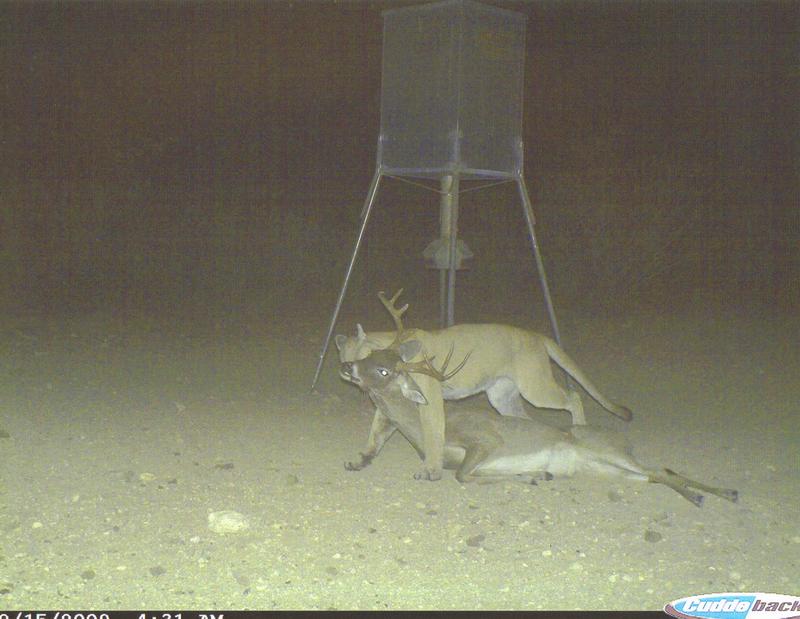
Game cameras are great for hunters and deer management because they allow 24-7 surveillance of trails, feeders, food plots, and water sources. Not only can motion-triggered cameras be used to collect valuable survey data for herd management, but they can also capture some amazing wildlife photos, such as this awe-inspiring photo of a mountain lion dragging a whitetail buck directly in front of a protein feeder and right in the path of a game camera. Although it’s a great photo that demonstrates why an unlucky hunter may not be seeing any mature bucks, the mountain lion is simply doing what it does best.

Game cameras really do capture some great wildlife photos, but not all of the time. In today’s high-tech world, anyone with a little bit of computer knowledge can splice together parts of several photos and fabricate a seemingly amazing photo. I received the above mountain lion and deer photo in my inbox at least every other day for a couple weeks now, so hunters and non-hunters apparently find this photo fascinating and are passing it around. So why do predators get so much attention? I think part of it is the mystique surrounding them. They literally kill for a living. The other reason is because we as humans love to place blame. So although I believe this photo of a mountain lion carrying a buck is fake (May 16 update: the photo is real), predator management as part of your overall deer management program could be very real. Should you attempt to control predators on your property?

A fake photo of a mountain lion with a white-tailed deer

In areas where good deer habitat exists, predators do not pose a serious threat to white-tailed deer populations. The only real exceptions include islands of good habitat–say 500 acres or less–surrounded by vast expanses of poor habitat and then high-fenced ranches less than 1,000 acres in size. Good habitat not only makes for healthy does, which increases fawning rate, but also provides excellent fawning habitat that promotes increased fawn survival. These two factors are critical to the recruitment of deer into the population, but good habitat will not make a difference if it’s only 200 acres surrounded by thousands of acres of poor habitat.

This is because the patch size of the habitat is important. Patch size is a biological term that refers to amount of available habitat. The smaller the patch size, the smaller the block of habitat, the more susceptible the patch becomes to the influence of predators. In the example above, the patch size of good habitat was 200 acres because it was assumed that the area surrounding it was not good habitat, as in areas over-grazed by livestock, huge bermuda fields, plowed fields, or wide open prairie. As the patch size decreases, the influence of predators of the deer population increases. In short, if there are 200 acres of prime habitat surrounded by nothing good for deer, then all of the deer and predators sink into that patch.

Now assume the patch size is 80 acres. It makes for easy pickin’ by predators. At some point the patch becomes so small that it does not function as habitat. A smaller patch increases the probability of predators encountering deer, particulary highly susceptible fawns. The same can be said about high-fenced or game-fence ranches, regardless of the habitat quality surrounding them. The issue with high-fenced ranches is that predators, such as coyotes, knowingly or unknowingly use the tall fences surrounding the property as funnels to corner deer. In low-fenced areas, deer can simply run away or run outside of the patch to safety. In high-fenced properties, deer are more prone to run down fencelines and, in a panic, continue to dart into the netwire fence and corners they can not jump.

As the size of a high-fenced property decreases, the percentage of the property that is near a fence line or corner increases. This means that smaller high-fenced ranches are more susceptible to high levels of predation than large high-fenced ranches. In addition, any high-fenced ranch is more susceptible to predation than low-fenced ranches surrounding it in the absence of predator control. This is only because taller-than-normal netwire fences impeed the escape of deer and increase the efficiency of predators.

With that said, high-fenced ranches have a greater ability to control predators than most low-fenced properties. The most notorious deer predator is the coyote because they are both numerous and crafty. Coyotes can go straight through barbed-wire fences, jump and climb 5-foot netwire fences, but 8 and 10-foot fences are a different story. As a result, coyotes can only go under high netwire fences. Slides, or locations where coyotes cross under netwire fencing, are easy to find and this makes them highly susceptible to traps, particularly snares. Smaller high-fenced properties are more susceptible to the impacts of predators on deer, but they are also easier to monitor and control.

To sum up, smaller ranches can provide good habitat that can sustain a white-tailed deer population, but smaller properties also require more intensive predator control, especially when surrounded by poor habitat. In addition, predators are easier to control on high-fenced properties because of limited predator access, but deer within ranches surrouned by tall netwire fences are very susceptible to predation because of corning. Supplemental feeding and food plots can keep deer healthy and help them grow bigger antlers, but good habitat and predator control, when necessary, can ensure that you have a deer to manage in the future.