7 Reasons to Cull Whitetail Bucks

White-tailed deer management and the culling of bucks often go hand-in-hand. To attempt to improve the buck segment of any deer herd, some type of culling must take place on an annual basis. Each fall, hunters email me photos and ask, “Is this deer a cull buck?” It’s a simple enough question, but the answer depends on the quality of the whitetail bucks found on the ranch. After all, culling is relative to the buck population in question. In addition, the reasons for culling bucks are also closely tied to the manager’s objectives.

A cull buck on one ranch may be a trophy on another. Property objectives, habitat condition, food availability, and the genes found in the local deer population (for antler growth) all determine what a cull buck on a particular property will look like. Bucks found on a property must be judged against other bucks on the ranch. It would be unfair to compare deer from South Texas with a deer from East Texas or Alabama or Indiana for that matter.

Culling is best prescribed when there are too many deer for the habitat, otherwise there is no need to remove anything.  It takes a long time to skew the genetic composition of a free-ranging deer herd and, depending on the size of the property, may not be possible. Although the reasons for culling bucks may vary from hunter to hunter and between ranches, there are some physical features by which all bucks are measured. Below are 7 potential reasons to cull healthy whitetail bucks.
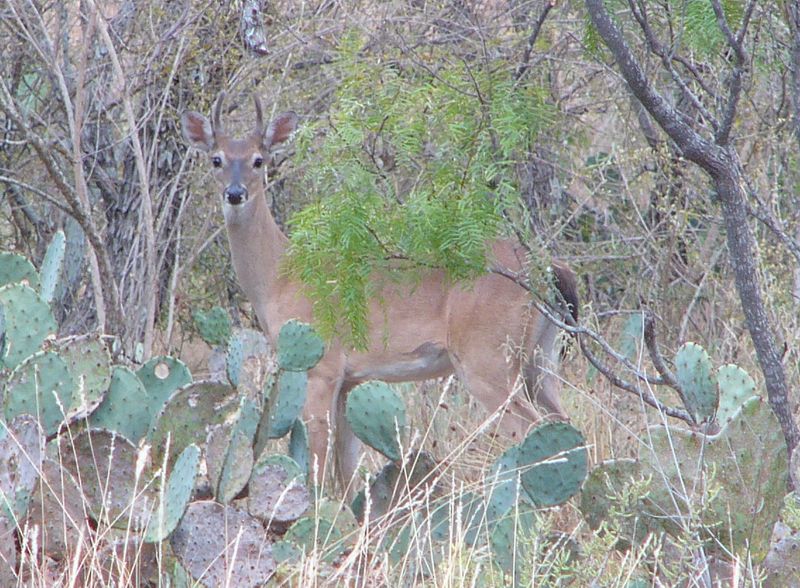
Deer Management: Reasons to Cull Whitetail Bucks

Missing Brow Points

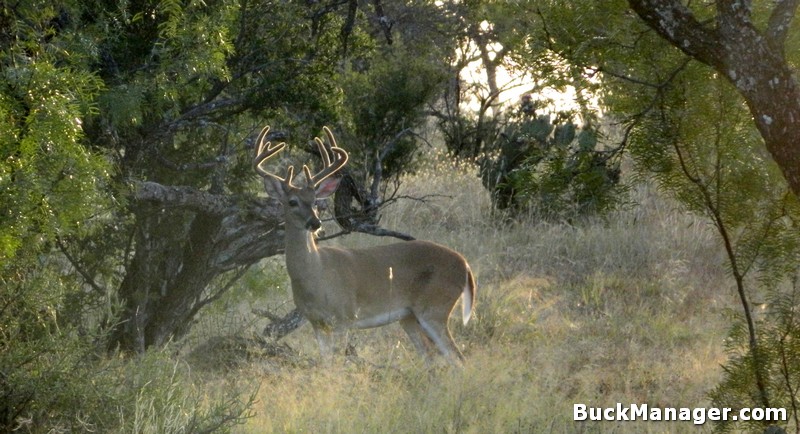
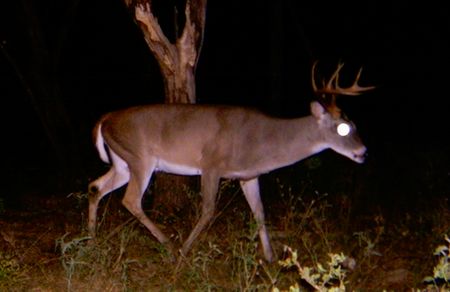
Brow points (G1s) are important. Plain and simple, whitetail bucks should have brow points once they reach 2 years of age. Not only are bucks expected to have brow points, but the presence of these tines is genetically dominant over deer with one or no brow points. If bucks are missing one or both brow points, then these animals should be considered for removal from the herd. I have been on several ranches where many of the bucks were missing brow points. It happens. The only way to ensure that whitetail bucks have  brow points on a property is to remove what you can see, bucks without them.

Short Points

Bucks with short antler points are undesirable to most hunters and deer managers. When we think of great whitetail bucks, we immediately think of deer with longer points, particularly from the G2 on up. Short-tined bucks not only look inferior, they could be, possibly. I like to think that Mother Nature would want bucks to have long tines so that they could use them more effectively to defend themselves. In reality, body size is much more important when it comes to dominance, but short points in your deer herd means hunters get the short end of the stick.

Short Beams

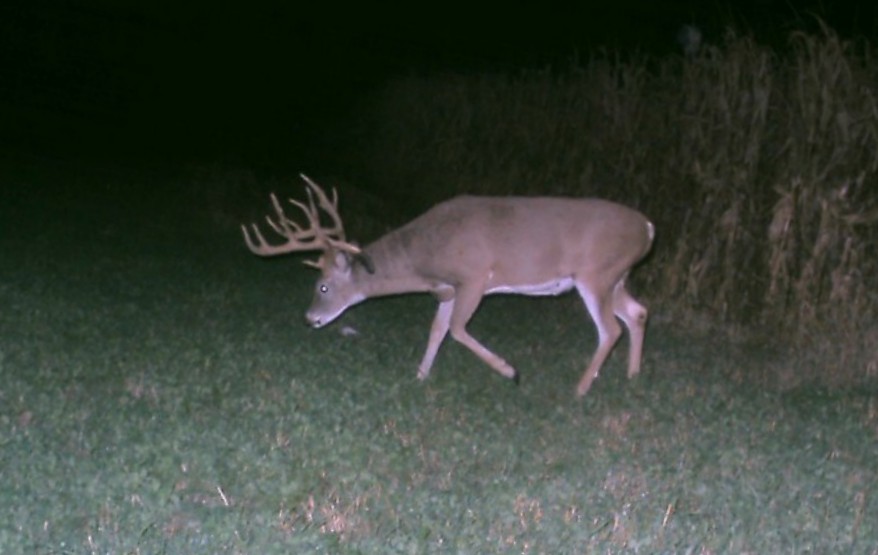
Whitetail bucks with short main beams make for odd deer. We all know what a typical buck’s beams look like and that is what most hunters want to manage for in their deer herds. Long points and main beams add inches and inches to a buck’s Boone and Crockett score. In addition, bucks with short main beams leave no room for point placement. A manager can’t expect to have 12 point bucks when all of the bucks on the property have 15 inch main beams. It can happen, but we could all be living on the moon one day, too. And even if it did, is that what you want? Bucks with short main beams make for short-lived bucks.

No Mass

Mass is the most highly heritable antler trait for whitetail bucks. Bucks that have heavy mass are sired by bucks with heavy mass. On the other hand, deer with pencil horns come from bucks that were thin-horned. Of course, buck nutrition and age both play a role when it comes to antler mass. A buck’s antler mass will increase with age, so judge an individual buck’s mass measurements relative to other bucks of the same age class. If your property provides good deer habitat, then well-fed whitetail bucks should have good mass. If they lack antler mass, then think about culling those bucks if you need to remove deer and are concerned about maintaining good age structure within bucks (ie. shooting all of the young or old bucks on the property).

Narrow Spread

This is a matter of opinion, but most deer managers and hunters like wider spread bucks as opposed to more narrow spread bucks. In my opinion, inside antler spread is the least important measurement when it comes to a buck’s numerical score. I like ’em old. Most mature bucks only achieve an inside antler spread of about 20 inches, so even a very narrow-horned buck with a 12 inch spread just gives up 8 inches of B&C score if that is important to you . Because of this, whitetail bucks with a narrow antler spread can still score very high if they have long antler points and heavy mass. You can cull based on spread, but point length and antler mass are more important in the end.

Lack of Points

Every person interested in whitetail deer management wants to produce better bucks with more points. Antler points, like beam mass, are highly heritable traits in whitetail deer. If a buck has a low number of antler points, then the deer could be on the chopping block. The number of points a buck has must be judged against the deer’s age. The number of points a buck has as a yearling is indicative of the deer’s future. A high number of points at a young age typically means more points at an older age. Most want yearling bucks (1 1/2 years old) with 6+ points. Spikes, three, four, and five point yearlings may be potential culls depending on your objectives and where you stand with regards to the deer carrying cap.

Most hunters have heard of the infamous “management buck.” This term became popularized about 15 years ago as a way to market 3 1/2 to 4 1/2 year old 8 point bucks that were deemed culls. As a general rule of thumb, if a whitetail buck has only 8 points at 3 1/2 years of age, then the potential that he is going to “blow up” into something amazing decline drastically. Sure, the buck may throw on some stickers and kickers, but more often than not the deer has maxed out on main antler points. This may not a desirable buck if the hunter or manager is managing for 10+ point bucks. By using a selective deer harvest strategy, a manager can reduce main-frame 8 point bucks and promote whitetail bucks with more points to older age classses.

Maturity

This is kind of a no-brainer. If a whitetail buck is mature, regardless of antler quality, it should be considered available for harvest. The buck may or may not be a true cull, but once a buck reaches maturity it has played its role. The problem with old-aged culls is that they have been on the property for years breeding and producing both buck and doe fawns that carry their same genes. It’s easy to identify an old cull buck, but you will do yourself and your deer management program a favor by learning how to identify undesirable, cull bucks at an earlier age. Not only will culling bucks at a young age ensure your best quality whitetail bucks do most of the breeding, but it will mean more food and better habitat for your best deer!
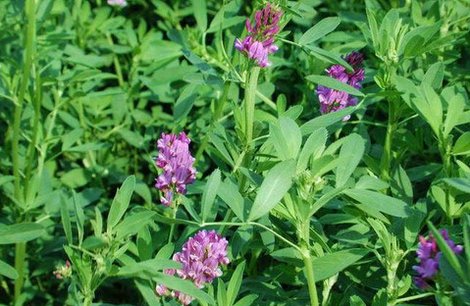
Alfalfa Food Plots for White-tailed Deer

Alfalfa Food Plots

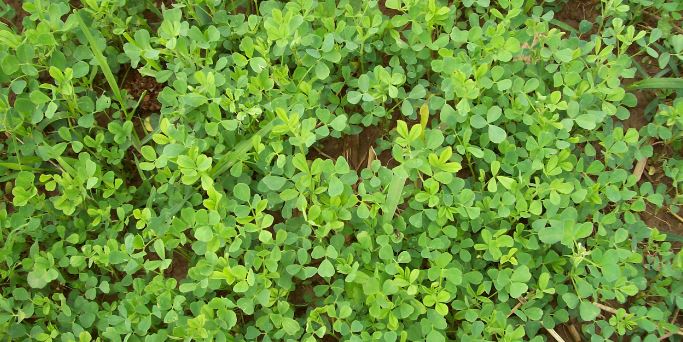
Food plots are commonly used by deer managers to provide supplemental forage for white-tailed deer. Most hunters and deer managers like to plant forage species that are easy to maintain. However, a little extra work is usually worth it. Alfalfa food plots for deer fall into that category. Besides, nothing worth having comes easy. And, a little extra work can pay off big, especially if you consider establishing alfalfa (Medicago sativa L.) as a forage plant for deer on your property.

Alfalfa is an excellent spring, summer, and early fall food plot choice for white-tailed deer. Alfalfa is a cool-season perennial legume that contains 16% to 26% of highly digestible protein. Whitetail will flock to a well-established alfalfa field. In addition, this perennial can survive for 5 to 10 years if managed properly. It’s  a good food source for deer for those willing to put in the effort.

Alfalfa Food Plots for White-tailed Deer

Alfalfa Food Plots are Tough

Established alfalfa plants have taproots that extend 4-5 feet deep in the soil. As a result, this forage species makes for a very drought tolerant food plot for deer and other wildlife. And what’s better than a drought tolerant food plot? Well, how about a highly productive food plot that is capable of fixing its own nitrogen? Yep, there is a lot to like about alfalfa.

This forage plant is a legume and does not need the application of nitrogen fertilizer. Like other legumes, it makes its own. Established alfalfa is tough. However, it’s not always easy to establish, Alfalfa is a highly effective forage plant for fall and winter food plots, but spring planting is recommended. After the first year, alfalfa serves as a dependable spring food plot for whitetail.

Alfalfa has many attributes that make it a great choice for forage plots. However, some deer managers find it difficult to establish and maintain. Alfalfa is not a plant where one can just disk, throw, and grow with the addition of a little fertilizer like oats or wheat.

Alfalfa has low tolerance for moisture and soil acidity. In addition, it performs best on well-drained soils (loam to sandy loam) with a pH between 6.5 and 7.5. And even though alfalfa is capable of fixing its own nitrogen, plots usually require annual applications of other soil nutrients. These often include macro- and micronutrients such as phosphorous, potassium, sulfur, and even boron. Additionally, alfalfa must be inoculated with Rhizobia bacteria (Type A) prior to planting.

Alfalfa Food Plots for Deer Hunting and Management

Managing Alfalfa Plots

New alfalfa food plots for deer and other animals must be managed. Heavy competition from weeds can will put a lid on recently-planted and poor (thin) stands of alfalfa. In addition, white-tailed deer can over-browse alfalfa plots. This is especially true before plant establishment and/or early in the plant’s growing season. However, proper management by the manager ensures the alfalfa planting is successful.

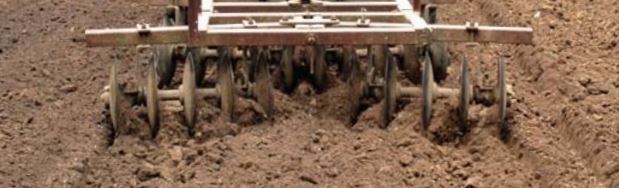
First and foremast, proper seedbed preparation is important. This is true for any food plot, but especially when trying to start alfalfa. Control competitive plant species through chemical or mechanical treatments. In addition, ensure that white-tailed deer are not present at a high density. If so, overuse of the food plot by deer could be an issue early on. Options include reducing the deer population or excluding animals from the food plot until it is established. Electric fencing and tall net-wire fencing will do the job.

Alfalfa for Food Plots

Believe it or not, there are currently over 220 varieties of alfalfa! Alfalfa varieties are rated for fall dormancy and winter hardiness. These factors should be considered based on the latitude of your property. When evaluating alfalfa, pay attention to hardiness and dormancy. Fall dormancy relates to how soon an alfalfa variety stops growing in the fall and how early it begins growing again in the spring. Winter hardiness pertains to how well an alfalfa variety will survive over multiple winters.

Once established, the dormancy and winter hardiness ratings determine the length of the variety’s annual growing season and the life of the alfalfa food plot. The best way to choose alfalfa varieties that are suitable in your area is to talk directly with local seed dealers, agricultural extension agents, and wildlife biologists.

Planting Alfalfa for Whitetail Deer

Planting Alfalfa Food Plots for Deer

Alfalfa food plots can generally be planted in April or September-October each year. Spring is preferred. Timing depends on latitude and the variety of alfalfa. Alfalfa can grow 2 to 3 feet in height and produce an astounding 3 to 5 tons of high quality forage per acre! It is a cool season species that will start growing in late-March, persist through the summer, and grows throughout October at southern latitudes.

Alfalfa planting rates vary by variety, but usually run around 15 to 20 pounds per acre. Seed costs for alfalfa plantings range from $60-80 per acre. Alfalfa food plots for deer and other animals requires more costs and effort up front than other plots. However, the reward is a high quality forage that benefits your whitetail and deer management program year after year. Alfalfa plots are a good investment for properties with suitable soils.

The Movement of Whitetail Bucks

Every animal, including white-tailed deer, has an area that they call home. In the wildlife world this area is know as home range. The home range of an individual white-tailed buck, however, varies by season. One would expect that the range of a buck would be fairly stable for much of the year, only to increase in size during the breeding season. This increase in range would be the result of the buck’s behavior and increased movement in his search for receptive does. Although thought to be true, does this phenomenon really happen?

Summer is a good time to be a whitetail buck. Not only do male deer get along, but packs of bucks run together in beloved bachelor groups. Hunters and managers alike get a thrill every time they stumble across a fraternity of whitetail. These observations often serve as confirmation that their harvest stategies or deer management programs are effective. We all like to see healthy bucks. Bachelor groups, by the way, can range in size from 2 to 3 deer up to as many as 28 bucks. At least that is the largest number of free-ranging bucks seen together that anyone has ever reported to me.

It is also during the summer that bucks move around a fair amount, but not as much as during the rut. As summer draws to an end, most bucks become less mobile and highly patternable. It is the time immediately after bucks shed their velvet that they become aggressive towards one another and a bit more territorial. By September, hunters at southern latitudes will start to see individual bucks visiting the same feeding areas again and again.

The Movement of Whitetail Bucks

This is especially true for hunters that use game cameras to monitor their feeders, ag fields, and food plots. That is, if there is a spring food plot left to monitor after summer and the local deer have their way with it. During much of the summer, bucks will be picked up here and there on game cameras as they travel around the countryside eating where they may, but after developing hardened antlers it is a whole other story. A buck’s antlers are quite tender while covered in velvet. Not the case once they harden.

Changes is hormone levels in addition to physical changes cause bachelor groups to disband. Bucks flying solo will hone in on stable food sources and form a core area until the rut. During the breeding season, whitetail bucks will, for the most part, expand upon their summer range in search of receptive does. Following the rut, bucks will sink back into their core range.

A buck’s seasonal range increases and decreases based on many factors, but bucks fall into a very repetitive routine between the loss of velvet and the start of the rut. Year-in and year-out, white-tailed deer have a fairly predictable home range that will vary between seasons. Much a whitetail buck’s movements are determined by environmental conditions, food availability, and the breeding season. Whether you are a hunter looking to bag a buck this year or a landowner interested in better deer management, pay attention to the areas that whitetail bucks are using and use it to your advantage.

Spotlight Surveys for White-tailed Deer

The importance of estimating a white-tailed deer herd on an annual basis is critical to any ranch interested in deer management. And although several survey types (methods) should be combined to get the most accurate deer population estimate, I prefer to use spotlight surveys to estimate the deer density on any given ranch. With that said, deer spotlight surveys on properties less than 400 acres in size become less reliable. The smaller the ranch, the more I shy away from using spotlight routes. This is not necessarily because the methodology is bad, but because smaller ranches have fewer roads. Fewer roads equates to shorter spotlight survey routes and data that is less reliable.

But it can get even worse, especially if a property owner tries to create more survey length by looping around in a smaller area. Surveying smaller properties increases the potential of counting deer in one area, then looping around and counting them again in another area. To accurately estimate deer density on any ranch, animals can not be repeatedly counted along the route. I refer to the importance of maintaining and recording data on individual deer herds all of the time, but I’ve never mentioned exactly how a spotlight survey should be conducted. We are going to fix that today. If you are interested in getting the best white-tailed deer density estimate possible, then this is how a spotlight survey should be performed. Continue reading “Spotlight Surveys for White-tailed Deer”

Fawns are Twins, But Not Identical

Most people, including me, find any variation in white-tailed deer quite intriguing. In fact, most hunters and deer managers even select for certain characteristics, specifically when in comes to antler configuration. Depending on the individual hunter, they may look to harvest bucks with really wide antler spreads, bucks with numerous points, bucks with non-typical antlers, or very old deer. Color is also selected for by hunters because if the opportunity presents itself, many hunters will not hesitate to harvest a uniquely-colored deer. However, I do not know of any individual or ranch that manages for deer color.

Although there is some amount of color variation between all living whitetail, we all know what a white-tailed deer should look like. They are usually some variation of brown on top with white under the body, on the throat-patch, around the eyes and nose, and let’s not forget the white under the tail. After all, they are white-tailed. We know how a deer should look, but this is exactly why any color variation, even minor, sticks out. We, as predators, pick up on any abnormality or weakness exhibited by deer. This is why we do not see many white albino deer or black melanistic deer–they occur rarely, and when they do, these deer are removed from the population by hunters or natural predators. That is unless these deer are found in protected areas, such as urban or suburban areas.

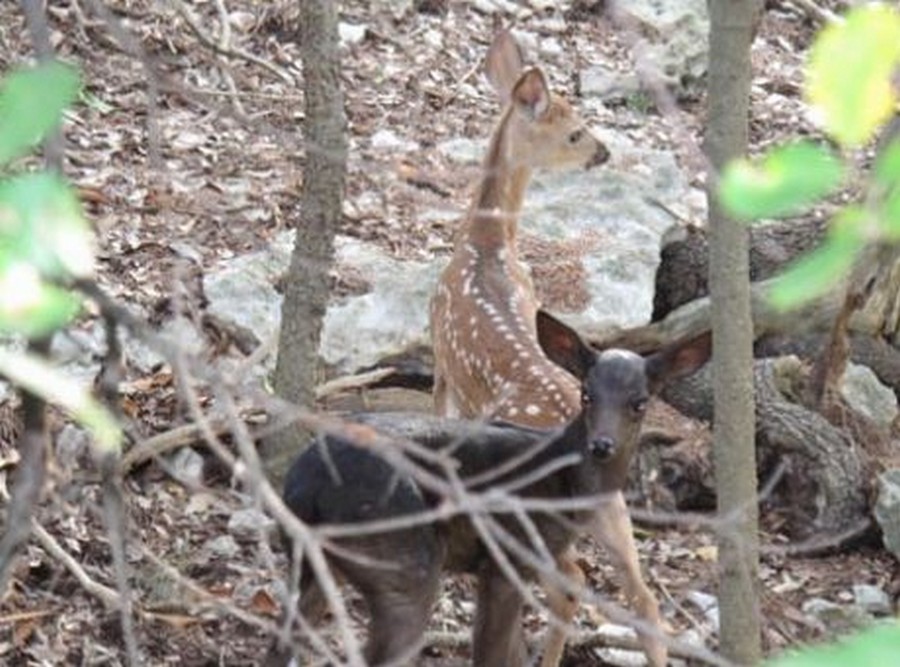
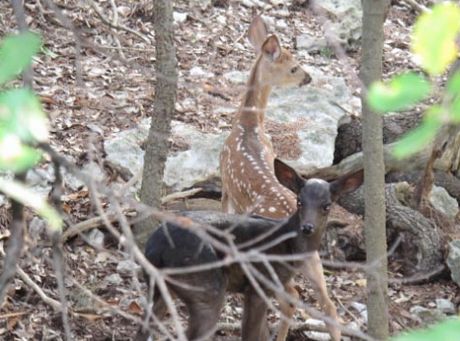
A black melanistic and normal-colored whitetail fawn

Such is the case with the city of Austin, Texas. Melanistic deer naturally occur in this area and show up again year after year. Black-colored deer occur throughout the United States in very small numbers, but apparently the gene pool for melanistic deer is well-stocked in Austin. From a genetic standpoint, this makes sense. The “normal” color observed in deer is the result of dominant genes. Any variation in that color is caused by abnormal, or recessive genes. Just as many deer management programs spare certain bucks to concentrate genes for specific traits, the melanistic deer in Austin, Texas, have been spared because they live in a developed area.

Melanistic Whitetail Fawn PhotosMelanistic Whitetail Fawn Photos

Melanistic Whitetail Fawn PhotosMelanistic Whitetail Fawn Photos

This has allowed the very recessive genes for black hair, at least in white-tailed deer, to be passed on in a “protected” area with little to no predators. And although these genes are concentrated, the genes are recessive and do exist in an open population. So not every deer is melanistic, but melanistic deer can occur when melanistic deer, or deer that carry melanstic genes (but look normal), breed. The take home message as it relates to deer management on your property is that certain genes–even rare ones–can be increased within a population if managed and protected.