Managing White-tailed Deer Within a High Fenced Property

Question: “Our family has over 600 acres down in South Texas. We have federal property along the east border, an industrial facility to the west and some trigger happy neighbors to the south. We are in the final stages of negotiating the cost of a pipeline running along to borders of the ranch. The money paid will more than cover the cost to high fence the perimeter of the property, which the entire ranch needs new fencing regardless.

We are meeting with some other local landowners with high fenced properties to discuss the pros and cons and hopefully answer a lot of questions regarding managing whitetail deer and a few exotic animals. Assuming we high fence our property, what are your thoughts on what to do with the existing deer population as it relates to bringing in some better quality deer? How should the hog population be addressed both before and after high fencing?

Thanks for the input and helpful articles I have found thus far.” — Submitted by Chris. D.

Managing Deer Populations on a High Fenced Property

High Fence Considerations

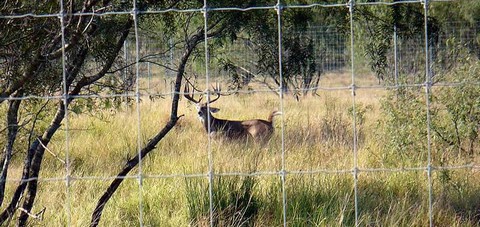
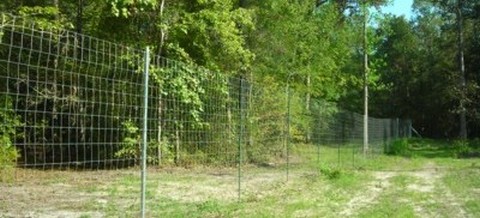
First, what are your goals? Second, what are your goals for the land? Will constructing a high fence around the property help you achieve these goals? These are important considerations for anyone pondering the placement of a game fence around their property in the name of deer management. In this particular case, the property needs new fencing so the timing is right (and the money is available), but consider the short-term and long-term goals for the property before building that really tall fence around it. Consider everything about the property (more on this later), not just the deer herd.

Most landowners will cite increased control, management over the deer herd as their primary reason for putting a high fence around a property. But, I can assure you that there have been many high fences built ONLY because of “trigger happy neighbors.” It’s only after the fence is complete that many landowners find themselves fenced in, only now in the role of a full-time deer manager. A high fence provides a landowner with the potential to manage deer density, buck to doe ratio and buck age structure, as well as the habitat found on the property (by manipulating deer numbers), but are you ready?

Committing  to the Fence

It’s a commitment. Anyone that builds a high fence around a property should understand that they are taking full responsibility for the well being of the habitat and wildlife found within. It’s essentially a marriage between the owner(s) and the property. And much like having a significant other, there are going to be costs associated with taking care of a high fenced property, in terms of both time and money. How much time will a high fence mean to you?

It depends on the size of the property, but like any fence, expect to spend time checking the fence regularly and maintaining the fence as needed. There will be necessary repairs caused by falling trees, running water at draws and creek crossings, as well as those caused by feral hogs, deer and domestic livestock on either side of the fence. A fence of any size takes time and money to maintain, but a high fence constructed for the purposes of managing a deer population takes even more monitoring because  of predator issues and the fact that any breech means animals will enter/exit.

High Fences are Not “Deer Proof”

Ask anyone that owns property surrounded by a high fence (or adjacent one) and they will tell you that deer get out. On the flip side, deer also get in. For all the reasons listed above, anything that compromises the integrity of the fence will allow animals to move on or off the property. Although the owners/managers of high fenced properties realize this, I think it’s important to mention for those considering constructing a high fence around their property. High fences are not deer proof; they’re more like deer retardant.

Whitetail deer found within habitat that provides the food, cover and water that they need will make a content living. However, deer also need a certain amount of space. This can vary greatly based on the habitat and conditions under which they live, but white-tailed deer naturally cover an area (home range size) that is a minimum of several hundred acres in size. For this reason, as well as others, it’s not recommend that properties less than several hundred acres in size be enclosed within a high fence. Larger acreages will help with deer “proof-ness.”

Predator Control is Important

Another critical component of managing a white-tailed deer population within a high fence is predator control. No one must be more committed to predator control, specifically coyotes, that a person that owns a high-fenced property. Why, you ask? Because a high fence, which limits the movement of whitetail, can and will be used by predators to make them more effective hunters of deer.

Coyotes are smart animals and can take advantage of terrain, fences and use pack-hunting to systematically pick off a deer population, especially within small high fenced properties.

Even on large acreage properties, strange boundary configurations essentially create “death traps” for deer. These traps can be characterized as either property “fingers” or a fence corners. A finger would be a section, say 20-80 acres, that juts off the main body of the high fenced property, so it essentially forms an alley where deer can be pushed, run down and killed by coyotes. Corners are obviously bad for deer, good for coyotes. Avoid fencing fingers, which also reduces corners.

I’m not an all-out coyote hater, but if you have or plan to have a high fenced property where the goal is deer population management then this is something to be aware of. By the way, coyotes also use low fences (net wire) to increase hunting efficiency. Most deer can jump a normal fence, but maybe not if its tired (from being pursued) or a fawn.

Feral hog populations should be eliminated, but this is almost impossible  reduced on every property where deer management is important or agriculture takes place. Although wild hogs will occasionally find and eat deer fawns, the larger problem will be the holes that big hogs create within the perimeter fence. There’s always the chance that hogs from outside the fence will bust in, but it’s the hogs within the property that will compete with deer for food, water and space.

Managing Whitetail Deer in a High Fence

High Fence White-tailed Deer Management 

Unless you already know that you can only live with bucks that look exactly like those found in commercial deer breeder pens on your property, then please resists the urge to go out and buy them. It’s amazing what some good ole-fashioned management can do for a white-tailed deer population. Start with the things that a high fence allows you to control: deer density, buck to doe ratio and the age structure of bucks.

First, determine the carrying capacity of the property for white-tailed deer. This means getting a wildlife biologist on the property to determine how many deer the property can support based on the plant communities found there. Then, it’s a matter of conducting surveys in late summer or early fall to estimate the deer population and develop harvest recommendations based on goals.

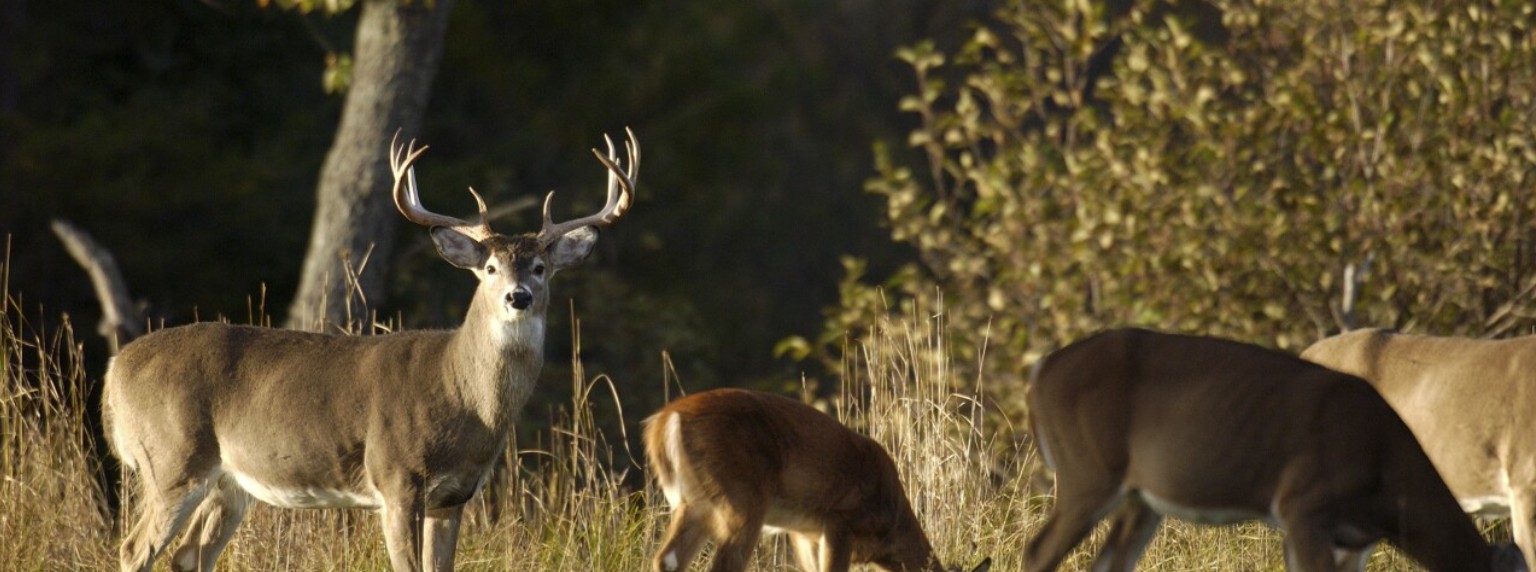
This will likely include decreasing the doe population to get the number of bucks and the number of does closer together. On a 600 acre high fenced property, aiming for a buck to doe ratio of 1 buck for every 1.2 to 1.5 does would be a good place to start. This ratio can shift closer to 1:1 as the total number of bucks, percentage of older-aged bucks increases.

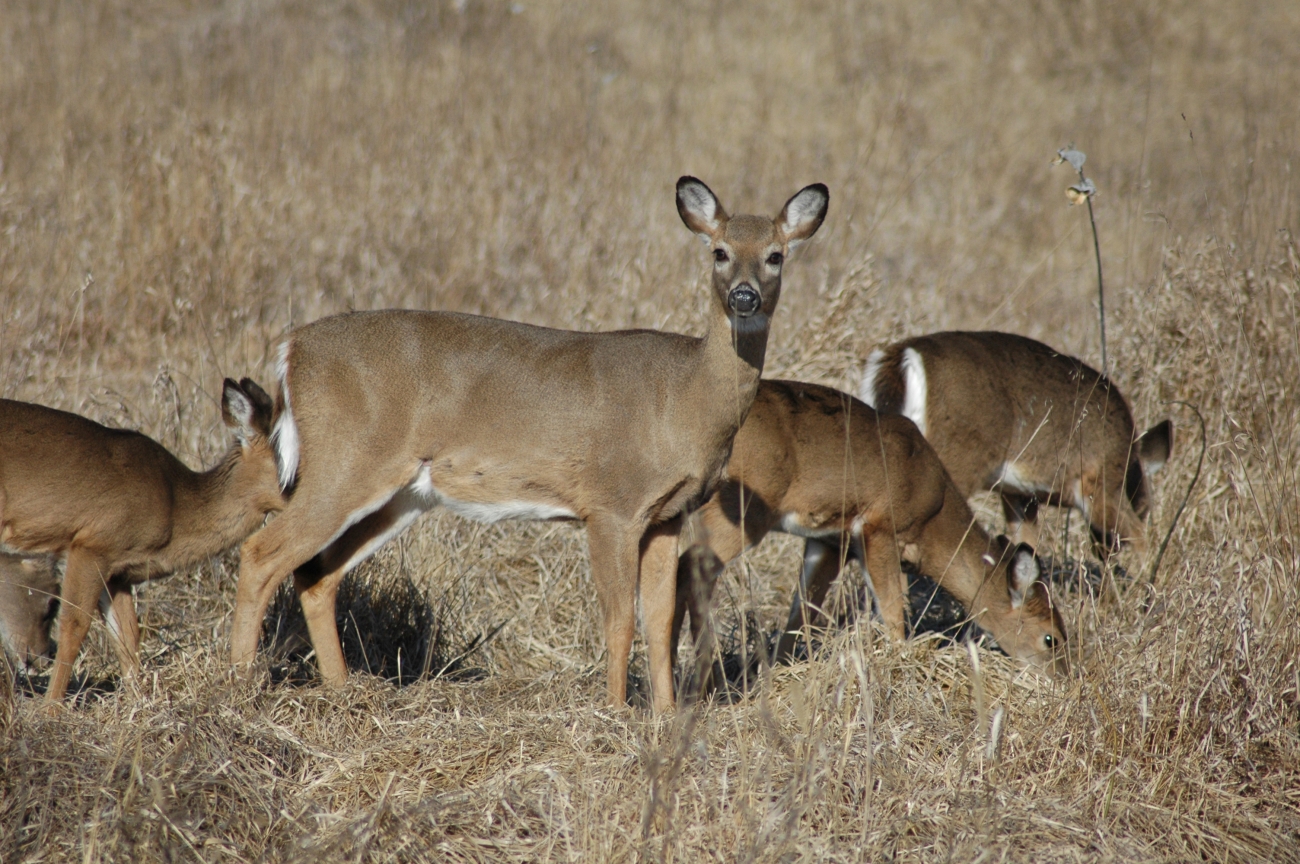
Maintaining proper deer density allows good nutrition for individual deer and that maintains a healthy whitetail herd. Healthy animals grow larger bodies and that translates into bigger antlers, higher fawn survival rates and better hunting year-in and year-out.

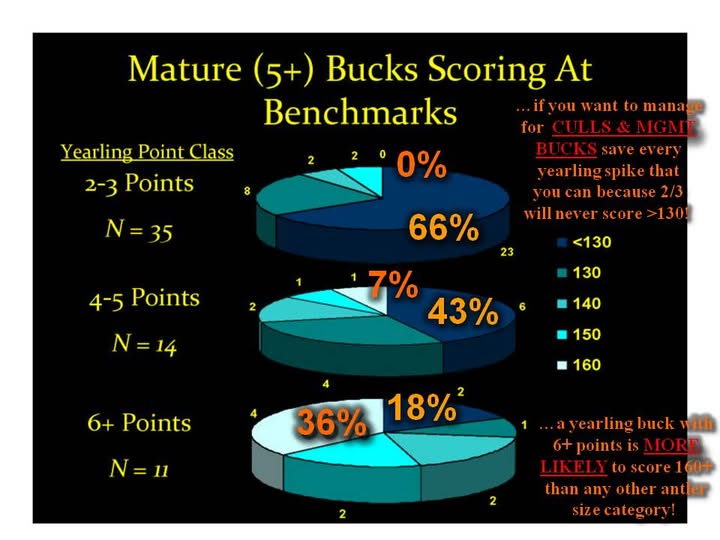
Selective, age-based buck harvest by shooting, for the most part, only bucks 5 1/2+ years of age will also increase the number of older-aged bucks in the herd. Older, well-fed bucks means substantial changes in antler quality can be observed without the introduction of deer.

Managing for the correct number of deer on the property is not only good for the deer (and the habitat that they require), but it helps your wallet too. The Supplemental feeding of deer works well when it’s part of a designed management plan, but do not think that you absolutely must provide high protein foods if the number of deer is at or below the carrying capacity of the property.

Deer, like people, will eat things that taste good when they are readily available, whether they really need it or not. Providing feed through genuine stress periods, of course, would be recommended.

One of the best things the owner of a high fenced property can do, or any property for that matter, is to prevent the deer population from exceeding the carrying capacity of the property. Just about every exotic ungulate competes with white-tailed deer, so the number of whitetail plus the number of exotics must not exceed the carrying capacity of the property. Also, keep cattle numbers at low to moderate levels if the primary interest is deer. Overgrazing leads to the overuse of the protein-rich foods that deer prefer, both forbs and browse plants.

Managing white-tailed deer within an enclosed area is a huge commitment. A high fence provides a landowner/manager with the ability to achieve deer management goals that may not have been otherwise possible, so this is why many see game fencing as such a valuable tool. On the other hand, a high fence is not for everyone. There are also the possibilities of no or mis-management by the property owner, which will negatively impact the deer herd, plant communities and likely value of the land.

Why Deer Surveys are Important for Deer Management

Annual Deer Surveys Key for Deer Management

Effective deer management depends on accurate information. Whether the goal is maintaining a healthy herd, improving habitat, balancing population levels, or enhancing hunting opportunities, the foundation of every decision is data. Deer surveys—structured efforts to estimate population size, composition, and trends—provide that essential data. Without them, managers are essentially guessing. With them, they can make informed decisions that support ecological health, landowner goals, and long term sustainability. This article discusses why deer surveys are critical for a successful deer management program.

Standardized Deer Surveys Contribute to Deer Management Success

Deer surveys serve as the backbone of responsible wildlife management because they allow land managers to understand not just how many deer are present, but what kinds of deer make up the population, how the population is changing, and whether management strategies are effective. These insights guide harvest recommendations, habitat improvements, and long term planning. In short, deer surveys empower managers to align actions with real conditions on the landscape.

Understanding Deer Population Size

The most basic reason deer surveys matter is simple: knowing how many deer you have is the first step in determining what needs to be done. A property with too few deer will require different management strategies than a property where deer numbers exceed habitat capacity. Overpopulation can lead to habitat degradation, increased disease risk, and poor body condition. Underpopulation may reduce hunter success in the short term, limit hunting opportunities in the future, and prevent the herd from reaching its full ecological potential.

By estimating population size through methods like spotlight surveys, camera surveys, or helicopter counts, managers can detect trends over time. Are deer numbers increasing? Are they stable? Are they declining? Recognizing these patterns enables managers to adjust deer harvest strategies or habitat management accordingly. For instance, if surveys show a rapidly growing population, harvest recommendations may increase to prevent nutritional stress and habitat damage. Conversely, if numbers are dropping, managers may reduce harvest quotas or focus on improving habitat quality.

Without surveys, these population shifts may go unnoticed until they become severe problems. Regular monitoring ensures changes are identified early enough for corrective action.

Deer Surveys: Evaluating Sex Ratio & Age Structure

A healthy deer herd isn’t just about numbers; it’s also about balance. Sex ratio and age structure play major roles in herd dynamics, breeding success, and overall vitality. Deer surveys allow managers to evaluate whether bucks and does exist in appropriate proportions and whether the age classes are well represented.

An imbalanced sex ratio—such as too many does and too few bucks—can lead to extended breeding seasons, nutritional stress on does, and reduced antler quality among younger bucks who must compete prematurely. A more-balanced ratio supports a shorter, more synchronized breeding season, which benefits fawn survival and herd stability.

Deer Surveys are Important for White-tailed Deer Management

Likewise, age structure is critical to a herd’s health. A well‑managed population includes deer from multiple age classes. Older bucks contribute genetic diversity and desirable traits, while younger deer represent future breeding stock. Surveys that identify age distribution help managers determine whether harvest practices are skewing the population too heavily toward younger age classes or allowing an appropriate number of deer to mature.

Age and sex data gathered through camera surveys, observational counts, or harvest records reveal whether management goals—such as producing older‑age‑class bucks or increasing fawn recruitment—are being met. This allows managers to adjust strategies before imbalances lead to long‑term herd issues.

Assessing Habitat Quality and Carrying Capacity

Another reason deer surveys are fundamental is their role in evaluating habitat condition. While habitat assessments look directly at vegetation, preferred browse species, and cover availability, deer surveys show how deer respond to those conditions. For example, body weights, antler measurements, and fawn recruitment provide indirect evidence about whether habitat is meeting nutritional needs.

If surveys indicate poor fawn survival or declining body weight, managers know they must address habitat quality or adjust deer numbers. If antler development is consistently strong, it may signal that nutritional resources are adequate and management strategies are working. In this way, deer surveys serve as a barometer for ecological balance.

Understanding white-tailed deer carrying capacity—the number of deer the land can support without degradation—is also critical. Carrying capacity changes with drought, flood, brush management, invasive species, and other factors. Surveys reveal whether current deer numbers align with the habitat’s ability to support them. When populations exceed carrying capacity, managers can take action through increased harvest, supplemental feeding programs, or habitat restoration efforts.

Tracking Fawn Recruitment Using Deer Surveys

Fawn recruitment—the number of fawns that survive into the fall—is one of the best indicators of herd health. It reflects the success of breeding, the nutritional status of does, predation levels, and habitat quality. Deer surveys are essential for tracking recruitment trends year‑to‑year.

High recruitment suggests stability and strong reproductive output. Low recruitment may indicate predation pressure, nutritional stress, disease issues, or habitat limitations. By monitoring these patterns, managers can pinpoint problems and respond effectively. For example, if surveys show chronically low fawn recruitment, the property may need improved fawning cover, predator control efforts (within legal and ecological limits), or reduced competition from the large deer population.

Recruitment data also helps set realistic harvest quotas. Without understanding how many new deer enter the population each year, it’s impossible to manage the herd sustainably.

Measuring the Success of Deer Management Strategies

Another key reason deer surveys matter is simple: they show whether management strategies are working. Habitat improvement projects, brush management, water development, selective harvest practices, supplemental feeding, and other efforts all influence deer populations. But without regular surveys, managers have no way of knowing which interventions are effective and which need adjustments.

For example, after implementing a buck harvest strategy designed to increase the number of mature bucks, surveys can reveal whether older age classes are becoming more prevalent. If not, managers may need to refine harvest recommendations or reassess habitat suitability. Similarly, if a range improvement project aims to improve nutrition, surveys may show increased body weights or better antler growth over time.

Survey data transforms management from guesswork into an adaptive, evidence‑based process. It helps maintain accountability, demonstrates progress, and guides future decisions.

Enhancing Hunter Satisfaction and Economic Value

For properties where hunting is a priority, deer surveys play a critical role in maintaining hunter satisfaction and supporting economic value. Hunters expect healthy deer populations, quality bucks, and sustainable opportunities. Without surveys, managing harvest limits becomes difficult, and hunter expectations may not align with ecological reality.

Accurate survey data enables managers to set fair and science‑based harvest recommendations, improving both hunter success and herd health. It also provides useful communication tools for explaining management decisions to stakeholders, landowners, or lease groups. When hunters understand the reasoning behind harvest quotas and management strategies, cooperation and compliance tend to increase.

In places where hunting leases or guided hunts provide income, deer surveys are essential for economic stability. Healthy, well‑managed herds attract clients and support long‑term business operations.

Supporting Long‑Term Stewardship

Ultimately, deer surveys are important to deer management because they support responsible, long‑term stewardship of wildlife and habitat. Deer populations do not remain static; they respond to rainfall, weather patterns, predation, land use changes, and human decisions. Regular surveys allow managers to track these fluctuations, anticipate challenges, and maintain balance between herd needs and habitat capacity.

Effective stewardship means more than managing deer for today—it means protecting the future of the herd and the landscape it depends on. Deer surveys provide the information needed to make thoughtful, sustainable choices year after year.

Screwworms in Wildlife: Management Strategies in Texas

Screwworms in Wildlife: Risks, Impacts, & Management in Texas

Screwworms in wildlife represent one of the most serious parasitic threats to mammals in North America. Although the United States successfully eradicated the New World screwworm decades ago, wildlife managers, livestock producers, hunters, and conservationists remain alert because the pest has returned to Texas. The devastating impacts these parasites can have on wild animal populations.

Texas, with its extensive wildlife resources, international border, and diverse ecosystems, is particularly important in ongoing surveillance and prevention efforts.

Understanding how screwworms affect wildlife, which species are most vulnerable, and how managers can detect and reduce outbreaks is critical for protecting both wild animals and agricultural interests.

Screwworms in Wildlife

What are Screwworms?

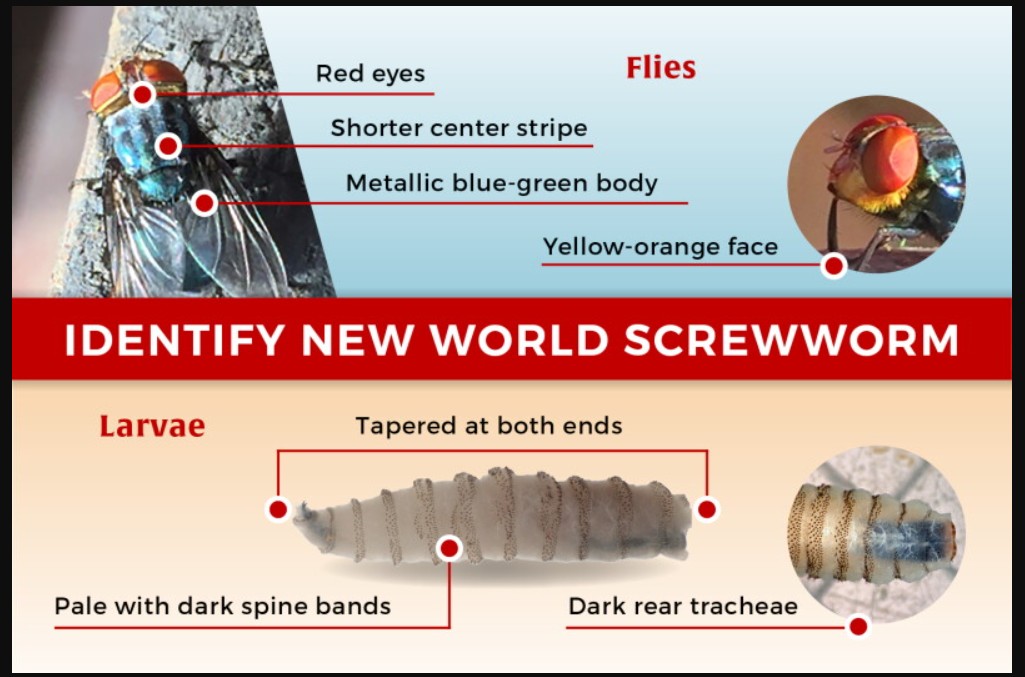
The New World screwworm is the larval stage of a parasitic fly, Cochliomyia hominivorax. Unlike many other fly larvae that feed on dead tissue, screwworm larvae feed on living flesh. Adult female flies lay eggs in open wounds, including cuts, abrasions, insect bites, branding marks, antler velvet injuries, or surgical sites.

Once the eggs hatch, the larvae burrow into the wound and feed on healthy tissue. As they grow, the infestation becomes larger and more severe, attracting additional flies that may deposit even more eggs. Without treatment, animals can suffer extensive tissue damage, secondary infections, debilitation, and death.

The name “screwworm” comes from the larvae’s screw-like appearance and their tendency to burrow deeply into wounds.

Why Screwworms Are a Concern in Texas

Texas has long been at the forefront of screwworm prevention efforts. Historically, screwworm infestations caused significant losses among livestock and wildlife throughout the state. Before eradication, ranchers and wildlife managers spent enormous amounts of time and resources treating infected animals.

Today, the primary concern is reintroduction. Texas shares ecological and economic connections with regions where screwworms could potentially spread northward. The state’s large populations of deer, exotic game species, feral hogs, livestock, and other wildlife provide abundant hosts should an outbreak occur.

Because many wildlife species roam across vast landscapes, a screwworm infestation could spread rapidly before detection. This makes surveillance and early response especially important.

Screwworms in Wildlife: Species at Highest Risk

Virtually any warm-blooded animal can become infected with screwworms, but some species face higher risks due to their behavior, habitat use, or frequency of injuries.

White-Tailed Deer

White-tailed deer are among the wildlife species most vulnerable to screwworm infestations in Texas. Screwworms and deer populations don’t coexist well. The eradication of the New World screwworm more than 50 years ago is widely considered one of the key factors behind the success of Texas’ deer herd.

Bucks frequently sustain wounds during the rut from antler fights and territorial disputes. These injuries create ideal sites for screwworm flies to deposit eggs. Fawns can also be susceptible through wounds associated with birth or injuries sustained during early life. Because white-tailed deer are abundant across Texas, they are often considered a key species in surveillance effort.

Mule Deer

Although less widespread than white-tailed deer in Texas, mule deer can face similar risks. Antler injuries, fence entanglements, and environmental wounds can all provide opportunities for infestation.

Exotic Game Species

Texas supports large populations of exotic hoofstock on private ranches, including species such as axis deer, blackbuck antelope, and various African antelope species. These animals may experience injuries from fighting, handling, transportation, or environmental hazards.

Because many exotic game operations involve high-value animals, screwworm infestations can result in significant economic losses as well as animal welfare concerns.

Feral Hogs

Feral hogs frequently suffer cuts and abrasions while moving through dense vegetation or competing with other hogs. Their high population densities in many areas of Texas could facilitate screwworm spread if an outbreak occurred.

Bighorn Sheep

Desert bighorn sheep populations are carefully managed and relatively small. Even limited screwworm infestations could have disproportionate impacts on local herds because population numbers are often already constrained by habitat and disease challenges.

Predators and Scavengers

Coyotes, bobcats, mountain lions, and other carnivores are also susceptible. Territorial disputes, hunting injuries, and encounters with prey can create wounds attractive to screwworm flies.

While predators may not experience the same population-level impacts as some ungulates, individual mortality can occur when infestations go untreated.

Population-Level Impacts of Screwworms in Wildlife

The effects of screwworms extend far beyond individual animals. During significant outbreaks, entire wildlife populations can experience measurable declines. The most direct impact is death from severe tissue damage, infection, blood loss, or exhaustion. Young animals are especially vulnerable because they possess fewer energy reserves and may be less capable of surviving extensive infestations.

For deer hunters and wildlife managers, the return of the New World screwworm could create significant challenges for herd management and harvest objectives this fall. If infestations become widespread, increased mortality could reduce local deer populations and alter age structures, potentially affecting harvest quotas and management goals.

Wildlife agencies may need to intensify monitoring efforts, adjust harvest recommendations in affected areas, and rely on hunters to report deer exhibiting unusual wounds or signs of infestation.

At the same time, hunter observations and harvested deer could provide valuable surveillance data, helping biologists detect new infestations quickly and respond before screwworms become established across larger portions of the landscape.

Population Declines

Animals weakened by screwworm infestations may fail to reproduce successfully. Females may experience lower pregnancy rates or reduced ability to care for offspring. Males weakened during breeding seasons may be less competitive.

When infestations affect large numbers of animals across a region, wildlife populations can decline significantly. Historical outbreaks demonstrated that deer populations, in particular, can experience substantial losses.

Economic Consequences

Wildlife contributes billions of dollars annually to the Texas economy through hunting, wildlife viewing, tourism, and land management activities. Significant wildlife losses can negatively affect landowners, outfitters, rural communities, and conservation programs.

How Wildlife Managers Detect Screwworms in Wildlife

Early detection is one of the most effective tools for limiting the spread of screwworms in wildlife. This means monitoring for wounds and unusual behavior.

Wildlife professionals routinely watch for animals displaying signs of screwworm infestation, including:

  • Large or expanding wounds
  • Visible maggots in living tissue
  • Foul-smelling lesions
  • Head shaking or excessive grooming
  • Weakness and lethargy
  • Isolation from normal social groups

Any suspicious wound should be noted. If observed in domestic or exotic livestock then it should be investigated and treated promptly.

New World Screwworm Identification

Hunter & Landowner Reporting

Hunters, ranchers, wildlife photographers, and landowners often serve as the first line of detection. Individuals who observe animals with unusual wounds or maggot infestations can provide valuable reports that trigger rapid investigations.

Because many wildlife populations occur on private lands in Texas, cooperation between landowners and wildlife agencies is especially important.

Sample Collection and Laboratory Confirmation

When screwworm infestation is suspected, larvae are collected and submitted for identification. Laboratory confirmation helps distinguish screwworms from other fly larvae that may colonize wounds but do not feed on living tissue.

Accurate identification is essential because management responses can differ dramatically depending on the species involved.

Surveillance Networks

State and federal agencies maintain surveillance programs designed to identify potential screwworm introductions as quickly as possible. These programs often involve cooperation among wildlife biologists, veterinarians, livestock producers, and border inspection personnel.

Immediate reporting and investigation help prevent isolated infestations from becoming larger outbreaks. The sooner infected animals are identified, the greater the likelihood of containing the problem.

Managing Artificial Sources of Injury

Wildlife managers and landowners can reduce unnecessary injuries by:

  • Maintaining fences and infrastructure
  • Using safe wildlife handling practices
  • Minimizing trauma during capture operations
  • Monitoring animals after management activities

Reducing wounds decreases opportunities for screwworm flies to reproduce.

Sterile Insect Technique

One of the most successful insect control programs ever developed involves the release of sterile male screwworm flies. When wild females mate with sterile males, no viable offspring are produced, causing populations to collapse over time.

This strategy played a major role in eliminating screwworms from the United States and remains an important tool for preventing future establishment.

The Future of Screwworm Management in Texas

The threat of screwworms in wildlife has become a reality again. Texas occupies a critical position in North American surveillance efforts due to its geography, wildlife abundance, and livestock industry.

Continued cooperation among wildlife agencies, livestock producers, hunters, veterinarians, and private landowners will be essential for protecting wildlife populations. Early detection, rapid reporting, and proven control strategies for livestock offer the best defense for ag producers.

By remaining alert and maintaining strong surveillance programs, Texas can help ensure that screwworms in wildlife remain a manageable threat rather than a widespread ecological and economic crisis.