Annual Deer Surveys Key for Deer Management
Effective deer management depends on accurate information. Whether the goal is maintaining a healthy herd, improving habitat, balancing population levels, or enhancing hunting opportunities, the foundation of every decision is data. Deer surveys—structured efforts to estimate population size, composition, and trends—provide that essential data. Without them, managers are essentially guessing. With them, they can make informed decisions that support ecological health, landowner goals, and long term sustainability. This article discusses why deer surveys are critical for a successful deer management program.
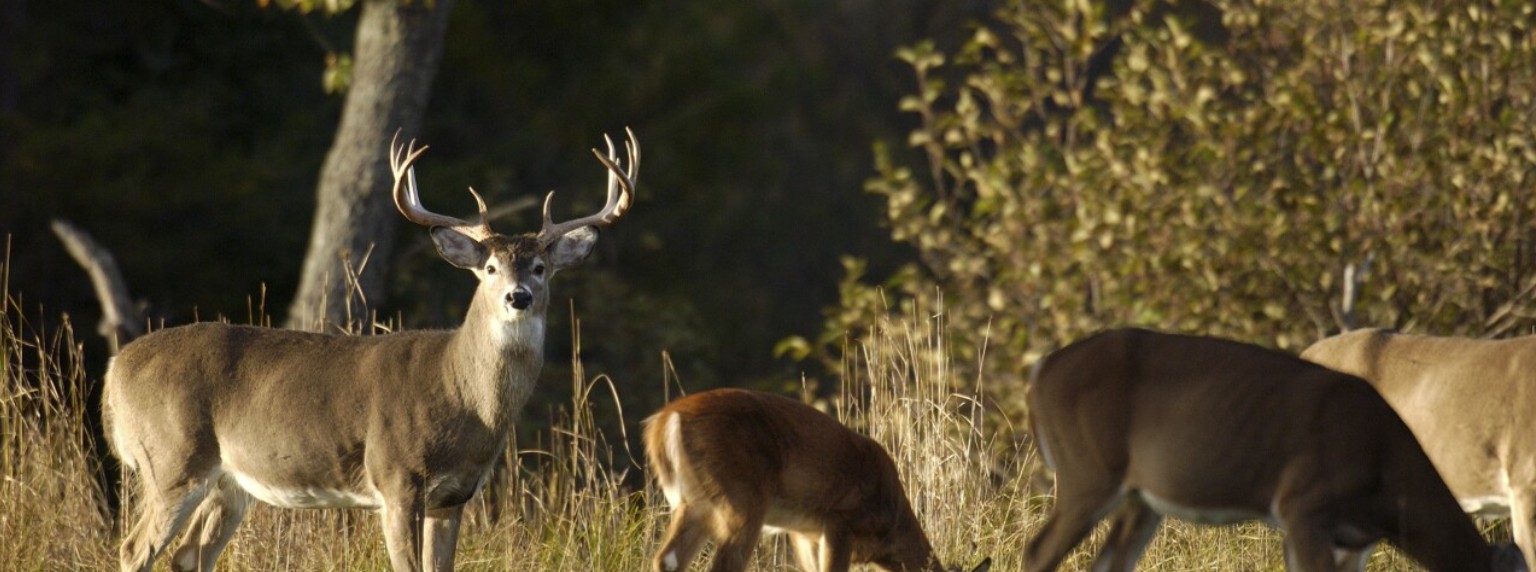
Deer surveys serve as the backbone of responsible wildlife management because they allow land managers to understand not just how many deer are present, but what kinds of deer make up the population, how the population is changing, and whether management strategies are effective. These insights guide harvest recommendations, habitat improvements, and long term planning. In short, deer surveys empower managers to align actions with real conditions on the landscape.
Understanding Deer Population Size
The most basic reason deer surveys matter is simple: knowing how many deer you have is the first step in determining what needs to be done. A property with too few deer will require different management strategies than a property where deer numbers exceed habitat capacity. Overpopulation can lead to habitat degradation, increased disease risk, and poor body condition. Underpopulation may reduce hunter success in the short term, limit hunting opportunities in the future, and prevent the herd from reaching its full ecological potential.
By estimating population size through methods like spotlight surveys, camera surveys, or helicopter counts, managers can detect trends over time. Are deer numbers increasing? Are they stable? Are they declining? Recognizing these patterns enables managers to adjust deer harvest strategies or habitat management accordingly. For instance, if surveys show a rapidly growing population, harvest recommendations may increase to prevent nutritional stress and habitat damage. Conversely, if numbers are dropping, managers may reduce harvest quotas or focus on improving habitat quality.
Without surveys, these population shifts may go unnoticed until they become severe problems. Regular monitoring ensures changes are identified early enough for corrective action.
Deer Surveys: Evaluating Sex Ratio & Age Structure
A healthy deer herd isn’t just about numbers; it’s also about balance. Sex ratio and age structure play major roles in herd dynamics, breeding success, and overall vitality. Deer surveys allow managers to evaluate whether bucks and does exist in appropriate proportions and whether the age classes are well represented.
An imbalanced sex ratio—such as too many does and too few bucks—can lead to extended breeding seasons, nutritional stress on does, and reduced antler quality among younger bucks who must compete prematurely. A more-balanced ratio supports a shorter, more synchronized breeding season, which benefits fawn survival and herd stability.
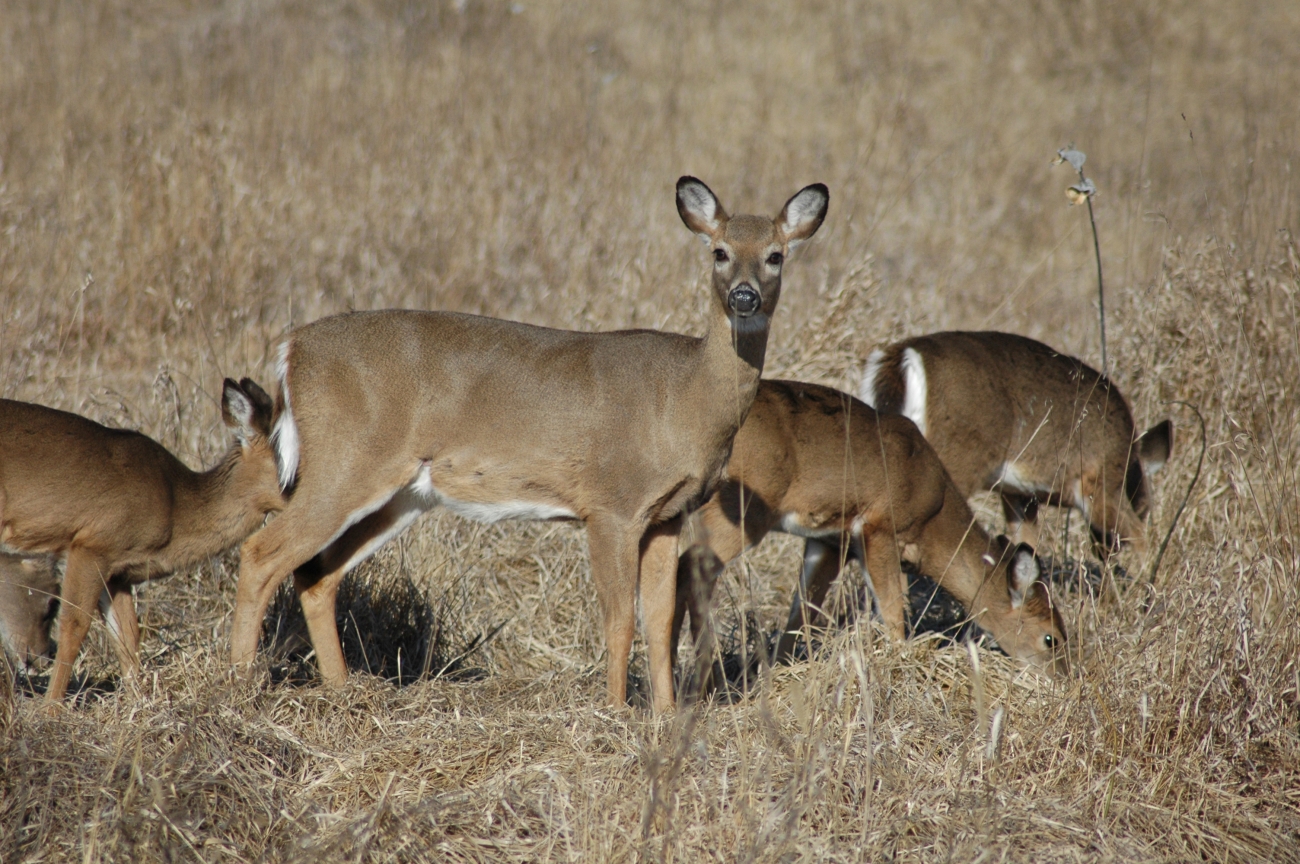
Likewise, age structure is critical to a herd’s health. A well‑managed population includes deer from multiple age classes. Older bucks contribute genetic diversity and desirable traits, while younger deer represent future breeding stock. Surveys that identify age distribution help managers determine whether harvest practices are skewing the population too heavily toward younger age classes or allowing an appropriate number of deer to mature.
Age and sex data gathered through camera surveys, observational counts, or harvest records reveal whether management goals—such as producing older‑age‑class bucks or increasing fawn recruitment—are being met. This allows managers to adjust strategies before imbalances lead to long‑term herd issues.
Assessing Habitat Quality and Carrying Capacity
Another reason deer surveys are fundamental is their role in evaluating habitat condition. While habitat assessments look directly at vegetation, preferred browse species, and cover availability, deer surveys show how deer respond to those conditions. For example, body weights, antler measurements, and fawn recruitment provide indirect evidence about whether habitat is meeting nutritional needs.
If surveys indicate poor fawn survival or declining body weight, managers know they must address habitat quality or adjust deer numbers. If antler development is consistently strong, it may signal that nutritional resources are adequate and management strategies are working. In this way, deer surveys serve as a barometer for ecological balance.
Understanding white-tailed deer carrying capacity—the number of deer the land can support without degradation—is also critical. Carrying capacity changes with drought, flood, brush management, invasive species, and other factors. Surveys reveal whether current deer numbers align with the habitat’s ability to support them. When populations exceed carrying capacity, managers can take action through increased harvest, supplemental feeding programs, or habitat restoration efforts.
Tracking Fawn Recruitment Using Deer Surveys
Fawn recruitment—the number of fawns that survive into the fall—is one of the best indicators of herd health. It reflects the success of breeding, the nutritional status of does, predation levels, and habitat quality. Deer surveys are essential for tracking recruitment trends year‑to‑year.
High recruitment suggests stability and strong reproductive output. Low recruitment may indicate predation pressure, nutritional stress, disease issues, or habitat limitations. By monitoring these patterns, managers can pinpoint problems and respond effectively. For example, if surveys show chronically low fawn recruitment, the property may need improved fawning cover, predator control efforts (within legal and ecological limits), or reduced competition from the large deer population.
Recruitment data also helps set realistic harvest quotas. Without understanding how many new deer enter the population each year, it’s impossible to manage the herd sustainably.
Measuring the Success of Deer Management Strategies
Another key reason deer surveys matter is simple: they show whether management strategies are working. Habitat improvement projects, brush management, water development, selective harvest practices, supplemental feeding, and other efforts all influence deer populations. But without regular surveys, managers have no way of knowing which interventions are effective and which need adjustments.
For example, after implementing a buck harvest strategy designed to increase the number of mature bucks, surveys can reveal whether older age classes are becoming more prevalent. If not, managers may need to refine harvest recommendations or reassess habitat suitability. Similarly, if a range improvement project aims to improve nutrition, surveys may show increased body weights or better antler growth over time.
Survey data transforms management from guesswork into an adaptive, evidence‑based process. It helps maintain accountability, demonstrates progress, and guides future decisions.
Enhancing Hunter Satisfaction and Economic Value
For properties where hunting is a priority, deer surveys play a critical role in maintaining hunter satisfaction and supporting economic value. Hunters expect healthy deer populations, quality bucks, and sustainable opportunities. Without surveys, managing harvest limits becomes difficult, and hunter expectations may not align with ecological reality.
Accurate survey data enables managers to set fair and science‑based harvest recommendations, improving both hunter success and herd health. It also provides useful communication tools for explaining management decisions to stakeholders, landowners, or lease groups. When hunters understand the reasoning behind harvest quotas and management strategies, cooperation and compliance tend to increase.
In places where hunting leases or guided hunts provide income, deer surveys are essential for economic stability. Healthy, well‑managed herds attract clients and support long‑term business operations.
Supporting Long‑Term Stewardship
Ultimately, deer surveys are important to deer management because they support responsible, long‑term stewardship of wildlife and habitat. Deer populations do not remain static; they respond to rainfall, weather patterns, predation, land use changes, and human decisions. Regular surveys allow managers to track these fluctuations, anticipate challenges, and maintain balance between herd needs and habitat capacity.
Effective stewardship means more than managing deer for today—it means protecting the future of the herd and the landscape it depends on. Deer surveys provide the information needed to make thoughtful, sustainable choices year after year.