Texas CWD Update: 1,300 vs. 700,000?

Deer Hunting is Big Money

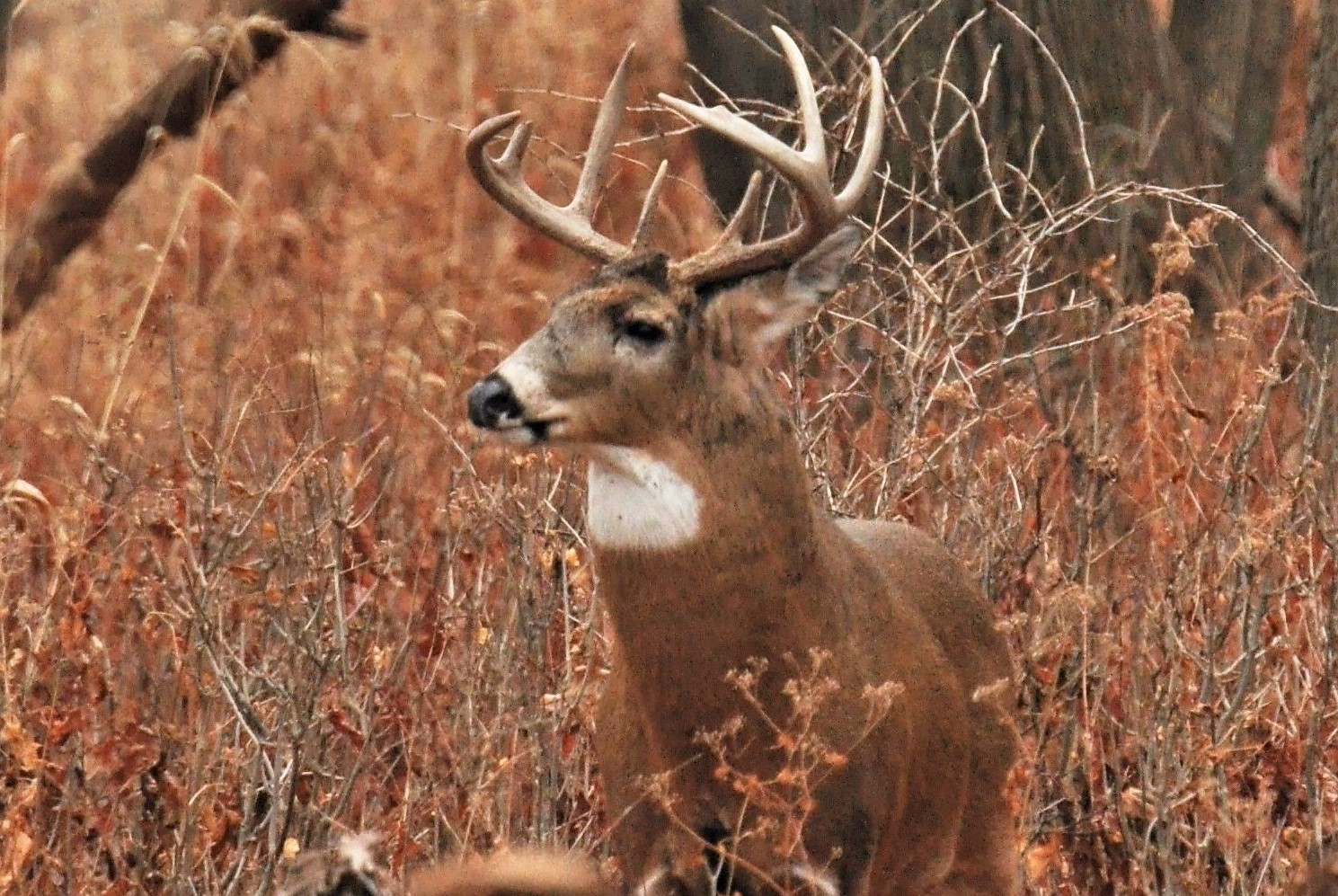
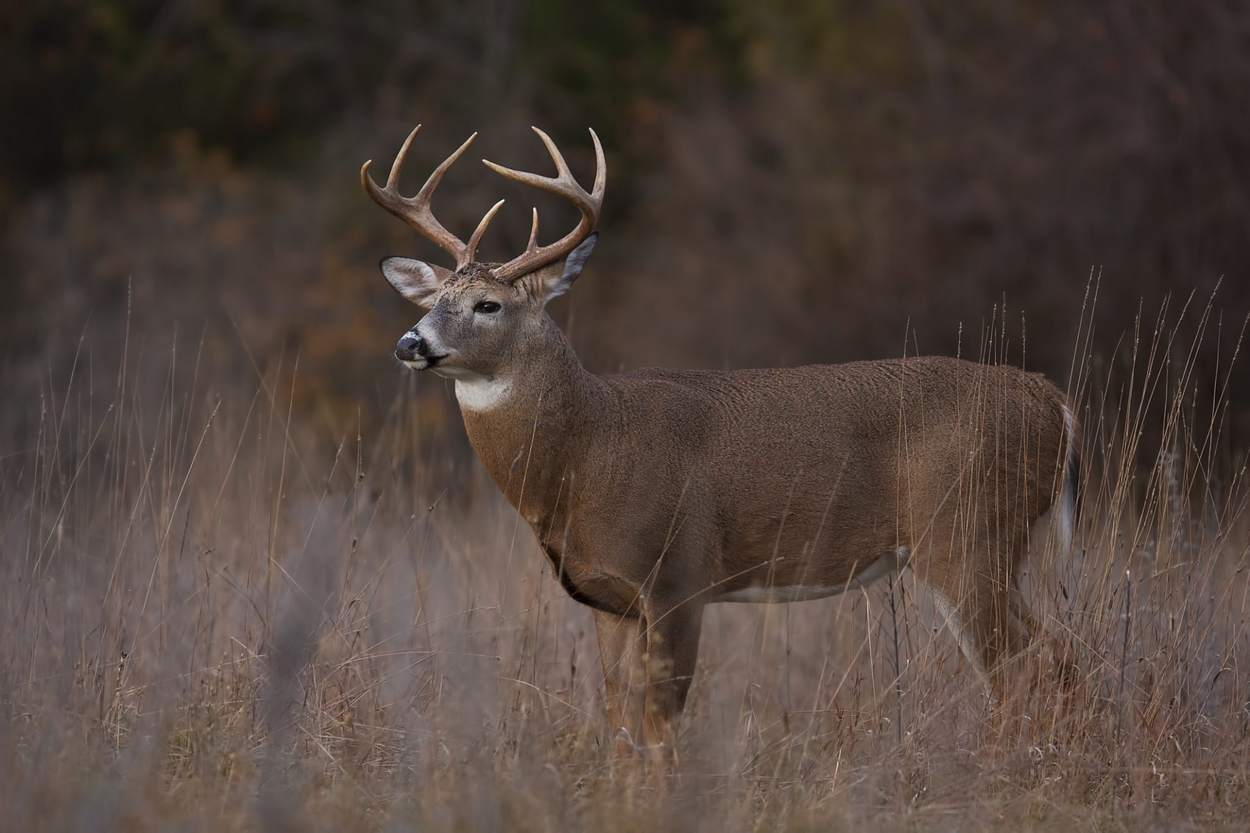
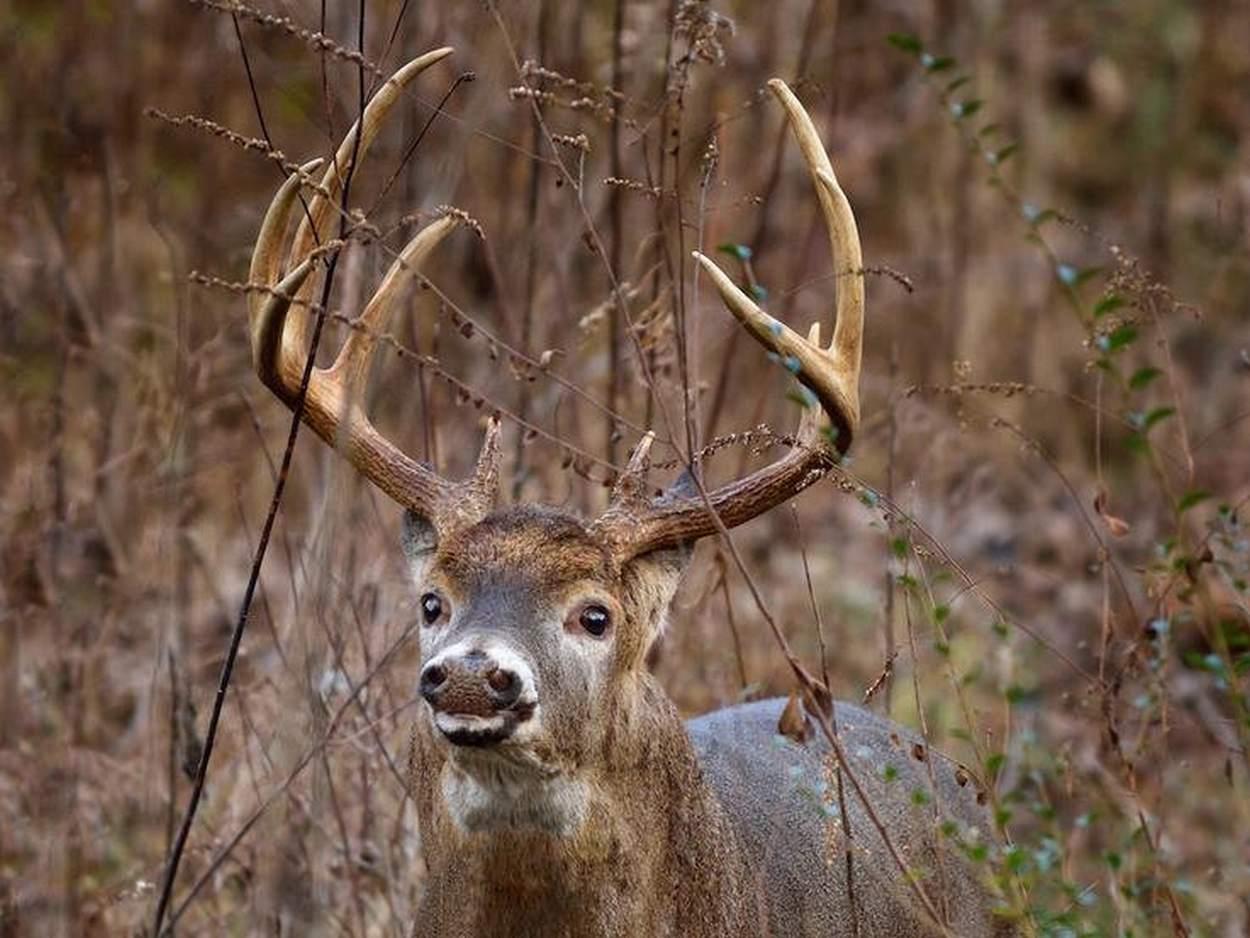
White-tailed deer hunting is huge in Texas. There are an estimated 700,000 deer hunters and 3.5 million whitetail in the state, making Texas number one in both whitetail hunter and deer numbers. Whitetail are important for the hunting heritage of state.

The “deer hunting industry” is estimated to account for over $2 billion annually, which according to my calculations makes each harvested deer worth about $3,400. That means each pound of boneless venison has a value of about $100. That puts things into perspective.

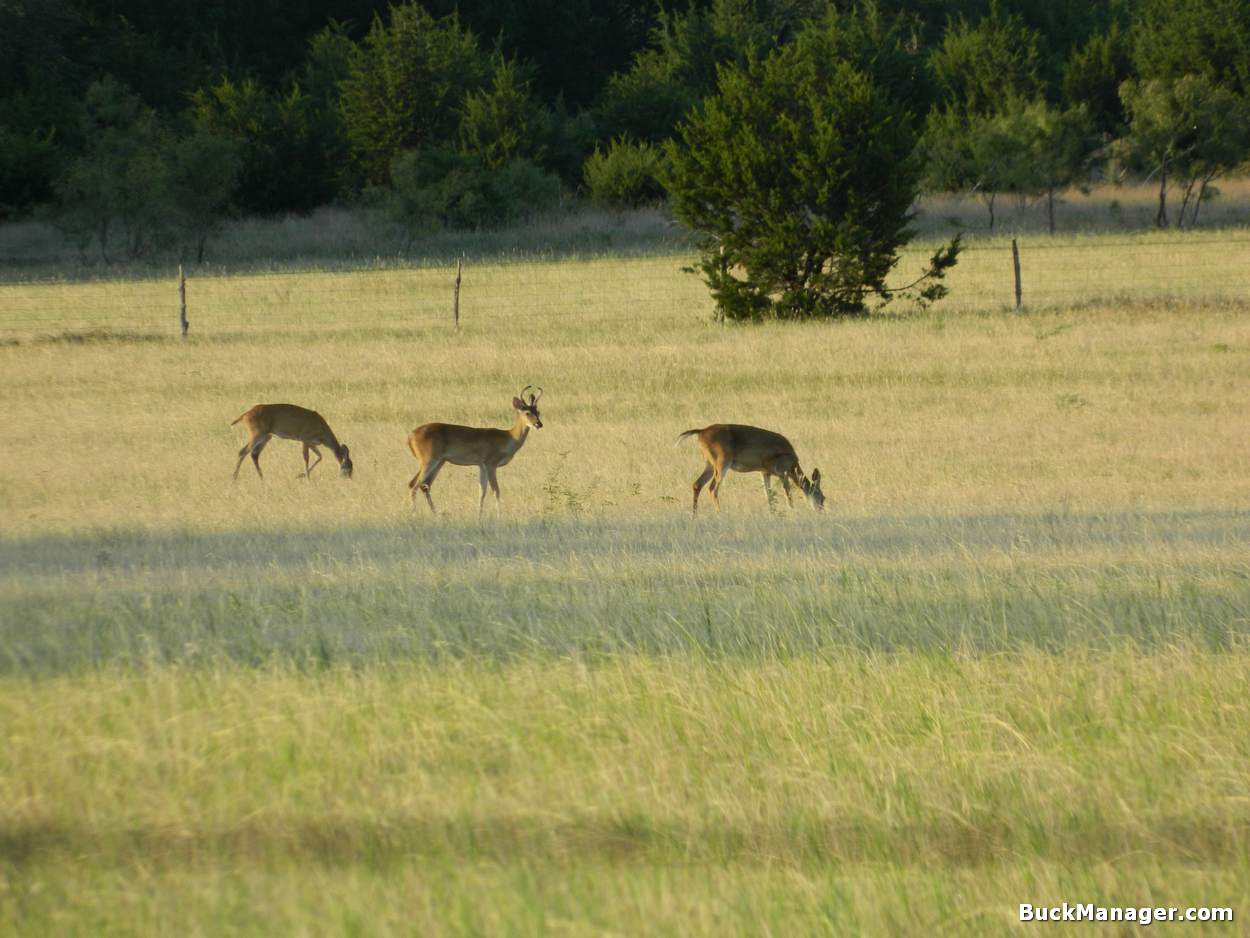
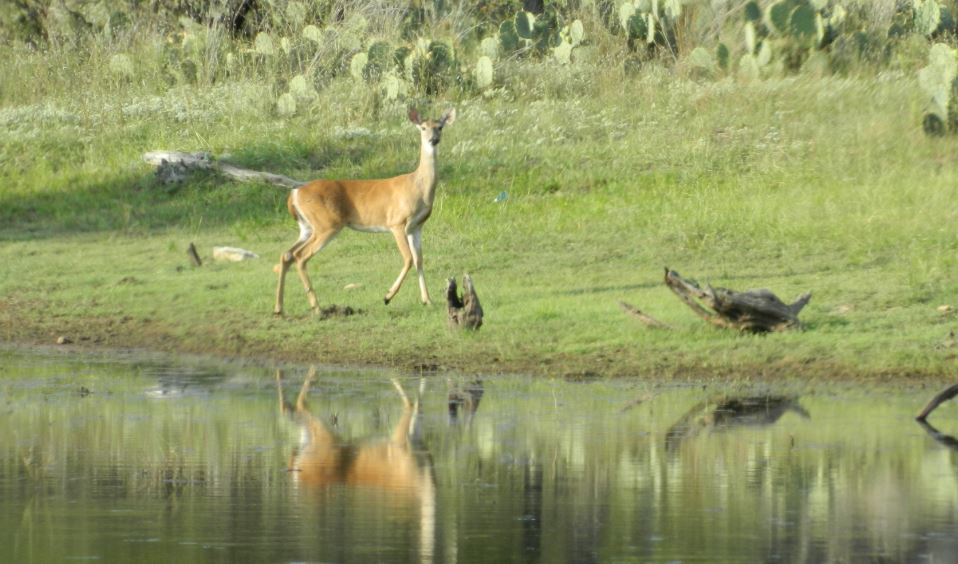
Deer Hunting in Texas
Image wildlifedepartment.com

CWD’s Impact on Hunting

In my book, wild, free-ranging white-tailed deer and deer hunting are simply priceless. It’s difficult to imagine a time when things could significantly change, and not for the better. At the time of writing, t’s been just over a month since chronic wasting (CWD) disease was found in a captive deer herd in Texas.

What will result from the discovery of CWD in Texas? What impact will this have on the deer population in the area where CWD is found? Has there been an overreaction or an underreaction? Will CWD impact the future of deer hunting in Texas?

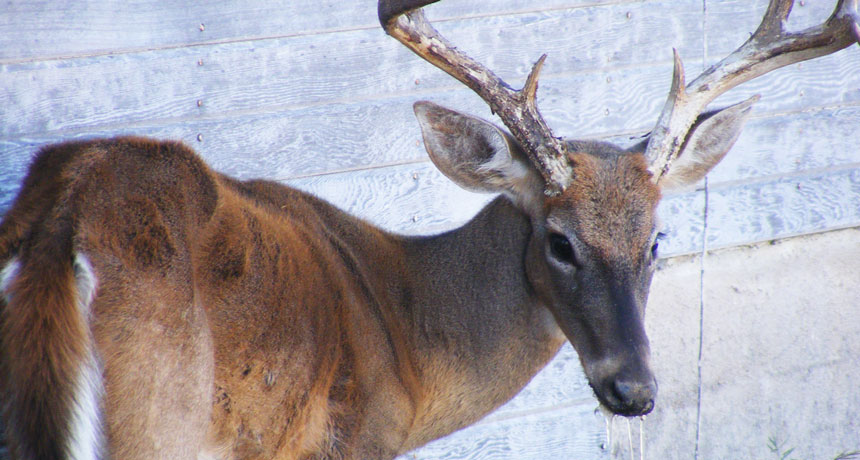
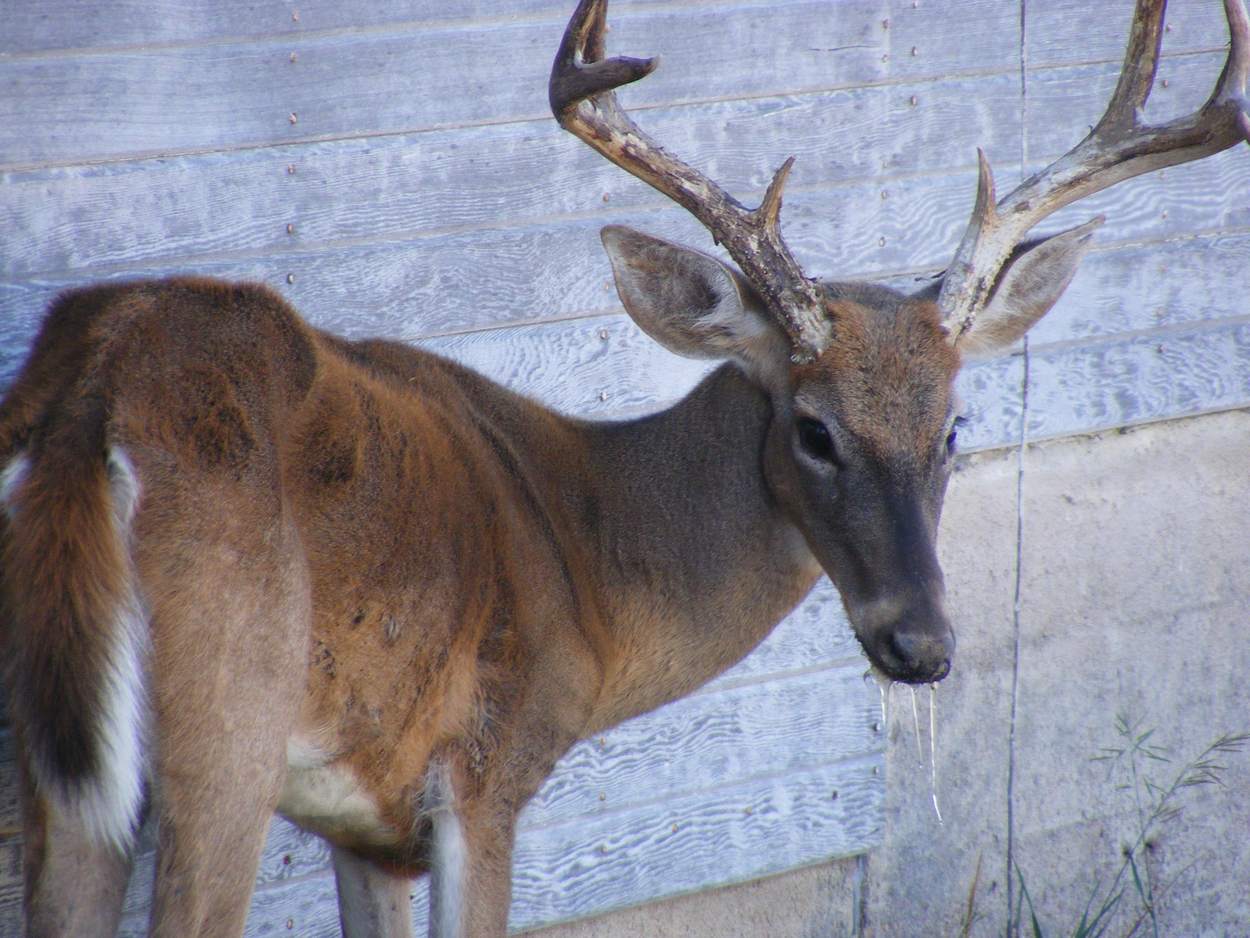
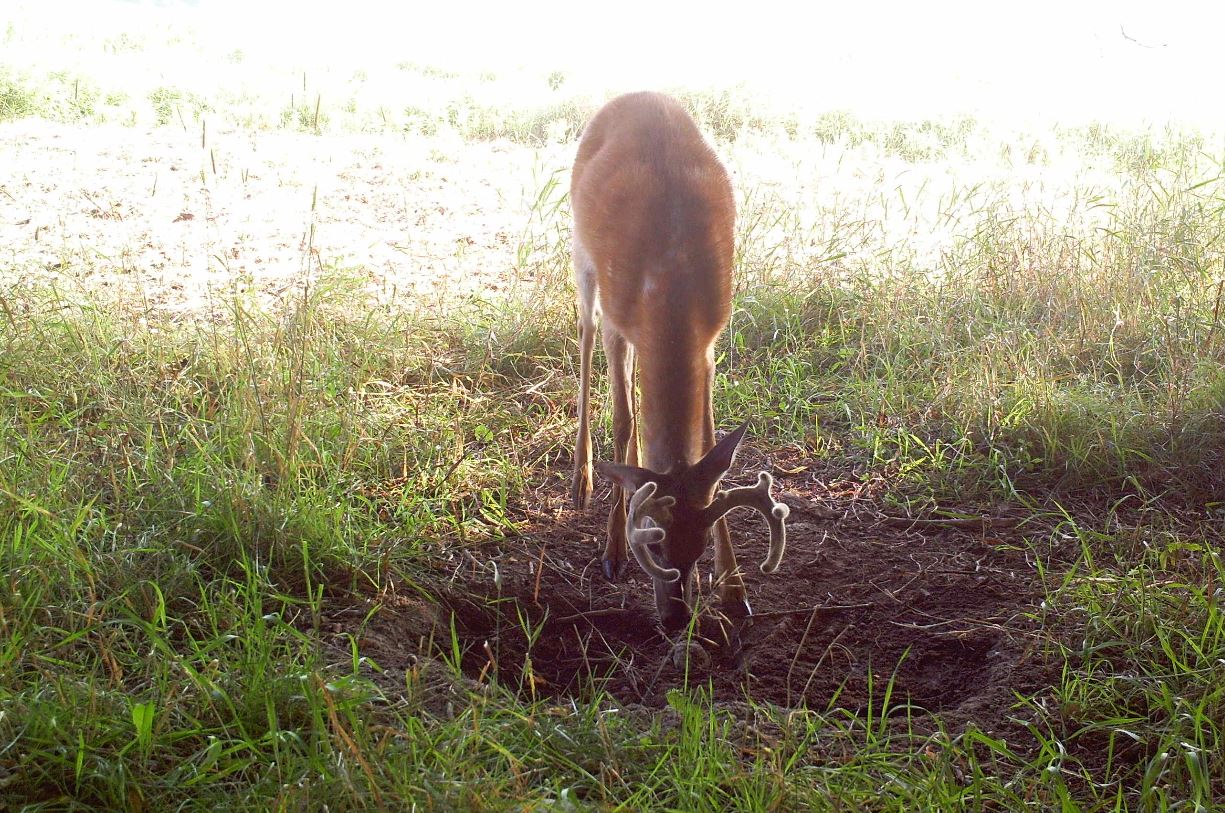
Whitetail Buck with CWD

CWD Testing of Deer

Source: There are a number of additional factors influencing this matter. Currently, the fastest and most accurate CWD detection test and the only test recognized by the United States Department of Agriculture (USDA) is a post- mortem inspection of the animal’s brain tissue. Captive breeder deer in Texas are property of the state, held by permit to possess.

TPWD and TAHC have the regulatory authority to seize deer in pens for testing, but are going to great lengths to reach compromise and provide options to captive deer breeders, while balancing the risks posed to the native free-range herd as well.

There are ante-mortem, or live animal, tests available to detect CWD. Obviously, this is preferable over euthanizing deer. Unfortunately, these tests require multiple rounds over several months to reach an acceptable accuracy level. Additionally, these tests are not approved by USDA, meaning that Texas would lose “status” with USDA if live animal tests were relied upon and therefore not be able to transport deer across state lines.

Will CWD kill deer hunting in Texas?

If the decision is made to use these tests, then a quarantine period would be necessary on exposed facilities and two additional layers of trace-out facilities while testing is completed.

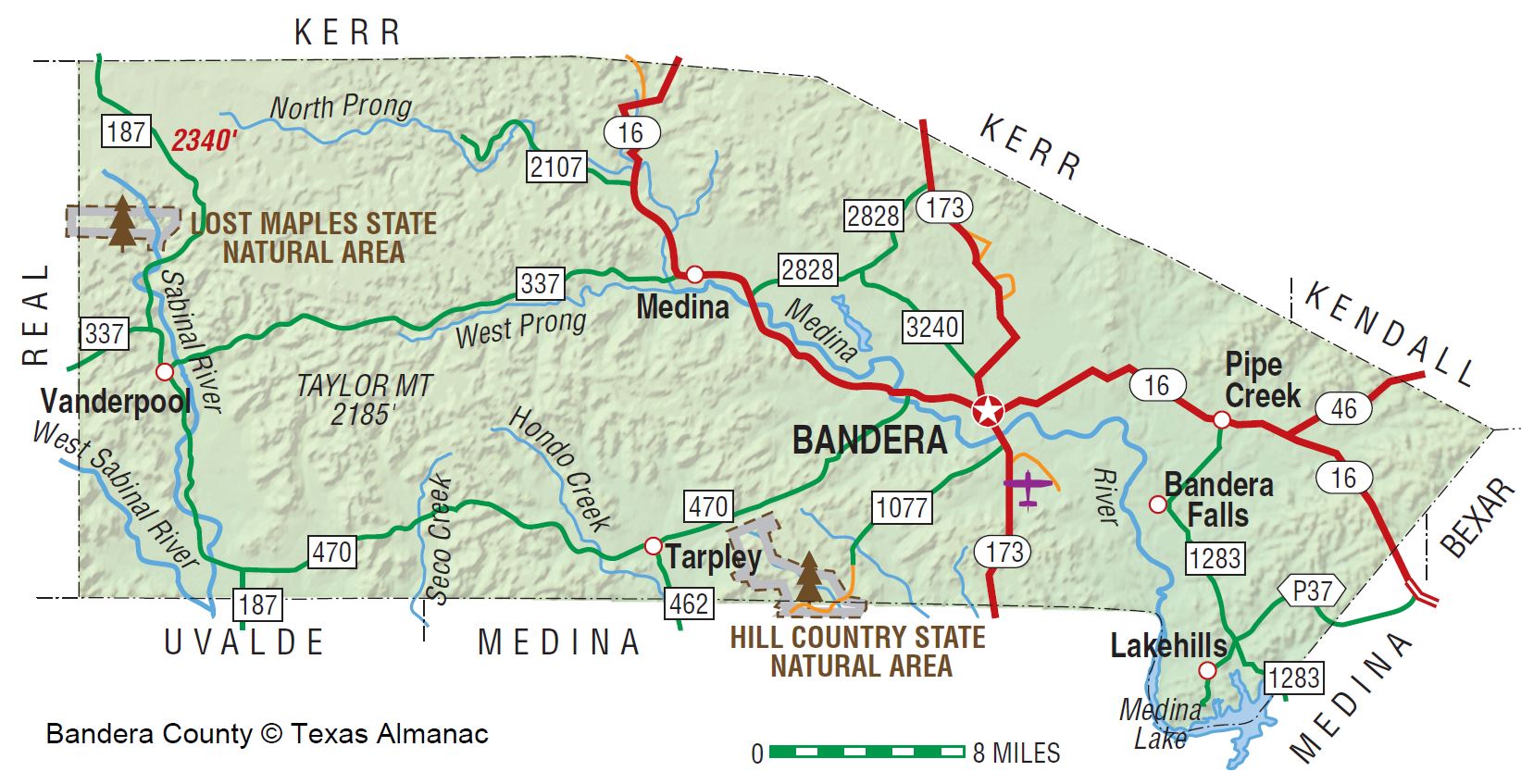
The scope and scale of captive deer breeders exposed to the index facility is huge. Over 10% of the captive deer breeding industry has direct Tier 1 exposure. For disease containment purposes, TPWD and TAHC must consider additional layers of trace-out facilities from those that are directly exposed. If an additional confirmed CWD finding occurs outside of the index facility, then the process starts all over again.

This could very quickly reach an enormous share of the captive deer breeder facilities in the state. TPWD and TAHC were absolutely correct to halt all movement statewide. Fortunately, July is the lowest period of captive breeder deer movement in the year.

Unfortunately, there is spike in captive breeder deer movement from mid-August to mid-September in preparation for hunting season. This is unfortunate because it creates a financial incentive for the captive deer breeding industry to push for movement restrictions to be lifted, perhaps prematurely. There is still substantial work to be done by TPWD and TAHC on testing and containment efforts.

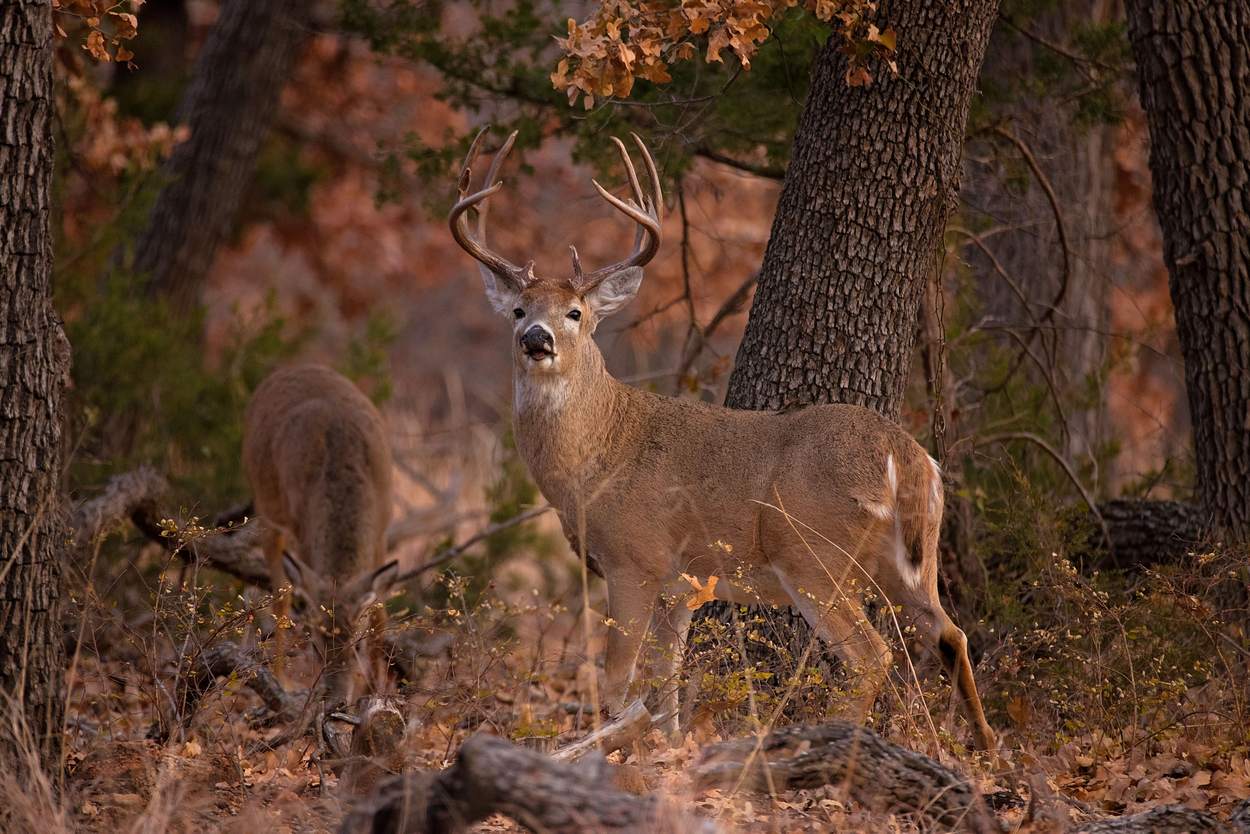
White-tailed Deer Hunting Opportunities in Texas are Increasing

These agencies are literally working around the clock, but there are only so many qualified people and only so many hours in the day. They must be allowed to do their job in a careful way without outside pressure.

There are approximately 1,300 captive deer breeder permit holders in Texas, who hold approximately 110,000 deer in pens. For perspective, there are approximately 700,000 deer hunters and 3,900,000 free-ranging deer in Texas. The deer hunting industry at-large generates $2.1 billion of economic impact to the state per year.

Rural economies and even rural property values rely on deer hunting in some form or fashion.

Simply put, public faith in the health of the Texas deer herd (native free-range and captive) transcends the financial interests of 1,300 permit holders. TWA is working hard to provide that voice of reason in the discussion. As things develop more, I will continue to provide updates.

Best,

R. David Yeates TWA CEO

Predator Management Workshop for Whitetail Managers

Predator Control for Deer Hunting

There are no shortcuts to good white-tailed deer management. There are no silver bullets for producing quality, free-ranging bucks on private lands. It takes work, time and some patience. There are many techniques for managing deer populations and all focus on different aspects of the whitetail herd and they habitat they require.

Providing healthy plant communities should be paramount for any property practicing quality deer management, but sometimes overabundant predators in an area can be one of the primary problems. This is especially true in areas where deer numbers are relatively low.

Predator Management for Better Deer Hutning

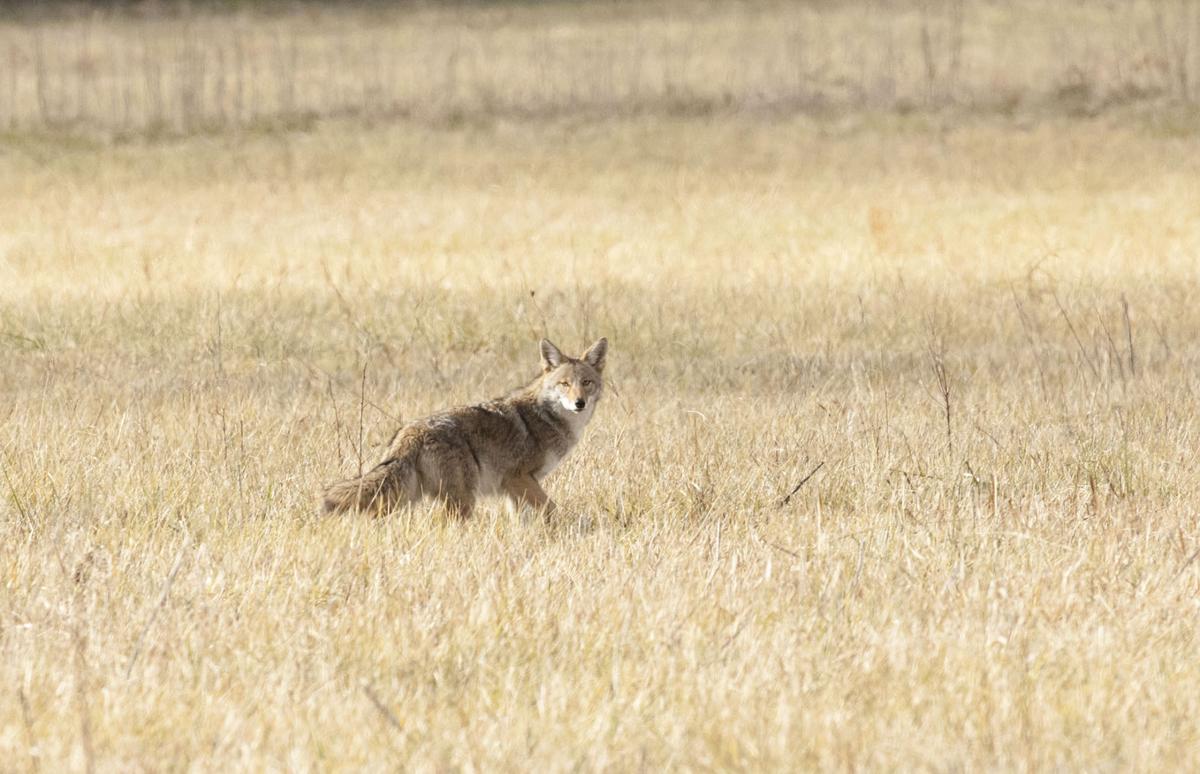
Coyote Control and Deer Management

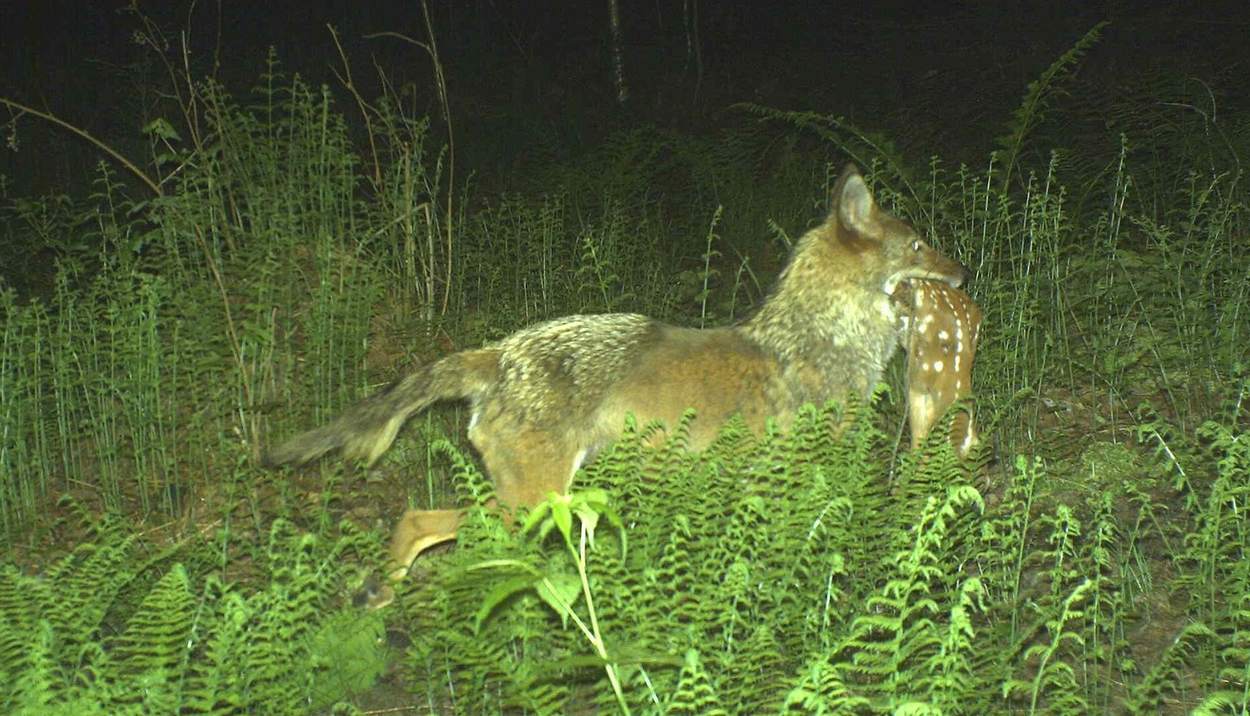
Predators, particularly coyotes, do play an important role in the areas they are found. The diet of the coyote is varied, but they are well known predators of fawns as well as adult deer. Coyotes are opportunistic and eat what is available, so they can have a heavy impact during the fawning season.

In some situations, coyotes can keep a whitetail populations below the deer carrying capacity of an area by limiting fawn survival and maintaining the deer herd below a productive threshold. The Quality Deer Management Association (QDMA) is offering a predator management workshop this fall to help landowners interested in addressing predator issues on their property.

Can controlling coyotes improve deer hunting?
Image Melissa McGaw

Reducing Coyotes, Increasing Fawns

QDMA: “Many QDMA members have said they want to learn how to trap so they can manage coyote numbers and fawn predation where they hunt. So, we’re announcing an exciting new addition to our Deer Steward Certification program: a Predator Management module! This intensive three-day course will take place September 11-13 at Ames Plantation in Grand Junction, Tennessee, and will be led by professional trapper Clint Cary (right), owner of Tactical Trapping Services.

Clint has been a speaker at our National Convention and Deer Steward courses, and now through this course he will teach all aspects of a predator control campaign, including: pre-planning, making successful sets, laying out a property for a campaign, trap modifications, lures, baits and other attractants, and more. The instruction will be a mix of in-class and in-the-field. Previous Deer Steward certification is not required to take this stand-alone course.”

A doe with a fawn.

Predator Control Workshop Details

    • Date: September 11-13, 2015
    • Location: Ames Plantation, 4275 Buford Ellington Road, Grand Junction, TN 38039 (only 1 hour from Memphis airport)
    • Cost: $500 for QDMA members, $550 for non-members, $450 for Life or Sponsor members.
    • Instructors: Clint Cary of Tactical Trapping Services and Matt Ross of QDMA.
    • What’s Included: instruction, course guide, certificate, most meals (3), copy of Clint’s book, QDMA membership for non-member price.
    • What’s Not Included: breakfast, travel and lodging (lodging option reserved within 30 minutes, info provided after registration)
    • SAF CFE Credit: Approved for 5.0 hours Category 1-CF, 13.5 hours Category 2 credit.
    • To Register: Call (800) 209-3337

Hunters are Like Birdwatchers, Research Says

Game, Non-Game On

You’ve got the stereotypical pick up truck. They drive a Subaru. You hunt white-tailed deer and other game animals with guns. They “hunt” for game and nongame birds with cameras. It may sound like we are discussing two completely different groups, but they’re actually not that different.

A new study is suggesting that hunters and bird watchers are more alike than either group realizes. Despite the different forms of “hunting” that each of these groups engages in, each has a vested interest in taking care of our all-important natural resources.

Hunters and Bird Watchers Share Same Values
Image Mark Humphrey

Birds of a Feather…

A survey by researchers was used to determine whether wildlife recreationists were more likely to engage in wildlife conservation efforts including activities such as donating to support local management efforts, improving wildlife habitat on public lands and advocating for wildlife recreation, in the study published in the Journal of Wildlife Management.

They sampled hunters, birdwatchers, hunter-birdwatchers (people who regularly participate in both activities) and non-nature-based recreationists in rural New York, and found hunters and birdwatchers were more likely to participate in conservation behaviors while hunter-birdwatchers were the most involved in conservation behaviors.

I always enjoy bird watching while deer hunting.

Humans Love Nature in Different Ways

Source: “This reinforces the notion that we protect what we’re familiar with and what we care about,” said Caren Cooper, the assistant director at the biodiversity research lab at the North Carolina Museum of Natural Sciences, and the lead author of the study. “This means there’s all the more reason to support activities that foster that appreciation.”

Most surprisingly, Cooper found that after discussing her findings on a blog, those that enjoy hunting and birdwatching engaged in discussions that showed they were unaware of each other’s passion for conservation. “Hunters and birders were shocked with the results about one another,” she said.

“Except for people who do both, the two different communities failed to realize they’re kindred spirits when it comes to conservation.”

Hunting and Wildlife Photography Similar Ventures
Image Michael Carter

Cooper said birdwatchers are often put off by hunting, and hunters don’t seem to see the knowledge that goes along with birdwatching. But after learning about the study, both groups realized that they share a common passion for wildlife habitat management and conservation.

Members of both groups also enjoy long walks along the beach at sunset. What do you think about the differences and/or similarities between hunting and birdwatching? How do you define conservation?

Why Do Deer Blow?

Snorting, Blowing: What Gives?

There is nothing worse than hearing a loud, lung-collapsing deer blow while deer hunting. Ugh, why do deer blow? It’s an annoying, but effective sound (at least for the deer). This is so true when bowhunting. This is when you need deer to close the distance due to the range limitations of archery equipment. Ironically, a loud blow by a white-tailed sucks all the air out of my sail.

It can be downright unnerving when a buck or doe breaks complete silence by blowing loudly, especially at close range. If you’re like me, it’s usually at this point during a hunt that you’re ready to pack up your gear, climb down out of the stand and head for home, tail between your legs.

When do deer blow?
Image realtree.com

Why do Deer Blow? Alert!

Deer really only blow for one reason, to alert other deer in the area that something is out of the ordinary. Though I’ve heard many deer do this over the years, I’ve come to realize that their actions are not always in response to me.

There are numerous things in a deer’s environment that can cause it to react with that attention-grabbing, nasal-clearing sound. Coyotes, dogs or anything else that they perceive as a threat. Deer can also snort when concerned. Regardless of why the deer is alarmed, the result may end in an unproductive hunt if your goal is to tag a deer.

Deer Communication

Source: Blow or snort (all deer, all seasons). The deer forcibly expels air through its nostrils like a greatly magnified sneeze. The deer blows when it detects danger at a distance. These blows are drawn-out “whooshes” repeated several times. Snorts are single, very short, explosive sounds given as the deer turns to run.

There may be three reasons for these sounds. The noise warns all deer that something is radically wrong. The “sneeze” clears the nasal passages, and helps the deer sniff the air better. The sound may startle a predator into revealing its location or leaving the area.

Deer Hunting: Why do deer blow?
Image woodswalksandwildlife

Why do Deer Blow? Sup?

Like some of you reading this article, I can tell you from experience that deer will blow when they see or smell something that is not right. More often than not, it means the deer that you are hunting smell you. It’s frustrating — especially since so many hunters are quite meticulous about scent control and hunting under favorable wind conditions.

The best I can offer is to remember that it’s not always you. It’s sometimes you, but now always.

Deer snorts, then runs!
Image woodswalksandwildlife

Avoid Detection

Scent control is not necessarily about being “scent-free” but about being low in human scent. White-tailed deer have one heck of a sniffer on them so they can be hard to fool, but it’s not impossible. Keeping your scent level down can trick them into believing that you are much further away than they think you are.

You see, it’s all about scent molecule density. You want to have very few molecules (that smell like you) floating around in the air. Do all that you can to control scent. Then, the next time you’re hunting and hear a deer blow, you can be confident that it’s not at you. So, why do deer blow? It’s a form of deer communication that alerts the herd, but hopefully they aren’t talking about you.

Spike on One Side, Now What? Injury or Deformity?

There are many factors to consider when it comes to management of white-tailed bucks during the deer hunting season. Some of the more popular campfire discussions usually involve talking about antlers, which bucks to shoot or not shoot, and whether or not odd antler configurations on specific deer were caused by poor genetics or by an injury during antler development. Whether you are actively managing the white-tailed deer living on your own property or considering culling some select deer off your hunting lease, it pays to know a little bit about deer antlers and their growth before you pull the trigger.

For whatever reason, this year I have seen more bucks with asymmetrical antlers than ever before. Most of these deer have been bucks with a normal antler on one side and then an unbranched antler (spike) on the other. And I’m not just talking about 1 1/2 year old (yearling) bucks. Of course, some yearling bucks will have unbranched antlers (one side or both), but only very rarely do spike bucks actually remain spikes after their first set of antlers. The bucks I’m talking about are middle-aged deer; 3 and 4 year old bucks with lots of promise on one side and nothing but disappointment on the other.

Whitetail Deer Hunting and Management - Spike on One Side

Broken Bones and Antler Development

The antlers found on the top of a buck’s head are true bone. These bones/antlers are grown every year and like other bones are comprised primarily of minerals. The minerals necessary for a buck’s antler growth are extracted from mineral reserves stored in other parts of the deer’s skeletal system. As a result, any broken bones can potentially disrupt the ability for the body to transfer those minerals from one part of the body to where they are needed, on top of the buck’s head.

Larger (long) bones are more important to antler development because of the amount (percent) of minerals they contribute to a buck’s antler growth. A deer’s leg bones are huge sources of minerals and the hind legs even more so than than the front legs. A fractured leg will often lead to deformed, non-typical antlers, and maybe even result in a buck with a spike on one side. However, a buck’s antlers will often normalize in subsequent years as the fracture heals and the minerals are more effectively mobilized.

Front leg fractures will effect antler development on the same side as the break, whereas hind leg fractures will impact antler growth on the opposite side. Again, an injury to the back legs will be more detrimental to a buck’s antlers in the near term, and depending on how well it heals, could impact antler growth for the remainder of the buck’s life.

Pedicle, Skull Injury and Spike on One Side

A pedicle is the location on top of a buck’s head from which the antlers grow. All normal bucks have two of them, one for each antler. When a buck sheds his antlers in the late winter or early spring the attachment point between the pedicle and the antler is where they detach. This is usually a clean separation, but sometimes it’s not. This “dirty” departure could be the result of either a pedicle injury or perhaps even a skull (cap) injury at some point in the past. Either injury could result from a self-inflicted mishap or from a brawl with another buck prior to or during the breeding season.

Regardless, these injuries may cause permanent antler damage (antler material remains attached to pedicle) for the duration of the buck’s life. So although not a genetic cull buck, a buck with an injured pedicle or injured skull cap may be sentenced to a future of disappointing antler growth, at least on one side if a shed does not drop cleanly.

Recent Antler Research and Deer Management

The social, economic and recreational importance of white-tailed deer hunting over the past few decades has substantially increased deer management programs across the US, particularly with regards to the harvest and management of bucks. The selective harvest of bucks comes in many different flavors with age-based restrictions and/or antler-based restrictions being the most common. Before removing a buck from the herd that has a deformed antler or that is a spike on one side, keep the points listed above in mind and check out what a recent antler research study concluded:

Source: Besides the underlying principle that spike on one side (SOOS) antlers are caused by physical injuries and not genetics, the take home messages of this research are three-fold.

  • First, the underlying cause (skeletal versus pedicle/skull injury) of SOOS antlers determines whether or not a buck has a decent chance of developing normal antlers in the future.
  • Second, yearling SOOS bucks stand a chance of developing normal antlers in the future and should be protected from harvest like normal yearlings.
  • Lastly, adult bucks will probably continue to carry SOOS antler characteristics throughout their lifetime, making them a candidate for harvest if they meet the normal age-based harvest criteria, like any other buck.

Let’s be clear about one thing: Harvesting SOOS bucks does nothing to improve the genetic quality of a deer population. Hopefully, this research will hammer another nail in the coffin of the mythical “genetic cull buck.”

To the third point, I would not necessarily agree with letting a 2 or 3 year old buck that is a spike on one side remain on a property until he is 5 or 6 years old unless the buck has tremendous antler growth on his one good side. Awesome mass, super long main beams or 5+ points on one side would be indicative of a buck with good genetic potential for antler growth, especially since antler characteristics are highly heritable. You would want to leave this guy hanging around if there were a shortage of these types of animals on a property.

On the other hand, if the buck’s “good side” had only 3 to 4 points at 4+ years old then I would not recommend sitting around to take pictures of him, regardless of whether the spike on one side was the result of a dirty pedicle, skull cap injury or a fractured leg (even though he would recover from this in a couple of years). That said, every manager/landowner has different objectives and must consider the harvest of deer accordingly.

Deformed Antlers: Nutrition, Pathogens & Speculation

The number of 3 and 4 year old whitetail bucks that I observed this year with a deformed antler on one side could have just been by chance. Maybe I was just fortunate enough to bump into a number of deer that had a run of bad luck. The majority of these deer where seen from farm to market and county roads spanning hundreds of square miles during the antler growing season and were not concentrated in any particular area. However, I was also contacted by several hunters and managers, most with a single, similarly deformed-antlered buck on their property, so maybe there is something to it.

Nutrition is critically important with regards to antler growth in bucks, but I’m not sure the density of deer in a given area or food availability would be to blame for malformed antlers. Sure, maybe the drought of 2010-2011 caused bucks to grow thinner, weaker antlers and the effect was bucks with below average racks, but I would not expect that to lead to an increase in the incidence of the number of bucks with a spike antler on one side. Nutrition will impact antler size, but frailty, probably not.

A more probable theory would be an impact to antlers from parasites, maybe even from those transmitting a virus. Deer with inadequate nutrition often experience a buildup of parasite levels and tend to show significant signs of poor antler development. This would be likely during a drought, but dry, hot weather also cranks up the potential for EHD in whitetail deer (including bluetongue). EHD can kill off a number of whitetail, but typically less than 20% of a population in a given area. Some deer are completely resistant and others are believed to suffer some consequences, but manage to survive through it. The latter may be bucks that end up with deformed or spike on one side antlers.

EHD causes a whitetail’s head to swell. Deer that contract EHD will often stumble, fall, and will often run into things. This could definitely cause physical injury to the pedicle or skull cap. In addition, older bucks are more susceptible to EHD, which is spread by midges (also referred to as gnats or no-see-ums), because of the quantity of blood-rich velvet. These vascular structures may sustain bites from midges either while growing normally or from a wound during antler development. Could virus-induced trauma lead to enough physical injury to cause subsequent antler growth or could that type of injury only be sustained from running into something or fighting other bucks?

It would seem plausible that the EHD virus could be directly injected into the antler by an insect while it is growing and this, possibly, may impact the pedicle. This could contribute to a dirty shed by directly or indirectly weakening the pedicle. The only way hunters can link EHD to harvested bucks of this type would be to identify other symptoms of the virus, namely badly cracked or peeling hooves.

Deer Management Using Antlers

In closing, an odd-antlered buck should be evaluated on a case-by-case basis considering both the objectives and goals of the deer management program for a property. A buck that is 2 1/2+ years of age that develops a seriously malformed or spike antler on just one side has most likely suffered physical injury to the pedicle and/or skull cap and is unlikely to recover. Bucks that have fractured bones can also develop an odd antler or spike on one side as well, but will typically “grow out of it” within a couple of years.

I also suspect that drought-related pathogens may contribute to the prevalence of bucks that are spikes on one side, but this has yet to be determined. In all cases of abnormal antlers, careful monitoring of bucks is necessary to diagnose the cause and determine the proper course of management. Please send photos if you shoot an odd-antlered buck and have evidence that suggest it survived a bout with EHD.

Like Buck Manager Deer Hunting and Management on Facebook