Texas Archery Season 2019 Looks Great

Bowhunting Season on Point

The Texas archery season cranks up for white-tailed deer this Saturday, September 28, 2019. Habitat conditions across the state currently range from very wet to very dry, but the entirety of the state received good rainfall during the late winter and spring, when it was needed for antler growth and fawn production.

Total deer numbers will be up and buck antler quality will be good, but it’s going to be the weather that most challenges hunters during the archery season. Hot and dry conditions have set-in across Texas and that will make early season hunting tough for bowhunters.

2019 Bowhunting Season Texas

Deer Hungry Headed into Archery Season

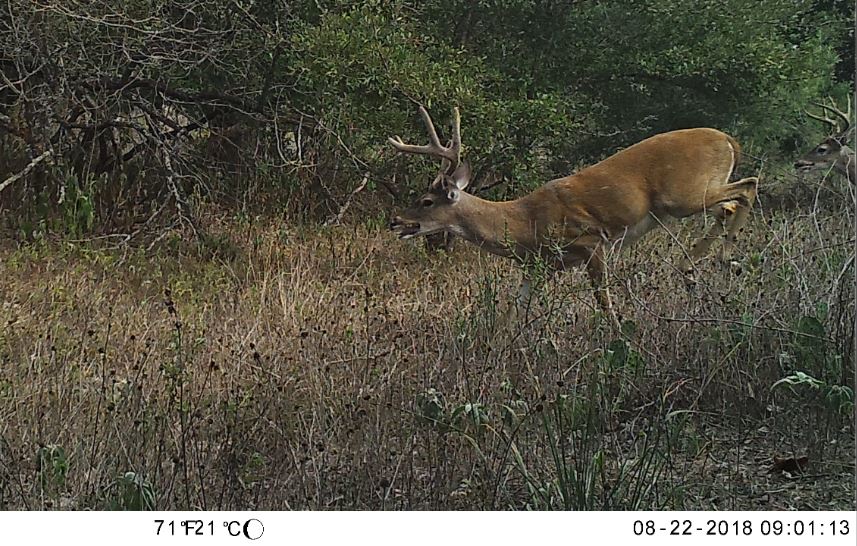
“Although dry conditions should encourage deer to frequent feeders more consistently and more often, the hot temperatures may curtail movement during much of the day except for the periods around dawn and dusk,” said Alan Cain, Texas Parks and Wildlife Department (TPWD) white-tailed deer program leader. “Until cooler temperatures arrive and deer movement picks up hunters may consider using game cameras to narrow down peak deer movement near their favorite hunting location and increase chances of success.”

Deer will routinely visit feeders when foods are lacking in their environment. In many parts of Texas, hunters should expect deer to make consistent use of bait considering the lack of recent rainfall and green vegetation.

This would apply to much of South Texas, as well as the Hill Country and on up to the Red River. Expect deer movement to be strong through mid-morning and then again in the very late evening. This pattern should hold until acorns start to dump, then all bets are off.

Bowhunters are likely to see fewer deer in areas where decent rains have hit the ground over the past few weeks. The whitetail living in these areas will be the beneficiaries of better habitat conditions, which will put a lid on their need to visit bait sites.

Archery Season Outlook

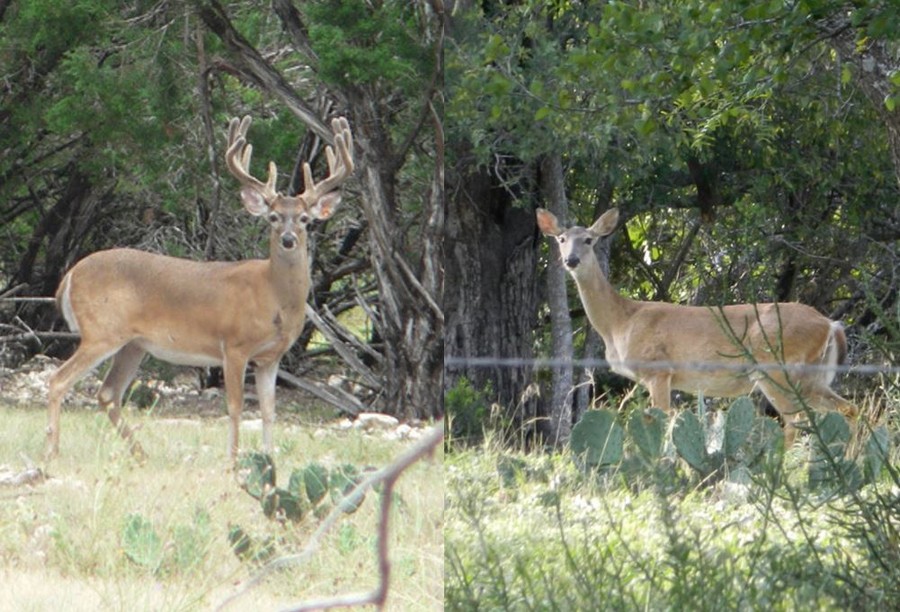
Texas boasts a robust white-tailed deer population of about 5.3 million deer which should contribute to hunter success this fall and winter. Despite the deterioration in habitat conditions over the last few months with triple digit weather and wind, Cain notes “Hunters should expect an excellent deer hunting season with above average antler quality and fawn recruitment.”

Cain explained that good rains early in the fall of 2018 that set the stage for an excellent crop of winter weeds lasting well into 2019. The excellent habitat conditions continued into early July and were critical in providing the nutrition bucks needed to maximize antler growth. This also kept does in good body condition resulted in good fawn survival and a bump in deer numbers.

2019 Deer Hunting Seasons

While the archery-only season kicks off this weekend and runs through November 1, the general/gun deer hunting season opener is still more than a month away on November 2. In addition, a special youth-only weekend season is set for October 26-27 so make sure to get the kids outdoors early and often.

The general season runs through January 5, 2020 in North Texas and January 19, 2020 in South Texas. A late youth-only season is also scheduled for January 6-19, 2020.

New Deer Hunting Regulations for 2019

Texas once again has some new deer hunting regulations thanks to continued herd management from the state. TPWD has increased and expanded doe days for certain counties and has also implemented an additional requirement for successful hunters. For the first time ever, hunters are required to report all antlerless deer harvested in 21 south-central Texas counties to TPWD.

Starting this season, hunters in parts of south-central Texas will be required to report all antlerless deer harvest in Austin, Bastrop, Caldwell, Colorado, Dewitt, Fayette, Gonzales, Guadalupe, Karnes, Lavaca, Lee, Waller, Washington, and Wilson. Counties also included in that change are Goliad, Jackson, Victoria, and Wharton counties north of U.S. Highway 59 and Comal, Hays, and Travis east of IH-35.

Any antlerless deer harvested during the archery, youth-only, muzzleloader, and the 4 doe-days during the general season is required to be reported to TPWD within 24 hours of harvest using either the My Texas Hunt Harvest mobile app (for iOS and Android) or on TPWD’s My Texas Hunt Harvest web page.

Report Doe Antlerless Harvest

TPWD says the app works without a data signal as long as it has already been downloaded to the device. This feature will allow the user to report their antlerless deer harvest immediately, then the report will upload once a signal is available.

As usual, for additional deer hunting opportunities and county-specific regulations, consult the 2019-2020 Outdoor Annual of hunting and fishing regulations. Wherever you hunt, may your 2019 deer hunting season be a success!

Doe Days in Texas: More Opportunity for Hunters

Doe Hunting Delight

It looks like deer hunters will be getting more doe days in Texas. This is good news for hunters looking to put meat in the freezer. It’s also good news for properties where white-tailed deer numbers have been on the rise. These added “doe days” are intended to increase antlerless deer harvest in parts of the state where once-conservative regulations were needed to allow the expansion of deer.

More Doe Days in Texas

Doe Days Added to Post Oak & Blackland Prairies

White-tailed deer hunters in 41 Texas counties in the Post Oak Savannah and Blackland Prairies ecoregions will see expanded opportunities to take antlerless deer during the 2019-20 season, following changes adopted recently by the Texas Parks and Wildlife Commission.

The decision to liberalize the harvest of antlerless deer comes after several years of whitetail population growth within these regions, combined with a relatively conservative doe harvest. Wildlife biologists with the Texas Parks and Wildlife Department (TPWD) recommended the expanded opportunity to reduce the deer herd impacts to the habitat, help balance buck-doe sex ratios, and relieve buck harvest pressure.

Doe Days Add Days, Not to Bag Limit

In 21 counties in south central Texas, hunters will be able to harvest antlerless deer from Thanksgiving Day, Thursday, Nov. 28, through Sunday, Dec. 1. The counties include: Austin, Bastrop, Caldwell, Colorado, Dewitt, Fayette, Gonzales, Guadalupe, Karnes, Lavaca, Lee, Waller, Washington, and Wilson. In addition to these counties, Goliad, Jackson, Victoria, and Wharton counties north of U.S. Highway 59 and Comal, Hays, and Travis east of IH-35.

The bag limit on antlerless deer in these counties is two, and hunters are reminded that all doe harvests during archery, muzzleloader, youth-only seasons, and the four doe days are required to be reported within 24 hours through the TPWD website or the My Hunt Harvest mobile app. The four doe days are not for properties enrolled in the Managed Lands Deer Permit (MLDP) program.

Texas Doe Days Help Habitat, Provide Opportunity

Expansion of Doe Days Continues

TPWD is also expanding doe days in 20 other counties from four to 16 days beginning with the start of the general deer hunting season on November 2. An steady increase in whitetail numbers in these areas shows that additional deer harvest is warranted. But don’t wait to use a tag, the doe days are front-loaded at the beginning of the general season.

The counties with the expanded,16 doe days include: Bell (east of IH 35), Burleson, Delta, Ellis, Falls, Fannin, Franklin, Freestone, Hopkins, Hunt, Kaufman, Limestone, Milam, Navarro, Rains, Smith, Titus, Van Zandt, Williamson (east of IH 35), and Wood.

Managing Small Acreage for Deer

Going Big on Small Acreage

Question: “I just purchased a 100 acre tract of land in Menard County, Texas. I put out a single corn feeder that is feeding twice a day and after two weeks I’m seeing about 12 deer (4 doe and 8 bucks). The majority of the bucks are young probably, 1 1/2 – 2 1/2 with one being maybe 3 1/2. This property was hunted for 15 years by 4 lease members with no management practice in place.

My goal is to harvest mature deer, both bucks and does. My question is, do I need to harvest a few of the young bucks now to get the sex ratio closer to 1:1 or not take any for a few years and monitor their growth and ratio. Neighboring properties are also management minded and range in size from 200-1200 acres. Thank you, Ron.”
Managing Small Properties for White-tailed Deer

Small Acreage Management

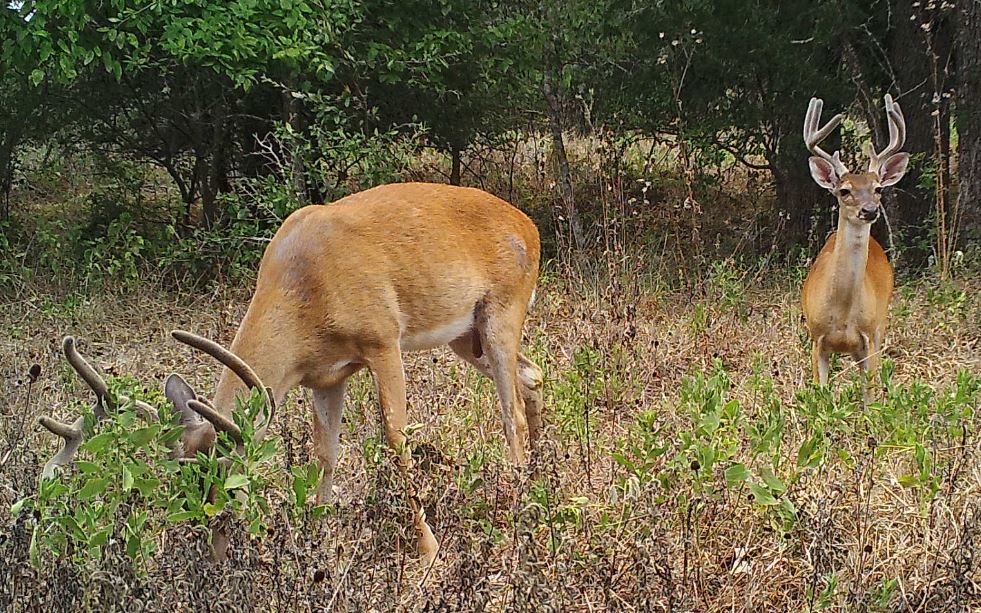
Response: This is a great question because it points out the fact that a number of variables are in play when managing whitetail, especially when managing small acreage for deer. Most properties where deer are managed and hunted would be considered small acreage ( less than several hundred acres in size).

When trying to manage a deer herd some variables can be controlled and some simply can’t. It’s important to identify what you can and can not control prior to implementing management practices on a piece of land. Otherwise, it leads to wasted time and disappointment. Let’s break this question down into a few sections.

New Hunting Property, New Management

The property was “hunted” by four hunters for over a decade. It’s difficult to measure what this statement means because no one knows the mentality of the hunters involved. Were at least some of them managed minded or did they live by “if it’s brown it’s down?”

A new property owner can only guess about what happened in the past. In reality though, it really does not matter. The past is the past, the purchase has been made and you can only change things moving forward. You’ve got to start with what you’ve got.

New ground means a hunter and manager has a lot to learn. Start by taking inventory of what is on the property in terms of both plants and animals. Take a look at both topography and soils since these features dictate how deer move across a property. They will also help a manager identify habitat management potential or limitations.

It’s impossible to make management decisions without knowing what you have to work with. Putting out some game cameras is a good place to start, but don’t stop there.
Game Cameras for Deer Management

Evaluating Camera Photos

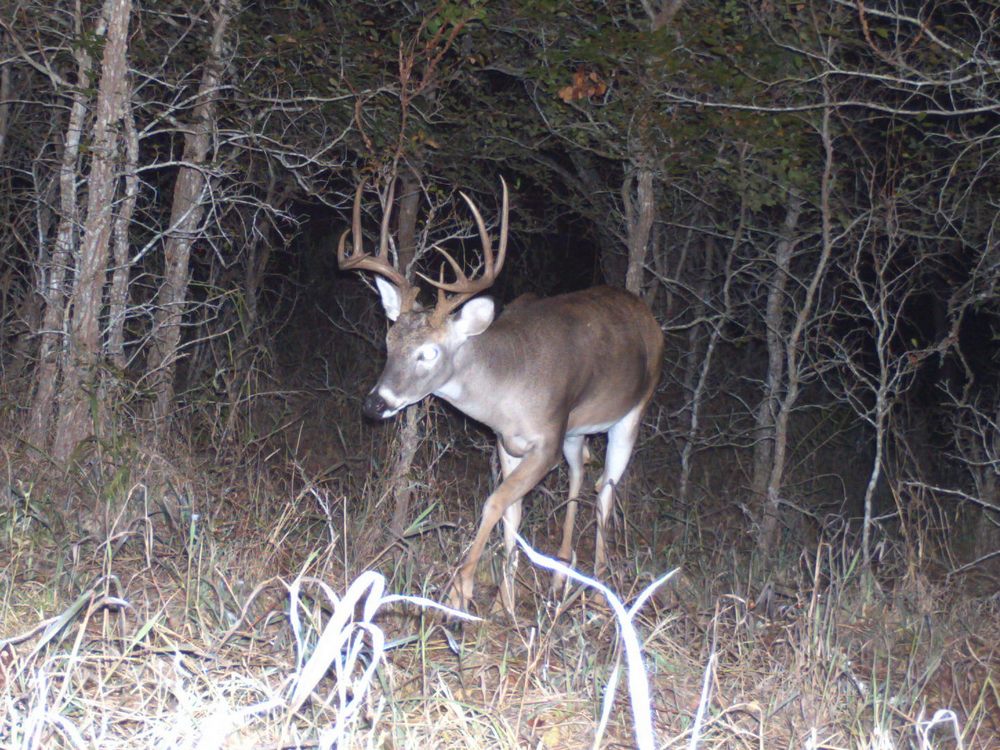
Game cameras are awesome for monitoring the deer in an area and can contribute greatly to managing small acreage for white-tailed deer. However, exercise caution when interpreting camera photos. When and where a camera is used has an impact on the results.

A camera placed on a feed station often results in buck photos outnumbering doe and fawn photos. This is especially true when food resources are most limited. Hunters are often “covered up in bucks” in late summer but many of them evaporate as the hunting season approaches.

Smaller animals, which includes does, fawns and even young bucks, are not often represented in feeder-placed “camera surveys.” The reason is because feed stations are often dominated by larger, more aggressive bucks. This is most likely the case in the situation/question submitted.

It’s just about impossible for the sex ratio of a deer herd to be skewed towards bucks without purposeful management trying to make that happen. Whitetail bucks have a higher natural mortality rate AND hunters prefer to shoot bucks over does. The odds favor the survival of female deer.

The reality is that bucks are simply over-represented in photos when cameras are placed on feed during the heat of summer and early fall. Some of those “summer bucks” will disperse from a property or use a particular area less come fall, but they are not gone; food is less important to them as the breeding season gets underway.

A better way to gauge the composition of a deer herd is to deploy cameras along pinch-points and travel corridors, but not those that are in close proximity or leading directly to and from feed stations or the same bias will exists. Cameras on the edges of agricultural crops and food plots provide good data because the food is not easily monopolized. A good, annual estimate of the whitetail using a property is a big part of managing small acreage for deer. I would recommend using least 1 camera for every 50-75 acres with a several minute delay between photos.
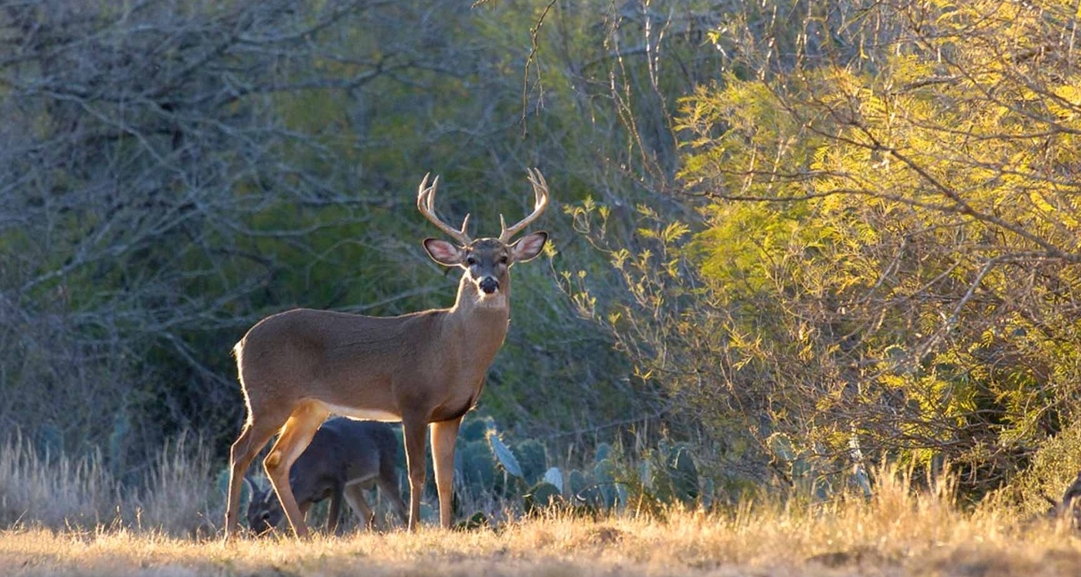
Small Acreage Management for Deer

Buck Age Structure

Cameras are very good at capturing the whitetail bucks using a property. As mentioned prior, putting cameras on feed stations will obviously provide a  manager with information on bucks. Will cameras capture every buck?

No, but camera research suggests that cameras place on food sources during late summer at a lower density (1 camera/75-100 acres) than mentioned above will record over 95 percent of the bucks using a property in just two weeks. Cameras can be left out longer, but the law of diminishing returns kicks in as the same bucks keep returning for photo sessions.

Not only are game cameras good at identifying unique bucks, but cameras document the age structure of bucks using a property. If older bucks are not showing up on camera then mature bucks are rare in the area. If all of the photos are of young bucks, then it’s recommended that no more than 10-15 percent of the available bucks be harvested in a season, regardless of buck to doe ratio, if the goal is produce mature bucks.

Once the age structure is more “balanced” throughout buck part of the herd then annual buck harvest can approach 20-25 percent of available bucks each season (depending on specific objectives of the manager). A balanced buck herd would consist of approximately equal numbers of bucks at all age classes.

Consider the animals harvested on neighboring lands as well since managing small acreage for deer means other properties in the area are a factor. Deer shot on those properties are coming out of the same herd, if those properties are hunted. It’s a tremendous help when neighbors can form cooperatives or associations and work together on deer management goals. Otherwise, someone managing a piece land can only control what they do on their land, which is still a lot.
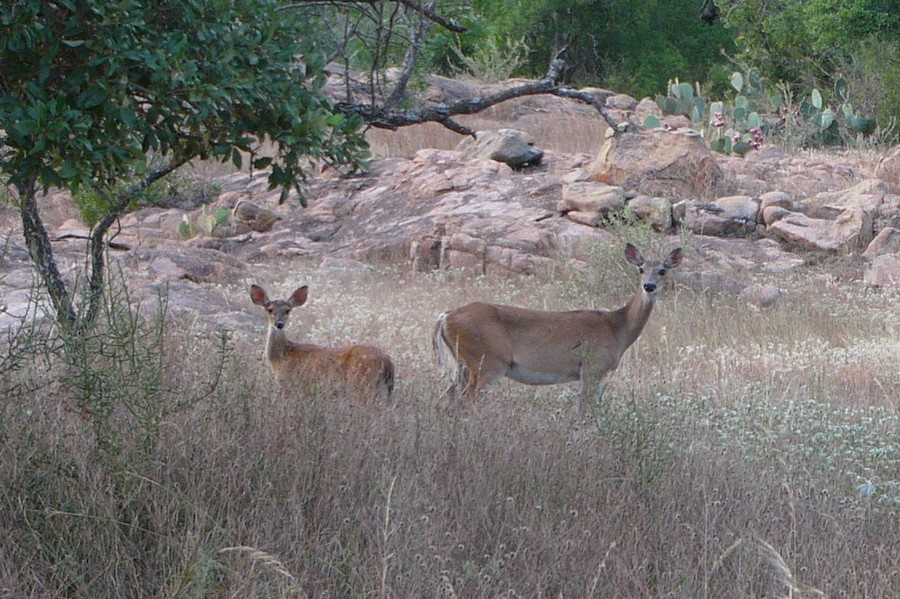
Deer Hunting Small Acreage

Deer Sex Ratio

Managing deer is a numbers game. Those that aim to manage whitetail must estimate several key metrics, with density and sex ratio being the most important ones. So, what’s best for sex ratio when managing small acreage for white-tailed deer?

The ideal ratio will be somewhere around 1 buck per 2 does, plus or minus. A 1:2 buck to doe ratio is a good place to start. This number can be adjusted as a management program progresses, but too few does, such as 1:1,  can result in inadequate fawn production and ultimately a shortage of deer for harvest in later years.

A sex ratio skewed towards does, such as 1:5,  will lead to a decline in antler quality. Bucks expend a ton of energy during the breeding season. If they expend too much of it by attempting to breed numerous does then 1) bucks may not ultimately survive due to a lengthened breeding season (related to skewed ratio), and/or 2) post-rut bucks will not recover physically and antler quality will suffer.

There are some other negatives when the sex ratio of a deer herd is skewed heavily towards does. The take-home here is to initially aim for a 1 buck:2 doe ratio when managing small acreage for deer, then adapt as needed. Buck to doe ratio can be estimated using randomly-placed cameras or by recording the deer observed from stands prior-to and during the hunting season.
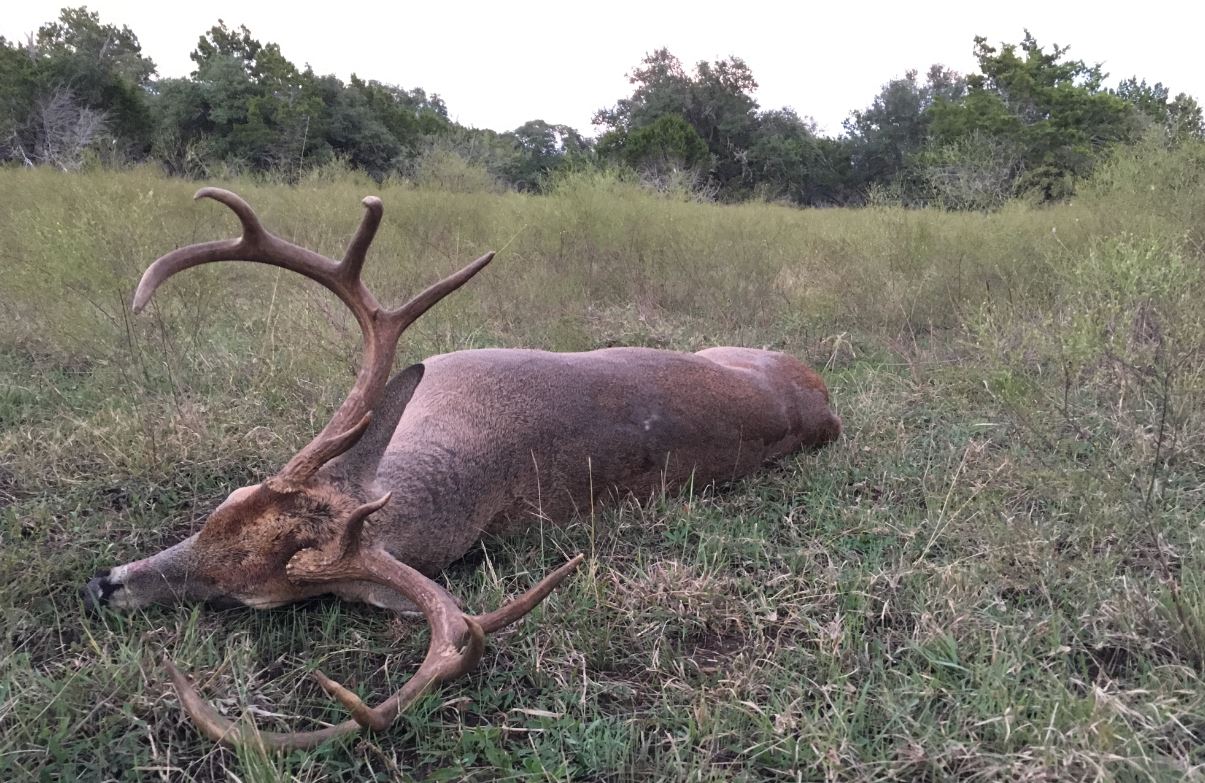
Deer Hunting and Management on Small Property

Harvest Strategies for Managing Small Acreage

Managing white-tailed deer on small acreage is challenging, but managing deer on large acreage is not easy either. Managing at scale can make proper deer harvest very difficult. Additionally, meaningful habitat work is expensive and time consuming when large acreage is involved.

The management that takes place on small acreage can be more focused, more precise. Habitat ultimately affects how (or if) deer use a property. The habitat found on a small property can be greatly improved for white-tailed deer with little more than time and hand tools. Much of this article has focused on population-side strategies for managing deer, but habitat is the other half of the equation.

In fact, habitat enhancement is even more important on small acreage as deer instantly respond to high quality habitat within their home range. If you build it they will come! The habitat management practices in this article will help make a difference on any property.

It’s important a deer manager determine early in the game what can and cannot be controlled.  Neighbors play a role for anyone attempting to manage small acreage for deer. This may include the over-harvest or under-harvest of deer. It helps when adjacent properties are on the same page. Fortunately, the number of property owners and hunters interested in white-tailed deer management is at an all-time high. Talk to your neighbors and continue to do so on a regular basis.

Also, make sure to check out these tips for hunting small properties. The article focuses on attracting and holding deer on land throughout the year an offers a few pointers to close the deal during the hunting season. Successfully shooting mature bucks is a little different than simply producing them. But you have got to let them get older first, right?

Managing small acreage for deer can be challenging, but focus on the things you can control. The positive things that we do, whether through habitat or harvest management, will result in positives within the deer herd using the property. Harvesting big, healthy deer on small acreage will make your efforts that much more rewarding.
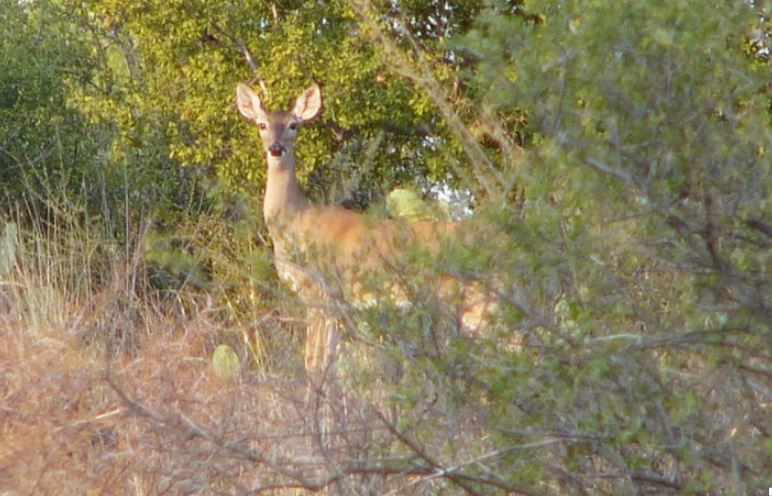
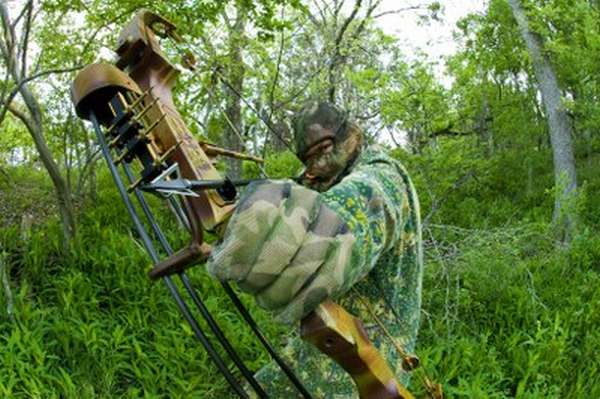
Deer Hunting in the Early Season

Early Season is Best

It’s always exciting as fall approaches, but deer hunting in the early season can be downright frustrating, zapping that initial enthusiasm you took into the field. It’s nothing new for seasoned hunters. But regardless of whether you are new to the sport or an “have been around the block,” it takes more than luck to find your buck during the early season.

This was a tough year for deer in Texas. The first eight months of the year were dry. Summer is always dry, but this one seemed especially rough following a less than stellar spring. White-tailed deer no doubt found natural foods waning earlier than usual as summer progressed. It appeared fawn production was going to be lackluster, but bucks would be highly patternable as food would be the go-to play during the early part of the hunting season.

Deer Hunting for Early Season Bucks

Hunting Season in View

“Range conditions had diminished somewhat with the long stretches of 100 degree weather and wind,” said Alan Cain, TPWD whitetail deer program leader. “The majority of the state had reasonable forb production and good brush green-up this past spring, which provided a good foundation of native forage to get deer off to a good start in terms of antler growth and fawn production. By late August, we were seeing preferred forbs becoming less available for deer.”

But all that changed on a dime. Hey, this is Texas. September rolled around and it started raining. And raining. And raining. As mid-month approached, many properties in the state received as much or more rain during the first two weeks of September as they had received the eight months prior. Of course.

It was dry enough to significantly reduce the fawn crop in many areas, but now it’s so wet and green that deer will not be easily-patterned on specific food sources. High quality, natural foods are now found everywhere. Did I mention that the acorns that are out there are now beginning to fall? To add insult to injury for early season deer hunters, mosquitos populations are, well, robust.

How to Deer Hunt the Early Season

Early Season is GREEN

“Hunting might be a little tough with the exceptional rainfall in September that has created a giant food plot of native forage across the state,” said Cain. It’s a bittersweet situation for those deer hunting in the early season. Conditions have helped the deer herd; makes it much more difficult for hunters.

There are about 4.6 million deer in Texas but good eats can literally be found anywhere and everywhere across the landscape. When food is so abundant it’s as if the deer herd simply dries up. “Deer may be visiting feeders less frequently with the available forage, so hunters might rely on information gathered recently on their trail cameras to help narrow down windows of opportunity as to when deer are visiting feeder and blind locations.”

The influx of new groceries on the ground should provide a boost of nutrition heading into the fall. It should also give wildlife managers some relief after range conditions across much of the state heading out of the summer doldrums began to decline.

5 Hunting Tips for the Early Season

Hunting white-tailed deer during the early season offers its own unique set of challenges. Not only are natural deer foods abundant, making deer more difficult to pattern, but so are bugs, potentially making life miserable. On the plus side, deer haven’t been hunted for the better part of a year so a nimble hunter has the chance scout, locate and sneak in for the kill.

If you haven’t done anything yet — you’re most definitely late. Regardless of whether you’ve been living in a stand this year or just getting ready to head afield, here are a few things to consider to improve the odds of you tagging a buck during this season:

1. Use Game Cameras

Game cameras are like the most effective scouting tools that we as hunters have at our disposal. They work well whether using them to identify early season deer hunting action or trying to pattern the movement of deer during the late season. The take home message is they can be in more places than us and they keep score.

2. Early Season Patience

Wait for it, grasshopper. The season is just getting underway in many areas and that has you pumped to go jump in your favorite stand and shoot a monster buck, but don’t rush it! When weather conditions are wrong for hunting a particular stand, just stay away.  You will leave with nothing, except getting busted by the very deer you are attempting to hunt. Wait for the right time or you risk pushing the buck you are chasing right into another hunter’s lair.

3. Scent Control

This goes right along with number two. Don’t do everything right only to phone it in on scent control. Some hunters really stink (I know, I know) when it comes to mitigating scent, but it’s the easiest way for a buck to know you are there, stop, and simply walk the other way (with you being none the wiser).

4. Control Insects

Think about this prior to climbing into your favorite early season deer hunting setup. It is early fall, after all. Whether hunting from up high or down low, you do not need to be more uncomfortable than trying remain semi-motionless while sitting on a less-than-comfortable seat for half a day.

5. Early Season Evening Hunts

Just as in life, timing is everything in deer hunting. If you have limited time for deer hunting then make sure you give priority to evening hunts rather than morning hunts when hunting deer during the early season. If you are not bound by time, well, then lucky you. During the early season, a hunter is more likely to encounter a whitetail buck during the afternoon/evening hunt. It’s also easier to get into a stand without bumping deer, which is step one when trying to tag an early season buck.

Air Guns for Deer Hunting in Texas

Air Guns: More Options for Deer

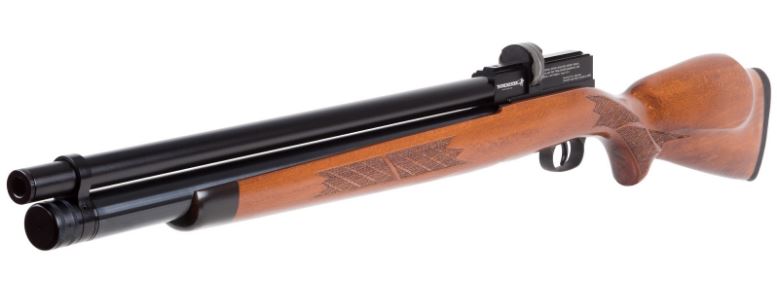
Hunters can now add big-bore pneumatic (air) guns to the list of legal means and methods for deer hunting in Texas. Over the past few years, states across the US, including Texas, have been expanding the options available to hunters (think crossbows and suppressors). This expansion is the result of innovative, improved technology that is able to demonstrate success in the field.

Without a doubt, any regulation that changes takes someone lobbying for things to be different. I’m all for change so long as those changes are positive and big-bore, pre-charged air rifles look to be highly effective on deer and other big game species.

Air Gun Regulations in Texas

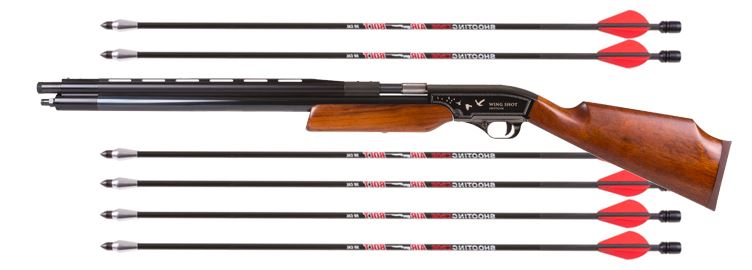
Beginning this fall, hunters in Texas will be able to use air guns and arrow guns that meet criteria established under new rules adopted by the Texas Parks and Wildlife Commission. The regulations create a new category of legal means for hunting deer and other wildlife in Texas defined as pre-charged pneumatic devices.

Unlike pellet guns and traditional air rifles that can be charged manually or with an attached CO2 cartridge, pre-charged pneumatic air guns and arrow guns are those weapons for which an unignited compressed gas propellant is supplied or introduced from a detached source.

Air Gun Requirements for Hunting in Texas

The TPW Commission decision follows months of scrutiny to avoid creating undue risks of wounding of wildlife from pneumatic weaponry. These devices must meet minimum standards of ballistic efficacy.

Minimum ballistic specifications of pre-charged pneumatics approved by the Commission for hunting alligators, big game and turkeys are: .30 caliber bullets weighing at least 150 grains powered by an unignited compressed gas propellant charge capable of attaining a muzzle velocity of at least 800 feet per second (fps) OR any bullet weight and muzzle velocity combination that produces at least 215 foot pounds of energy.

For furbearers, pre-charged pneumatics must be at least .30 caliber. For squirrels, chachalaca, quail and pheasant an air rifle does not need to be a pre-charged pneumatic, but it must be able to propel a minimum .177 caliber projectile at least 600 fps.

In addition to minimum standards for pre-charged pneumatic devices, the Commission adopted provisions that hunter education certification requirements be met in order to hunt any wildlife resource.

Air Gun Hunting Regulations in Texas

Pneumatic Guns for Hunting

At least 10 other states permit the use of pneumatic devices for hunting big game, and all but three states allow their use for hunting certain other wildlife species. Their use in Texas previously was limited to hunting anything other than game animals (except squirrels), game birds, alligators, and furbearers.

The new rules will take effect Sept. 29, 2018. Additional information on the use of air guns and arrow guns is available online. Update: Read the new Texas regulations on these guns at the end of this article.

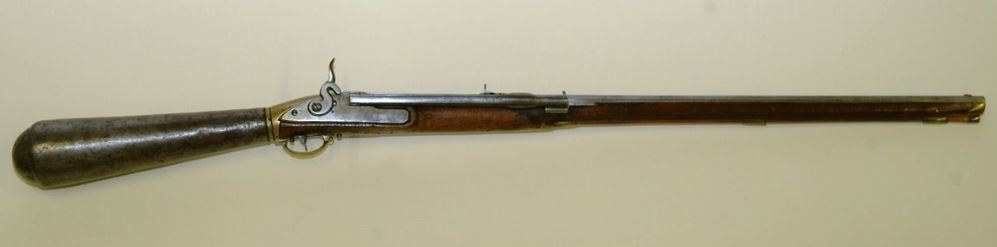
Air Gun History: A Tell of Technology

Source: “Technology seldom sits still for long. While air guns have been around for hundreds of years, they have been relegated for the past several decades as paper-punchers and quiet pest eliminators. But when we look back in history, this was not always the case. Every book of American History detailed (or should detail) the Louis and Clark Expedition.

As they were traveling through parts unknown with limited resources, they had to be smart about a method of safely fending off attacks and harvesting game for food. Muzzleloading rifles and muskets of the time were slow and cumbersome to load. Slow, but effective, these black powder rifles and muskets need to keep the powder dry in order to function.

Air Gun Used by Louis and Clark

The expedition called for a considerable amount of boat travel so they opted to include an air rifle that was made in Italy. The .46 caliber Girandoni air rifle accompanied Louis and Clark on their journey to explore the Louisiana Purchase. Not only was this heavy hitting PCP capable of launching a 210 grain projectile with considerable force, it was also a repeater.

But using a high pressure air rifle does come with some downsides. They tend to be more complex than firearm counterparts and require some physical effort to charge the air reservoir with the high pressure needed to launch a projectile with the force needed to humanely dispatch larger game. Thus, the concept for big bore air guns was put on the back burner.

Technology has recently caught up with the concept. Air gun manufacturers have started making air guns that are bigger than the popular .177 and .22 calibers that have been available for decades. The first forays into big bore air rifles were nothing more than pellet rifles with larger barrels. These air rifles generated much more power than their spring powered counterparts, but the muzzle energy was still not in the large game territory.

Each successive year led to the envelope being pushed father in terms of muzzle energy. The bores grew in diameter. Projectiles grew in mass. And velocities began to climb. This meant that a shooter using air as a propellant was able to launch a heavy (by air rifle standards) projectile with enough muzzle energy to dispatch large game species in a humane way.

Not to mention that charging the air tanks of these big bore rifles became cheaper with portable high-pressure electric pumps. Technology caught up with the concept.”

Air Guns for Deer Hunting

There are a couple of aspects of big-bore air rifles that will make them attractive to deer hunters. The novelty of hunting deer with an air gun is enough to get many hunters interested in slinging it across their shoulder and heading into the field, but another factor that makes me want to take a closer look is the reduced sound/noise level that these guns emit.

Very rarely will I shoot a rifle without ear/hearing protection anymore. It only happens out of perceived necessity when in the field shooting deer or hogs. Even then, there is usually more than enough time to ensure that my hearing protection is on prior to squeezing the trigger.

Deer Hunting with an Air Rifle, Air Gun

Time catches up with all of us though. Once we notice our hearing tapering off, it’s time to wise up and be more cognizant about how we approach some of our activities.  In my research on big-bore, pre-charged air rifles, it appears a number of them are fairly quiet.

Many shoot the large bullets used for deer hunting at subsonic velocities, so much quieter than a standard deer hunting rifle. This is attractive to me, but so is a suppressor. Both situations, however, limit maximum range to about 100 yards.

Each hunter considering a big-bore air gun will have to evaluate its utility for their hunting situation. Reduced sound and recoil are going to be quite attractive to many. Reduced range is going to be be a non-starter with other hunters, but not out of the question for those deer hunting in areas with limited visibility. It’s going to be interesting to see if air guns catch on. Would you hunt deer with one?

UPDATE 8/29/18: Air Guns, Arrow Guns Regulations

TPWD Means and Methods Definitions:

  • Arrow gun: a device that fires an arrow or bolt solely by the use of unignited compressed gas as the propellant.
  • Air gun: a device that fires a bullet solely by the use of unignited compressed gas as the propellant.
  • Pre-charged pneumatic: an air gun or arrow gun for which the propellant is supplied or introduced by means of a source that is physically separate from the air gun or arrow gun.

Texas Air Gun and Arrow Gun Hunting Regulations

Alligator, game animals, furbearers, squirrels, and non-migratory game birds (except Eastern Turkey) may be hunted with air guns and arrow guns provided:

  • Alligators, big horn sheep, javelina, mule deer, white-tailed deer, and turkey may be taken only with pre-charged pneumatic arrow guns, or air guns that fire a projectile of at least 30 caliber in diameter and at least 150 grains in weight with a minimum muzzle velocity of 800 feet per second or any combination of bullet weight and muzzle velocity that produces muzzle energy of at least 215 foot pounds of energy.
  • Squirrels, pheasant, quail, and chachalaca may be hunted with air guns that fire a projectile of at least .177 caliber (4.5mm) in diameter producing a muzzle velocity of at least 600 feet per second.
  • Arrows or bolts used with an arrow gun must conform to the same standards for projectiles for archery.
  • Arrow guns may not be used to hunt deer or turkey during archery season.