Deer Population Today vs. Fawn Numbers Tomorrow

Fawns Key to Deer Herd

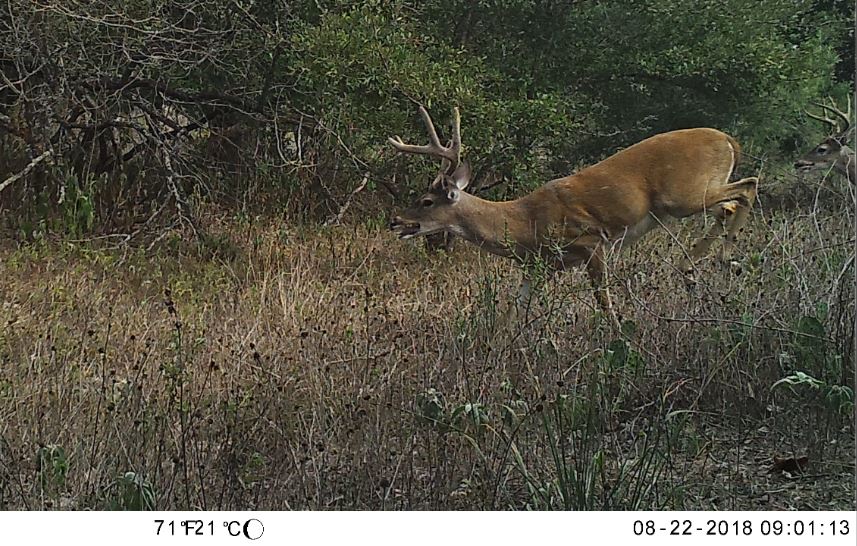
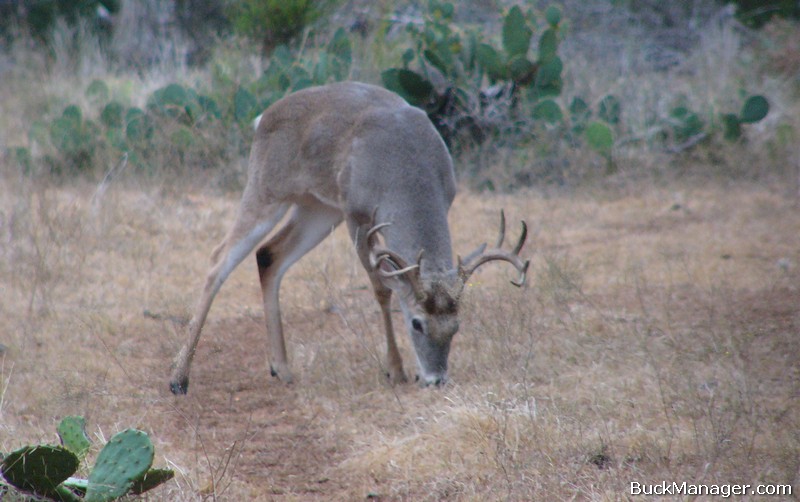
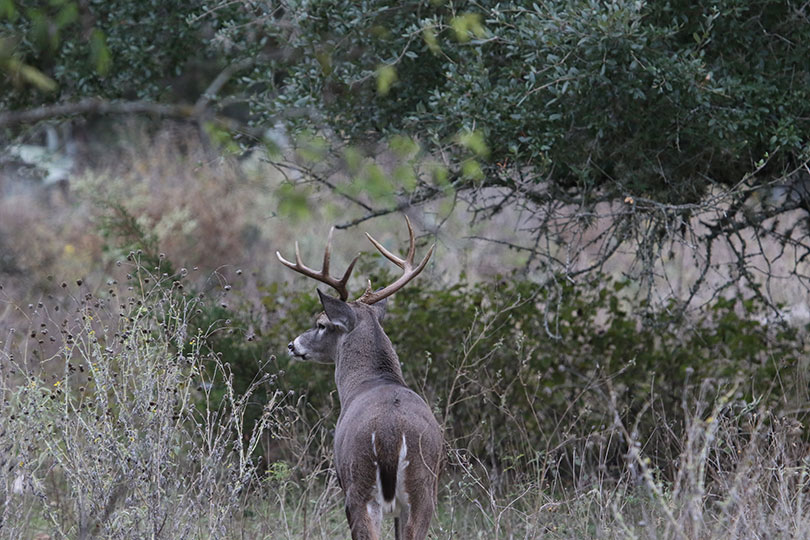
It’s pre-season prime-time right now with game cameras working 24-7 as hunters prepare for the upcoming deer hunting seasons. It’s a cornucopia of SD cards and game camera photos. Which bucks are still in the area? Where did Stickers go? Will he return? And will I be there when he does?

Fun things to ponder for sure, but hunters should also consider the number of white-tailed deer that call their hunting property/lease home.

Fawns are Important for Deer Management and Hunting

Why? The health of the deer population found there depends on it, or at least that is what research out of Texas is suggesting. The study, spearheaded by the Caesar Kleberg Wildlife Research Institute at Texas A&M University–Kingsville, is investigating the interaction between deer density and overall fawn health.

Research suggests that whitetail does spatially isolate themselves during fawning by decreasing their home range size immediately proceeding or up to 2 weeks prior to parturition, although this behavior was not consistently observed in Texas, at least not in south Texas.

Tracking Does and Fawns

To better understand changes in home range size during fawning 35 does were fitted with GPS collars in 200 acre high-fenced pastures on 2 South Texas ranches. Each ranch had one high density (60 deer) and one low density (20 deer) pasture. Nineteen does were collared in high density enclosures (10 and 9/ranch), and 16 does were collared in low density enclosures (8/ranch).

Collars recorded doe locations every 30 minutes and were deployed for 27–29 weeks beginning in early Spring. Researchers were able to determine when the doe gave birth based on movement data, which varied by deer density. Twenty-seven of 35 females decreased their home ranges during the study just before and after giving birth.

Long-term Deer Management takes Short-term Fawn Production

Averaging across all weeks, the does in the low density pasture had home ranges that were 43 percent larger than the does in the high density pasture. In addition, the post-birth home ranges of low density does averaged 52 percent larger than their counterparts.

The numbers are interesting at first, but eye-opening because managers realize that smaller home ranges could result in a lower quality diet for lactating does, resulting in decreased milk production and likely lower fawn survival and growth rates.

Healthy Fawns, Healthy Herd

A less than optimal start for fawns equates to mediocre deer down the road because the body size of mature deer will be negatively impacted, lower than they would have been had the deer been in a lower density environment. This, in turn, means adult does are smaller and bucks do not reach their genetic potential either. And the cycle continues.

Manage for Annual Production

Interesting work, indeed. It also makes complete sense because one of the staples of quality deer management is maintaining good nutrition within the deer herd. Maintaining the proper deer density and good nutrition for the deer found on your property (at all ages) will mean bigger, healthier deer both now and in the future. The next question is how many deer can your property maintain in good health?

3 Things to Do Before Deer Hunting Season

Prepare for Deer Season

It’s late Summer and hunting season is getting closer by the day! Before we know it school will be back in session, cool fronts will be rolling in from the North and we will be on the hunt for on of our favorite game animals, the white-tailed deer. With days getting shorter and the hunting season getting closer, here are 3 things that deer hunters should be doing right now to prepare for the upcoming season.

How to Prepare for Deer Hunting Season
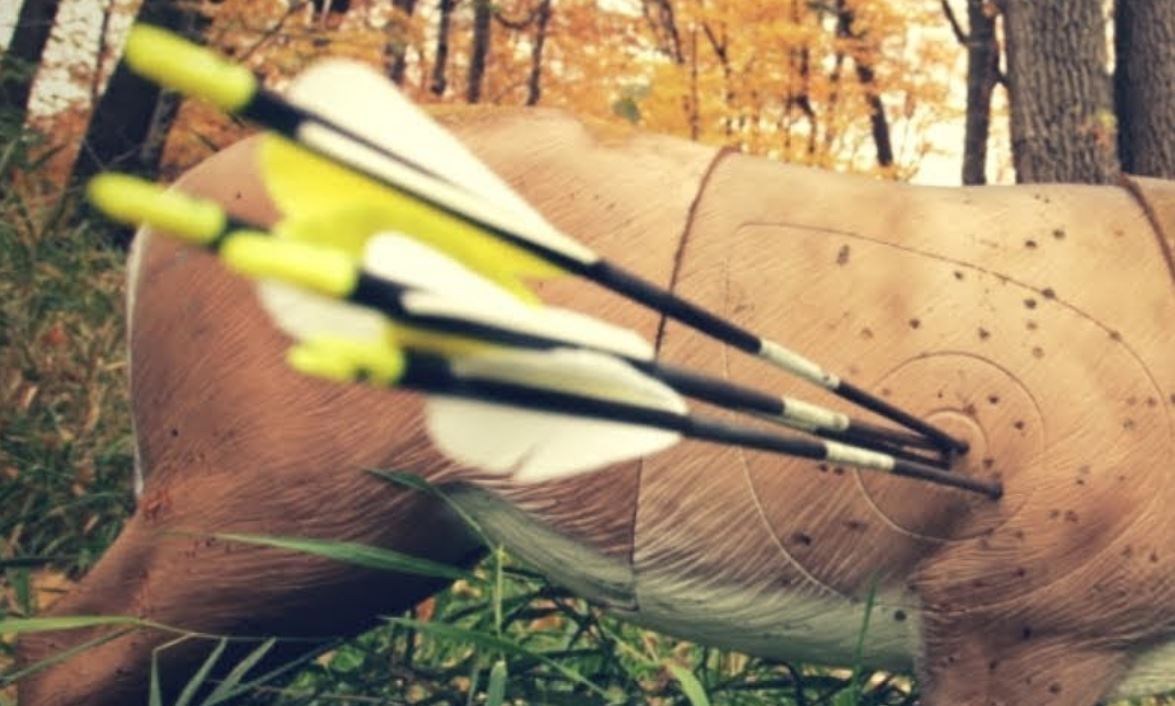
Image CobraArchery.com

1. Exercise to Improve Your Hunting, Experience

This is something that we should all strive to do on a regular basis, but life gets busy. Make it a point to improve your stamina prior to deer season. Staying in good physical shape should be a priority for hunters, especially when we expect ourselves to carry as much gear as a pack mule, climb like a tree like a monkey and have the ability to drag out a mature buck. Then we have to load it.

Hunters that expect to cover a lot of country must have endurance. Cardio will pay off. You don’t have to go all American Ninja Warrior on us. Chuck Norris? No. Just walking at a very brisk pace for a couple of miles a day helps get those legs and heart ready for action. But you still have to do it. Stronger legs can help with crouching, having to hold in odd positions for longer than you’d like and may ultimately help close the distance.

In addition, focus on exercises that use your arms and legs that help stabilize your core, which makes all of you muscles stronger but especially strengthens your back and abs. Many of us forget about abs. Don’t aim for six-pack abs, but do exercises that make your abs stronger because weak abs will lead to back injuries. A weak back is a back injury waiting to happen. Avoid having it happen when you go to load your big buck.

Tips for Prepare for Deer Season

2. Practice: Skill Creates Opportunity

This is something that every hunter should do early on, well before the deer hunting season. Get out your gear and look it over, then go a use it. Nothing better prepares us for the final seconds of a successful hunt better than being comfortable and confident with our hunting equipment. This is equally true for archery equipment and firearms. Getting to know your gear is particularly important if you’ve picked up a bow or gun recently.

Practice with your gear and become proficient with it. Also, perform a dress rehearsal of sorts, and get everything in place just as if you were going hunting. Shoot. Walk. Climb. See what is going to work and and what is not. Nothing builds confidence like repeatedly shooting your bow into the fall season. Again, pre-season exercise will ensure you don’t strain an arm or pull a buck muscle in the process.

Whether you hunt using a gun, bow, or both, create situations simulate actual hunting scenarios. Shoot from elevated positions as well as from ground level, while sitting, standing, crouched or while kneeling. It will also pay to examine any stands that are already in place an ensure that everything is good to go. Don’t wait until your first sit of the season to realize there is a fresh, new branch growing right where your head is supposed to be, or what used to be an open shooting lane is now a mess of new growth.

Deer Hunting the Early Season

3. Game Cameras for Pre-Season Hunting

What do I need to say here? It’s late Summer so get them out and start scouting! With hot, dry conditions deer will be on the move right now, with most activity occurring after the sun goes down until mid-morning. There is no better time to get a pre-season read on the bucks using your hunting property than right now.

This is important and really exciting for those of you that will be hunting new ground during the upcoming deer season. It’s fun to get out during the last hour of daylight, cruise and sight deer, but most of the buck movement and feeding activity during late Summer will under the cover of darkness. We like it cool and so do the deer.

Remote cameras allow a hunter to evaluate most of the bucks in his or her hunting area as well as estimate deer herd composition. This is good leading up to the season opening because it gives the hunter a chance to set expectations, evaluate antler growth on an annual basis, and determine management-based harvest strategies. August through September is typically the time to perform deer surveys, so get out there and get some info on the deer using your property.

Pre-Season Deer Hunting TIps

Who’s Naturally Spreading CWD?

CWD is Moving

Chronic wasting disease (CWD) is a big deal for deer populations, deer management, and deer hunting — and for many reasons. First, it’s a threat to white-tailed populations throughout the deer’s range. Secondly, it is a huge point of contention between hunters and deer breeding operations as well as hunters and state natural resource agencies. The fact is that nobody really knows how CWD will impact free-ranging deer herds over the long term.

It’s a little disturbing for those of us that enjoying hunting white-tailed deer in the fall and consuming venison throughout the year with our families. At a time when the importance of recruiting new hunters is much of what we hear and read about, CWD itself, or the resulting management of the disease, may potentially push current and additional, potential hunters away. Who knows?

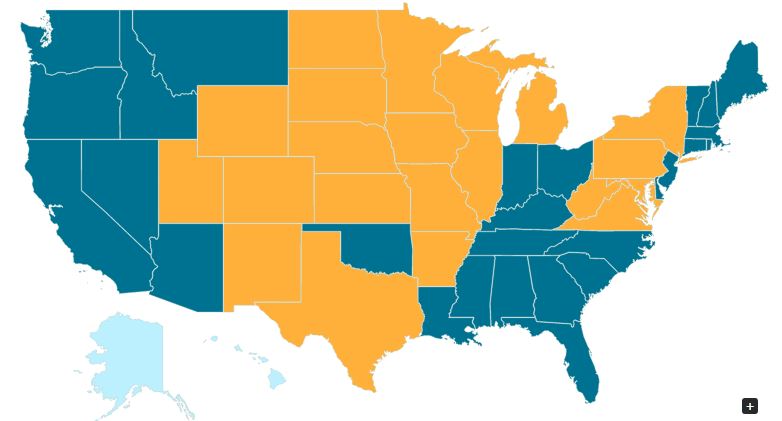
States where CWD has been found
States in yellow indicate where white-tailed deer have tested positive for CWD.

Fast-Tracking CWD Transmission

What is known: CWD is fatal to any deer that gets it. It’s a naturally occurring disease. Infected animals can infect other animals. Healthy animals can become infected while living in an infected environment. The rate of spread from one area to another can be increased by people moving deer infected with CWD. CWD has been found in 23 states, to date.

It’s generally thought that older bucks are the CWD-prone animals, but new research suggests that does are more likely than bucks to spread CWD within their range. According to reports of the study:

Fewer female white-tailed deer disperse than males, but when they do, they typically travel more than twice as far, taking much more convoluted paths and covering larger areas, according to researchers in Penn State’s College of Agricultural Sciences.

CWD Spread by Bucks and Does

These findings, from a study in which 277 juvenile female deer were fitted with radio collars, has important deer-management implications in states where chronic wasting disease is known to be infecting wild, free-ranging deer, noted researcher Duane Diefenbach, adjunct professor of wildlife ecology.

“Dispersal of female deer is density dependent, meaning that higher deer densities lead to greater dispersal rates.” He explained. “Therefore, reducing deer density will reduce female dispersal rates—and likely will reduce disease spread.

CWD More Likely in Bucks

Past studies have shown that older bucks are more likely to have CWD, to test positive for it. This makes sense to me because even though the new research out of Pennsylvania suggest that does are more likely to spread the disease through dispersal, bucks likely encounter more does during the breeding season, which increases their chances of contracting the fatal disease.

It’s been suggested that bucks be targeted by hunters to slow the spread, but no one can say for sure whether or not this strategy has worked or will work for sure. In Wisconsin, yearling bucks and does were found to have CWD at a similar rate, about 3.5 percent, in areas where the CWD disease was “most prevalent.” Those are only year-and-a-half old deer, which means both sexes are going to test out at significantly higher rates as they age.

CWD Spreads Faster Through Bucks

The Penn State research gives some merit to herd reduction plans commonly implemented by state natural resource departments throughout the US; a decrease in deer density and shorter dispersal distances will reduce the rate of spread of CWD within deer populations. It’s paramount that it be pointed out that the end result is still fewer deer. CWD itself, or the control strategies implemented to reduce the spread of the disease, both lead us to the same end-point, reduced deer numbers, reduced hunter opportunity and a continued decline in hunter recruitment.

Scientists believe that the prions that cause CWD in white-tailed deer can persists for years, maybe even decades, in the soils in areas that have become infected — even after all of the deer are gone. If we remove all of the deer to prevent the spread of the disease, then what will we be left with?

Fortunately, CWD kills deer slowly. In fact, it’s been reported that a deer must have CWD for almost a year before it will even test positive for the disease. CWD is always fatal to a deer, but since it works slowly the biggest initial threat to most management programs will be reduced age structure in bucks. Even fewer bucks will reach old age as the disease becomes more prevalent, assuming hunting pressure remains constant. That’s a big assumption. Only time will tell.

Public Deer Hunting in Texas

TX Public Lands

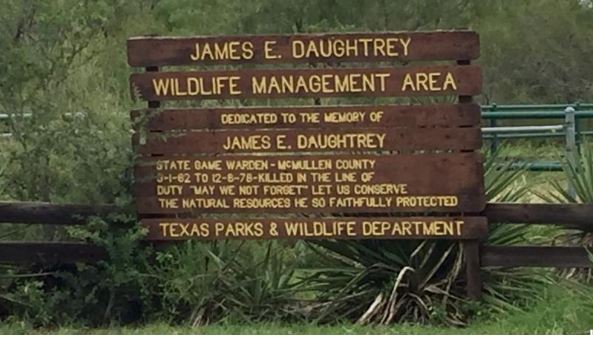
Most of the land in Texas is privately owned but there are some solid public deer hunting lands found throughout the state. The majority of the public draw hunts for white-tailed deer are good quality hunts on state-owned properties, many of which are managed specifically for deer and other native wildlife.

Each year offers more opportunities for deer hunting than the years prior, as additional draw hunts on public and private lands are being consolidated into Texas Parks and Wildlife Department’s (TPWD) online application system. Gone are the days of filing out dozens of paper forms (which was the norm) for various public lands and wildlife management areas.

Texas Public Deer Hunting Opportunities

Texas Public Hunting Lands

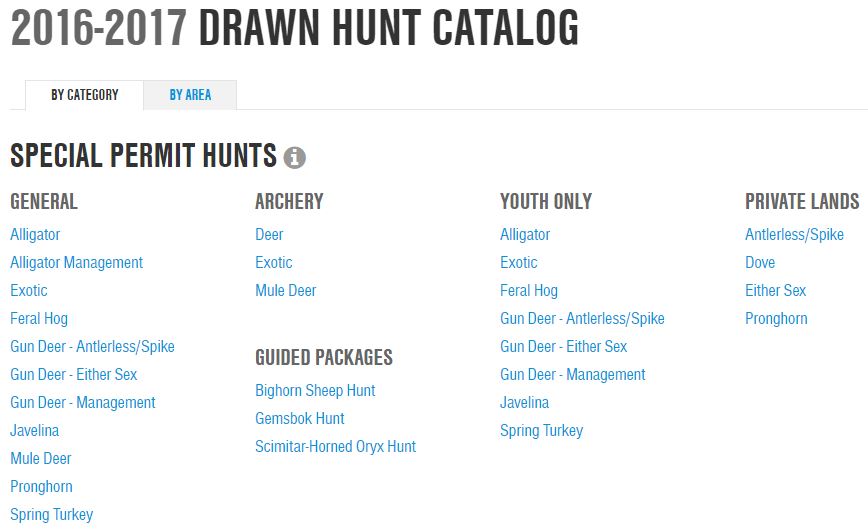
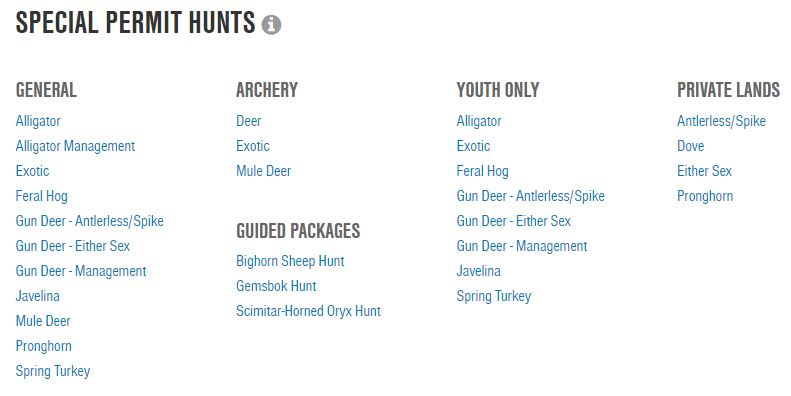
Included in these public lands hunts are hunts for white-tailed and mule deer, pronghorn, exotic ungulate species, turkey, alligator, as well as a guided hunt for desert bighorn sheep and even a new category offer public dove hunting. They key to getting on any of these hunts starts by putting your name in the hat.

I’ve come up empty handed in the draw process before, but more years than not I’ve been lucky enough to go hunt some new country across the state. Although I’m no-doubt focused on the quality public deer lands out there, I make sure to enter almost all of the other hunt categories as well.

State and Federal Lands Offer Public Hunting Opportunities

State and Federal Hunting Opportunities

In addition to drawn hunts managed by TPWD, other public hunting land opportunities now includes applications for hunts administered by other agencies. This is especially good for deer hunters living in the eastern part of the state or closer to the Texas coast.

These federal land hunts include about 1,500 big game hunt positions on several U.S. Fish & Wildlife Service National Wildlife Refuges in Texas and antlerless deer permits for U.S. Forest Service properties in East Texas.

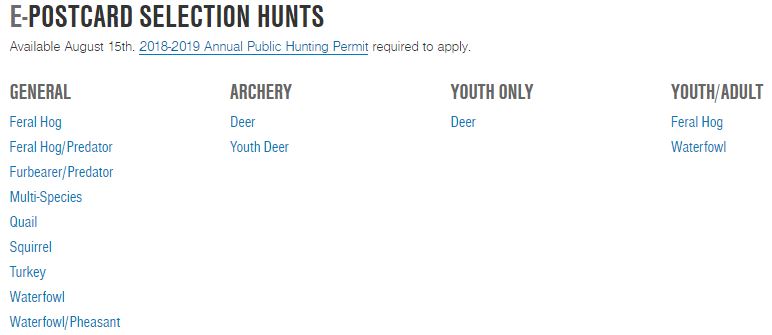
E-Postcard Public Hunting Land Hunts

All hunt opportunities can be viewed by category or by area using an interactive web-based map. In fact, the entire application process is handled online — from browsing opportunities, to applications, fee payments and permit issuance. To participate in Texas’ draw hunts, applicants will need an email address and a credit or debit card.

Deadlines to Apply for Texas Public Drawn Hunts

Every year, the application deadlines for public land hunts begin in August, with  early August being the deadline for alligator hunts and about mid-August being the deadline for archery deer, exotic, javelina and the new private lands dove hunts. Other hunt category deadlines, such as those for either-sex and antlerless deer hunts, occur from late-August through late-January.

Hunters interested in applying for Texas’ public hunts must apply online through TPWD through the Texas Public Hunt System. Hunters can apply up to 11:59 p.m. Central Time on the application deadline, and after the application is submitted, they can check their drawing status online at any time.

APH Permit Public Deer Hunting Lands

Costs of Public Deer Hunts

The drawn hunts program offers affordable public deer hunting in Texas with a good shot at success. Application fees are $3 or $10 depending on the hunt category. The E-Postcard Selection Hunts offered through the state, which includes hunts for white-tailed deer on both state and federal lands, requires that applicants possess a valid Annual Public Hunting (APH) Permit. This is the old “Type II” permit, for those that recall.

So what happens if you are selected and win a hunt? Adult hunters that are selected for regular drawn hunts may also need to pay a special permit fee of $80 for regular hunts and $130 for extended hunts. Some categories, such as the youth-only hunts, require no application fees or permit fees at all. Hunters selected through the E-Postcard Selection Hunts on public deer hunting lands do not have to pay any additional fees either.

4 Step Deer Hunting Plan: Basic Tips for Success

Hunting for Success

Question: “I live and deer hunt in west Tennessee. When should I put my trail cameras out to start looking for growing bucks? I’ve got my mineral stations and corn out now. The white-tailed deer are tearing the ground up to get the mineral. I’ve been spreading 160 pounds of corn out every 3 weeks when I go to refresh my mineral stations.

The land owner has been telling me that within three days the corn out it is all gone. What should I do or not do with regard to monitoring this property and preparing for deer hunting season?” -Jerry P.
Deer Hunting Strategies

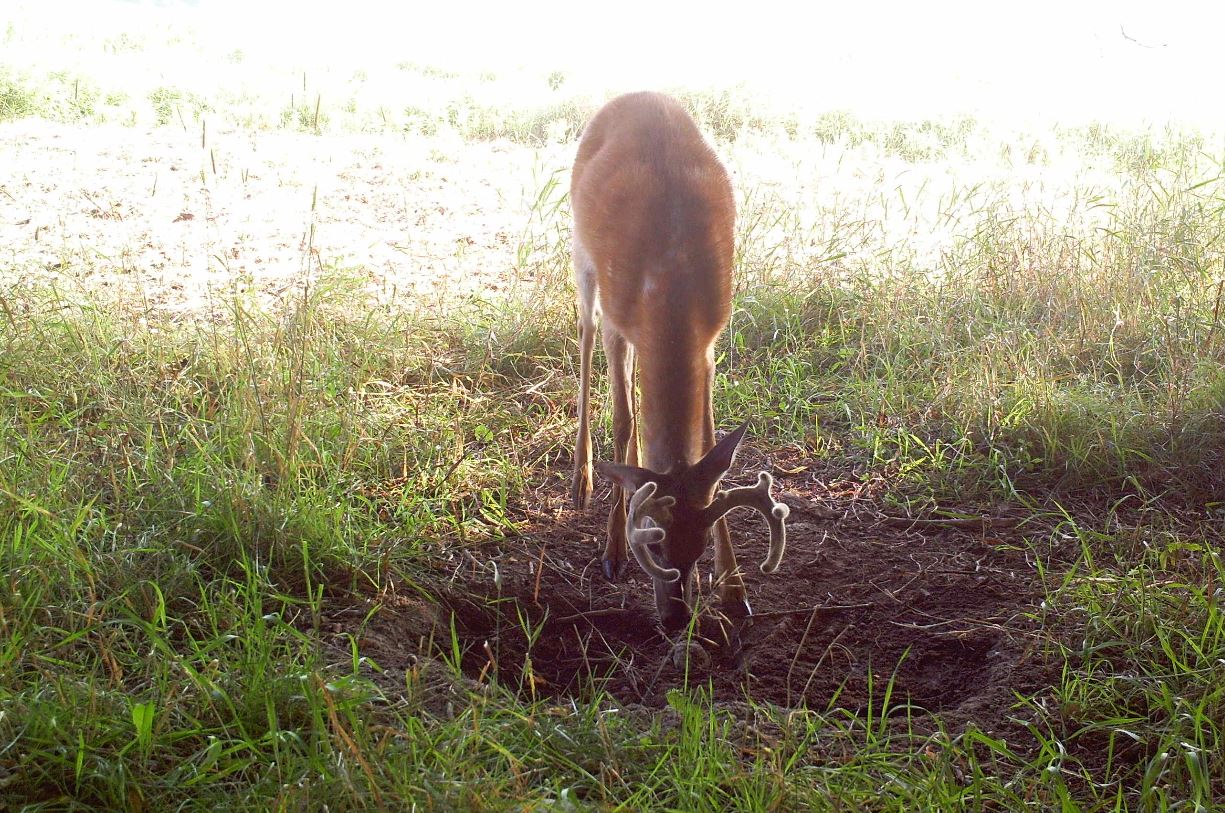
Response: It’s mid-June so if you want to watch the process of antler growth in bucks there will definitely be something to see at this point in the year, but white-tailed bucks are not yet near the end of the antler growing season. Expect antler growth to terminate by the end August for most bucks, with a substantial amount of change between now and then. Summer is a great time to document the bucks in your area through the use of game cameras because the weather is typically hot and dry. That equates to bucks taking advantage of any nutrition they can find on the landscape. They will be on feed, so your cameras should be too doing some pre-season scouting.

The mineral sites on the property are likely more beneficial for antler growth than the corn you are providing, but deer will readily consume corn during the summer months since native vegetation will be less palatable as new growth has slowed and older leaves are now tough and offer less nutrition. Corn and minerals both serve as warm weather attractants so they are ideal locations to capture deer on camera. Place a camera on each of them.

Game cameras work 24/7 and do a great job of inventorying bucks using food sources/attractants during the summer and winter months. It can be challenging to get bucks, especially mature bucks, on camera during the spring and fall when natural foods are abundant. However, if those deer are there and then that makes your summer time photo sessions quite valuable! If you waited until just before fall to deploy cameras then you would likely miss a number of bucks. At the very least, I would recommend that hunters do their pre-season camera scouting during the month of August.

When deer hunting a new property, or even a place that you have hunted for a while, the first thing that you need to do is PLAN for the upcoming fall. The best way to ensure success at anything is to plan. We develop deer management plans for properties, so why not deer hunting plans?
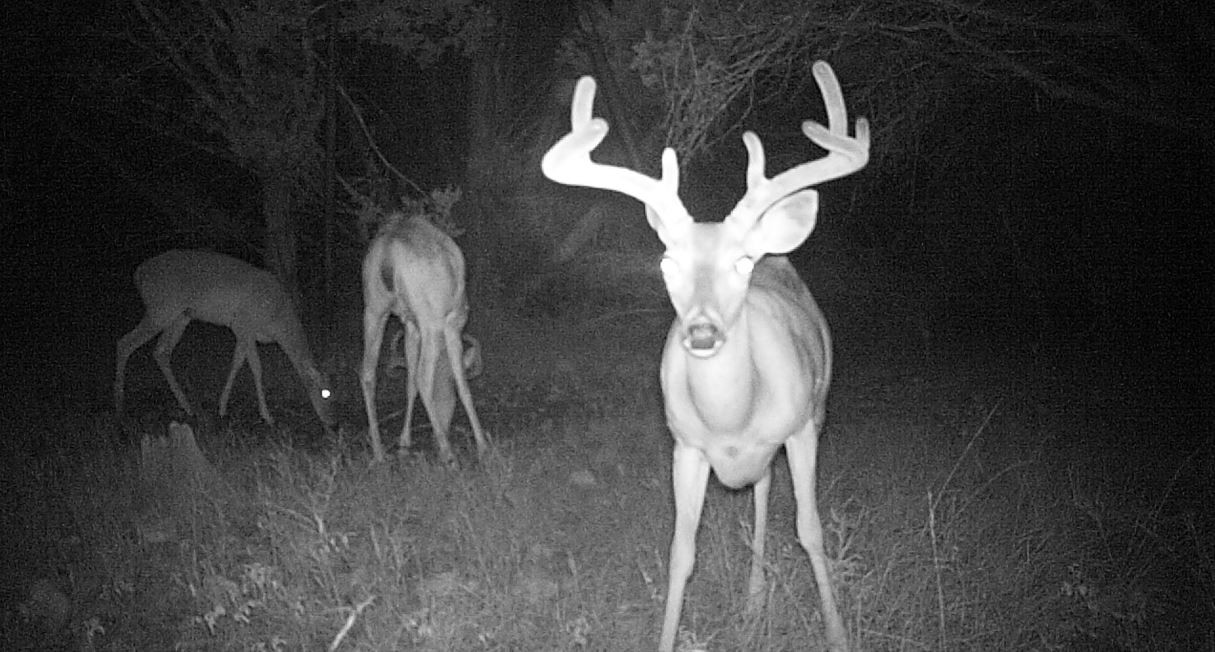
Use Game Cameras for Deer Hunting Success

Basic 4 Step Plan for Deer Hunting Any Property

1. Consider how you will access your hunting ground.

You’ve got to get there, right? But… will your arrival tip off the very deer you intend to hunt? We tend to know when someone is in our yard, at our house. Whitetail are the same way. They pay attention to what is happening in their front yard, side yard and back yard. It’s called survival. Over the years I’ve learned to address anything that announces my approach, whether it be a noisy chain on a metal gate, a diesel truck driving through a field or a ATV/UTV humming along through the woods. It’s best to walk. Quietly.

Deer can handle all of the things mentioned above when that is what they are used to on a daily basis, but not so much when it’s out of the ordinary. When white-tailed deer perceive their surroundings are different they will act different. Go stealth from the start.

2. Keep some areas quiet and off limits all of the time.

You will want sanctuaries on the property you are hunting. These are areas that are off limits to all human activity during the pre-season as well as during the hunting season. If you own the property then you have more control over this, but if you are hunting someone else’s land then you are at their mercy. Even then, there is likely at least one area on their property that they tend to avoid for one reason or another. I’d recommend that you avoid the urge to march off into the middle of it and put up a stand and/or feeder, especially on small acreage since sanctuaries are more important on pint-sized properties.

Instead, place your stand on the edge of the sanctuary, or better yet, a short distance away on a travel corridor or funnel. This gives the hunter the edge because hunting deer where they travel to and from bedding and feeding areas is much better than hunting deer where actually sleep and feed. You will disturb them. Hunting travel corridors will likely allow you to see more deer, as well, since not all deer (especially older bucks) will head straight to the feeder once the hunting season is underway.
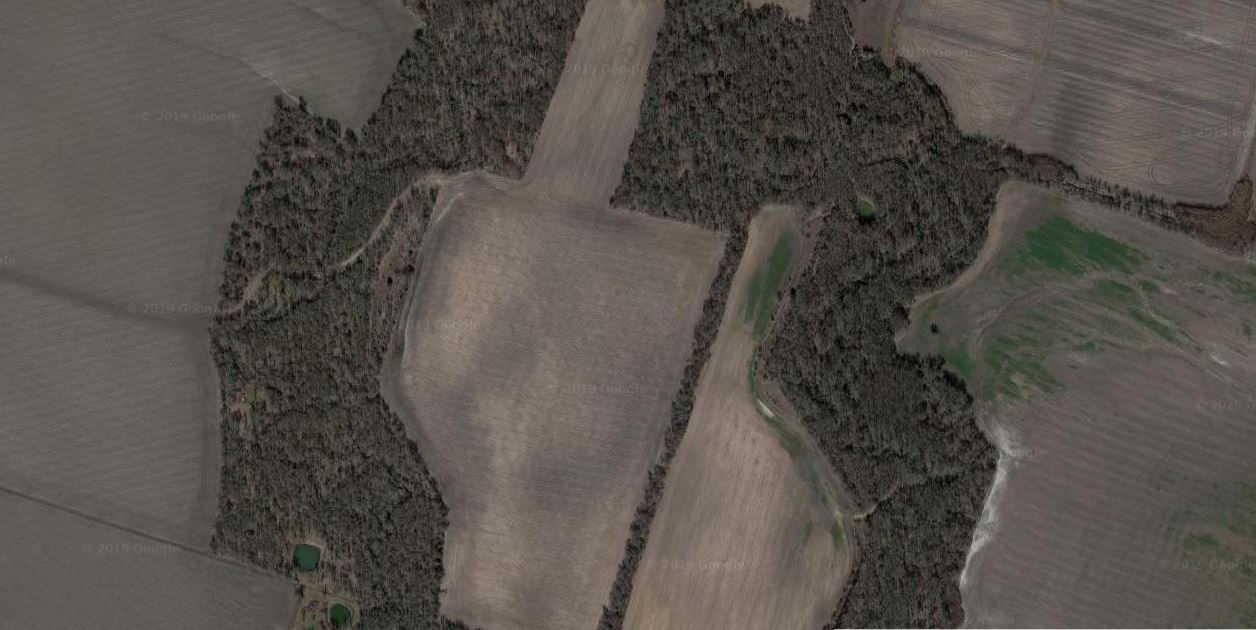
Know Where Deer are Found

3. Identify the feeding, bedding and travel ways of local deer.

Before a hunter can figure out how to successfully hunt a property, he or she must understand how deer are using the property. Deer are out there doing what they naturally do, so the worst thing a hunter can do is disrupt the natural course of events. Scout every inch of the place during the off season to find natural sanctuaries, bedding areas and travel ways. If you can’t get into all the nooks and crannies for fear of bumping deer (too close to hunting season or during hunting season), then resort to aerial photography.

A look from above will also tell you where you might expect winter agricultural fields or neighboring food plots to be situated. This will give you more insight into how deer may be moving within and adjacent the property you are hunting.
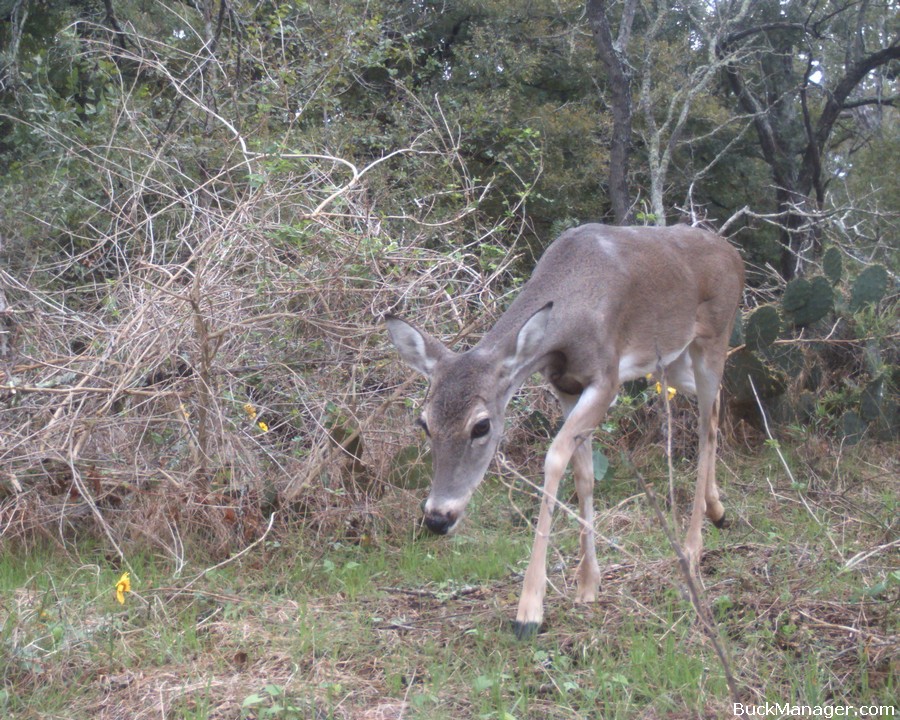
8 How To Tips for Deer Hunting from the Ground

4. Have at least two hunting setups.

Once you know the lay of the land and have identified deer use of the property, it is only then that you should take your a stab at picking stand locations. Make a map and insert all of the pertinent features onto it. Then, consider how the property should be hunted during a north to northwest wind. I’ll submit that this is the best time to hunt since deer movement increases significantly during cold weather.

Hunting warm weather can pay off, but when you want to limit disturbance on a property so as not to impact buck behavior, then you will want to make the most of your few days out there each fall. Cold weather helps keep human scent down, but more importantly lower temperatures get whitetail bucks up on their hooves and moving. Go cold or go home. Really. Have at least two stands that you can access under a couple of wind conditions with minimal disturbance setup on your deer hunting property.

Use this four step deer hunting plan now to put the odds in your favor this fall and winter. A little planning will allow you to make the most of your hunting property, whether big or small. In addition, a well thought out game plan will likely result in more enjoyable hunts, which hopefully result with the tagging of a big, mature whitetail buck.