Texas Deer Hunting Outlook
Rainfall and habitat conditions in Texas tend to rise and fall together, shifting noticeably with the seasons. This correlation has a material impact on the Texas deer hunting forecast each year. In 2026, nearly the entire state entered spring under some level of drought, creating early concern for wildlife and vegetation.
Fortunately, late spring and early summer brought widespread, meaningful rainfall that revitalized much of the landscape. As soils recharged and vegetation responded, habitat quality improved across large portions of Texas, setting the stage for stronger wildlife production than initially expected.
Even with this broad improvement, some regions of Texas benefited more than others. The Cross Timbers, Edwards Plateau, Eastern Rolling Plains, and pockets of the Post Oak Savannah and Blackland Prairie saw the most significant gains and are positioned for a slightly above average season.
In contrast, parts of South Texas and the Pineywoods missed out on the late spring boost, but mid‑summer rainfall paired with cooler than average temperatures helped stabilize conditions. These mid‑season improvements should support better fawn survival and overall deer health as the year progresses.
Texas Parks and Wildlife Department (TPWD) biologists indicate hunters can expect good deer harvest numbers and opportunities for quality whitetail bucks during the 2026-27 season. Following three above-average years of fawn survival, the Texas white-tailed deer population has climbed to an estimated 5.64 million.
“Texas leads the nation in terms of number of deer hunters, annual harvest, and deer population,” said Blaise Korzekwa, TPWD white-tailed deer program leader. “Even an average year in Texas is worth deer hunting. Landowners who properly manage the state’s natural resources have shown year after year that their management can pay off.”
Practicing Deer Management Contributes to Deer Hunting Forecast
Deer management is a year around commitment for landowners and hunters, not something that begins when the season opens. A healthy, productive deer herd depends on consistent attention to habitat quality, thoughtful herd management practices. Of course, it benefits from timely spring rains when Mother Nature provides it. When these elements work together, they create the foundation deer need to thrive long before anyone steps into a blind.
By investing in land stewardship throughout the year, landowners give their deer the best chance to enter the season strong. Managing native plants, maintaining water sources, and reducing habitat stress contribute to overall herd health. These activities also improve annual fawn production and recruitment. In short active deer management generally sets the stage for a successful and rewarding deer season.
Age, Habitat & Antler Growth in Bucks
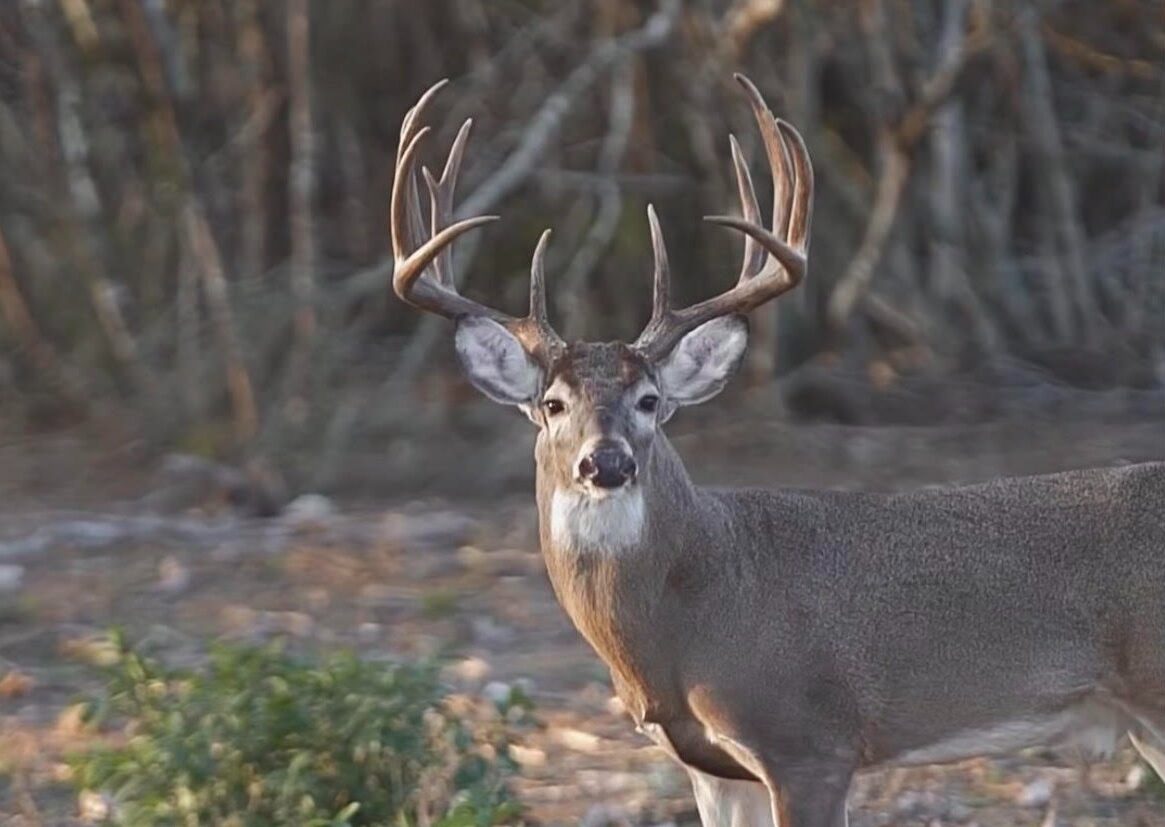
Antler growth is directly related to rainfall between April and June, and the improved habitat that follows. For 2026, TPWD reports that hunters should see slightly above-average antler quality for most of the state. Pockets of the Pineywoods and South Texas that missed out on the late-spring rains should expect average antler quality this season.
Much-needed summer rain and mild weather helped more fawns survive this year. Ranches that manage deer populations through hunting and improving native habitat will see steady improvements over time.
Best Texas Ecoregions for Buck Harvest
Although hunters can harvest a mature buck with a quality set of antlers in any area of Texas, there are a few regions of the state that typically produce a greater number of larger antlered bucks, namely the South Texas brush country and the Western Rolling Plains.
Average Boone and Crockett (B&C) scores of a buck that is 5.5 years old or older is about 131 inches in South Texas and 133 inches in the Western Rolling Plains. Other ecoregions of the state can also produce exceptional bucks, with each ecoregion producing trophies every year and statewide B&C scores averaging 124 inches if the bucks survive to 5.5 years of age.
Deer Hunting Forecast by Ecoregion
Edwards Plateau
The Edwards Plateau, commonly called the Hill Country, has the highest deer population in the state with an estimated 1.973 million white-tailed deer in this ecoregion alone. Severe drought conditions in 2022 lowered the region’s population to 1.514 million white-tailed deer in 2023. Since then, consecutive years of exceptional fawn survival helped the population to steadily increase. Hunters looking for opportunities to see lots of deer this fall should put this area on the priority list.
The area around Llano and Mason counties (Deer Management Unit 6) has the highest deer density in the region. Doe harvest is especially important in this area to relieve pressure on food resources.
Despite what seems like perpetual drought conditions every spring, the Edwards Plateau has received adequate rainfall in recent years and is a great deer hunting region, especially for hunters looking for quantity of animals. It consistently produces one of the highest hunter success rates in the state.
South Texas
The South Texas Plains ecoregion is known for mature bucks and above average antler quality relative to most other areas of the state. For hunters seeking a once-in-a-lifetime trophy, South Texas is often regarded as the premier big buck destination.
Estimates show a population of nearly 478,000 white-tailed deer, and although drought conditions can limit growth from year to year, the population has been trending upward with slow growth over the last two decades. More-often-than-not drought conditions in South Texas leads to erratic fawn crops that keep population growth at a slow pace and require good habitat management and population management practices to produce the quality of deer South Texas is known for.
The 5.5-plus-year-old classes will be abundant and offer plenty of mature bucks this season. Many ranches in the region manage for older age class bucks and the 5.5+ age class should be well represented. Properties “stacking” bucks into the mature age classes over the last several years should see a good pool of mature bucks available for harvest.
Hunters can expect an average season in South Texas, but average in this part of the state is still a great season.
Post Oak Savannah
Similar to other areas of the state, the Post Oak Savannah ecoregion began the spring under extreme drought conditions but enjoyed good late-spring rain which contributed to above average fawn production this year.
Age and antler surveys indicate that 30 percent of the buck harvest in 2025 was represented by bucks 4.5 years old or older, which is lower than recent years and likely due to the increased number of young bucks from exceptional fawn crops since 2023.
Below-average fawn survival in 2021 and 2022 will create a lower estimate of 4.5- and 5.5-year-old bucks this season. Above-average fawn survival from 2023-2025 has produced many young bucks, but hunters should practice patience and give these bucks a few more years to reach maturity.
Pineywoods
Most recent survey data estimated the Pineywoods deer population at 334,414 and has remained very stable over the previous five years.
Habitat management is critical in the Pineywoods to help sustain deer populations. TPWD biologists work with numerous landowners and timber companies to restore and maintain quality deer habitat in the region. Based on previous year’s fawn production, hunters should expect a strong cohort of 3.5-year-old bucks, but a below-average cohort of 4.5- and 5.5-year-old bucks. Hunters should continue to practice quality deer management and allow bucks to reach at least 4.5 years old.
Hunters need to be mindful of not harvesting too many young and middle-aged bucks this season, as aside from the 3.5-year-old age class, those age cohorts are not as strong this season and they will become mature in a few more years.
Cross Timbers
The Cross Timbers ecoregion in north Texas has the second highest deer population in the state, with 924,242 white-tailed deer.
The population in the Cross Timbers continues to increase due to exceptional fawn survival over the last three years. Because of the relatively consistent fawn production, buck age structure is generally well distributed across all age classes. However, hunters will likely see fewer 4.5-year-old bucks this year due to poor fawn recruitment in 2022, but every other age class will be well represented. Hunters focusing on mature bucks should not be disappointed with the upcoming season.
Rolling Plains
The Eastern and Western Rolling Plains ecoregions have experienced population growth in recent years.
Sporadic fawn production over the last several years has created age gaps in mature age classes, but overall mature buck numbers will remain steady. In 2025, 42 percent of the buck harvest in the Western Rolling Plains was represented by bucks 4.5 years old or older, equal to the Eastern Rolling Plains and the second highest in the state behind South Texas. Because of larger property sizes and relatively light hunting pressure, as well as more interest in deer management, harvest trends of older age class bucks are expected to continue in 2026.
The deer hunting forecast for the Rolling Plains is shaping up well The ecoregion has been a hotbed for mature bucks in Texas, with both the East and the West landing in the top three ecoregions for mature buck harvest. Hunters can expect another great deer hunting season in 2026-27.