Screwworms in Wildlife: Risks, Impacts, & Management in Texas
Screwworms in wildlife represent one of the most serious parasitic threats to mammals in North America. Although the United States successfully eradicated the New World screwworm decades ago, wildlife managers, livestock producers, hunters, and conservationists remain alert because the pest has returned to Texas. The devastating impacts these parasites can have on wild animal populations.
Texas, with its extensive wildlife resources, international border, and diverse ecosystems, is particularly important in ongoing surveillance and prevention efforts.
Understanding how screwworms affect wildlife, which species are most vulnerable, and how managers can detect and reduce outbreaks is critical for protecting both wild animals and agricultural interests.
What are Screwworms?
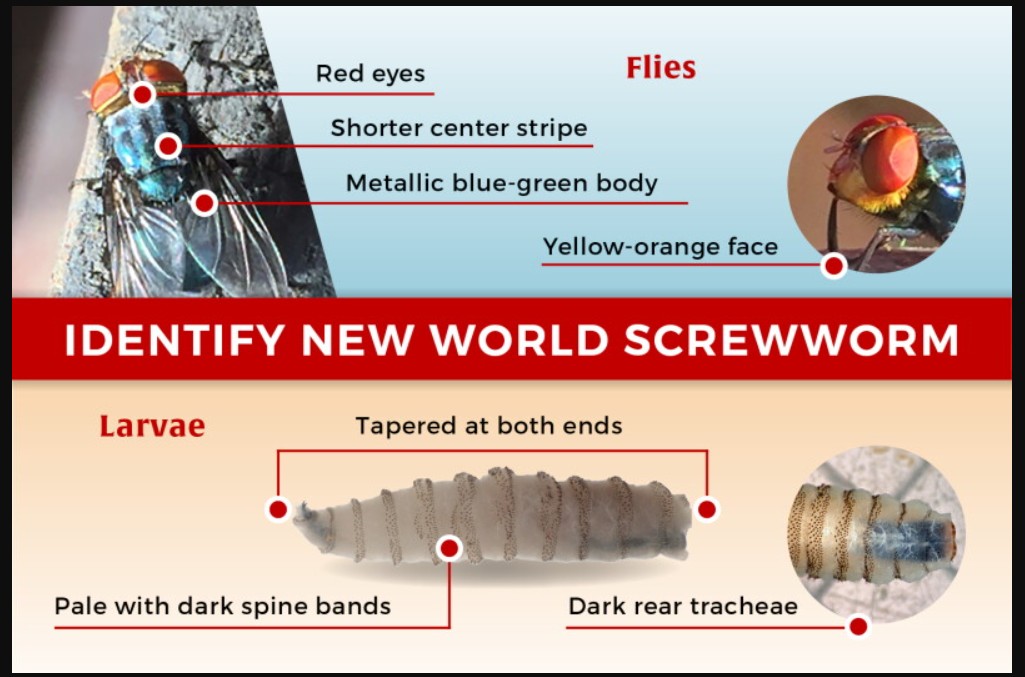
The New World screwworm is the larval stage of a parasitic fly, Cochliomyia hominivorax. Unlike many other fly larvae that feed on dead tissue, screwworm larvae feed on living flesh. Adult female flies lay eggs in open wounds, including cuts, abrasions, insect bites, branding marks, antler velvet injuries, or surgical sites.
Once the eggs hatch, the larvae burrow into the wound and feed on healthy tissue. As they grow, the infestation becomes larger and more severe, attracting additional flies that may deposit even more eggs. Without treatment, animals can suffer extensive tissue damage, secondary infections, debilitation, and death.
The name “screwworm” comes from the larvae’s screw-like appearance and their tendency to burrow deeply into wounds.
Why Screwworms Are a Concern in Texas
Texas has long been at the forefront of screwworm prevention efforts. Historically, screwworm infestations caused significant losses among livestock and wildlife throughout the state. Before eradication, ranchers and wildlife managers spent enormous amounts of time and resources treating infected animals.
Today, the primary concern is reintroduction. Texas shares ecological and economic connections with regions where screwworms could potentially spread northward. The state’s large populations of deer, exotic game species, feral hogs, livestock, and other wildlife provide abundant hosts should an outbreak occur.
Because many wildlife species roam across vast landscapes, a screwworm infestation could spread rapidly before detection. This makes surveillance and early response especially important.
Screwworms in Wildlife: Species at Highest Risk
Virtually any warm-blooded animal can become infected with screwworms, but some species face higher risks due to their behavior, habitat use, or frequency of injuries.
White-Tailed Deer
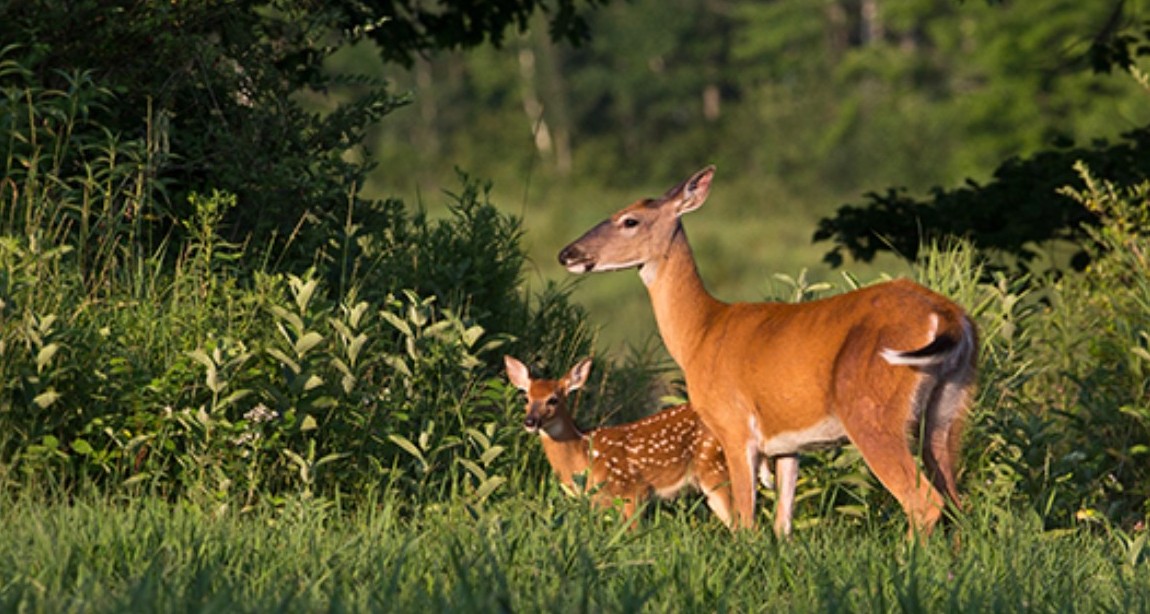
White-tailed deer are among the wildlife species most vulnerable to screwworm infestations in Texas. Screwworms and deer populations don’t coexist well. The eradication of the New World screwworm more than 50 years ago is widely considered one of the key factors behind the success of Texas’ deer herd.
Bucks frequently sustain wounds during the rut from antler fights and territorial disputes. These injuries create ideal sites for screwworm flies to deposit eggs. Fawns can also be susceptible through wounds associated with birth or injuries sustained during early life. Because white-tailed deer are abundant across Texas, they are often considered a key species in surveillance effort.
Mule Deer
Although less widespread than white-tailed deer in Texas, mule deer can face similar risks. Antler injuries, fence entanglements, and environmental wounds can all provide opportunities for infestation.
Exotic Game Species
Texas supports large populations of exotic hoofstock on private ranches, including species such as axis deer, blackbuck antelope, and various African antelope species. These animals may experience injuries from fighting, handling, transportation, or environmental hazards.
Because many exotic game operations involve high-value animals, screwworm infestations can result in significant economic losses as well as animal welfare concerns.
Feral Hogs
Feral hogs frequently suffer cuts and abrasions while moving through dense vegetation or competing with other hogs. Their high population densities in many areas of Texas could facilitate screwworm spread if an outbreak occurred.
Bighorn Sheep
Desert bighorn sheep populations are carefully managed and relatively small. Even limited screwworm infestations could have disproportionate impacts on local herds because population numbers are often already constrained by habitat and disease challenges.
Predators and Scavengers
Coyotes, bobcats, mountain lions, and other carnivores are also susceptible. Territorial disputes, hunting injuries, and encounters with prey can create wounds attractive to screwworm flies.
While predators may not experience the same population-level impacts as some ungulates, individual mortality can occur when infestations go untreated.
Population-Level Impacts of Screwworms in Wildlife
The effects of screwworms extend far beyond individual animals. During significant outbreaks, entire wildlife populations can experience measurable declines. The most direct impact is death from severe tissue damage, infection, blood loss, or exhaustion. Young animals are especially vulnerable because they possess fewer energy reserves and may be less capable of surviving extensive infestations.
For deer hunters and wildlife managers, the return of the New World screwworm could create significant challenges for herd management and harvest objectives this fall. If infestations become widespread, increased mortality could reduce local deer populations and alter age structures, potentially affecting harvest quotas and management goals.
Wildlife agencies may need to intensify monitoring efforts, adjust harvest recommendations in affected areas, and rely on hunters to report deer exhibiting unusual wounds or signs of infestation.
At the same time, hunter observations and harvested deer could provide valuable surveillance data, helping biologists detect new infestations quickly and respond before screwworms become established across larger portions of the landscape.
Population Declines
Animals weakened by screwworm infestations may fail to reproduce successfully. Females may experience lower pregnancy rates or reduced ability to care for offspring. Males weakened during breeding seasons may be less competitive.
When infestations affect large numbers of animals across a region, wildlife populations can decline significantly. Historical outbreaks demonstrated that deer populations, in particular, can experience substantial losses.
Economic Consequences
Wildlife contributes billions of dollars annually to the Texas economy through hunting, wildlife viewing, tourism, and land management activities. Significant wildlife losses can negatively affect landowners, outfitters, rural communities, and conservation programs.
How Wildlife Managers Detect Screwworms in Wildlife
Early detection is one of the most effective tools for limiting the spread of screwworms in wildlife. This means monitoring for wounds and unusual behavior.
Wildlife professionals routinely watch for animals displaying signs of screwworm infestation, including:
- Large or expanding wounds
- Visible maggots in living tissue
- Foul-smelling lesions
- Head shaking or excessive grooming
- Weakness and lethargy
- Isolation from normal social groups
Any suspicious wound should be noted. If observed in domestic or exotic livestock then it should be investigated and treated promptly.
Hunter & Landowner Reporting
Hunters, ranchers, wildlife photographers, and landowners often serve as the first line of detection. Individuals who observe animals with unusual wounds or maggot infestations can provide valuable reports that trigger rapid investigations.
Because many wildlife populations occur on private lands in Texas, cooperation between landowners and wildlife agencies is especially important.
Sample Collection and Laboratory Confirmation
When screwworm infestation is suspected, larvae are collected and submitted for identification. Laboratory confirmation helps distinguish screwworms from other fly larvae that may colonize wounds but do not feed on living tissue.
Accurate identification is essential because management responses can differ dramatically depending on the species involved.
Surveillance Networks
State and federal agencies maintain surveillance programs designed to identify potential screwworm introductions as quickly as possible. These programs often involve cooperation among wildlife biologists, veterinarians, livestock producers, and border inspection personnel.
Immediate reporting and investigation help prevent isolated infestations from becoming larger outbreaks. The sooner infected animals are identified, the greater the likelihood of containing the problem.
Managing Artificial Sources of Injury
Wildlife managers and landowners can reduce unnecessary injuries by:
- Maintaining fences and infrastructure
- Using safe wildlife handling practices
- Minimizing trauma during capture operations
- Monitoring animals after management activities
Reducing wounds decreases opportunities for screwworm flies to reproduce.
Sterile Insect Technique
One of the most successful insect control programs ever developed involves the release of sterile male screwworm flies. When wild females mate with sterile males, no viable offspring are produced, causing populations to collapse over time.
This strategy played a major role in eliminating screwworms from the United States and remains an important tool for preventing future establishment.
The Future of Screwworm Management in Texas
The threat of screwworms in wildlife has become a reality again. Texas occupies a critical position in North American surveillance efforts due to its geography, wildlife abundance, and livestock industry.
Continued cooperation among wildlife agencies, livestock producers, hunters, veterinarians, and private landowners will be essential for protecting wildlife populations. Early detection, rapid reporting, and proven control strategies for livestock offer the best defense for ag producers.
By remaining alert and maintaining strong surveillance programs, Texas can help ensure that screwworms in wildlife remain a manageable threat rather than a widespread ecological and economic crisis.