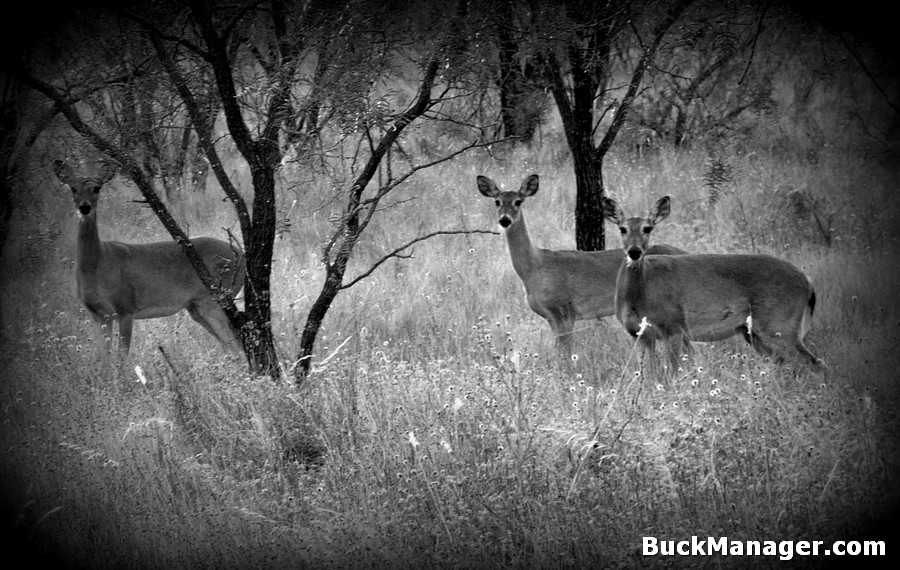
Let’s face it, most landowners want to see plentiful groups of white-tailed deer running around on their property. However, those interested in improving their herd through deer management practices should want to see healthy individual animals. Why is this, you ask? That is because healthy animals are an indicator of good deer habitat and animals in good condition make for healthy white-tailed deer herds. If individuals within a population are in poor condition, then the overall population itself is in poor shape. So although we may want to sustain as many deer as possible on a ranch, what is the ideal number or the target number? The quick answer is that carrying capacity is based on habitat and environmental conditions.
In short, it’s all related to soils and precipitation, which in turn determines the plant species that grow in a particular area. But even with that said, we all know that the quality of deer habitat can vary based on a variety of factors, even within a single county or even just a mile or two down the road. The previous few sentences probably did not help anyone develop a population goal for their property, but hopefully it did help in understanding that the carrying capacity for a particular piece of property can vary widely between regions, counties, and individual ranches. To help you get a handle on how many deer you should or could have, I have outlined three measurable factors that landowners and hunters can use to monitor the health of a deer herd.
Deer Body Weights
From experience, I can always determine if a property has too many deer for the available habitat based strictly on deer body weights. Deer are kind of like people in the fact that if food is available, they will usually eat it. Removing protein pellets, food plots, or any other type of forage supplement, there is only a limited amount of forage that deer can use on a particular ranch. If the ideal population size for a ranch is 100 white-tailed deer, then the property will support a population of 100 (or fewer) healthy deer. However, if more than this number of deer are on the ranch, say 130, then all of the deer on the property will be less healthy.
This phenomenon is most easily measured and assessed by collecting the field-dressed body weights of hunter-harvested deer off the property. The health of individual animals can be determined by comparing its body weight to that of healthy deer in the same age class. For example, mature (5 1/2+) and healthy white-tailed bucks anywhere in Texas should field-dress at least 125 pounds. Mature does should weigh around 80 pounds. Both sexes can easily weigh more than these quoted minimums, but they should at least reach these targets. Minimum field-dressed weights for healthy deer will vary depending on where in the country you are located, so contact your local wildlife department to get optimal field-dressed body weights (by age class) for your area.
Reproduction Measured Through Fawn Production
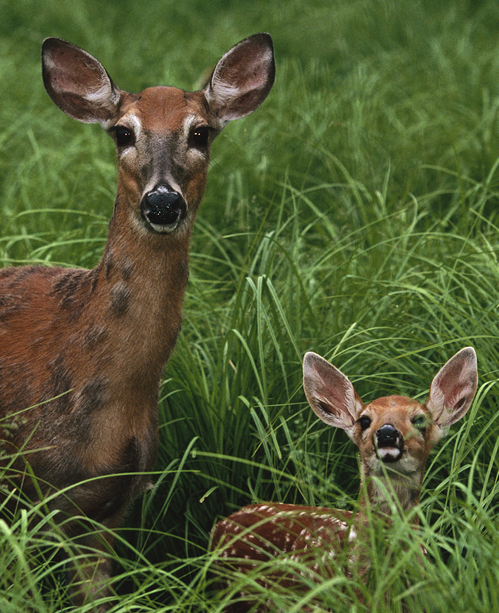
Fawn production is a good measure of habitat and herd health because nature does not lie. Healthy animal populations, regardless of species, will have high reproduction, high survival, and good recruitment in environments that provide everything they need. Animals need food, cover, and water, and white-tailed deer on no different. If your property provides high-quality deer habitat, then the cover and resulting food are in place.
The availability of food, as it relates to habitat condition, really impacts fawn survival. This is why fawn crops are poor during drought and high during years with high amounts of precipitation. Habitat that is being over-used by too many deer will be in poor condition, even during a “good” year. In addition to field-dressed body weights, fawn survival is generally a good measure of herd health. High fawn survival means healthy habitat. To estimate the fawn survival of the whitetail herd found on your property you will need to conduct daylight deer surveys annually. A fawn survival rate of at least 75% (75 fawns per 100 does) is indicative of a healthy deer herd and healthy habitat.
Habitat Use and Condition
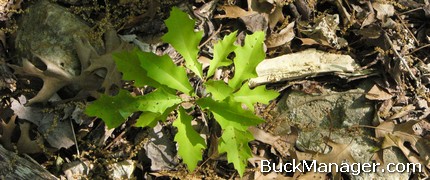
Biologist often use habitat condition, as measured through browse utilization by deer, as an indicator of habitat health. This is because trained individuals know exactly which plants deer prefer to eat, those that they will eat readily, and then those that are at the bottom of the list. As mentioned above, the availability of food is important for the health of individual deer as well as the herd as a whole. Although you do not have to become an expert in plant identification to successfully manage the deer herd found on your property, it would be a good idea to become familiar with the common browse plants on your property. This will allow you to identify browse consumption by deer throughout the year and from year to year.
Once you are able to recognize a few plants from each browse category (preferred, moderately preferred, not preferred), you will understand where on the buffet line the deer on your property are eating. However, there is a trick. Highly preferred browse plants will always be consumed at high levels. The real measure of habitat health will be determined by whether or not deer are eating plants they really do not want to eat.
Developing a Target Number for the Deer Herd
Each ranch manager should determine the whitetail carrying capactiy for their ranch. This number may vary over time, but without a goal there is no need for deer management. How can one manage for something if they can not measure or detect changes? As you can tell, record keeping becomes very important if you expect to monitor the progress of the deer found on your ranch. In short, there are two ways to determine the ideal deer population size for your property. You can work from the top down or from the bottom up.
A top-down approach would be to contact a state biologist, have them come look at the habitat on your property, and then them give you a ball park number on how many animals your habitat will carry. A bottom- up approach would be for you to monitor individual deer body weights and estimate fawn production annually. In either case, you can use the same information to make the appropriate changes. If the body weights of field-dressed deer are less than optimal for the area and fawn production is low, then there are too many deer for the habitat. Adjust the population carrying capactiy downward and shoot more animals. If, however, deer are in good condition and there are plenty of fawns, then it may be possible to increase the population incrementally as long as negative changes are not measured.
Of course, the above data will be of most benefit if you are also conducting annual camera surveys or spotlight surveys. And if you are at all serious about deer management, yearly deer surveys are a must for your ranch. Deer surveys are designed to help you estimate the number of white-tailed deer on your property, but then, using body weight and fawn production data, you can determine if that is the right target for you. Once you have identified the carrying capacity for your ranch, then it’s just a matter of conducting annual surveys and harvesting the excess population. Of course, if you keep the herd at carrying capacity, then that fawn production data will give you a pretty good idea of how many animals will need to be removed each year!