Browse for Deer
Deer and deer habitat varies considerably between the northern and southern parts of the white-tailed deer’s range. The available browse for deer can, too. In the southern U.S., starvation of deer is generally not a problem. Mild winters in the region means deer browse is often available. However, late-winter is still a stressful time for whitetail in terms of food quantity and quality. It’s more stressful when deer density is above the carrying capacity of an area.
When it comes to winter and native deer foods, browse plants are the most important ones on a deer’s menu. In fact, browse plants are of utmost importance during all stress periods, especially summer and winter. This article discusses habitat management activities that can increase browse for deer. Ideally, the information here will take your native browse production and deer management program to the next level.
Talking Deer Browse
Like us, deer eat the best foods they can find. Whitetail consume a plethora of plant species. In fact, one study alone recorded over 400 species consumed by whitetail in an area! However, natural forage is limited to browse, cool season forbs, and hard mast (such as acorns) in the winter. During years of good hard mast production, deer use this forage well into the winter.
However, hard mast availability varies from year to year. As a result, deer turn to alternative food sources. Cool season forb (tasty weeds) availability also varies by latitude and is almost non-existent in freeze-prone areas. Locations at the northern part of the whitetail’s range often come up short on cool season forbs. Likewise, southern latitudes suffer a similar fate during winters with low amounts of precipitation. So how can deer managers increase browse for deer?
Importance of Browse for Deer
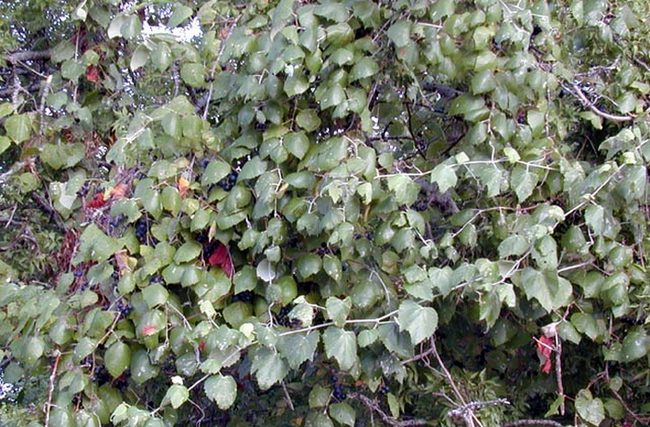
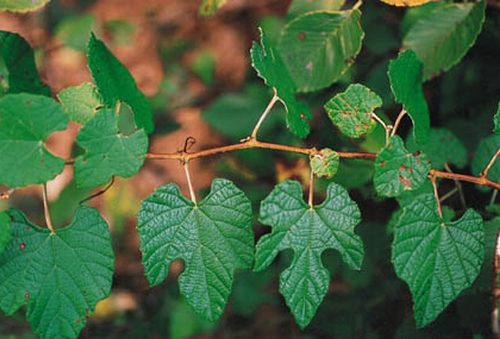
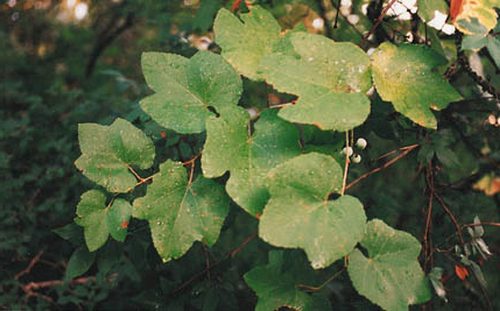
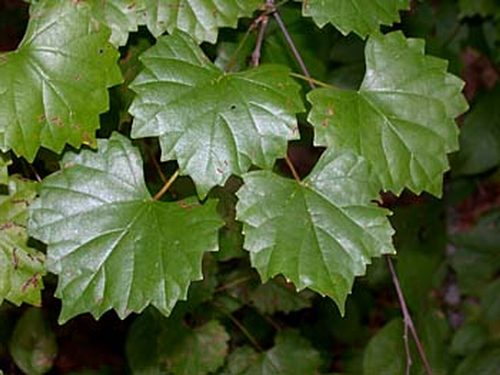
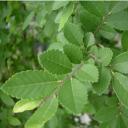
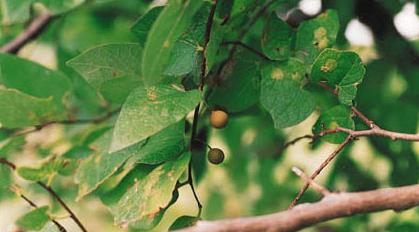
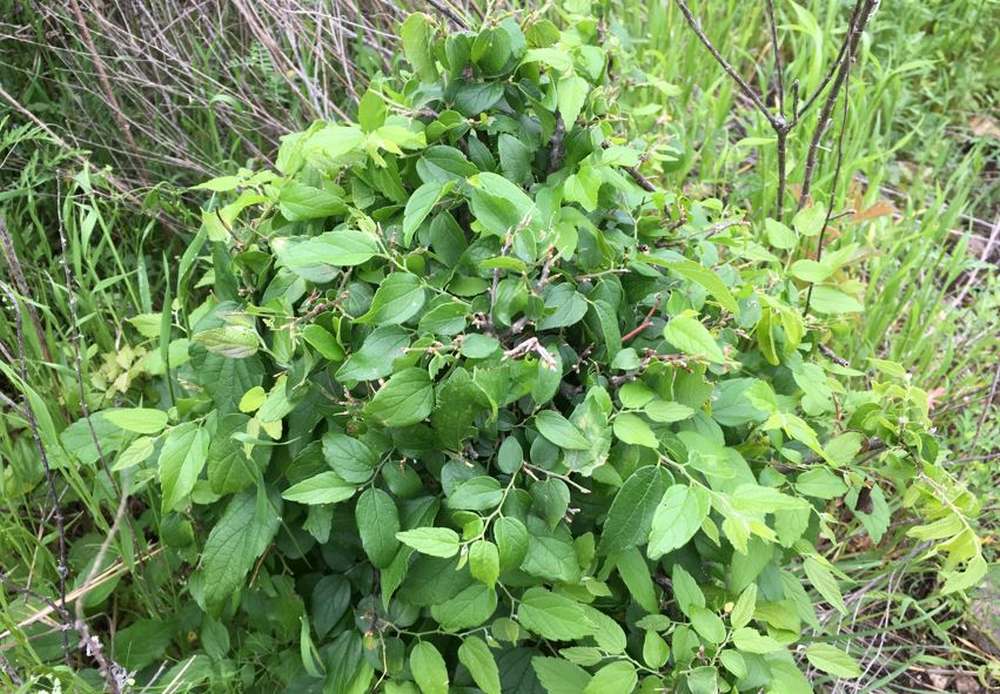
Browse plants are the most stable component of a white-tailed deer’s diet. Year-in and year-out, browse is a reliable staple in a deer’s diet. Why? Well, browse consists of the stems, twigs, and leaves of woody plants and these species tend to be long-lived perennials. Think about trees, shrubs, and vines, all of which provide deer browse.
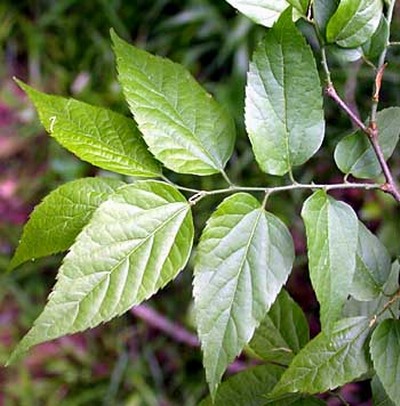
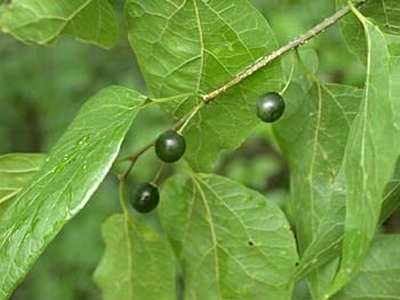
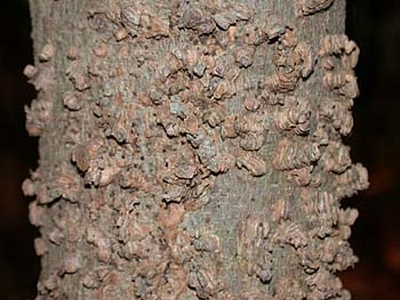
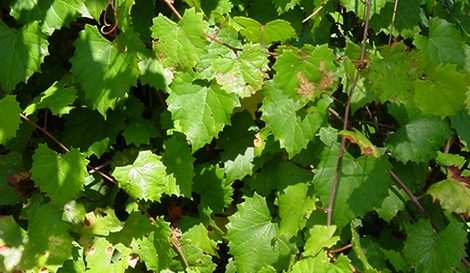
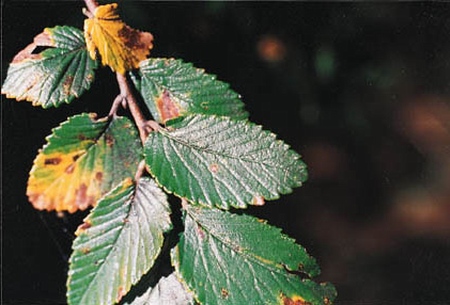
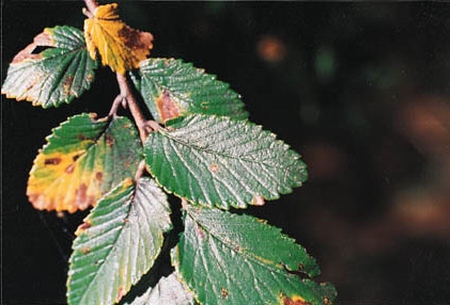
Many woody plants lose their leaves in winter. Then, these deep-rooted plants consistently grow new leaves each spring and summer. This makes plants such as elm, hackberry, poison ivy, green briar, and other small trees and shrubs important browse for deer. They serve as great emergency summer time forage if a lack of rainfall fails to produce warm season forbs.
Perennials, such as trees and shrubs, with established root systems have an advantage over short-lived forbs. Woody plants can access water deep within the soil. Annual plants need consistent rainfall at very specific times of the year. In addition, some browse species–such as important juniper species in the north and live oak in the south are evergreen. These browse species are available for deer during the winter as well as the summer.
Enhancing Browse for Deer
Habitat management that increases browse availability is not very expensive or time consuming. As such, the practice should be a component of every white-tailed deer management plan. Increasing available deer browse is a simple, straight-forward task. It only takes a little work to increase the best trees for deer on your property. In turn, those new browse plants produce additional foods and attract more deer.
Thinning small, 2-5 acre blocks in forested areas is one way to increase browse production and availability. Removing some of the older trees or hinge-cutting them allows sunlight to reach the ground. And blocked-shaped openings are the way to go here. Narrow strip-thinning will not permit enough sunlight for optimal browse growth. Sunlight is needed to allow browse seeds and tree seedlings to take off. This favors some of the best trees for deer and creates more forage for local whitetail.
Alternatively, dense woodlands with totally enclosed canopies offers little for deer in terms of browse, except along the edges. Instead, open up the canopy and allow increased sunlight to spur browse plants and forbs. This increases plant growth, food availability, and ups the number of deer the area can support.
Enhancing Deer Browse
Thinning for additional deer browse is just the start. Another way to further increase browse production is through the use of fertilizer. Adding fertilizer to recently thinned patches substantially increases the productivity of browse plants. Imagine a garden with fertilizer; it does much, much better! In addition, use fertilizer along wood line edges to boost established browse plants, too.
In fact, fertilize the edges of wood lines, along roadways, and even along utility easements. Not only will plants be much more healthy and produce bigger, darker leaves, but deer find fertilized leaves more palatable. It’s just like an unfertilized food plot versus a fertilized one. Deer prefer fertilized areas because they can literally taste the increased nutrition.
In closing, browse is an important food source for whitetail, especially during stress periods. Use these habitat management tips and techniques to increase native forage and browse production on your property. Managing plant communities to increase browse for deer is an important part of a deer management program. Healthy habitat means browse plants that produce year after year, and especially when the deer need them most!