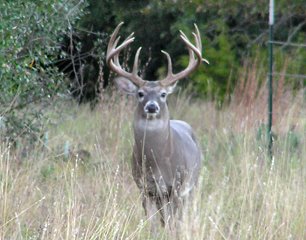
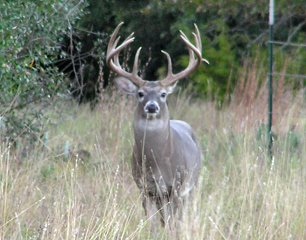
Considering the broad range of habitats occupied by white-tailed deer, it is no wonder managers become confused about the nutritional requirements of deer. In the course of my articles on buck management, I have repeatedly discussed the three factors that influence antler quality in bucks: age, genetics, and nutrition.
Of these factors, nutrition is probably the most easily to control for producing quality bucks with quality antlers. Whitetails are extremely adaptable and food preferences and requirements vary greatly between and even among regions. White-tailed deer are much different than other deer species (which tend to be generalist with regards to forage.) Whitetail are more specialized foragers that select specific foods to satisfy their nutritional requirements.
The idea that all “green stuff” in the woods is deer food is a common misconception. In fact, very few of the plants occurring over a deer’s range are suitable for deer! Grasses are good example, especially improved grasses such as coastal or bermudagrass. On a scale of 1 to 10, deer consider them a ZERO. Deer are dependent upon the more easily digested plants and these tend to be sparsely scattered over the landscape.
Note: Grasses are high in fiber and difficult for deer to digest. The exception to this rule are the cereal grains such as wheat, oats, rye, and ryegrass, which are palatable, highly nutritious, and great for cool season food plots.
When in comes to deer, weeds are where it’s at! In every portion of the whitetail’s range, deer prefer forbs over all other forage classes. Why? Forbs, weeds, or whatever you want to call them are highly nutritious and easily digestible by the white-tailed deer. They contain high levels of protein, phosphorus, and vitamins. But, one problem with beneficial forbs is that they are usally only available for short periods of time, usually during and after the “wet” portions of the year.
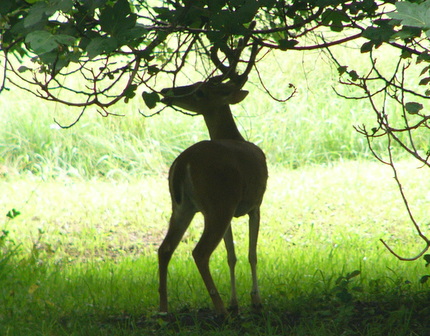
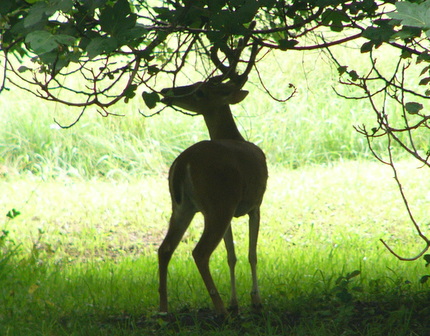
Browse is the bread and butter of the whitetail. They love forbs, but forbs are seasonal. Browse plants, on the other hand, are often lower in nutritional value but more dependable in their availability. The browse plants consumed by deer depends upon the growth habits of the plant, its digestibility, and the plant’s defense mechanisms.
Browse plants can vary in nutritional and protein levels depending upon the time of year, but they typically provide green matter to keep deer going through late summer and winter. Not only do browse plants provide large amounts of forage, they are provide good vitamins, minerals, and provide great “supplemental forage” when properly managed and maintained. Don’t clear that brush!