North American Deer Summit Annual Meeting

Annual Deer Summit Takes Place in Texas

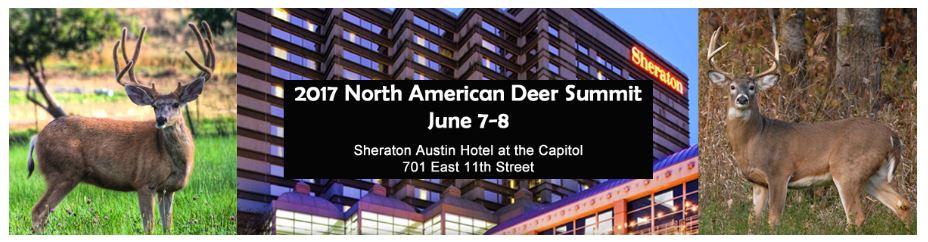
The National Deer Alliance’s (NDA) 2017 North American Deer Summit will take place June 7-8 in Austin, Texas. The two day event will include sessions that hit on deer management topics such as the state of white-tailed and mule deer in North America, chronic wasting disease (CWD) and the political and social science wildlife agencies face when managing deer.

The North American Deer Summit is open to representatives of conservation organizations, wildlife management agency personnel, hunting industry leaders, and the outdoors media. Space at the annual meeting is limited and the event is less than a month away.

North American Deer Summit Hosted by NDA

Scope of NDA Deer Summit Meeting

The NDA Summit is a thought leadership event that aims to unite deer conservation organizations, state and federal agencies, hunting industry leaders, and the outdoors media to work collaboratively on behalf of deer hunters and our hunting heritage. There will be a number of panel discussions focusing on the hot topics of deer management such as CWD and agencies working with deer hunters for common goals.

“We are excited to have many of our top deer experts in North America attending to discuss the most important issues impacting wild deer and hunting today, said NDA president and CEO, Nick Pinizzotto. We are confident that this will lead to positive outcomes for the country’s most iconic game animal.”

Hunting Industry Sponsors Deer Management Meeting

This is the third NDA Deer Summit in as many years. This is the first Summit hosted fully by NDA. Principle sponsors include: Bass Pro Shops, YETI, National Shooting Sports Foundation, Archery Trade Association, Alps OutdoorZ, Gray Loon Marketing, Mule Deer Foundation, Whitetails Unlimited, QDMA, and PhoneSkope. Event sponsors include: Wildlife Research Center, Wildlife Management Institute, Cabela’s and Sitka Gear.

YETI is offering a unique experience for summit attendees by sponsoring the opening night dinner festivities of “Beer & BBQ” at their flagship facility.

Deer Hunting and Management

NDA Working for Deer & Hunters

This is the first Summit hosted fully by the National Deer Alliance. The mission of the National Deer Alliance is to serve as the guardian for wild deer conservation and our hunting heritage. The deer herds, hunters and wildlife agencies of North America face many challenges at this time. Be in the know. The event is less than one month away, so get more information, check out the agenda and consider registering if interested in attending.

Conservation Option: Deer Management Program

TPWD’s Conservation Option

The Conservation Option and the Harvest Option are the two options being offered up through the Managed Lands Deer Permit (MLDP) Program for the 2017-18 deer hunting season by Texas Parks and Wildlife Department (TPWD). Texas property owners currently involved with the “old” MLDP Program are going to have to make a choice as to which route they want to go.

Those considering to get involved with TPWD, deer management activities on their land will also have to pick one to go with as TPWD has written that the MLDP Program will no longer exists in its current form. Say adios to Level 1, Level 2 and Level 3. They will all be discontinued.
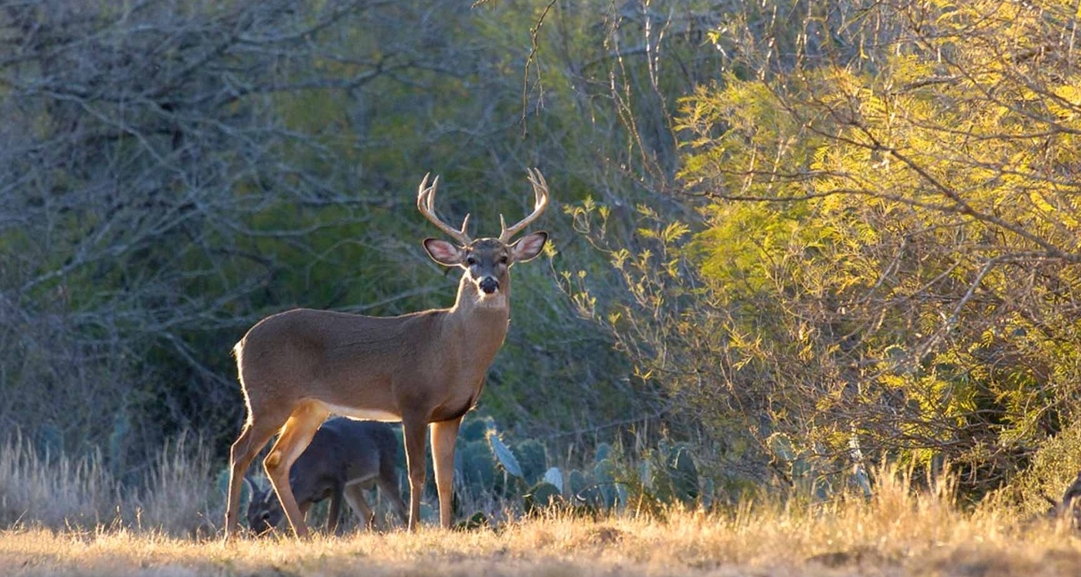
Conservation Option at TPWD

But for those afraid of change, feel comfort in knowing that the Conservation Option appears to be pretty much the same as MLDP Level 3. Participating property owners will still receive technical assistance and individualized deer harvest and habitat management recommendations for their property. The Harvest Option is similar in many ways, but no formal involvement/assistance is required from a TPWD biologist and is geared for properties already working up their own annual harvest recommendations.

Conservation Option for White-tailed & Mule Deer

The Conservation Option offers participating property owners the opportunity to work with a TPWD biologist to receive ranch-specific habitat and deer harvest recommendations and MLDP tag issuance based on property-specific deer population and habitat data.

This option does require certain types of deer data as well as completion of habitat management practices each year in order to enter and remain in the program. Under the Conservation Option participants will enjoy the maximum harvest flexibility of MLDP.

Conservation Option Participation Requirements

Entry in the option requires a TPWD-approved wildlife management plan for the property that includes:

  • Deer population data for the 2 preceding years,
  • Number of bucks and does harvested in each of the 2 preceding years,
  • Two Department-approved wildlife habitat management practices must have been conducted in each of the 2 preceding years.
  • Deadline to request participation in the Conservation Option is June 15.
  • Requests made after that date will not be considered in the Conservation Option for that hunting season, but may choose the Harvest Option for that year.

Once enrolled in the Conservation Option, persons wishing to continue participation over future hunting season must:

  • Acknowledge their intent to participate in the upcoming season through TWIMS,
  • Provide current year deer population/survey data,
  • Provide the number of buck and antlerless deer harvested,
  • Implement 3 TPWD-approved habitat management practices each year enrolled as specified in the wildlife management plan.
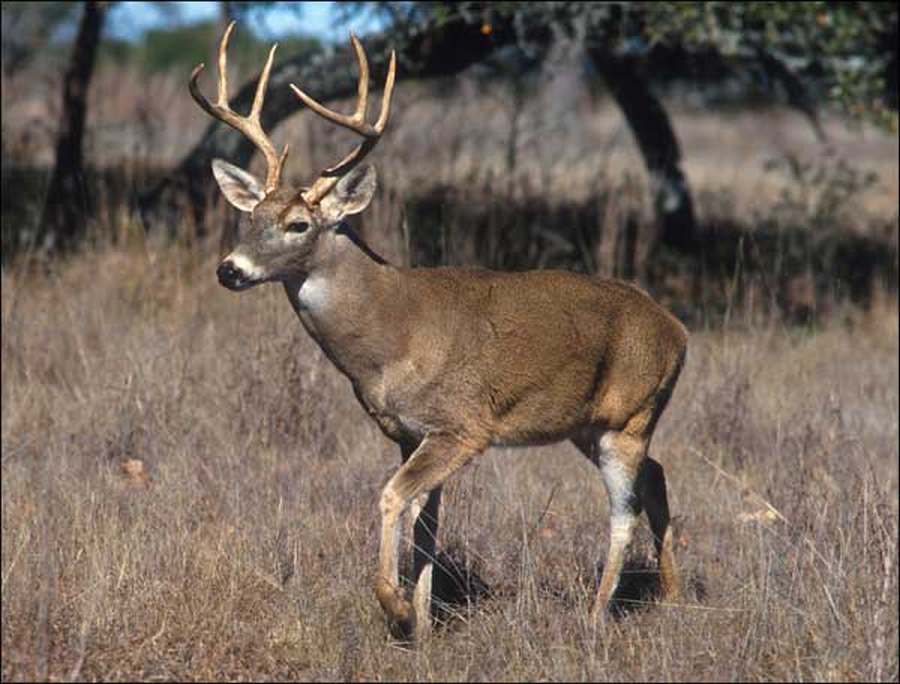
MLDP Options

Aggregate Acreage For Conservation Option

Multiple landowners may combine contiguous tracts of lands to create an aggregate, larger acreage for program enrollment. Only a single wildlife management plan addressing all tracts of land within the aggregate acreage is required. In addition, a single participant must be designated to receive MLDP tags and they may be used on any property within the aggregate acreage.

The aggregate acreage is required to complete 3 habitat management practices as directed in the wildlife management plan.
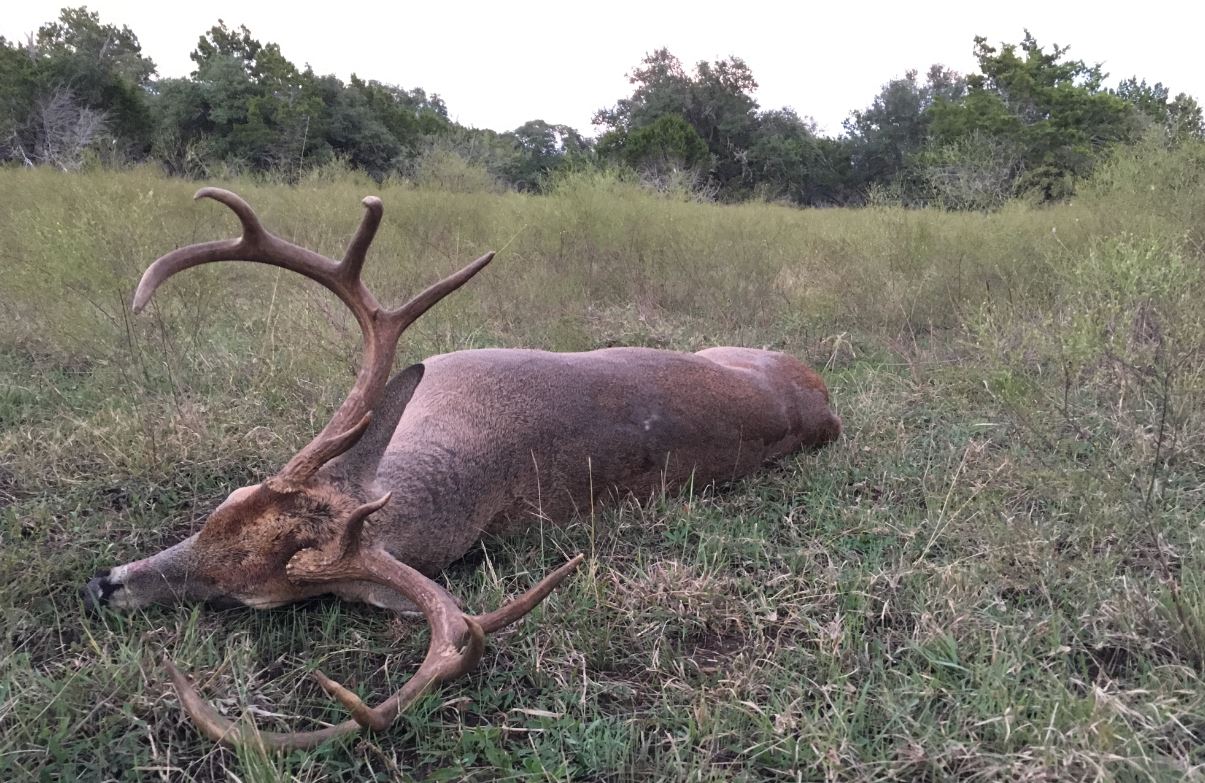
Wildlife Management Associations

Wildlife Management Associations (WMA) may enroll and participate in the Conservation Option. A single wildlife management plan addressing all tracts of lands within the association that receive MLDP tag issuance is required.

MLDP tags and harvest recommendations will be issued to individual tracts of land within the WMA and tags are valid only on the tract of land for which they are issued. The WMA is required to complete 3 habitat management practices as directed in the wildlife management plan.

Deer Hunting and Management on Small Property

Conservation Option Tags

As in the past, participating private landowners will be issued MLDP tags for both buck and antlerless deer. Wildlife Management Associations and Cooperatives enrolled in the Conservation Option may choose to receive MLDP tag issuance for:

  • Only antlerless deer or,
  • Buck and antlerless deer.

Under the Conservation Option, MLDP tag issuance will be customized for enrolled property and determined utilizing deer population data collected on the property. Deer survey methods used to collect and determine deer population estimates must consists of TPWD-approved methods applicable to the property and ecoregion, and identified in the wildlife management plan specific to that property.

Conservation Option Season Dates

White-tailed Deer

  • Antlerless and buck white-tailed deer may be harvested by any lawful means, including modern firearm, from the Saturday closest to September 30 through the last day of February.

Mule Deer

  • Antlerless and buck mule deer may be harvested by only lawful archery equipment from the Saturday closest to September 30 for 35 consecutive days.
  • Antlerless and buck mule deer may be harvested by any lawful means, including modern firearm, from the first Saturday in November through the last Sunday in January.
  • General Requirements of MLDP

Reporting Requirements

Participating property owners in either the Harvest or Conservation Option will be required to report the number of buck and antlerless deer harvested each season. In addition, participants in the Conservation Option will be required to report the habitat management practices conducted on the property each year.

All reporting of required information is to be completed electronically in TWIMS and is the responsibility of the landowner or landowner’s designated agent to insure data is reported by the deadline. Deadline for reporting required deer harvest and habitat management information is April 1.

Conservation Option Tags

The new options under the MLDP Program will both offer a “print your own tag” system. This will allow landowners/hunters to print their own tags as needed. Once a property-specific harvest recommendation is made, a PDF file of the permits will be emailed to participant.
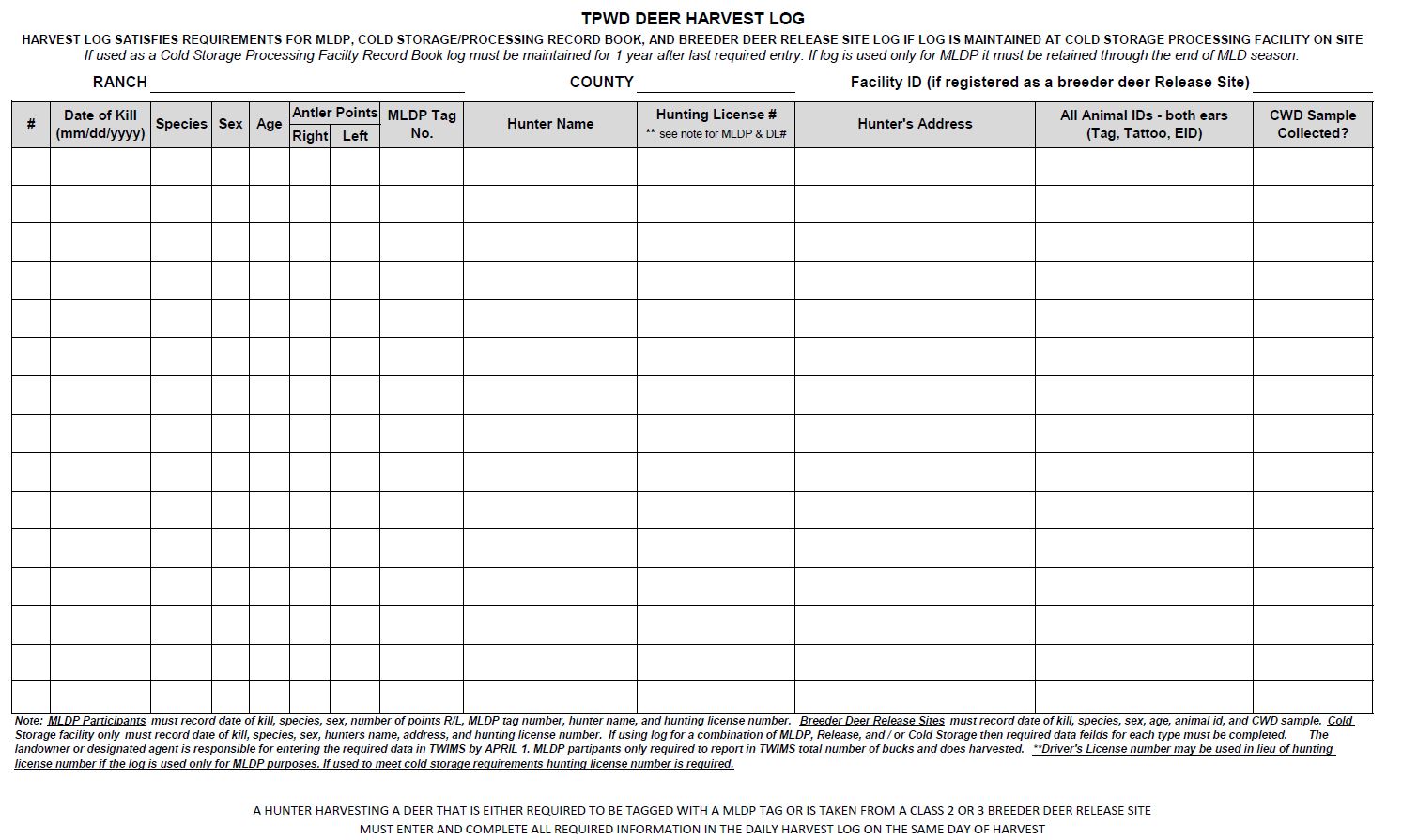
Conservation Option Deer Harvest Log

Harvest Logs

Program participants are required to maintain a TPWD-approved daily harvest log on the property enrolled in MLDP because of the new “print your own tag” system.
The harvest log must be maintained for the property through the end of MLDP hunting season.

A hunter harvesting and tagging a deer under the authority of MLDP must enter appropriate information, such as date of kill, species, sex, MLDP tag number, hunter name, and hunting or driver’s license number of hunter, into the harvest log on the same day of harvest.

Additionally, the harvest log may satisfy the cold storage and processing facility record book provided certain information is include in the log and is retained on the MLDP property for 1 year following date of the last harvest entry.

Summary of the Conservation Option

Again, the Conservation Option of the new MLDP Program will essentially be the old Level 3. It appears that there will be mandatory reporting online using TWIMS under the new system, but from my understanding most property owners involved in the MLDP Program are already doing this. The enrollment deadline for properties new to the program being moved up to July 15 from August 15.

For property owners currently participating in the MLDP Program, the Conservation Option will function very similar to what you are familiar with. TPWD has stated that, “As 2017 approaches a more detailed document explaining the application process in TWIMS and specific program rules will be available to program participants.” Will let you know when that happens.

Learn more about the Harvest Option in Texas.
Harvest Option: Deer Management Program

MLDP Options

Details of the Harvest Option and Conservation Option “arms” of the soon-to-be-changing Managed Lands Deer Permit (MLDP) Program were released by Texas Parks and Wildlife Department (TPWD).  The changes are said to be in effect in 2017, which should mean the 2017-18 white-tailed deer hunting season.

For those unfamiliar with the MLDP Program, the program is intended to help landowners interested in deer population and habitat management. Historically, the MLDP program offered incentives to landowners willing to implement deer habitat management practices on their lands in exchange for property-specific deer harvest recommendations and longer hunting seasons.

The new and improved MLDP program looks to contain two components, the Harvest Option and the Conservation Option. The Conservation Option appears to operate much like the MLD Permit program of the past, with the Harvest Option having fewer obligations on the part of the property owner.

TPWD Deer Management Program

Harvest Option for White-tailed Deer

The Harvest Option is a completely automated version of MLDP that provides landowners with a deer harvest recommendation, tag issuance, and general correspondence about wildlife and habitat management. Administration of the Harvest Option will be conducted through the Land Management Assistance (LMA) web site and does not require a wildlife management plan, habitat management practices, deer population data, or the participant to receive technical assistance from a TPWD wildlife biologist.

This provides enhanced harvest opportunities through longer seasons and bag limits with minimal involvement from TPWD. Although, individuals participating in the Harvest Option may still request to receive technical guidance from a TPWD biologist through our technical guidance program with MLDP deer harvest recommendations and tag issuance being automated and not customizable.

Requirements, Deadline for Harvest Option

An online application must be completed by applicant in LMA. Prior to completing enrollment, applicant will be able to preview tag issuance to decide whether to participate in the Harvest Option. Deadline to apply for the Harvest Option is September 1.

Deer Hunting in Texas
Image wildlifedepartment.com

Aggregate Acreage Enrollment

TPWD will allow multiple landowners to combine contiguous tracts of land to create an aggregate acreage for program enrollment. A single program participant must be designated to receive MLDP tags and they may be used on any property within the aggregate acreage during the MLDP deer hunting season.

Under the Harvest Option of the MLDP Program, property owners will have to make some choices with regard to tag issuance. Tags are only to be issued for white-tailed deer, but program participants may choose a harvest recommendation and tag issuance for:

  • Only buck deer
  • Only antlerless deer or
  • Buck and antlerless deer

Note: Any deer harvested on the property for which MLDP tags have not been issued must be tagged with an appropriate hunting license tag and recorded on the hunting license log, and county seasons and bag limits apply.

White-tailed Deer Hunting Opportunities in Texas are Increasing

How are Tags Issued?

Tag issuance for the Harvest Option will be determined through LMA and will take into account TPWD deer population estimates for a specific deer monitoring unit, information regarding the property such as acreage, types and amounts of habitat types, fencing, whether deer have been liberated onto the enrolled property, and other information deemed relevant by the Department.

TPWD biologists will not be able to adjust or customize an individual harvest recommendation for a property.

Harvest Option Season Dates

Antlerless Deer

  • Saturday closest to September 30 through the last day of February.
  • Harvest allowed by any lawful means, including modern firearm.

Buck Harvest

  • Saturday closest to September 30 for 35 consecutive days.
    • Any buck may be harvested with lawful archery equipment.
    • Any buck with at least one unbranched antler may be harvested by any lawful means, including modern firearm.
  • First Saturday in November through the last day of February.
    • Any buck may be harvested by any lawful means, including modern firearm.

Reporting Requirements

Participating property owners in either the Harvest or Conservation Option will be required to report the number of buck and antlerless deer harvested each season. Those in the Conservation Option will be required to report the habitat management practices conducted on the property each year, but this will not be a requirement for properties enrolled in the Harvest Option.

All reporting of required information is to be completed electronically in LMA and is the responsibility of the landowner or landowner’s designated agent to insure data is reported by the deadline. The deadline for reporting required information is April 1.

MLDP Deer Management Program

Harvest Option Tag Issuance

The new MLDP program will shake things up, so to speak, with regards to tag issuance. In the past, tags were received through the mail. The new “print your own tag” system will be utilized with the new options where a PDF file of the permits will be emailed to participants who will then print out MLDP tags for the current deer hunting season.

Harvest Logs

Program participants under both options are required to maintain a TPWD-approved daily harvest log on the property enrolled in MLDP because of the new “print your own tag” system. The harvest log must be maintained for the property through the end of MLDP hunting season.

A hunter harvesting and tagging a deer under the authority of MLDP must enter appropriate information, such as date of kill, species, sex, MLDP tag number, hunter name, hunting or driver’s license number of hunter, into the harvest log on the same day of harvest.

Additionally, the harvest log may satisfy the cold storage and processing facility record book provided certain information is included in the harvest log and is retained on the property for 1 year following date of the last harvest entry.

Learn about the other option, the Conservation Option deer management program in Texas.

Deer Management and Culling: What Would You Do?

Freak Buck?

Question: “Is a 3 1/2 year old freak a cull buck? We are trying to manage the doe density and take some cull bucks to better the buck herd, but one hunter on our property took a 3 1/2 year old freak that was not on the hit list as a cull buck. The hunter is claiming that he in fact was a cull.

I’m not in anyway arguing with the hunter about his decision, it’s just I thought we were trying to manage our doe population first and then the bucks second. I know in my heart that I would have taken a doe over taking this 3 1/2 year old freak that was healthy.”

Buck Harvest & Deer Management

Buck Harvest Considerations

Response: First, a “freak buck” could be one of many things. It could be deer worthy of culling if it’s on the low end of the spectrum for bucks in its age class or it could be a rarity that sits on the upper end of the bell curve, a buck of freakishly large proportions.

The latter would be a buck that you would definitely want to get some age on. This would allow the buck to pass on his genes and achieve maximum antler growth. Selective harvest of individual bucks will result in little to no real change in the quality of the future deer population unless part of an overall deer management program.
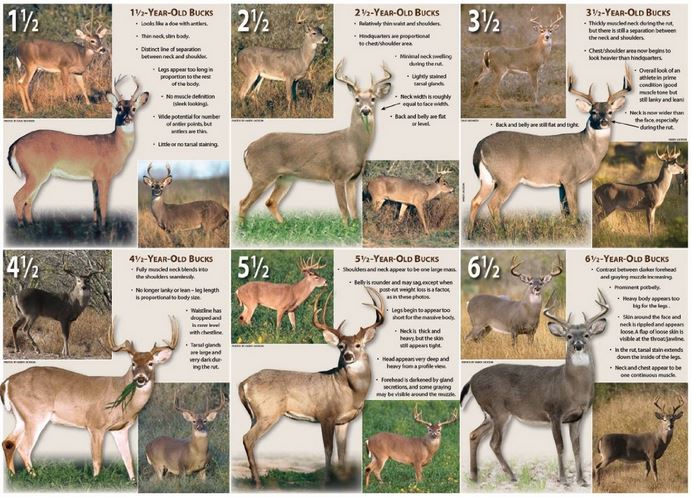
Aging Whitetail Bucks for Selective HarvestA buck that’s only 3 1/2 years old is not nearly topped-out, but the antlers sitting atop his head tell a lot about his future. First, let me just say that culling is subjective and depends much on the deer herd found in an area. It also depends on the amount of acreage on which selective buck harvest can occur; larger acreages are more likely to see results if all aspects of habitat and nutrition are addressed.
Even then, much of those results will be from maintaining a proper deer carrying capacity, allowing the deer on the property to have optimal nutrition. In the question above, this sounds like this is the case. However, there are some general guidelines that I can offer for selective deer removal that may help in this situation with the management of your deer herd.

Buck Harvest: Does Culling Work?

Any whitetail buck that is 3 1/2 years of age or older with 8 or fewer antler points should be considered for harvest. This is the type of buck often deemed a “management buck.” Any buck that is 2 1/2 years of age or older and lacks brow tines (G1s) should also be considered for culling.

Most hunters and landowners interested in deer management would not want to promote these types of antler characteristics into older age classes within a deer herd. These recommendations are just a place to when it comes to selective buck harvest. If you do not have a lot of bucks in an area then your primarily objective will likely to be to get bucks into older age classes for harvest, not micro-managing the buck segment of the deer herd.

Likewise, if you have way more deer in an area, more than the habitat can support, then your primary objective should be to reduce the deer population. Shooting freak bucks, cull bucks or those deemed management bucks will make almost zero difference until the entire population can be addressed. I think this was the main concern in the initial question; Don’t worry about nitpicking bucks until the deer population is where it needs to be.

Deer Management Improves Wildlife Habitat

Planned Management of Deer

The most important aspect of any management program for deer is determining the short-term objectives that must be implemented in order to achieve the long-term goals, whether it be improving the buck to doe ratio, selectively removing bucks or simply decreasing the deer population. In this case, it sounds like the objectives were either not well understood or totally disregarded by the hunter.

Even with a management plan is place that includes short-term objectives to reach long-term goals, each and every hunter on a property needs to be aware that such a plan is guiding the decisions made on a property. There is no doubt that mistakes will be made, but we can’t hold people, including hunters, at fault for crossing lines that they didn’t know existed.

The best way to minimize mistakes among hunters is to collect game camera photos prior to the season, sit down with those involved in the management program and clearly identify which bucks are on the “hit list” and which ones are not. Again, if you are really trying to improve the deer found in an area, selective buck harvest should only even be considered after addressing the deer population, habitat and nutritional limitations.

READ: What is a Cull Buck?

Deer Hunting and Management is Conservation for All

Benefit of Hunting for Conservation

The benefits of managing habitat for white-tailed deer have been well documented. Decades of anecdotal accounts by land managers substantiate the widespread benefit of deer management, and published research by academics serve as documented proof. Managing deer is good. Taking a hands-off approach is bad for deer, native plants and other wildlife.

I believe the best way to grow bigger and healthier deer is give them exactly what they want: high-quality natural foods. To paraphrase, if you build it they will come.  If you make whitetail habitat better they will be healthier, at the very least. The truth is that nothing is as good as the food found in prime habitat under good environmental conditions, neither pelleted protein feed nor food plots even come close.

Benefits of Deer Hunting

Albeit, supplemental forages can have their place in a well-rounded management program, since they help maintain a constant nutritional plane for a deer herd during tough times. Even good habitat can find itself in poor condition during drought conditions, which is especially true here in Texas.

However, when you as a hunter or landowner are doing it right there should not be many tough times. Lands managed for deer typically anticipate the worst by keeping the right number of deer.

Working for Deer, Wildlife

It takes hard work to manage deer and the habitat that they need on private lands, so why do we do it? Mostly because we simply love doing it. We enjoy taking care of the natural resources that we love. We like watching wildlife and white-tailed deer. We want to give something back to the sport that we love, deer hunting. We want to give something back to the animal we love, white-tailed deer.

We also realize that deer must be controlled. Wildlife conservation is different that wildlife preservation. Whitetail populations have the ability to increase rapidly. Habitat deteriorates when that happens and we know that negatively affects local deer herds, but also native plant communities and all the other animals that live there. The fallout of having too many deer has numerous, negative impacts, from soil erosion to native plant regeneration to commercial ag production.

Habitat Management for Deer and Other WIldlife

It boils down to conservation, taking care of what we as people have. It also comes from an understanding that deer are a renewable natural resource. Management is the price we are willing to pay for the tangible and intangible things that we get from stepping into the woods each and every time we go hunting.

Some people will never understand that. And I’m okay with that, because I don’t understand all of them either.

Deer Hunting is Necessary

Every plant and animal has a place in the wildlife world. It’s paramount to realize that although we have allegedly “progressed” as a society, the important things in life will always remain the same: family, friends, good times and proper stewardship of the bountiful natural resources that we’ve been given.

It will not make a hill of beans how fast our phones download data or how many movies we can stream if the environment becomes unsuitable for life. Humans are smart as whole, but as a group we don’t always make wise decisions.

Deer Hunting is Necessary

Habitat-based white-tailed deer management has fueled better deer hunting across the US, without a doubt. But all of the combined management effort has not just benefited deer and the people that hunt them; deer population and habitat management has helped most all other plants and animals that call those places home, too. Deer hunting and management has help fund, directly and indirectly, many forms of habitat management. That benefits everyone.

Leopold and Deer Management

Aldo Leopold: “… I have lived to see state after state extirpate its wolves. I have watched the face of many a newly wolfless mountain, and seen the south-facing slopes wrinkle with a maze of new deer trails. I have seen every edible bush and seedling browsed, first to anaemic desuetude, and then to death. I have seen every edible tree defoliated to the height of a saddlehorn.

Such a mountain looks as if someone had given God a new pruning shears, and forbidden Him all other exercise. In the end the starved bones of the hoped-for deer herd, dead of its own too-much, bleach with the bones of the dead sage, or molder under the high-lined junipers.

Aldo Leopold on Deer Conservation

I now suspect that just as a deer herd lives in mortal fear of its wolves, so does a mountain live in mortal fear of its deer. And perhaps with better cause, for while a buck pulled down by wolves can be replaced in two or three years, a range pulled down by too many deer may fail of replacement in as many decades. So also with cows.

The cowman who cleans his range of wolves does not realize that he is taking over the wolf’s job of trimming the herd to fit the range. He has not learned to think like a mountain. Hence we have dustbowls, and rivers washing the future into the sea.”