How Many Deer Should My Property Hold?

How Many Deer Should My Property Hold?

One of the most important—and most misunderstood—questions in white-tailed deer management is how many deer a property should hold. The answer is not a fixed number. In addition, it has little to do with the total acreage of the property. Instead, the ideal deer population is determined by the land’s ability to provide adequate food, cover, and space throughout the entire year. This includes the time of year when resources are most limited, during late winter.

When deer numbers exceed what the habitat can support, body condition declines, habitat quality suffers, and long-term herd health is reduced. Proper management focuses on balancing deer numbers with habitat capacity. This balance ensures healthy animals, sustainable plants, and consistent deer hunting opportunities through healthy fawn survival.

Density: How many deer should my property hold?

Carrying Capacity: How Many Deer?

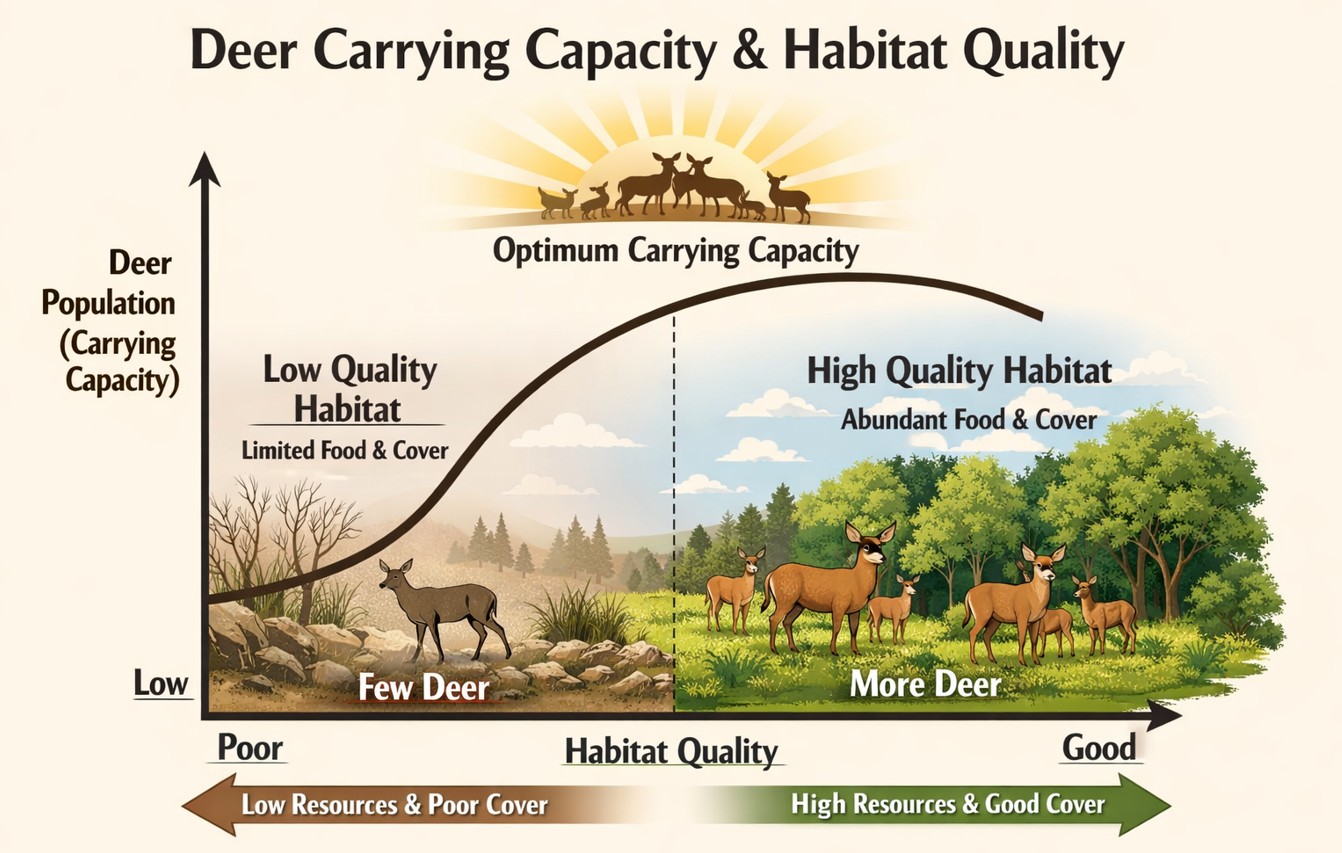
Carrying capacity is a foundational concept in deer management and refers to the number of deer a property can support without degrading habitat or herd health over time. It is not determined simply by acreage, but by the quantity and quality of available food, cover, and water—particularly during the most limiting period of the year, which is typically late winter.

When deer numbers exceed carrying capacity, the effects show up quickly in the form of overbrowsed woody plants. This results in declining body weights, reduced fawn survival, and poorer antler development. Effective deer management aims to keep populations at or below the land’s carrying capacity through habitat improvement and appropriate harvest. Proper deer numbers ensures both the habitat and the deer herd remain healthy and productive long term.

Habitat Quality & Deer Carrying Capacity

White-tailed deer carrying capacity and habitat quality are directly linked. So much so, that understanding that relationship between the two is essential when trying to answer the question of how many deer should my property hold. As stated prior, carrying capacity is not a fixed number. Carrying capacity rises or falls based on the land’s ability to provide high-quality food, adequate cover, and minimal stress throughout the year.

Conducting surveys is essential for keeping deer numbers in balance with the habitat. Annual deer survey estimates provide objective information about population trends, herd structure, and habitat pressure. There are a several standardized deer survey methods that can be used to track deer populations from year to year.

Without survey data, management decisions and harvest are often based on assumptions. A lack of information generally leads to overharvest or overpopulation. Surveys help managers detect changes in deer numbers early, evaluate whether habitat improvements or harvest strategies are working, and adjust management before habitat quality or herd health declines.

Habitat Quality Determines How Many Deer

Properties with diverse native forage, early successional habitat, secure bedding cover, and access to seasonal food sources can support more deer without negative impacts. Conversely, land dominated by mature timber, overgrazed understories, or limited winter cover may have a much lower carrying capacity, even if the acreage appears large.

How Many Deer Should My Property Hold?

When deer numbers exceed what the habitat can support, habitat quality begins to decline, creating a negative feedback loop. Overbrowsing reduces plant diversity and prevents regeneration of preferred forage species, which further lowers the land’s carrying capacity over time. As habitat quality drops, deer body condition, fawn recruitment, and overall herd health also decline.

Effective deer management recognizes that improving habitat can increase carrying capacity, but only if deer numbers are managed accordingly. The goal is balance—maintaining a deer population that the habitat can sustain long term while preserving the quality of the land itself.

The Best White-tailed Deer Habitat

Ideal white-tailed deer habitat is built around plant diversity and structure rather than any single “perfect” species mix. The most productive properties are dominated by early successional vegetation—such as native forbs, shrubs, and young regenerating trees—which should make up roughly half or more of the landscape.

These plants provide the bulk of a deer’s year-round nutrition, including high-protein forage during spring and summer, while also offering critical bedding and fawning cover. Woody browse like blackberry, dogwood, sumac, and greenbrier, along with regenerating hardwood sprouts, are especially valuable because they are both nutritious and resilient to browsing pressure.

Mature forest and mast-producing trees remain an important component of quality deer habitat, typically making up about a quarter of the plant composition. Oaks and other hard-mast species supply energy-rich food during fall and early winter, while conifers and closed-canopy areas contribute thermal protection and secure travel corridors. Open areas, soft mast species, and food plots play a supporting role by providing concentrated seasonal nutrition and diversity, but they should not dominate the landscape.

Ultimately, the goal is a layered, regenerating plant community with abundant native species and continuous growth across seasons. Habitat that is structurally diverse, slightly “messy,” and always renewing itself will support healthier deer and higher carrying capacity over the long term.

So, How Many Deer Should My Property Hold?

As you can see, there is no easily defined answer to the age old question of, “How many deer should my property hold?” The answer is directly tied to habitat composition and overall habitat quality rather than acreage alone. Landscapes dominated by diverse native plants, abundant early successional cover, and year-round food sources can support more deer without sacrificing body condition or long-term sustainability, while poor or overbrowsed habitats quickly limit healthy deer numbers.

When habitat quality declines, deer health follows—resulting in lower body weights, reduced fawn survival, and increased stress during winter. The best way to evaluate the plants that deer use on a property is to conduct a browse survey each year. The results can determine whether a property has too few, just right, or too many deer.

The encouraging reality is that habitat management can improve both habitat and herd health by increasing carrying capacity, but only when deer numbers are balanced with what the land can support. Healthy deer numbers are ultimately a reflection of healthy habitat.

MLDP Costs: New Fees for Deer Management Program

MLDP Fees Passed

The proposed fees for the Managed Lands Deer Program (MLDP) are now a reality. The Texas Parks and Wildlife Commission has approved changes to the MLD Program. The program provides Texas landowners with additional flexibility to manage mule deer and white-tailed deer populations. With the changes, MLDP fees will now be charged to participants each year.

MLDP is intended to provide greater deer hunting opportunities and improve native wildlife habitats on Texas private lands. TPWD biologists provide guidance to landowners enrolled in the program. The approved program changes include clarifying existing provisions and establishing MLDP fees for participation in the ever-growing deer management program.

When do MLDP Fees go into Effect?

Costs of MLD Program Success

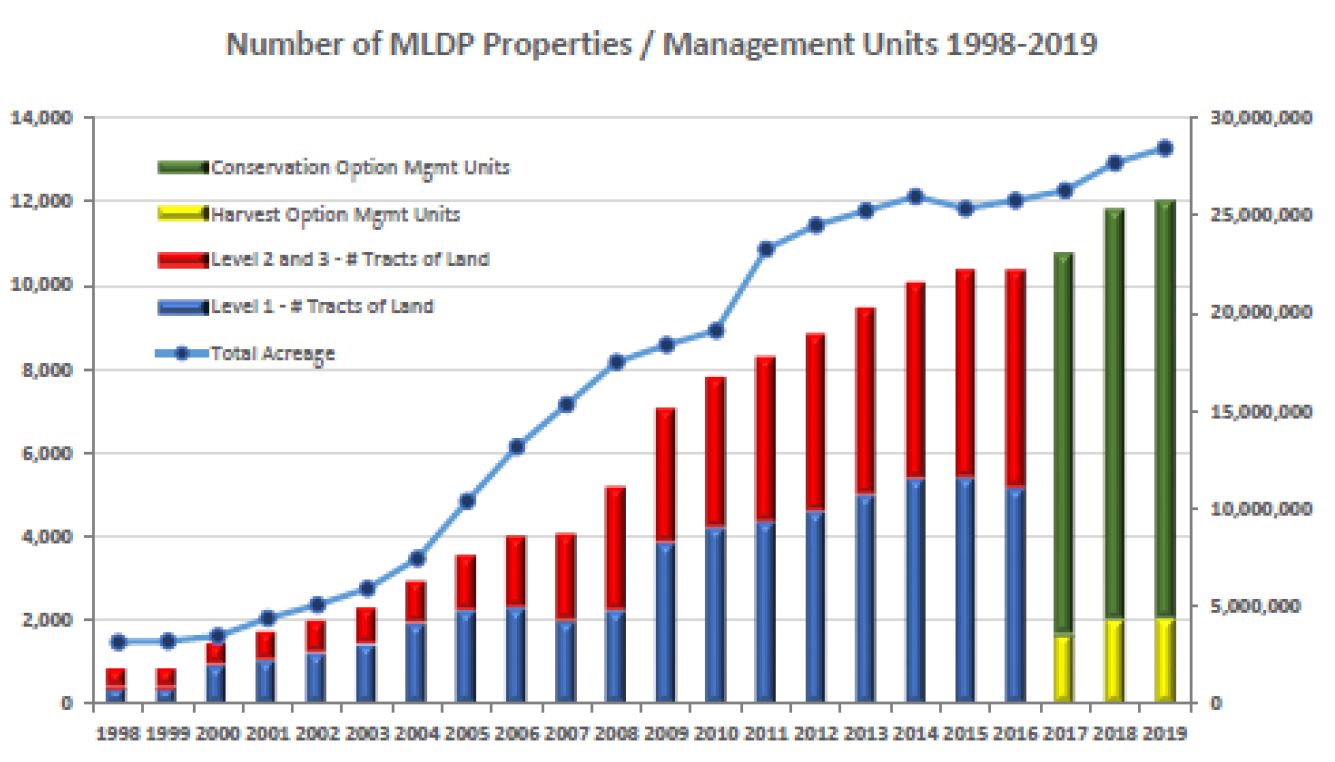
“In the last 20 years the MLDP has grown from 800 tracts of land on 3 million acres to more than 12,000 tracts of land on 28 million acres, but in that time we have not had a source of funding to hire any new staff to help address the challenges we face with that growth,” said Alan Cain, TPWD white-tailed deer program leader.

“The revenue generated by the new MLDP fees will be used to hire new field biologists to meaningfully engage with program participants, meet technical guidance requests, and administer the MLD Program.”

White-tailed Deer Hunting Opportunities in Texas are Increasing

MLDP Fees for Participants

The fee amendment establishes a $30 fee for each management unit within a property that is enrolled in the Harvest Option (HO), provided the property is not part of an aggregate acreage enrolled in the MLDP; a $30 fee for each aggregate acreage enrolled in the HO; a $300 fee for the first management unit of each property enrolled in the Conservation Option (CO) plus a $30 fee for each additional management unit of a property enrolled in the CO; a $300 fee for each aggregate acreage enrolled in the CO; and a $30 fee for each management unit of a wildlife management association or cooperative enrolled in the CO.

MLDP Costs for Maintaining Program, Adding Staff

Cost of Fees Determined?

The MLDP fees amounts were selected by TPWD after soliciting and receiving input from department staff, stakeholder groups, including current program participants, and advisory committees.

Considerations for fee amounts included what would be a reasonable fee for participation in the MLDP considering the benefits received, the demands on department staff in administering the various options available to landowners under the MLDP, and which would not result in significant attrition from the MLDP by landowners.

TPWD will begin collecting MLDP participation fees in the spring of 2021 in preparation for the 2021-22 hunting season.

MLDP Fees: Costs for Deer Management Program?

MLDP Fees: The Cost of Success

One of the great tools for white-tailed deer management in Texas has been the Managed Lands Deer Program (MLDP) administered by Texas Parks and Wildlife Department (TPWD). The program has historically been offered at no cost to participating properties, but TPWD will soon start charging MLDP fees for program participation.

The program allows landowners and deer managers to participate in two different options, both of which provide flexibility outside of the normal whitetail hunting regulations established for a county. According to TPWD, the number of participating properties has grown exponentially over the years. Funds raised through MLDP program fees would be used to add staff positions throughout the state.

MLDP Participation has Grown Annually

Popular Deer Program Results in Fees

TPWD: “The MLDP is an extremely popular program that provides landowners and land managers with additional flexibility to manage deer populations, improve habitats, and provide greater hunting opportunities,” said Alan Cain, TPWD white-tailed deer program leader.

“Increased participation in the MLDP has made it challenging for wildlife staff to administer the program and provide technical guidance to participants. In response, the Texas Legislature earlier this year enacted Senate Bill 733, which authorizes the Texas Parks and Wildlife Commission to establish MLDP fees for participation.”

Below is the email that MLDP participants received on December 11, 2019 regarding proposed program fees.

MLD Program Costs

MLDP Fee Details Emailed to Participants

TPWD is seeking your feedback on proposed MLDP regulation changes that would establish a fee for participation and clarify existing program provisions. The proposed fee amendment is as follows:

Harvest Option

  • $30 fee for each management unit within a property that is enrolled in the Harvest Option (HO), provided the property is not part of an aggregate acreage enrolled in the MLDP;
  • $30 fee for each aggregate acreage enrolled in the HO;

Conservation Option

  • $300 fee for the first management unit of each property enrolled in the Conservation Option (CO) plus a $30 fee for each additional management unit of a property enrolled in the CO;
  • $300 fee for each aggregate acreage enrolled in the CO;
  • $30 fee for each management unit of a wildlife management association or cooperative enrolled the CO.

MLD Program Fees

Provide Feedback on MLDP Fees

The amount of MLDP fees were selected by the department after soliciting and receiving input from department staff, stakeholder groups, and advisory committees regarding what would be a reasonable fee for participation in the MLDP considering the benefits received, the demands on department staff in administering the various options available to landowners under the MLDP, and which would not result in significant attrition from the MLDP by landowners.

The proposed regulation changes are available for review in the Dec. 6 edition of the Texas Register. The public comment period is open through January 23, 2020, when the TPW Commission will meet to vote on adopting these changes.

Comments on the proposed MLDP fees can be submitted via TPWD’s public comment page on their website or in person during the TPWD Commission meeting January 23, 2020 at TPWD’s Austin Headquarters, located at 4200 Smith School Road, Austin, TX 78744. Comments on the proposed changes may also be submitted to Alan Cain by phone at (830) 480-4038 or email alan.cain@tpwd.texas.gov.

Managing Small Acreage for Deer

Going Big on Small Acreage

Question: “I just purchased a 100 acre tract of land in Menard County, Texas. I put out a single corn feeder that is feeding twice a day and after two weeks I’m seeing about 12 deer (4 doe and 8 bucks). The majority of the bucks are young probably, 1 1/2 – 2 1/2 with one being maybe 3 1/2. This property was hunted for 15 years by 4 lease members with no management practice in place.

My goal is to harvest mature deer, both bucks and does. My question is, do I need to harvest a few of the young bucks now to get the sex ratio closer to 1:1 or not take any for a few years and monitor their growth and ratio. Neighboring properties are also management minded and range in size from 200-1200 acres. Thank you, Ron.”
Managing Small Properties for White-tailed Deer

Small Acreage Management

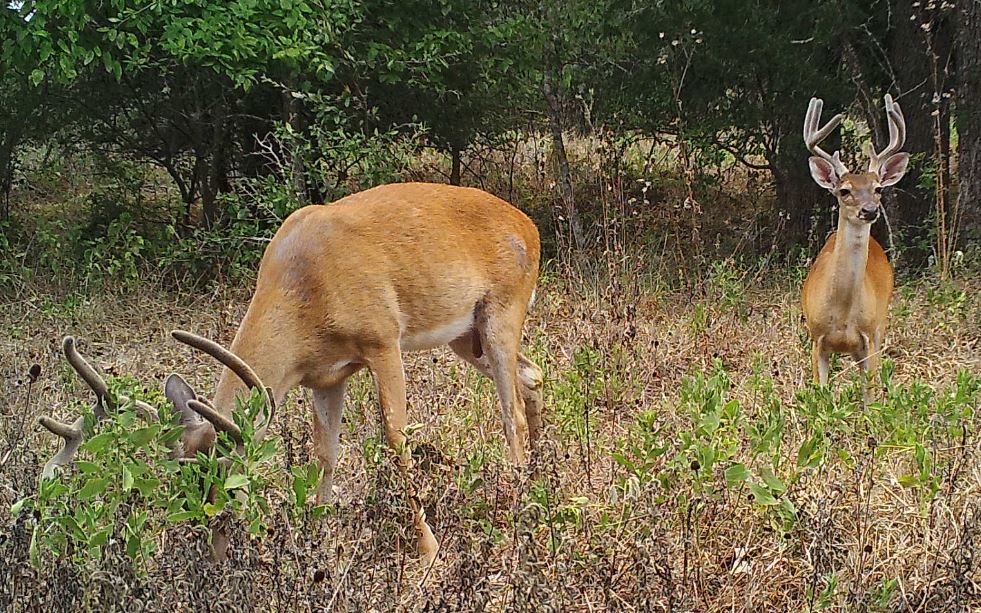
Response: This is a great question because it points out the fact that a number of variables are in play when managing whitetail, especially when managing small acreage for deer. Most properties where deer are managed and hunted would be considered small acreage ( less than several hundred acres in size).

When trying to manage a deer herd some variables can be controlled and some simply can’t. It’s important to identify what you can and can not control prior to implementing management practices on a piece of land. Otherwise, it leads to wasted time and disappointment. Let’s break this question down into a few sections.

New Hunting Property, New Management

The property was “hunted” by four hunters for over a decade. It’s difficult to measure what this statement means because no one knows the mentality of the hunters involved. Were at least some of them managed minded or did they live by “if it’s brown it’s down?”

A new property owner can only guess about what happened in the past. In reality though, it really does not matter. The past is the past, the purchase has been made and you can only change things moving forward. You’ve got to start with what you’ve got.

New ground means a hunter and manager has a lot to learn. Start by taking inventory of what is on the property in terms of both plants and animals. Take a look at both topography and soils since these features dictate how deer move across a property. They will also help a manager identify habitat management potential or limitations.

It’s impossible to make management decisions without knowing what you have to work with. Putting out some game cameras is a good place to start, but don’t stop there.
Game Cameras for Deer Management

Evaluating Camera Photos

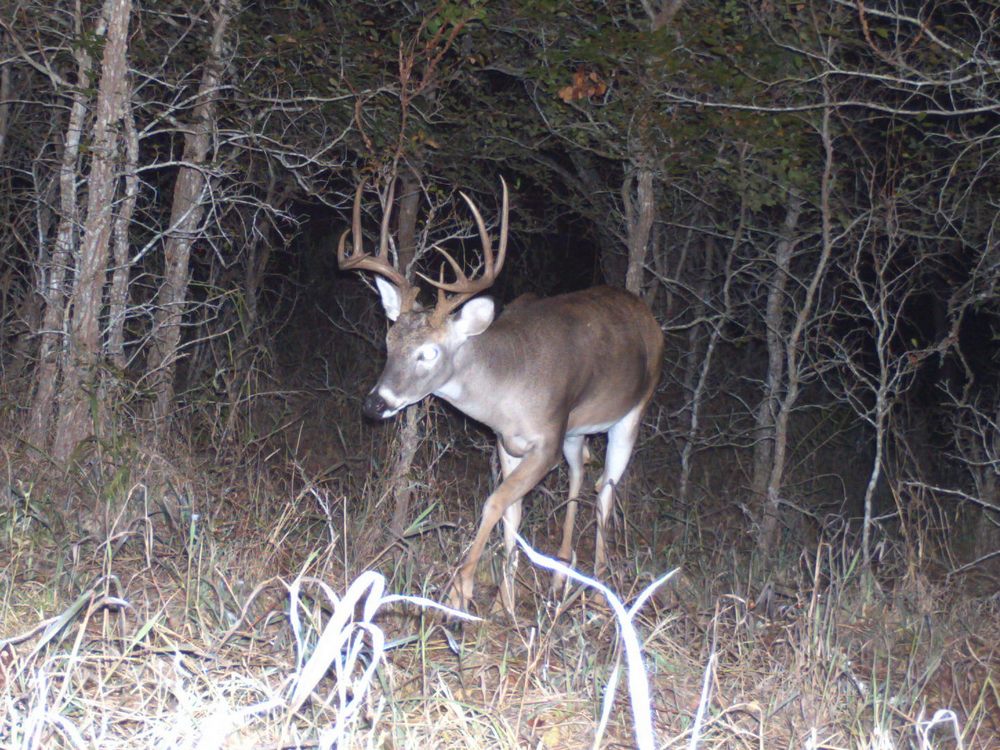
Game cameras are awesome for monitoring the deer in an area and can contribute greatly to managing small acreage for white-tailed deer. However, exercise caution when interpreting camera photos. When and where a camera is used has an impact on the results.

A camera placed on a feed station often results in buck photos outnumbering doe and fawn photos. This is especially true when food resources are most limited. Hunters are often “covered up in bucks” in late summer but many of them evaporate as the hunting season approaches.

Smaller animals, which includes does, fawns and even young bucks, are not often represented in feeder-placed “camera surveys.” The reason is because feed stations are often dominated by larger, more aggressive bucks. This is most likely the case in the situation/question submitted.

It’s just about impossible for the sex ratio of a deer herd to be skewed towards bucks without purposeful management trying to make that happen. Whitetail bucks have a higher natural mortality rate AND hunters prefer to shoot bucks over does. The odds favor the survival of female deer.

The reality is that bucks are simply over-represented in photos when cameras are placed on feed during the heat of summer and early fall. Some of those “summer bucks” will disperse from a property or use a particular area less come fall, but they are not gone; food is less important to them as the breeding season gets underway.

A better way to gauge the composition of a deer herd is to deploy cameras along pinch-points and travel corridors, but not those that are in close proximity or leading directly to and from feed stations or the same bias will exists. Cameras on the edges of agricultural crops and food plots provide good data because the food is not easily monopolized. A good, annual estimate of the whitetail using a property is a big part of managing small acreage for deer. I would recommend using least 1 camera for every 50-75 acres with a several minute delay between photos.
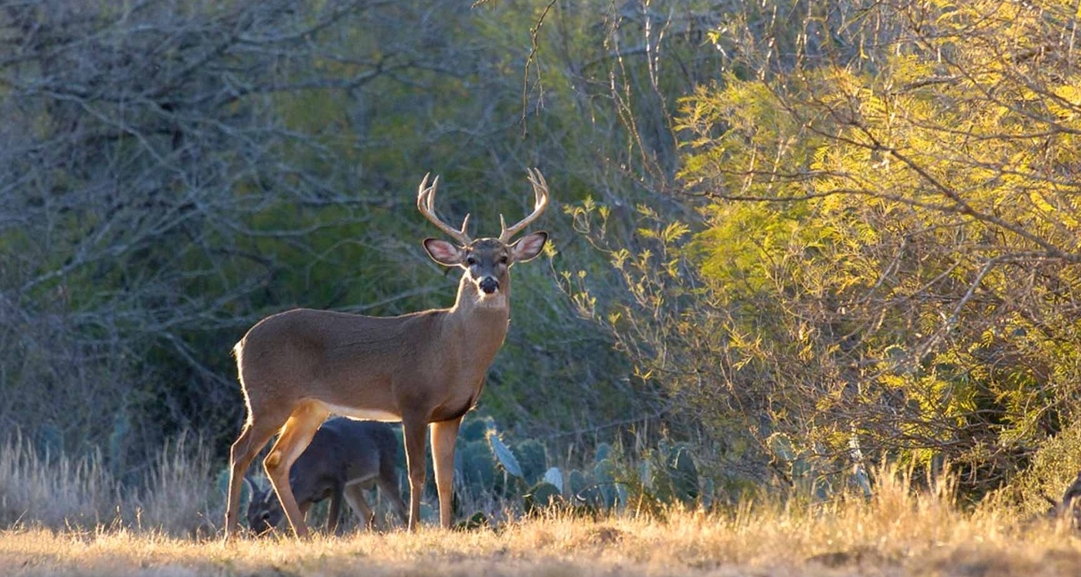
Small Acreage Management for Deer

Buck Age Structure

Cameras are very good at capturing the whitetail bucks using a property. As mentioned prior, putting cameras on feed stations will obviously provide a  manager with information on bucks. Will cameras capture every buck?

No, but camera research suggests that cameras place on food sources during late summer at a lower density (1 camera/75-100 acres) than mentioned above will record over 95 percent of the bucks using a property in just two weeks. Cameras can be left out longer, but the law of diminishing returns kicks in as the same bucks keep returning for photo sessions.

Not only are game cameras good at identifying unique bucks, but cameras document the age structure of bucks using a property. If older bucks are not showing up on camera then mature bucks are rare in the area. If all of the photos are of young bucks, then it’s recommended that no more than 10-15 percent of the available bucks be harvested in a season, regardless of buck to doe ratio, if the goal is produce mature bucks.

Once the age structure is more “balanced” throughout buck part of the herd then annual buck harvest can approach 20-25 percent of available bucks each season (depending on specific objectives of the manager). A balanced buck herd would consist of approximately equal numbers of bucks at all age classes.

Consider the animals harvested on neighboring lands as well since managing small acreage for deer means other properties in the area are a factor. Deer shot on those properties are coming out of the same herd, if those properties are hunted. It’s a tremendous help when neighbors can form cooperatives or associations and work together on deer management goals. Otherwise, someone managing a piece land can only control what they do on their land, which is still a lot.
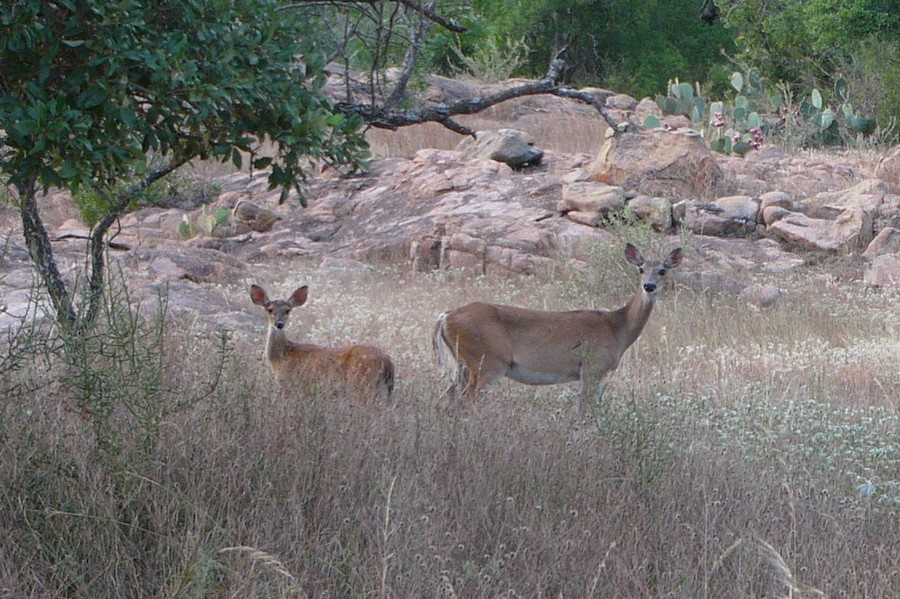
Deer Hunting Small Acreage

Deer Sex Ratio

Managing deer is a numbers game. Those that aim to manage whitetail must estimate several key metrics, with density and sex ratio being the most important ones. So, what’s best for sex ratio when managing small acreage for white-tailed deer?

The ideal ratio will be somewhere around 1 buck per 2 does, plus or minus. A 1:2 buck to doe ratio is a good place to start. This number can be adjusted as a management program progresses, but too few does, such as 1:1,  can result in inadequate fawn production and ultimately a shortage of deer for harvest in later years.

A sex ratio skewed towards does, such as 1:5,  will lead to a decline in antler quality. Bucks expend a ton of energy during the breeding season. If they expend too much of it by attempting to breed numerous does then 1) bucks may not ultimately survive due to a lengthened breeding season (related to skewed ratio), and/or 2) post-rut bucks will not recover physically and antler quality will suffer.

There are some other negatives when the sex ratio of a deer herd is skewed heavily towards does. The take-home here is to initially aim for a 1 buck:2 doe ratio when managing small acreage for deer, then adapt as needed. Buck to doe ratio can be estimated using randomly-placed cameras or by recording the deer observed from stands prior-to and during the hunting season.
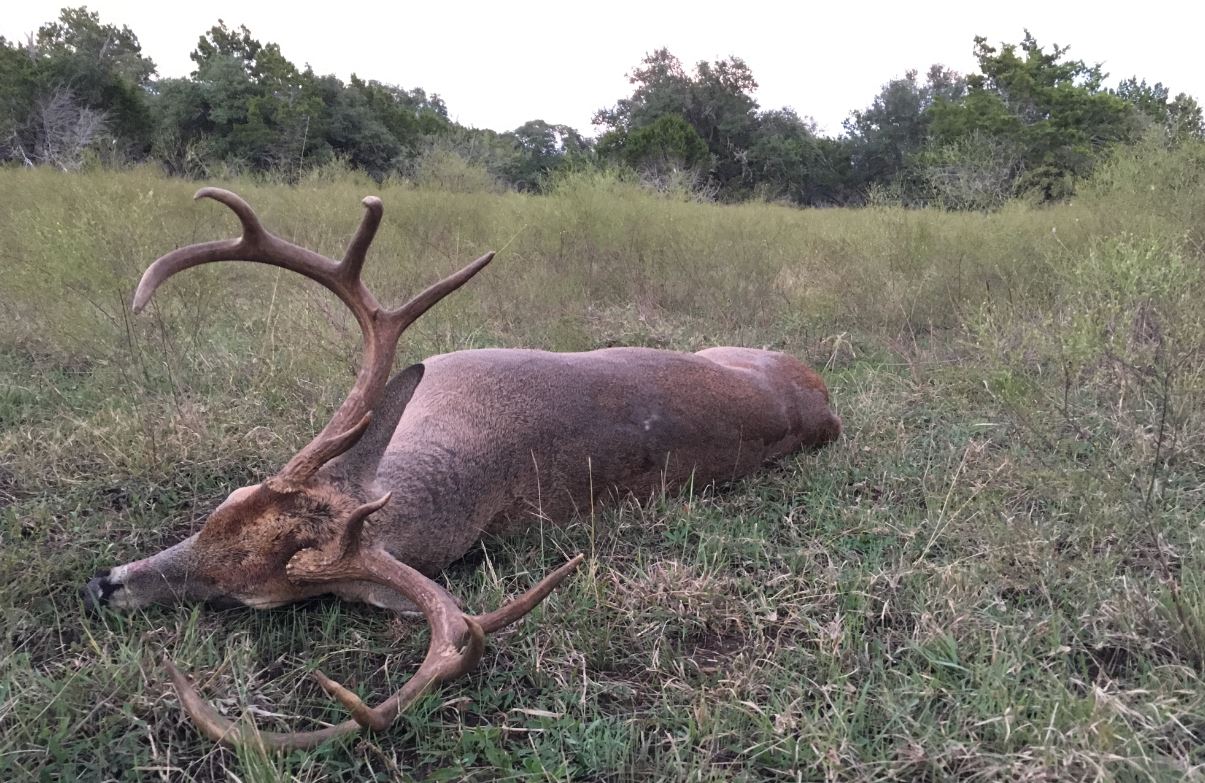
Deer Hunting and Management on Small Property

Harvest Strategies for Managing Small Acreage

Managing white-tailed deer on small acreage is challenging, but managing deer on large acreage is not easy either. Managing at scale can make proper deer harvest very difficult. Additionally, meaningful habitat work is expensive and time consuming when large acreage is involved.

The management that takes place on small acreage can be more focused, more precise. Habitat ultimately affects how (or if) deer use a property. The habitat found on a small property can be greatly improved for white-tailed deer with little more than time and hand tools. Much of this article has focused on population-side strategies for managing deer, but habitat is the other half of the equation.

In fact, habitat enhancement is even more important on small acreage as deer instantly respond to high quality habitat within their home range. If you build it they will come! The habitat management practices in this article will help make a difference on any property.

It’s important a deer manager determine early in the game what can and cannot be controlled.  Neighbors play a role for anyone attempting to manage small acreage for deer. This may include the over-harvest or under-harvest of deer. It helps when adjacent properties are on the same page. Fortunately, the number of property owners and hunters interested in white-tailed deer management is at an all-time high. Talk to your neighbors and continue to do so on a regular basis.

Also, make sure to check out these tips for hunting small properties. The article focuses on attracting and holding deer on land throughout the year an offers a few pointers to close the deal during the hunting season. Successfully shooting mature bucks is a little different than simply producing them. But you have got to let them get older first, right?

Managing small acreage for deer can be challenging, but focus on the things you can control. The positive things that we do, whether through habitat or harvest management, will result in positives within the deer herd using the property. Harvesting big, healthy deer on small acreage will make your efforts that much more rewarding.
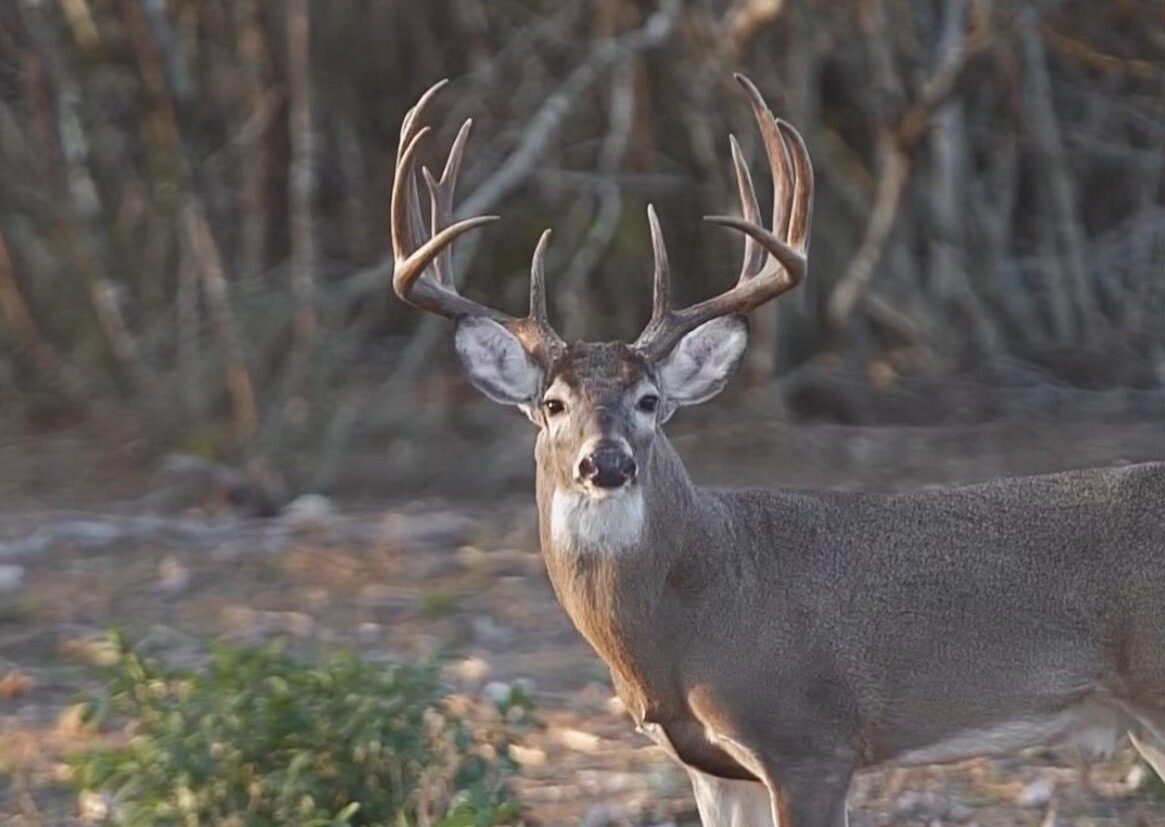
MLDP Harvest Option Tag Estimator

An MLDP Option

The Texas Parks and Wildlife Department (TPWD) tag estimator is available to property owners that are interested in at least (possibly) getting involved in TPWD’s Harvest Option in order to receive tags for deer hunting. I know what you’re thinking. Yes, if you buy a Texas hunting license you already receive a pocket full of deer tags, so why consider the Harvest Option for the property you hunt?

What is the MLDP Harvest Option?

If you are familiar with TPWD’s MLDP program of past, the Harvest Option is another addition to the legacy MLD permit program, but does not require property owners to conduct deer surveys or perform habitat management practices. That’s kind of nice.

However, for anyone involved in the Harvest Option it also means that a biologist will not make a formal recommendation for a specific property. Rather, the Harvest Option makes deer harvest recommendations and issues deer tags for any participating property simply by using property boundaries and the plant communities that are found within it.

Why Enroll in the Harvest Option?

So, if the MLDP Harvest Option issues deer hunting tags based on the habitat (and estimated deer population) found on a ranch, how does that help someone with deer management? The option does allow for a much longer hunting season than is normally available to most hunters and it does allow the deer tags to be divided up among the persons hunting the land, whether that be 2 or 20.

In short, it sounds like there is more built-in flexibility with regard to the length of the hunting season length (October- February) and personal bag limits (only limited by the number of deer tags received).

Any property owner wishing to receive white-tailed deer tags for their property, whether it be the Harvest Option or the Conservation Option, must enroll through TPWD’s Land Management Assistance web site. Any property owner can navigate to the site and sign up.

Enroll in MLDP Program, Land Management Assistance

Deer Tag Estimator

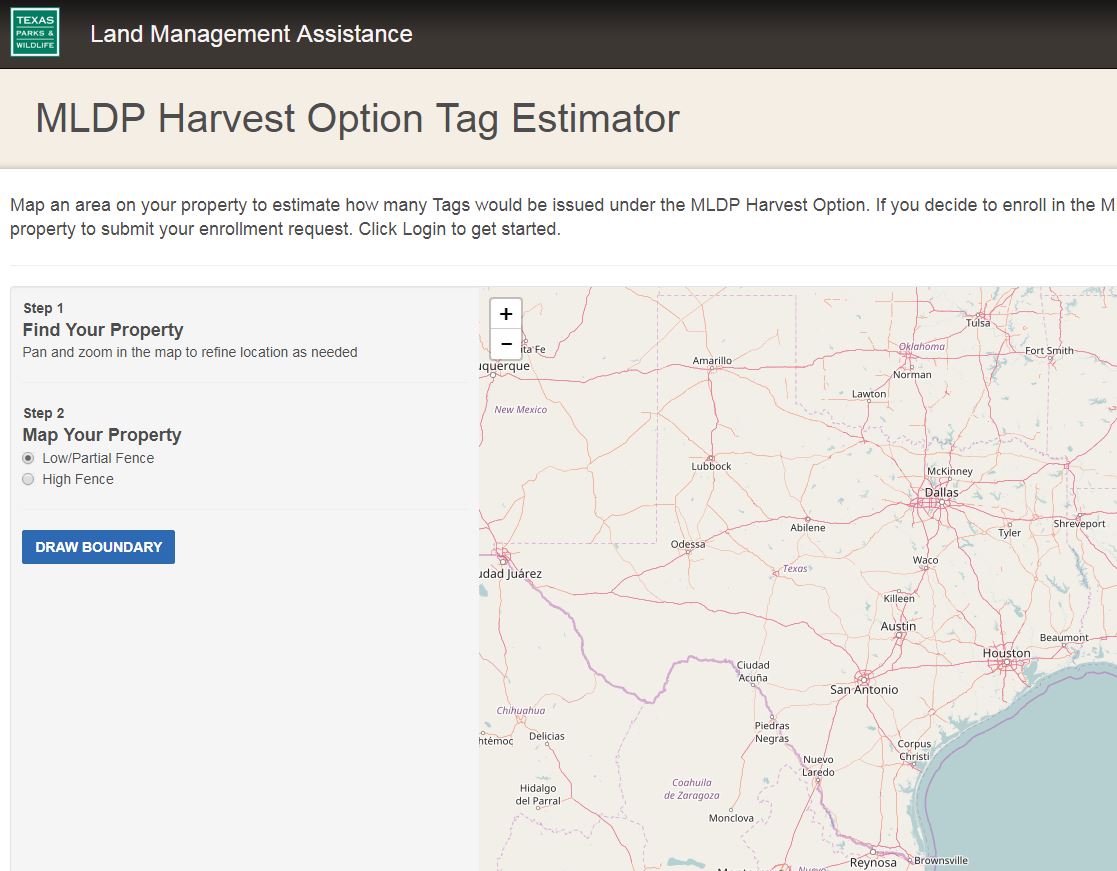
Where does the deer tag estimator fit into the equation? Well, if you are not sure you want to participate in the Harvest Option deer tag program you can determine upfront how many tags you will get before you even sign up! The best part is that the MLDP Harvest Option Tag Estimator is actually easy to use.

To start, first you will need to navigate to the tag estimator site. Once there, simply pan the map and zoom into to find your property. The default map view has roadways, towns and cities so it makes it easy to find your way to just about any place in Texas.

MLDP Harvest Option Tag Estimator Tool

Once you zoom in fairly tight, I found it easier to switch over to the satellite view, which you can do by clicking the button at the bottom of the screen. Next, you will need to select a fence option, high fence or low fence.

Mapping with the MLDP Tag Estimator

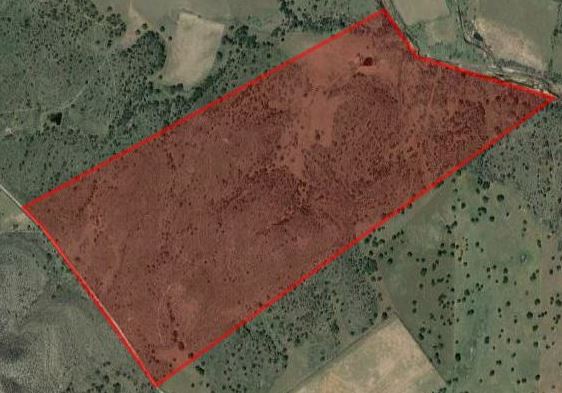
Click the button that says “Draw Boundary” and then it’s time to map the property. Start on one corner of your property and work your way around clockwise or counter-clockwise, whatever works for you. To end the mapping of your property’s boundary, simply click on the first point and the web site will tell you the size of the mapped acreage.

Mapping Tool for Deer Tag Estimator

If the acreage looks good, then you’re in good shape. If the acreage or map is wrong, then you can hit the “Delete” button to simply start over or you can click the “Edit” button and move any of the points that you placed previously. This step is straight forward.

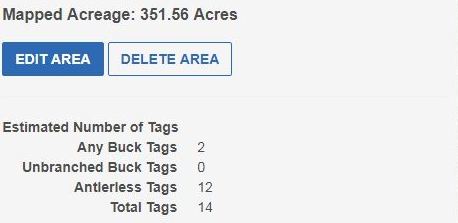
Once the boundary and the mapped acreage looks good then go ahead and click the button that says “Get Estimate” and the site will spit out a breakdown of Any Buck Tags, Unbranched Buck Tags, Antlerless Tags and Total Tags that the property would receive under the MLDP Harvest Option.

MLDP Tag Estimator

Summary: Harvest Option & Tag Estimator

The Harvest Option is just one of the choices under the new MLDP program that TPWD has rolled out for the 2017-18 hunting season. Is it the best fit for you and your property? Only the property owner/hunter/manager can make that call.

The MLDP Harvest Option Tag Estimator was very easy to use, but the number of buck tags I would receive (should I enroll) for the mapped property was more restrictive than I first expected. Not bad, but it does not leave a lot of flexibility in terms of buck harvest, a complete deer management program. On the other hand, the longer season offered by the MLDP Harvest Option is quite attractive from a deer hunting standpoint without much work up front.