Ashe Juniper (Cedar) has invaded large areas of central Texas and it dominates many range sites with shallow limestone soils. The suppression of fire and long-term overgrazing by livestock has contributed to the spread and invasion of this evergreen woody species. If not managed, cedar will eventually form a closed canopy that prevents sunlight from reaching the ground.
This limitation of sunlight then suppressed the growth of grasses, valuable forbs, and desirable woody plants. The massive shallow root system of cedar allows it to successfully compete with more desirable plants for available soil moisture. The foliage of cedar intercepts rainfall and prevents moisture from reaching the ground. Soil erosion is enhanced under cedar stands due to the limited amounts of herbaceous plants.
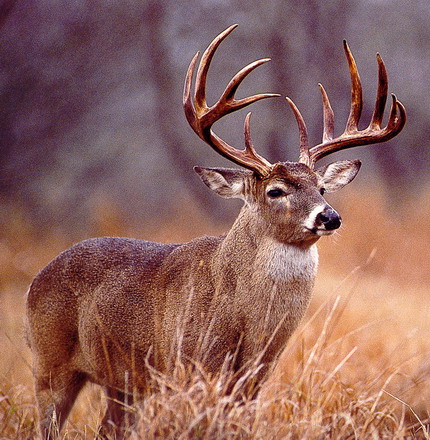
Cedar has minimal food value to both livestock and wildlife. Its foliage is not preferred by browsing species. Deer only utilize it to a small extent, typically during the late winter when the availability of other foods is low. The fruit (berries) that it sporadically produces are eaten by some bird species and occasionally by deer, but they are not normally important components of wildlife diets.
The most common species of cedar in central Texas, ashe juniper or blueberry cedar, does not resprout from roots as do most other woody species, if all above-ground green material is removed or killed. Redberry juniper does occur in some areas, especially the more western portions of the region. Redberry juniper has the ability to resprout from roots and is therefore more difficult to control. A landowner should learn how to identify the species occurring on his land so the most appropriate control methods can be used.
Cedar can be controlled with a variety of control methods including mechanical (dozing, chaining, grubbing, hydraulic shears), fire, herbicides, biological, and hand cutting. Selective, single-stem removal (hand cutting, grubbing, hydraulic shears) of cedar where it is growing in stands mixed with other desirable woody plants is preferred over broad-scale removal to prevent damage to the desirable species. When it is removed from these areas, care must be taken to avoid reducing the amount of cover in the stands below minimum levels needed for wildlife. Because of its evergreen growth form, cedar can add structural density to stands of deciduous woody plants during the winter months. Where it is growing in dense stands and broad-scale “mass removal” (dozing, chaining) is a viable option, care should be taken to minimize removing or damaging excessive amounts of preferred woody species.
Properly applied fire (prescribed burning) can be used to economically kill small blueberry cedars up to about 3-4 feet tall. Other control methods are necessary to initially remove larger cedars that are not effected by fire. Prescribed burns at no more than 5 to 6 year intervals can be used to maintain control of cedar seedlings that are continuously being established throughout central Texas from undigested seeds that are widely dispersed by birds and other animals. Fire will kill cedar saplings less than 1 1/2 inches in basal diameter if it is held for 6 or more seconds at the base of the tree. Fire will also kill all trees in which it removes all green growth.
The biological control of cedar with goats is not recommended because excessive browsing on other more preferred species of woody plants will precede utilization of the cedar, resulting in the degradation of wildlife habitat. Control of cedar with certain specific herbicides can be effective on low densities of cedars less than three feet tall.
Cedar does have some value as wildlife escape and thermal cover, especially in areas where other forms of woody cover are lacking or in short supply. The amount of cover on open “prairie” habitats of central Texas may be less than needed to provide a minimum amount of security for wildlife. Although some species of wildlife may prefer and utilize open habitats, others are hesitant to venture very far from escape cover. While it may not be the most desirable, cedar is one of an apparently limited number of woody species that can grow on certain soil types of central Texas. It is recommended that small stands and strips of cedar be retained and encouraged at 200-300 yard intervals in habitats lacking sufficient woody cover. These blocks and strips of cedar can provide structural diversity, travel lanes and security cover that is beneficial to many species. The distribution and density of cedar can be controlled over time to prevent it from forming dense stands.