Texas Fence Laws: What You Need to Know

Fences in Texas

Whether you use your land for livestock grazing , white-tailed deer management or both, it’s a good idea to have a handle on Texas’ fencing laws. We’ve all heard the saying, “good fences make for good neighbors,” but even good folks with pretty good fences can get sideways when it comes to disputes over unforeseen situations, property lines and “extra” livestock.

Have you ever wondered if a landowner is liable if his livestock get out and are hit on the road? Can a landowner make a neighbor chip in and and pay for repairs to a shared boundary fence? What should a property owner do when someone else’s cattle are on their land? Or what can I do about my neighbor’s tree limbs hanging over the fence and onto my property?
Texas Fence Laws

Texas Fence Law Answered

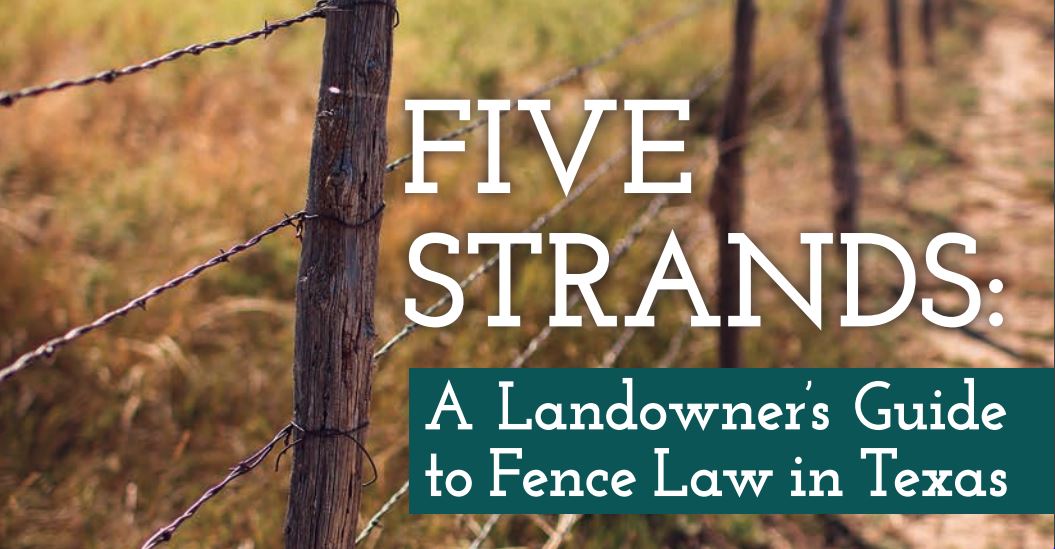
There will come a time for every Texas landowner when having some general knowledge about fencing laws will come in handy. Fortunately, a new publication titled Five Strands: A Landowner’s Guide to Fence Law in Texas is now available to help landowners make sense of some of the more common issues property owners face across the Lone Star State.

The best thing—this handbook was written in terms that normal people can understand. It is designed as a resource that can be thrown on the dash of a pick up along with a ranchers’ other important documents. This publication provides answers to common questions related to fence law that come up frequently for Texas landowners and livestock producers.

Below are a several examples from the handbook:

My neighbor’s cattle are on my land. How do I remove them?

The answer depends on whether this situation occurs in an open-range county or in one that has passed a stock law making it a closed range.
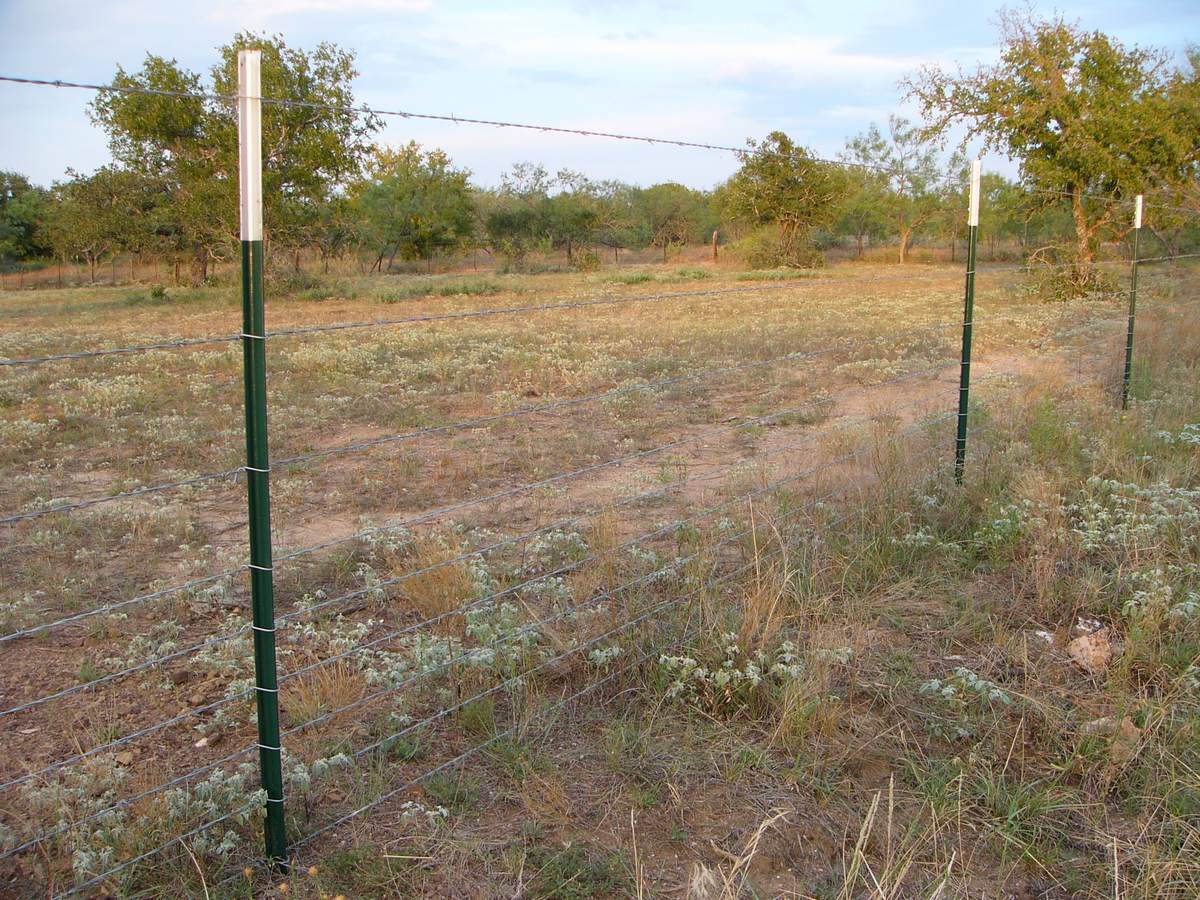
Know how the law relates to fences in Texas.

Lessee Liability?

Many Texas livestock producers lease the land they they run their livestock on. This presents a question of who is responsible for fencing the land the livestock run on–the landowner or the lessee? Absent an agreement allocating responsibility between the landowner and the lessee, these laws could apply to both the landowner and the lessee who runs the livestock on a ranch.

How do the adequate fence standards of the Agriculture Code apply?

The Texas Agriculture Code establishes the requirements for a “sufficient fence;” however, these fencing standards apply only in open-range counties where fences are meant to keep livestock “out” rather than “in.”17 These sufficient fence standards do not apply in a closed-range county, nor can they be used to determine negligence or liability in a roadway accident situation.

Clearing Brush to Build a Fence on a Boundary Line

Sometimes a landowner building a fence along a boundary line must clear brush on both his or her own property and the neighbor’s property. If this is necessary, the landowner should always seek permission from the neighbor before entering his or her property and before any brush management takes place.

Without such permission, entering a neighbor’s property and removing the brush could be considered trespassing and subject the acting landowner to damages. It is always better to ask for permission ahead of time. If permission is denied, the landowner may have to back the fence up on his or her property.
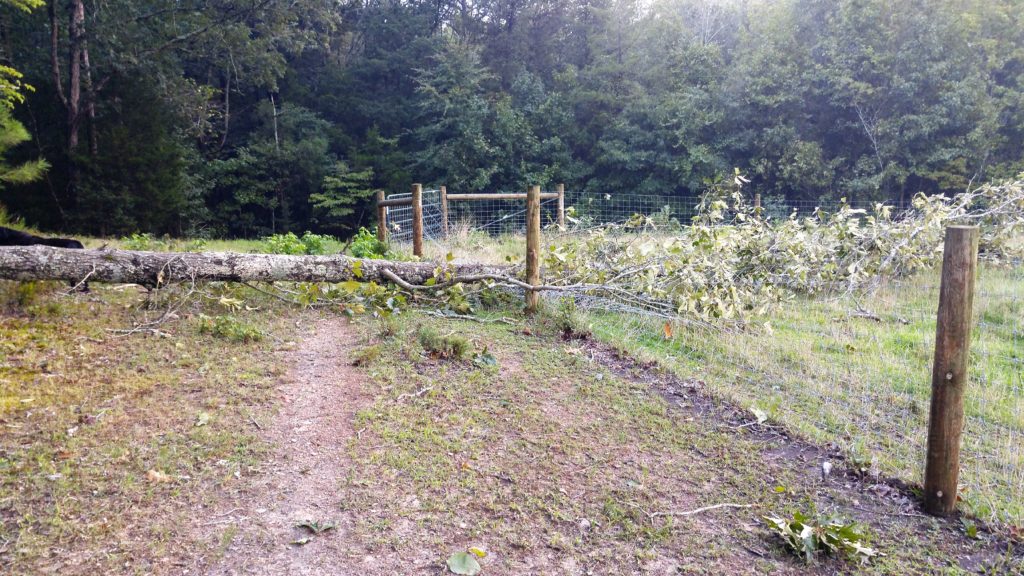
Who's responsible for a tree on a fence?

Cutting Down a Tree Hanging over a Property Line

Assume that a tree grows on the neighbor’s property, but the limbs and branches overhang another’s land. What rights do the parties have in that situation? In Texas, the location of the trunk of the tree determines who owns it, even if the roots or branches grow onto an adjoining neighbor’s land. A landowner has the right to trim or cut off the limbs or branches of boundary trees or brush that reach onto his or her property, as long as no damage to the other adjoining landowner occurs.

However, the limbs or branches can be cut back only to the property line. The tree’s owner is responsible for any damages caused to the adjacent owner from falling branches or roots. It is in the best interest of the tree’s owner to control the growth of the tree so it does not create a source of potential damage to the neighboring landowner.
Louisiana Slams the Door on CWD

Don’t Bring CWD to LA

Louisiana wildlife officials recently slammed the door on hunters bringing back deer carcasses from other states. The move is in response to Chronic Wasting Disease (CWD) since the deer disease has been found in the free-ranging white-tailed deer herds in neighboring Arkansas and Texas. For decades now, numerous Louisiana hunters have made the annual pilgrimage west each fall, but getting deer from Texas and elsewhere back to LA has just gotten more difficult.

The Louisiana Department of Wildlife and Fisheries announced late last month that the cervid-carcass import ban approved last year goes into effect. That means hunters who travel out of state to target white-tailed deer, mule deer, elk, moose, caribou, fallow deer, axis deer, sika deer, red deer and reindeer may not bring many parts of those animals back into the state of Louisiana, which to-date has remained free of CWD.

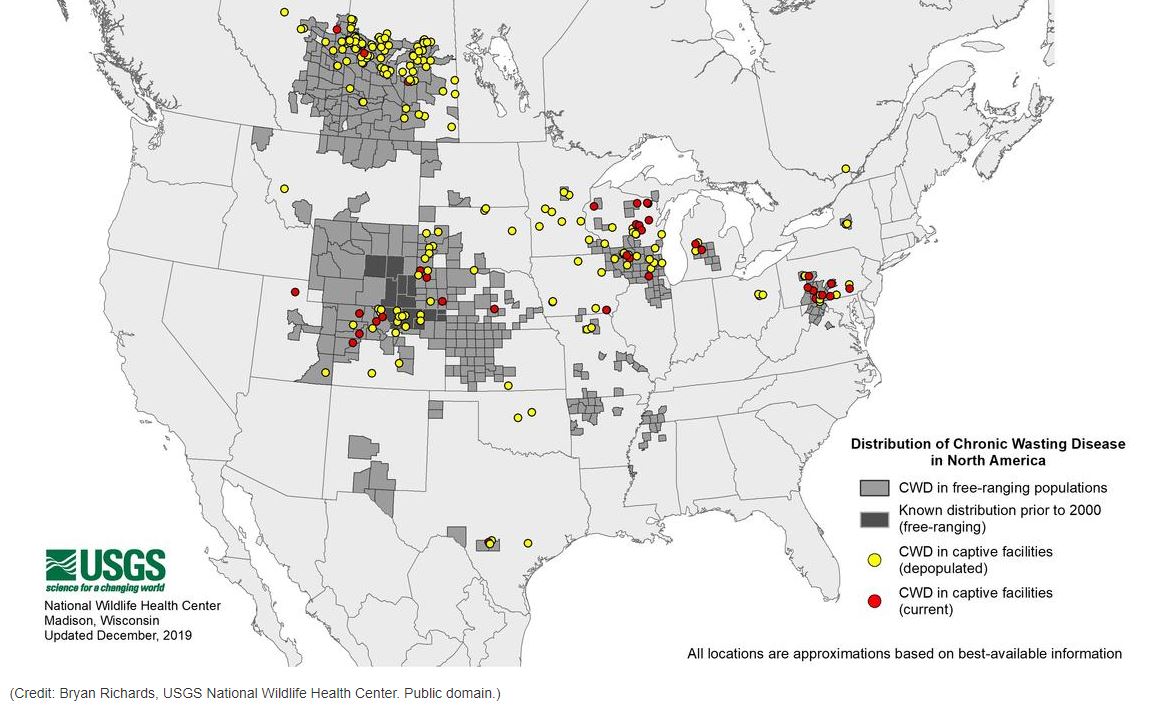
Distribution of CWD in US, North America

Louisiana’s Cervid Import Regulation

Source: The regulation reads in part: No person shall import, transport or possess any cervid carcass or part of a cervid carcass originating outside of Louisiana, except: for meat that is cut and wrapped; meat that has been boned out; quarters or other portions of meat with no part of the spinal column or head attached, antlers, clean skull plates with antlers, cleaned skulls without tissue attached, capes, tanned hides, finished taxidermy mounts and cleaned cervid teeth. Any and all bones shall be disposed of in a manner where its final destination is at an approved landfill or equivalent. Said rule shall be effective March 1, 2017.

The ban defines a cervid as animals of the family Cervidae, including but not limited to white-tailed deer, mule deer, elk, moose, caribou, fallow deer, axis deer, sika deer, red deer and reindeer.

This ban is strictly for the purpose of reducing the likelihood that CWD will enter Louisiana through carcass importation. Approved parts and meat from other states must contain a possession tag with the hunter’s name, out-of-state license number (if required), address, species, date and location (county and state) of harvest. Each state has different possession requirements for game once processed.

Louisiana Closes Border to Deer Carcasses to Stop CWD

Goal of Carcass Ban

The new regulation is deigned to maintain the “Sportman’s Paradise” that Louisiana offers by reducing the likelihood of CWD moving into the state. For those that have been under a rock for the past 10 years, CWD is a neurodegenerative disease that is 100-percent fatal to cervids that contract it.

The long-term impacts of CWD on deer herds is unknown, although Colorado, the state where CWD was first discovered (1967), appears to have decreased cervid populations. Whether these declines are strictly CWD-related, however, is unknown. Over the short-run, CWD does appear to change the demographics of the local deer herds where the disease is found, resulting in a younger average age because deer do not live as long.

Louisiana Bans Cervid Carcasses in Name of Deer Herd Management

Managing CWD Positive Deer Herds

CWD poses a risk to deer and deer hunting simply because it introduces another variable in the deer management/harvest equation. It’s still basically an unknown, a factor that will have some amount of impact on an annual basis once it works its way into a localized herd. After that, it begins to spread because there is no way to get rid of it.

A carcass ban on harvested cervids appears to be an effective way to stop the fast-tracking of CWD to new, uninfected areas. Of course, CWD will continue to spread naturally throughout North America. Carcass bans make it tough on hunters when it comes to transporting harvested deer home, but we also understand that it is helping to protect the natural resources that we enjoy. I hope that CWD is something that I never have to factor in to the deer management equation, but I suspect it’s just a matter of time.

CWD Found in Free-Ranging Whitetail in Texas

CWD Discovered in Texas

Chronic Wasting Disease (CWD) has been confirmed in free-ranging white-tailed deer in Texas. Yesterday, Texas Parks and Wildlife Department (TPWD) announced that a free-ranging white-tailed deer in Medina County tested positive for CWD. The disease had been previously documented in mule deer and elk (in the Texas Trans-Pecos and Panhandle) and in whitetail associated with two deer breeding facilities, but this is the first time CWD has been found in a wild white-tailed deer in Texas.

The deer was harvested during the deer hunting season for Medina County. The hunter brought the 1 1/2 year old buck deer to a voluntary CWD check station located within the surveillance zone that extends across portions of Bandera, Medina and Uvalde counties.

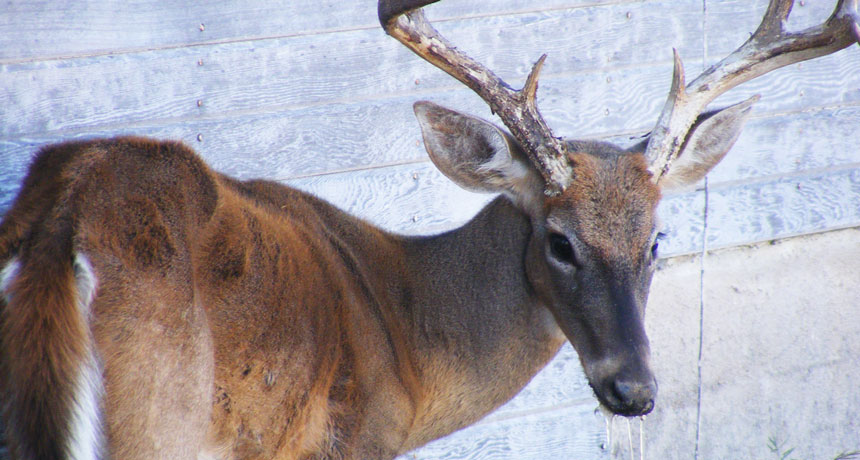
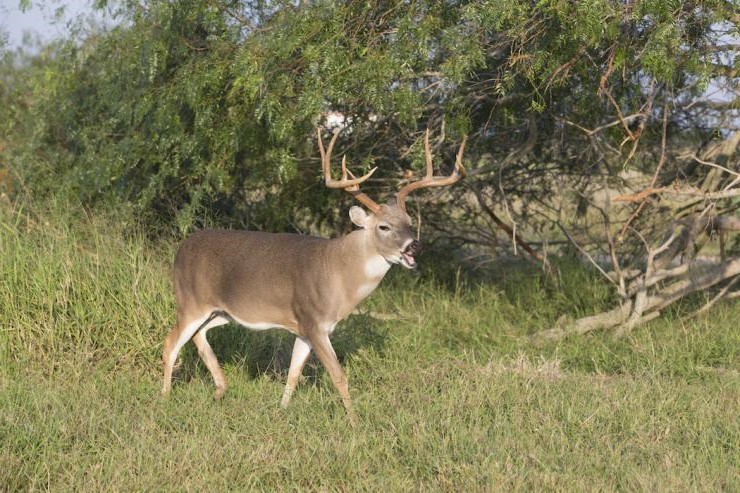
Deer with CWD harvested in Medina County.

TPWD and Texas Animal Health Commission (TAHC) are taking steps to deploy an early detection and containment strategy designed to limit the spread of CWD from the affected area and better understand the distribution and prevalence of the disease.

“Although the disease has been discovered in a free ranging whitetail in this area, we cannot draw any conclusions at this time based on one detection,” said Dr. Bob Dittmar, TPWD’s Wildlife Veterinarian. “The proactive measures we are taking as part of our epidemiological investigation into this case are in line with the state’s strategies to prevent this disease from spreading any further. The more effective we are at containing this disease within a limited geographic area, the better it will be for our wildlife resources and all those who enjoy them.”

CWD Containment Zone Formed

Effective immediately under an executive order issued by TPWD Executive Director Carter Smith, Surveillance Zone 3 (SZ3), which extends across portions of Bandera, Medina and Uvalde counties, is now a CWD Containment Zone and all associated rules for that designation are in effect. Those rules include restrictions on the movements of carcass parts as well as live deer possessed under the authority of a permit. The department is also implementing mandatory CWD testing of hunter harvested deer within this containment zone.

“This emergency action allows us to contain the threat of this disease spreading any further while we collect more information and gather more data,” said T. Dan Friedkin, Texas Parks and Wildlife Commission Chairman. “Not only are these temporary emergency measures necessary and consistent with the state’s planned strategies for CWD management, they are essential for ensuring the protection of the state’s whitetail deer herd and the integrity of our hunting heritage.

CWD in Free-Ranging Texas Whitetail

“It is my intent for the Commission to address this issue through our regular rulemaking process, which provides opportunities for public comment and input from stakeholders, and that process will begin soon,” Friedkin added.

“With the confirmation of CWD in a free-ranging buck in Medina County, the TAHC is working with TPWD to determine the disease risk in the area,” said Dr. Susan Rollo, TAHC State Epidemiologist. “TAHC understands and appreciates TPWD’s immediate response and temporary measures to prevent the inadvertent spread of CWD to other parts of Texas.”

CWD Sampling

This most recent detection of CWD resulted from enhanced voluntary testing of hunter harvested deer in SZ3. The TPWD sampling goal for SZ3 for the 2016-17 hunting season is 1,749 samples. As of today, the department has received about 720 samples from hunter harvests and roadkills within the zone and anticipates receiving about 200 additional samples from deer breeding facilities and associated release sites in SZ3.

“TPWD is very appreciative of the effort and cooperation that has been put forth by landowners, hunters and local officials in the area,” said Carter Smith, TPWD Executive Director. “Our ability to control this disease is directly related to the cooperation offered by the citizens of Medina, Bandera and Uvalde counties, and we pledge to continue to work with everyone to minimize the impacts of this disease as well as these challenging but necessary measures designed to control the spread of CWD.”

While the general deer hunting season is over, TPWD will continue to collect samples from MLDP (Managed Lands Deer Program) properties in the new Containment Zone as well as roadkills. The agency is seeking as many additional samples for testing as it can obtain in order to get a better handle on the geographic extent and prevalence of the disease in this area.

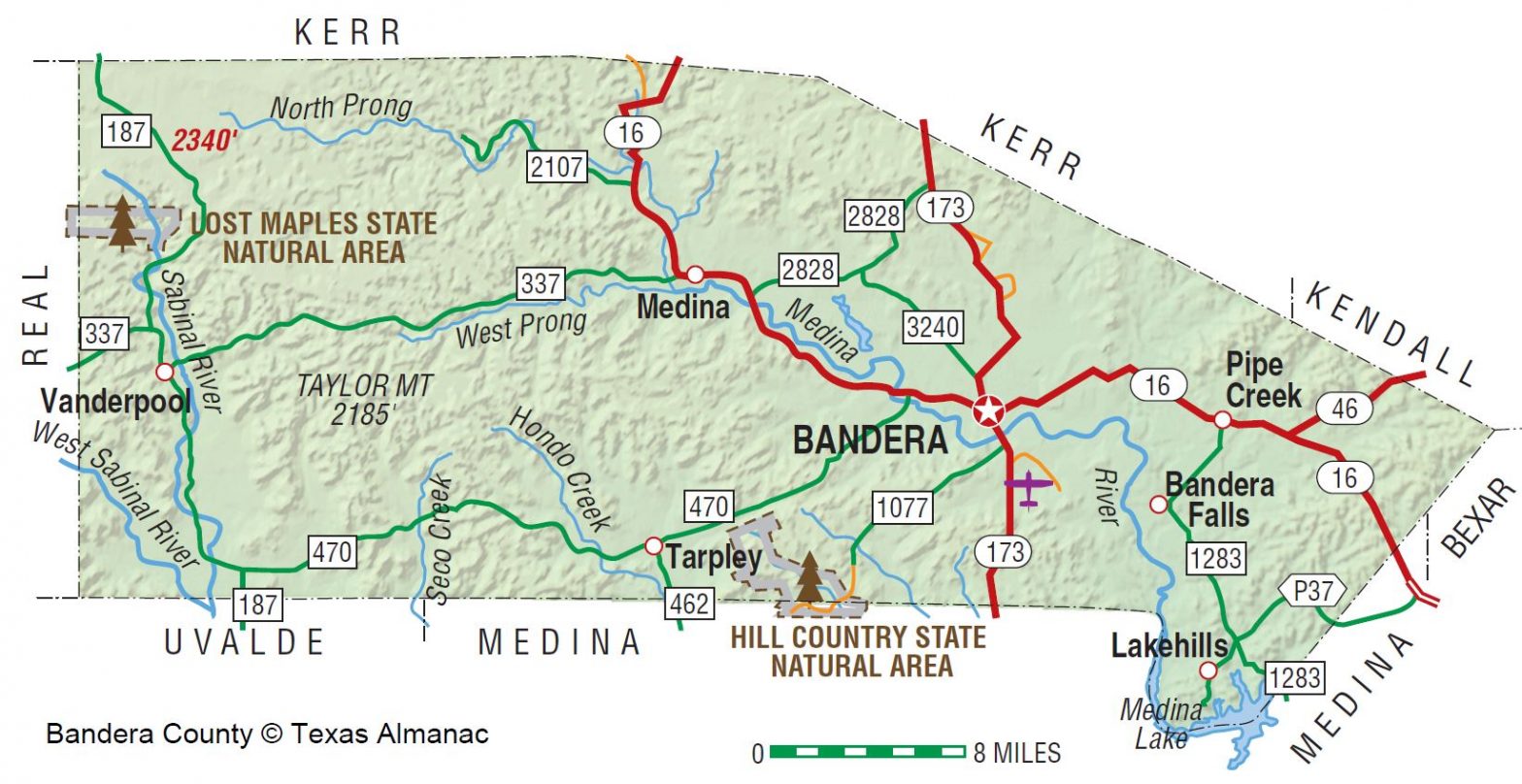
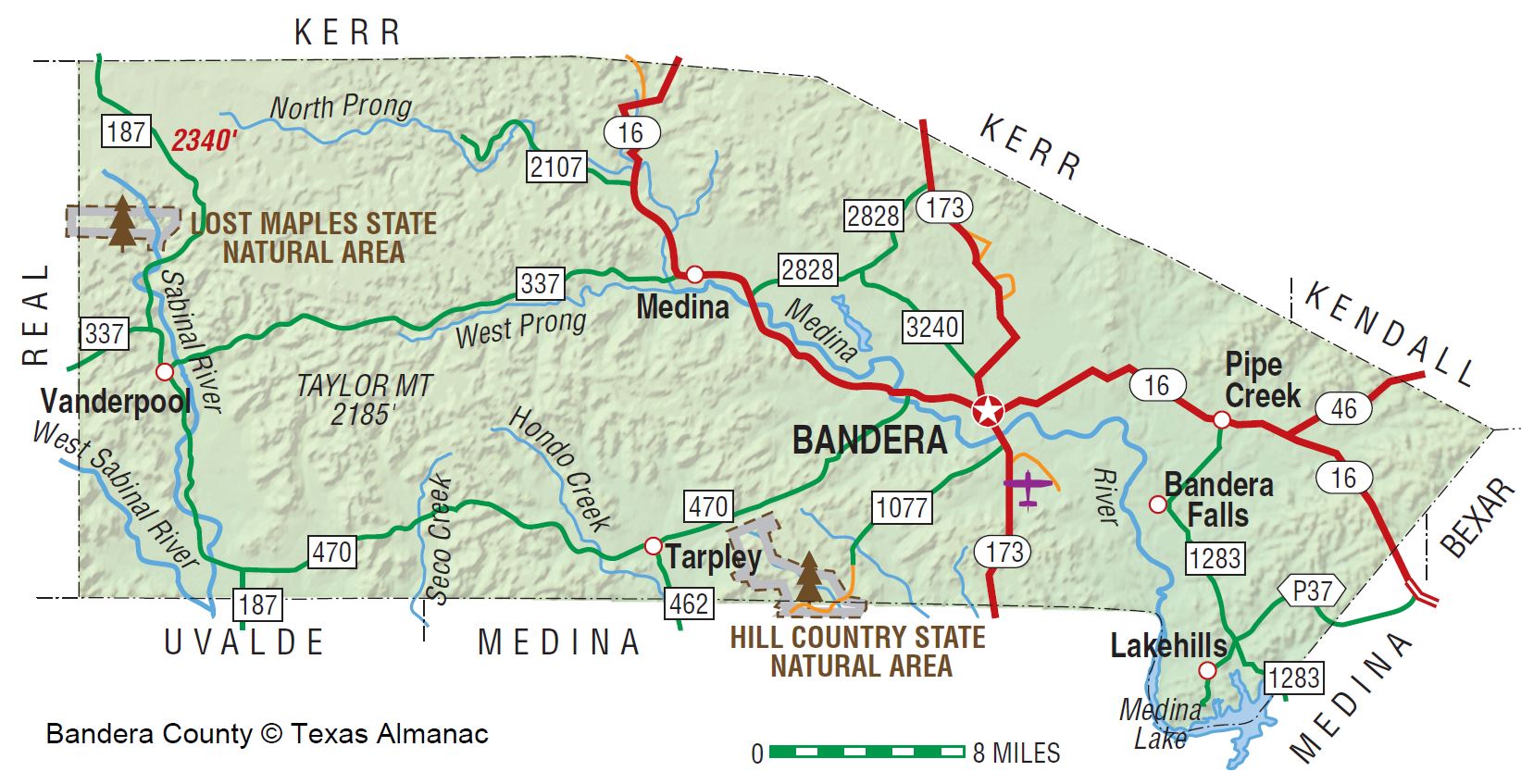
Map of Medina County, Texas

CWD in Medina County

CWD was first discovered in Medina County in a dead buck in a white-tailed deer breeding facility in June 2015, with additional deer from that facility subsequently testing positive. The surveillance zone that includes portions of Bandera, Medina and Uvalde Counties was established in response to those positive samples.

CWD started in Texas with positives in mule deer in the far west and then the panhandle. The distance between the always-fatal deer disease and the stronghold of Texas’ whitetail herd offered some degree of comfort for the majority of deer hunters. Then CWD popped up in breeder facilities found in Medina and Lavaca Counties. Now the epicenter of CWD in Texas’ free-ranging whitetail herd is Medina County, which is much closer to home for many Texas hunters. The saga continues, but how does it play out?

47 Point Buck Shot in TN: New World Record

Record Buck Shot in TN

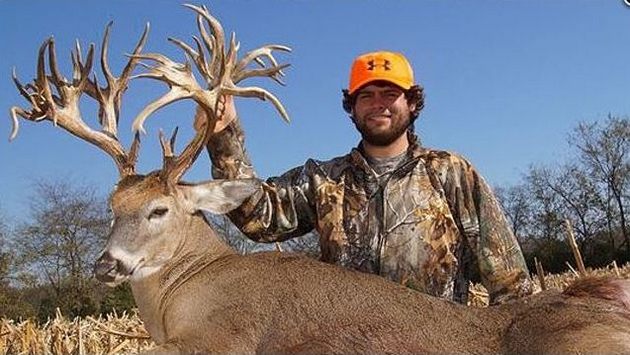
It appears that a 47 point white-tailed buck shot in Sumner County, Tennessee, will be a new world record. The hunter, Stephen Tucker, harvested the antler-rich buck back in November 2016, but had to wait out the mandatory 60 day drying out period required by the Boone and Crockett Club before it could be officially measured.

The potential record-breaking skull cap and antlers of the buck, which are estimated to be worth as much as $100,000, were kept in a rather safe place until they could be scored — in the vault of a local bank. Better safe than sorry, right?

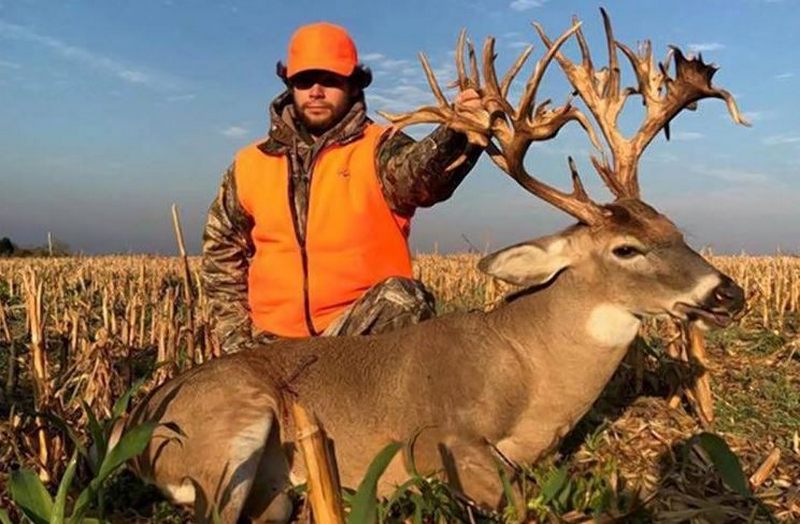
Stephen Tucker with 47 Point Buck

Hunting a World Record

After monitoring the buck for months with game cameras, Tucker, 27, shot the nontypical buck with a muzzleloader in Sumner County, Tennessee. But it was not a one-and-done hunt, not by any stretch. Tucker bumped into the buck the very first day of the season, November 5, but his muzzleloader would not fire. Now, that sounds like my kind of luck.

Later that same day, the hunter crossed paths with the tremendous deer again, but could not seal the deal because the buck was too far out. Persistence and patience eventually payed off though. On November 9, 2016, four days after initially crossing paths with the deer, a somewhat frustrated Tucker once again found himself with an opportunity to tag the 47 point buck.

This time, the buck stood a mere 40 yards away. Tucker calmed himself, squeezed the trigger and wrote the final chapter of a very special buck’s life.

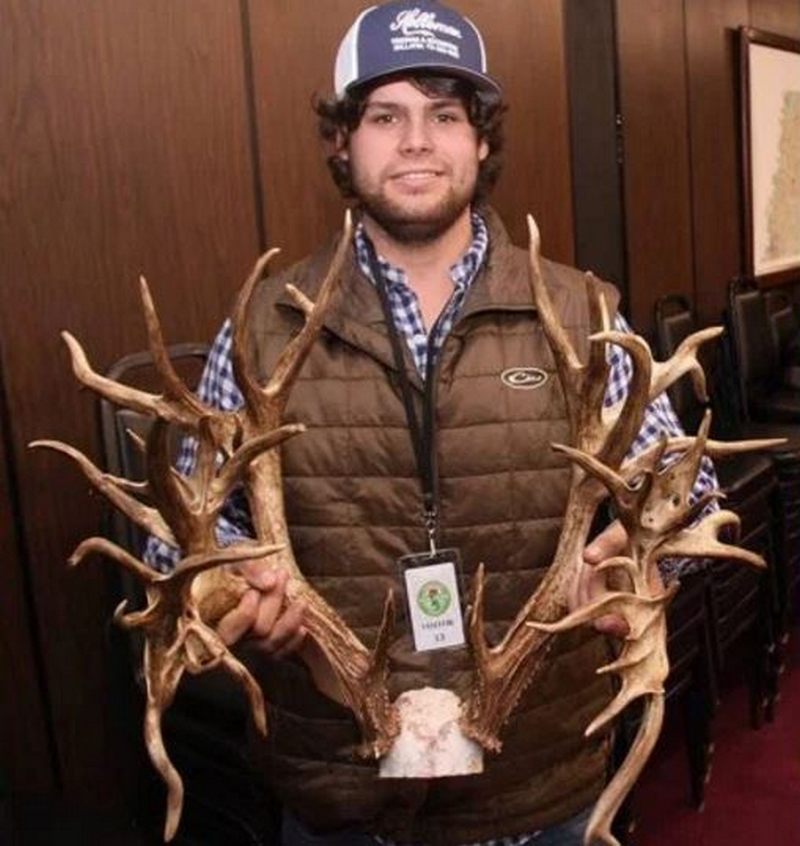
Stephen Tucker with New Tennessee State Whitetail Record Buck, Word Record Whitetail Buck

Record Whitetail

Now, just over 60 days later, the 47 point once-in-a-lifetime buck officially scored a whopping 312 3/8 inches, as measured by a 4-member panel from Boone and Crockett. Scoring the buck was a marathon in itself. It took the panel over 4 hours to finish the job!

“I have truly been blessed and I am very thankful,” Tucker said after learning the rack’s score. “I have had a lot of phones calls and questions and have tried to be patient waiting through the process. I am very appreciative to my family, friends, and the Tennessee Wildlife Resources Agency, especially Captain Dale Grandstaff, who has led me through the process. I believe he has been as excited about it as I have.”

Stephen Tucker with Sumner County 47 Point Buck

Something Special in Sumner County

The 47 point Tennessee bruiser will receive its official certification/coronation as the new world record white-tailed buck at the Boone and Crockett awards banquet in 2019. At that time, it will be measured yet again by two scorers. The current non-typical net world record of 307 5/8 was killed in 2003 by Tony Lovstuen in Albia, Iowa. It appears Tucker’s 312 3/8 will hold up.

The great thing about Tucker’s 47 point buck from a scoring perspective, in addition to the high total number of points, is that the buck looks to be a very symmetrical mainframe 10 point buck. A set of antlers with very symmetrical matched (mainframe) points will have few deductions, which is the difference between the gross and net scores, in both typical and non-typical antlers.

Obviously, the buck is also a new record for the state of Tennessee. The previous record for the state netted 244 3/8 inches. The buck shot by Tucker has completely obliterated that record, tacking on almost another 70 inches! The prior state record, shot in 2000, was also killed in Sumner County. Must be some good eats and genetics up that way. Wonder if I can find a good place to hunt ’round there?

Cold Weather Deer Hunting Tips

Hunting Cold Weather Deer

Cold weather and deer hunting do not always go hand-in-hand at southern latitudes. It’s taken for granted “up north,” but Texas’ Fall temperatures rarely stay in the 30’s, if they get there at all. Let’s face it, sitting around a campfire is not quite as enjoyable when you’re sweating.

The regular (General Season) has ended for white-tailed deer in Texas, but many counties have a Late Season and ranches involved in the MLDP program still have the better parts of 2 months left to hunt. The Late Youth Season and South Texas are still going strong until mid-January, too. It’s always good practice to harvest deer early in the season, if possible, because this leaves important food sources out on the landscape for the remainder of the herd trying to get through the winter, which has really just started.

Low temperatures benefit deer hunters in a number of ways, especially at lower latitudes, such as Texas. Whitetail, and some of those that hunt them, are real comfortable when the mercury drops. The deer, like us, are just not used to it. That said, it’s a good time to be out there. Below are 5 cold weather deer hunting tips to help you fill your freezer.

  1. Cold is gold for deer hunting
  2. Cold weather makes deer hungry
  3. Focus on foods for hunting success
  4. Go prepared for a cold weather sit
  5. Hunt corridors to your advantage

These tips come from my experience hunting whitetail during cold weather events. In Texas, this means using strong cold fronts to anticipate an increase in deer movement. The ideas offered in this article are designed to help you elevate your hunting game when the mercury drops on the thermometer. Learn how white-tailed deer behave during extreme cold weather and use it to your advantage.

How to hunt deer in cold weather?

Cold is Gold

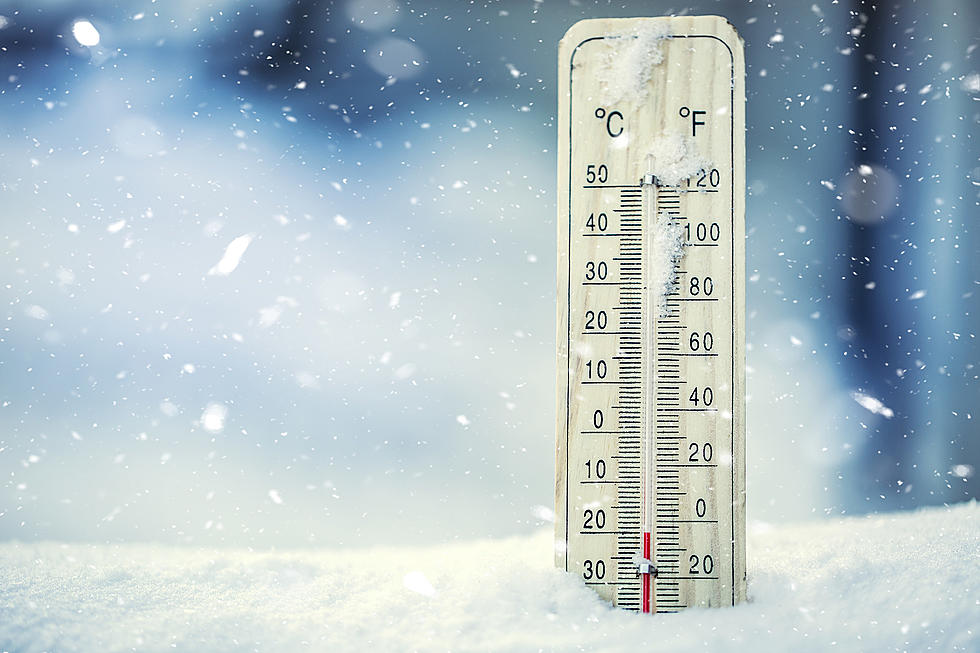
It takes a lot of energy to keep a deer humming along at really cold temperatures, at say, anything below 30 degrees F. Other than the peak of the breeding season, the rut, nothing is better at getting bucks and does up on their feet — because they have to eat!

Many of the whitetail subspecies found at lower latitudes are not built for cold weather. In fact, they have smaller skeletal frames and in areas where they are overabundant, they are even smaller. They are not built for really cold weather, or at least sustained cold weather. As a result, low temperatures get them up and keep them there throughout the day. Time for you to get out.

Helpful Tips for Cold Weather Deer Hunting

Hunt Accessible Foods

A strong cold front has just rolled in. Temperatures are slated to be in the low 20’s for the next few mornings and with mid-day highs in the 30’s. With cold, winter weather hitting hard (hey, at least for the area) deer will need energy. And energy comes from food.

So what are deer looking to eat? When it’s cold whitetail will eat just about anything that is easy to access, but they are really seeking carbohydrates for fuel their inner fire and warm them up. Carbs are easy to digest and they result in immediate energy. Hunt food sources that may not have been used heavily during the early season, but are still available. Yes, this includes fall plots planted for deer as well as spin-feeders. The cold temps should finally push them to eat the corn piling up under your feeder.

Another plus side hunting during the late season is that post-rut bucks have returned to a solid feeding pattern. The rut can knock as much as 25 percent of the body weight off a buck, and cold weather does not help, so they will be up and feeding. This will not help those deer hunting where late season regulations limit them to antlerless deer and spikes, but can pay off big for youth hunters, those hunting the South Texas General Season, and hunters on MLDP properties.

Hunt Food Sources for Cold, Hungry Deer

Dress for Cold Weather

The deer are cold so that means you too will be cold. One of the more important tips offered here is to make sure that you dress for success! And by that, I plenty of layers on both top and bottom. We are not in November anymore. Camo shorts, t-shirts and sneakers are not going to cut it in 20 degrees and 20 mile per hour winds that can be found in January. Those were the go-to attire when you were sweating it out in your box blind, but not now.

Get out your flannel, insulated overalls and sock hat. The critical areas to keep warm while cold weather deer hunting are your head, hands and feet. Develop a layered plan that will work whether sitting in a stand or covering ground. You will want to dress heavy for sitting, but be able to shed layers as you heat up. You also want to prepare for a full day of hunting because in cold weather deer will move all day long.

Hunting Deer Travel Corridors in Winter

Hunt Corridors

Since deer are forced to move and feed when it’s cold out, then particular attention should be paid to hunt areas where they travel. Locate travel corridors in the area that are between bedding areas and food sources, get downwind and wait. This is when being dressed appropriately comes into play.

The probability that you will see deer using those travelways has just increased markedly since winter has finally rolled around. Those travel corridors, once well-vegetated, are now reduced to sparse grass and leafless trees and vines. Greater corridor visibility and hungry, roaming deer have tipped the odds in your favor. If you have any cold weather deer hunting tips please leave them in comments section and help a fellow brother or sister out. We’ll all appreciate it. Stay safe and good luck!