More Antlerless Opportunity for Deer Hunters
In a significant update to Texas deer hunting regulations, the number of scheduled doe days will increase starting this season. This means more Texas doe days for hunters looking to harvest antlerless deer across 21 counties within the Post Oak Savannah region.
These counties include Austin, Bastrop, Caldwell, Colorado, Comal (east of Interstate 35), DeWitt, Fayette, Goliad (north of U.S. 59), Gonzales, Guadalupe, Hays (east of Interstate 35), Jackson (north of U.S. 59), Karnes, Lavaca, Lee, Travis (east of Interstate 35), Victoria (north of U.S. 59), Waller, Washington, Wharton (north of U.S. 59), and Wilson.
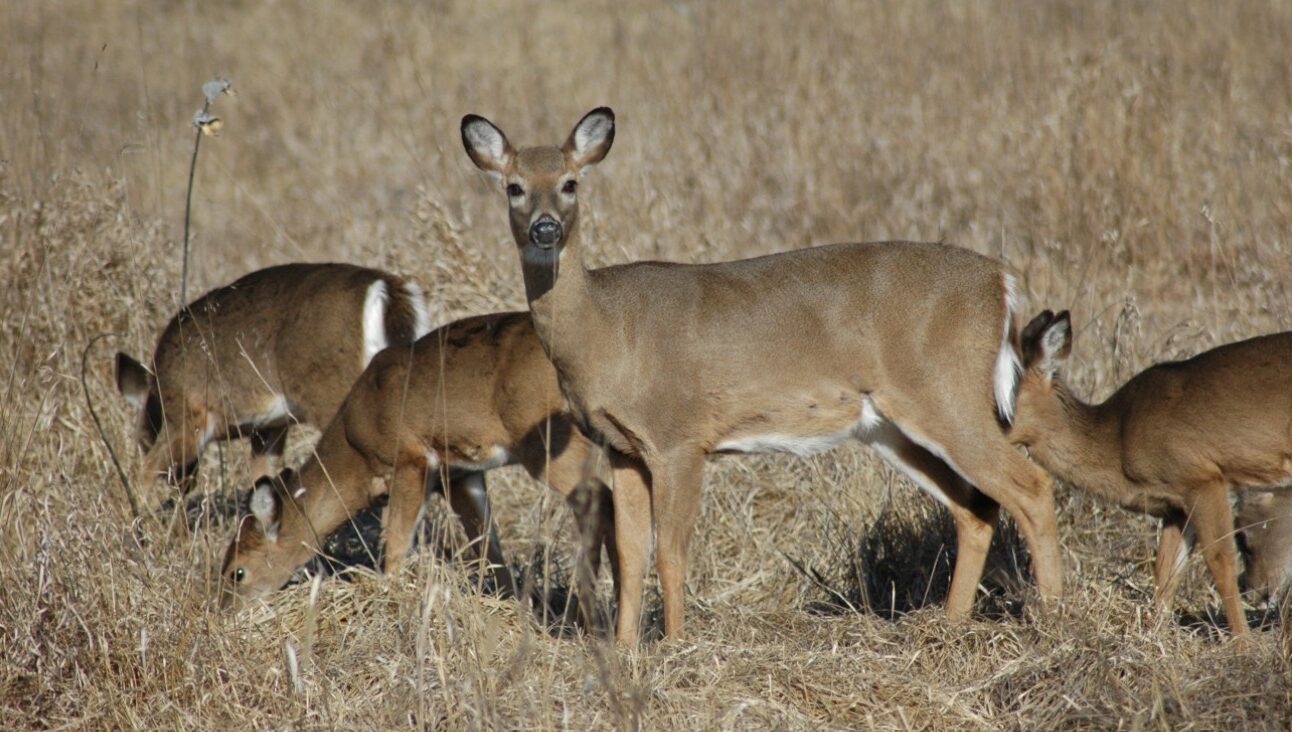
Texas Doe Days Quadrupled
Originally, hunters in these counties were limited to just four “doe days,” a regulation first introduced in 2019 season. Following a recent decision by the Texas Parks and Wildlife Commission, that number has now been increased to 16 days. This change marks a substantial expansion in opportunity for deer hunters in the region.
“Doe days” are specific dates during the general white-tailed deer season when the harvest of antlerless deer is permitted. Across Texas, 89 counties currently have some version of this regulation in place. This reflects the state’s broader effort to manage white-tailed deer populations more effectively.
Prior to the 2019 rule change, hunters in these 21 Post Oak Savannah counties faced much tighter restrictions. Does could only be harvested during archery season, youth-only seasons, or muzzleloader season—or during the general season if the property was enrolled in the Managed Lands Deer Program (MLDP).
Deer Population Management Using Texas Doe Days
The expansion of doe days is largely a response to increasing deer densities in the region. Wildlife biologists have observed growing deer populations. In addition, biologists cite sex ratios in the area are skewed towards does. By allowing more opportunities to harvest antlerless deer, the state aims to promote healthier herd dynamics, reduce habitat pressure, and improve overall ecosystem balance.
Under the new framework, the extended doe season begins annually on the second Saturday of the general deer season and continues through the Sunday following Thanksgiving. Depending on how the calendar falls in a given year, this could provide hunters with as many as 23 potential days to harvest does. Going forward, this regulation change offers considerably more flexibility for doe harvest than in previous seasons.
Doe Days Have Mandatory Harvest Reporting
Hunters should also be aware that harvest reporting is mandatory for all antlerless deer taken in these counties. Harvest reporting is not new for this year. The reporting of harvest does was required during past seasons too. This requirement helps Texas Parks and Wildlife officials collect accurate data, which is essential for making informed management decisions in the future.
Balancing Bucks & Does Through Harvest
Effective management of antlerless deer plays a critical role in maintaining a balanced sex ratio within the herd. When doe populations outnumber bucks by a wide margin, it can lead to a prolonged and less synchronized rut, increased stress on bucks, and reduced breeding efficiency overall.
By harvesting does at appropriate levels, wildlife managers and hunters can help bring the sex ratio closer to balance. Appropriate sex ratio results in a shorter, more intense rut and healthier deer across all age classes.
Managing Deer Populations & Habitat
In addition to improving herd dynamics, doe harvest is essential for promoting habitat quality. An overabundance of deer—especially does, which drive population growth—can quickly lead to overuse of native vegetation. This pressure reduces the availability of food resources for deer and for other wildlife that depend on the same plants.
Strategic harvest of antlerless deer helps prevent habitat degradation, supports plant diversity, and ensures that the landscape can sustain a healthy deer population for years to come.
Now, you may find yourself asking, “How many does should I harvest?” To figure that out, start conducting deer surveys annually. This is particularly true if you want to improve the quality of deer found on your land. Then, take advantage of the Texas doe days if you have more antlerless deer than you need.