Whitetail Population Management
Effective deer population and harvest management is one of the most important responsibilities a land manager can undertake. Whether your goals center on producing mature bucks, maintaining ecological balance, improving herd health, or reducing crop damage, success depends on understanding the relationship between deer numbers, habitat quality, and harvest strategy.
Deer do not exist independently of their environment. Every decision regarding harvest—whether it involves does, bucks, or specific age classes—directly influences herd dynamics, habitat condition, and long-term sustainability. This page outlines the essential principles of deer population management and provides a framework for land managers to make informed, data-driven decisions.
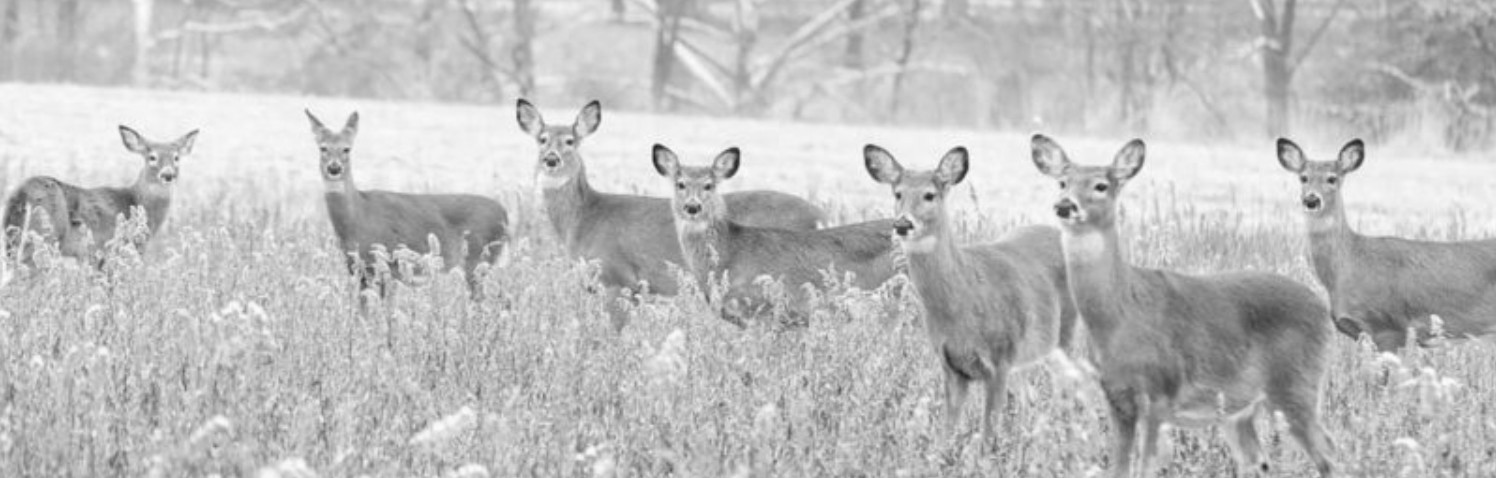
Understanding Deer Population & Habitat Balance
At its core, white-tailed deer management is about balance. A healthy deer herd must exist within the carrying capacity of its habitat. Carrying capacity refers to the number of deer a property can support year-round without degrading food sources, native vegetation, soil quality, and overall ecosystem health. Optimal deer nutrition hinges on land managers keeping deer numbers in balance with the available habitat.
When deer populations exceed what the land can sustain, several predictable consequences occur:
- Reduced body weights
- Lower fawn recruitment
- Declining antler development
- Increased disease vulnerability
- Overbrowsed understory plants
Conversely, when deer populations are managed in alignment with available resources, whitetail exhibit improved body condition, higher reproductive success, and more natural age structures.
Effective harvest management is the primary tool land managers use to maintain this balance.
Sex Ratios & Age Structure in Deer Management
Why Balanced Sex Ratios Matter
Sex ratio refers to the proportion of bucks to does within a deer population. In unmanaged or lightly managed herds, sex ratios often become skewed heavily toward does due to historical buck-focused harvest pressure.
An imbalanced sex ratio can lead to:
- Prolonged rutting activity
- Increased stress on bucks during breeding season
- Delayed fawn conception
- Wider fawning windows
- Reduced fawn survival
A more balanced buck-to-doe ratio promotes a more synchronized rut, which results in tighter fawning periods and stronger fawn recruitment. From a deer hunting perspective, balanced ratios often improve rut intensity and daylight buck activity.
While a perfectly even 1:1 ratio is rarely necessary or realistic, many management programs aim for a more moderate balance compared to heavily doe-dominated herds. Often times, one buck for every two does, plus or minus, is a good place to start.
The Importance of Age Structure
Age structure is just as important as sex ratio. A healthy deer herd contains multiple age classes of both bucks and does. In heavily hunted populations, especially those without harvest restraint, the buck age structure often becomes compressed, with most bucks harvested at 1.5 or 2.5 years old.
Mature bucks (3.5 years and older) display:
- Fully developed antler potential
- More predictable rut behavior
- Larger body size
- Stronger genetic contribution to the herd
Protecting younger bucks through voluntary restraint or age-based harvest criteria allows them to reach maturity. This does not require trophy-only management. Rather, it reflects a structured approach where harvest decisions align with long-term goals.
Similarly, doe age structure affects reproductive output. Prime-aged does typically produce and raise more viable fawns than yearlings or very old individuals. Maintaining a diverse age structure stabilizes recruitment and population growth.
Doe Harvest Strategy for Sustainable Deer Populations
Why Doe Harvest Is Essential
In most free-ranging deer populations, does drive population growth. A single healthy doe can produce one to two fawns annually, and under ideal conditions, population growth can quickly exceed habitat capacity.
Without adequate doe harvest:
- Deer densities increase rapidly
- Habitat quality declines
- Nutritional stress rises
- Buck potential decreases
Selective doe harvest is the most effective tool landowners have for controlling population growth and maintaining habitat balance.
Determining How Many Does to Harvest
There is no universal number that applies to every property. Doe harvest strategy must reflect:
- Current population density
- Habitat condition
- Fawn recruitment rates
- Property size and surrounding pressure
- Long-term management goals
If a property shows signs of overbrowsing, declining body weights, or poor antler development, an increased doe harvest may be necessary. Conversely, if recruitment is low and deer sightings are declining, reducing doe harvest may be appropriate.
The goal is not maximum harvest—it is optimal harvest.
Strategic Timing of Doe Harvest
Timing can also influence outcomes. Early-season doe harvest reduces forage competition before winter stress begins. It can also shift harvest pressure away from peak rut periods, helping preserve buck movement patterns.
On smaller properties, distributing doe harvest across multiple seasons or coordinating with neighbors can help prevent sudden population dips.
Consistency is more important than intensity. Sustainable management often requires moderate, annual doe harvest rather than drastic, short-term reductions.
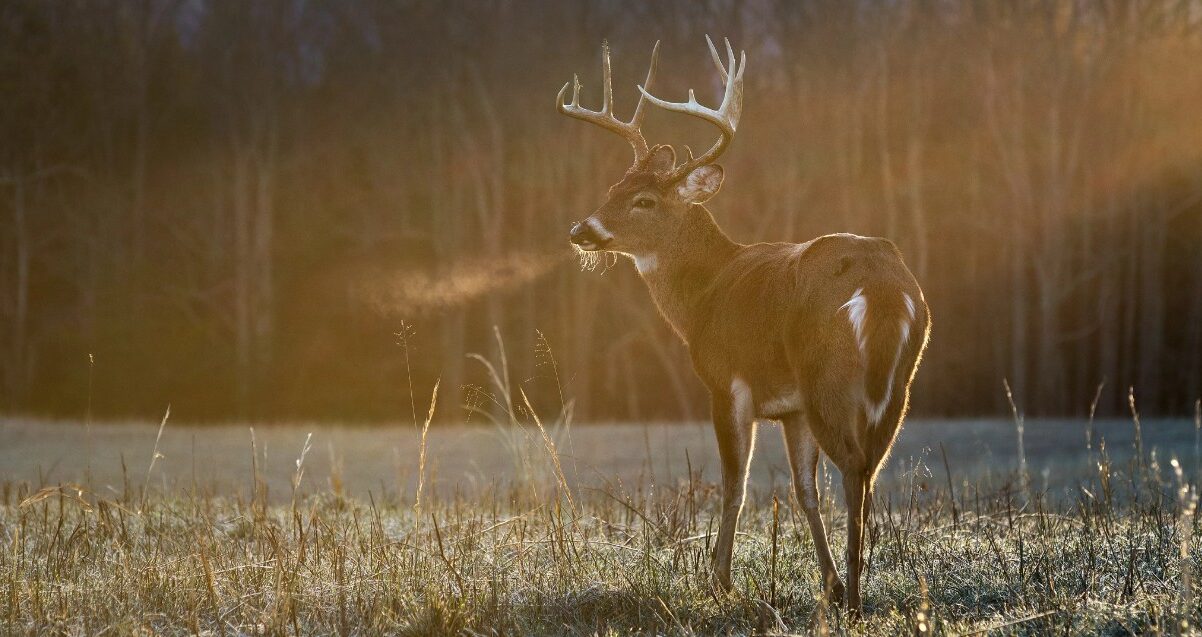
Buck Management Goals & Harvest Planning
Defining Your Buck Management Objectives
Buck management should reflect the landowner’s overall vision. Objectives may include:
- Increasing mature buck encounters
- Enhancing average antler size
- Improving buck age distribution
- Maintaining balanced harvest opportunity
Clarity of purpose is critical. A property managed for consistent opportunity will look different from one managed for maximum age structure.
Age-Based Buck Harvest
Age-based harvest strategies focus on allowing bucks to mature before harvest. This often includes protecting yearling bucks and, in some programs, 2.5-year-olds as well. Buck management strategies include age-based criteria, age and antler quality based criteria, or a percentage of the total buck herd.
Key benefits include:
- Improved antler expression
- More natural rut competition
- Greater herd stability
- Enhanced hunting experience
However, age-based management requires discipline and hunter education. Field judging the age of bucks on the hoof takes practice, and mistakes are inevitable. The emphasis should be on long-term trends, not individual errors. Deer management requires land managers and hunters to learn as the go.
Antler Restrictions vs. Age Structure
Some landowners implement antler-based criteria (such as minimum spread or point restrictions). While these can reduce harvest of young bucks, antler size does not always perfectly correlate with age due to nutrition and genetics.
Age remains the more biologically sound benchmark. Ideally, harvest decisions consider body characteristics, behavior, and overall maturity rather than antler size alone.
Harvest Balance Between Bucks and Does
An effective deer harvest strategy maintains proportional pressure. Harvesting bucks without adequate doe harvest will not correct population imbalance. Similarly, heavy doe harvest without thoughtful buck management can skew age structure.
Both sides of the equation must work together.
Data-Driven Decisions in Deer Population Management
Why Guesswork Fails
Many landowners rely solely on anecdotal observations—how many deer they see from the stand or how many trail camera photos they collect. While useful, observation alone does not provide complete insight.
Data-driven management replaces assumptions with measurable trends.
Deer Population Surveys
Surveys are an essential tool for managing a deer population. They provide important data on population size, sex ratio, age structure, and reproduction. In addition, standardized surveys conducted each year help managers track changes in herd health and habitat conditions. This information helps managers make data-based decisions related to harvest management.
Annual monitoring help prevent long term problems associated with skewed sex ratios and overpopulation. For maximum herd benefits, it’s important to ensure that deer numbers remain within the carrying capacity of the habitat. By tracking population changes consistently from year to year, managers can adapt their strategies as needed to maintain a healthy deer herd for ecological balance and hunting opportunities.
When conducted consistently year to year, surveys reveal trends in:
- Total deer population
- Population changes – growth or decline
- Buck to doe ratio
- Recruitment rates – annual fawn recruitment
- Buck age structure
- Harvest impact
Harvest Data Collection
Every harvested deer represents valuable biological information. Collecting data such as:
- Dressed weight
- Jawbone age
- Antler measurements
- Lactation status in does
- Body fat indicators
allows managers to monitor herd health over time.
Declining weights or reduced lactation rates may indicate nutritional stress or excessive density.
Habitat Monitoring
Population management must align with habitat condition. Monitoring browse pressure, regeneration of native plants, and food plot utilization provides direct insight into carrying capacity.
If vegetation fails to regenerate year after year, deer density likely exceeds sustainable levels.
Conversely, abundant understory growth may indicate room for herd expansion—if aligned with management goals.
Setting Benchmarks and Reviewing Annually
Data becomes powerful when used to establish benchmarks. Examples include:
- Target buck-to-doe ratio
- Desired mature buck percentage
- Acceptable average dressed weights
- Recruitment targets
Annual review of these benchmarks allows incremental adjustments rather than reactive overcorrections.
Consistency builds predictable results.
Integrating Habitat & Harvest Management
Deer harvest management does not exist in isolation. Habitat improvements directly influence population performance, so they are deeply connected; Both aim to maintain a healthy, balanced deer population within the ecological and social carrying capacity of a landscape. Targeted white-tailed deer habitat management practices—such as controlled burns, timber thinning, food plot establishment, and protection of wintering areas—directly influences deer nutrition, reproductive success, movement patterns, and overall herd health.
In turn, harvest strategies regulate population density, age structure, and sex ratios to prevent overbrowsing, habitat degradation, and disease spread. When habitat quality improves, managers may adjust harvest quotas to account for increased carrying capacity; conversely, in areas where habitat is stressed, more aggressive harvests may be necessary to reduce pressure on vegetation.
Together, these practices form a feedback system: habitat conditions inform harvest decisions, and harvest outcomes shape habitat impact. Successful deer management depends on aligning these two strategies to sustain both ecosystem integrity and long-term hunting opportunities.
Strategic habitat practices may include:
- Timber thinning to stimulate understory growth
- Native warm-season grass establishment
- Supplemental forage plantings
- Prescribed fire where appropriate
- Water resource development
Improved habitat can increase carrying capacity, support larger body weights, and allow for a more robust age structure. However, even high-quality habitat cannot compensate indefinitely for uncontrolled population growth.
Harvest remains the regulatory mechanism.
Managing Expectations & Long-Term Commitment
One of the most overlooked aspects of deer population management is time. Meaningful change often requires multiple seasons of disciplined implementation.
For example:
- Improving buck age structure may take three to five years.
- Correcting severe overpopulation may require sustained doe harvest.
- Habitat recovery can take several growing seasons.
Patience, consistency, and communication—especially when multiple hunters are involved—are critical.
Management plans should be written, shared, and revisited annually. Clear expectations reduce conflict and improve compliance.
Cooperative & Landscape-Level Deer Management
A herd of deer, for example, may bed down on one landowner’s property, forage on another’s crops, and seek cover in a nearby woodlot, all within a single day. Deer do not recognize property boundaries. They move freely across fences, parcels, and even municipal boundaries in search of food, water, and shelter. Small acreage properties benefit tremendously from cooperative management with neighboring landowners. Because their home ranges often span multiple properties, isolated management efforts—such as habitat improvements or population control—can be less effective when neighbors take different approaches.
Cooperative deer management among landowners helps align goals, whether that means coordinating harvest strategies, restoring native vegetation, or protecting travel corridors. By working together across shared landscapes, landowners can achieve larger-scale goals while maintaining healthier deer populations with balanced age structures and sustainable habitat. In turn, deer benefit from more consistent stewardship, better habitat connectivity, and data-based population management that reflects how they actually use the land rather than how humans divide it on a map.
When neighbors align on:
- Doe harvest intensity
- Buck age criteria
- Habitat improvements
the collective impact multiplies.
Even informal communication—sharing trail camera data or harvest observations—can significantly improve regional herd quality.
Landscape-level thinking produces more stable, predictable outcomes than isolated efforts. However, teamwork only make the dream work when everyone has the same goals and is on the same page. People often cite differences of opinion as to why they don’t engage in deer management coops.
Building Your Property’s Deer Management Plan
A well-designed deer management plan is essential for balancing herd health, habitat quality, and landowner goals. Whitetail can reproduce quickly and adapt to a wide range of environments, which means populations can grow beyond what the available habitat can sustainably support if left unmanaged.
A thoughtful plan sets clear objectives—whether improving age structure, reducing crop damage, enhancing hunting opportunities, or protecting forest regeneration—and uses population and harvest data to guide decisions. By aligning harvest strategies with habitat capacity and long-term goals, a deer management plan helps prevent overbrowsing, supports biodiversity, reduces human–wildlife conflicts, and ensures the herd remains healthy and resilient for future generations.
A strong deer population and harvest management plan typically includes:
- Clearly defined goals
- Current herd assessment
- Habitat evaluation
- Doe harvest target
- Buck harvest guidelines
- Data collection protocol
- Annual review schedule
Documenting these components transforms abstract intentions into actionable strategy. The most successful land managers treat deer management as an ongoing stewardship responsibility rather than a seasonal activity.
Strategic Harvest Management Creates Sustainable Herds
Deer population and harvest management is both a science and an art. It requires understanding biological principles, interpreting data, and making disciplined harvest decisions year after year.
Balanced sex ratios promote efficient breeding. Diverse age structures create stable herds. Thoughtful doe harvest regulates growth. Strategic buck management supports maturity. Data-driven evaluation ensures decisions are grounded in measurable reality.
When harvest strategy aligns with habitat capacity, deer thrive. So does the land.
For landowners committed to long-term stewardship, structured deer population management is not simply about producing bigger antlers or seeing more deer. It is about sustaining a healthy ecosystem that supports wildlife, hunting opportunity, and land value for generations to come.