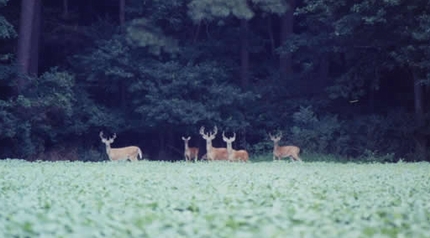
Have you ever noticed that the first plants to return in a plowed, scraped, or otherwise disturbed area are weeds? Although this may not seem like much, these natural food plots could be of big benefit to your deer management program. When exposed to air, light, and water, seeds that were lying dormant in the soil begin to germinate following soil disturbance. These young, succulent plants are high in nutrient value and attract a variety of wildlife species looking for valuable forage, particularly white-tailed deer.
Disturbed sites can also serve as excellent food plot locations to supplement white-tailed deer diets during the stressful late winter or late summer periods. Areas can be lightly disked during late winter for the production of spring annuals, and then be heavily disked in early fall for winter food plots. This process can be repeated over and over and you can even sprinkle in some seeds during the spring disking to enhance the plot. Remember, you are trying to create supplemental food for deer. You are not trying to grow a lawn. It does not have to look like a perfect stand of manicured plants.
Food plots for deer are typically created by plowing an area and then followed by seeding with either native or introduced forages. Food plots typically serve two distinct purposes: attractant or supplement, as determined by the landowner’s ranch objectives. Keep in mind that plots planted as a supplement should provide year-round forage (winter-fall food plots and spring-summer food plots) for a variety of wildlife species, therefore mixtures are preferred. In addition, mixtures ensure that at some of the plants will be well-adapted for the soils where they are planted.
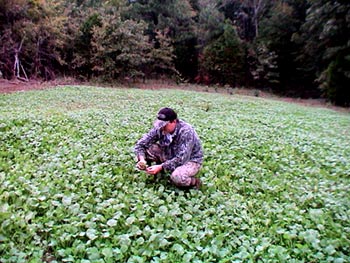
Most importantly, food plots for white-tailed deer should be seasonal, accessible, and of appropriate size and shape to adequately supplement the deer herd. However, an important thing to keep in mind about plots: Food plots should not be used to increase a white-tailed deer population to a level that cannot be supported by the native habitat. Native habitat in good condition is extremely important for healthy whitetail populations and the number of deer on your property should be closely monitored so that it does not exceed the carrying capacity.
Thank you for suggesting that mixtures are important for these purposes.