Planting Trees for Deer
White-tailed deer are selective browsers. This means deer mostly eat the leaves, twigs, seeds, and fruit of preferred trees, shrubs, and vines. Hunters can use this information to identify trees to plant for deer and other wildlife. Increasing the plants that deer eat has many benefits. Planting preferred trees can enhance deer nutrition, improve deer habitat and increase use of a property by whitetail.
The practice is generally a long term commitment, but planting trees for deer can literally create food overnight (much more on that later). In fact, many trees can begin producing fruit or mast just a few years after planting. They can continue to do so for decades, producing tons of both food and deer. After some research and hands-on experience, we’ve found 10 native trees that we believe are the best trees to plant for deer in Texas.
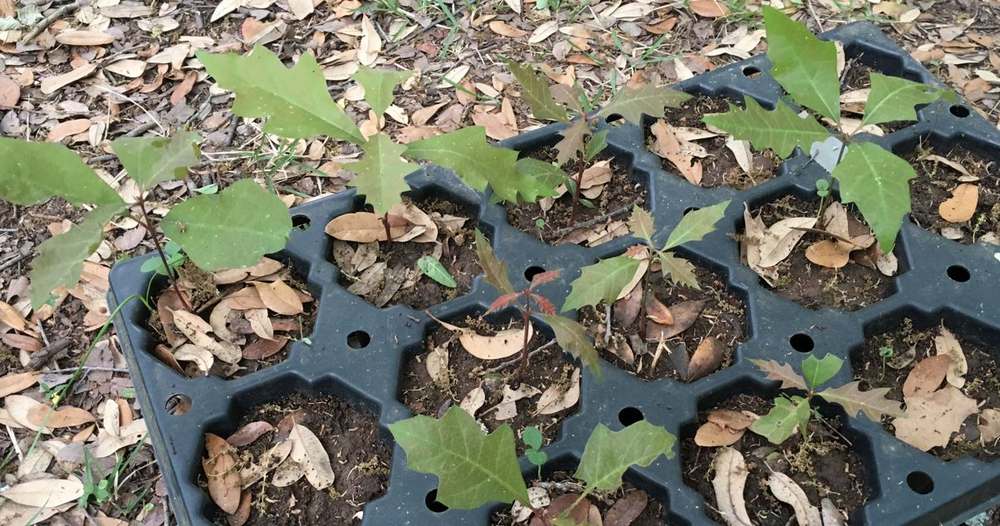
Trees to Plant for Deer
Deer choose plants based on palatability, seasonal availability, and general abundance. Timely precipitation plays a large role in the availability of annual plants. Periods of low rainfall result in a lack of short-lived plants. Long-lived plants are more dependable. A diverse plant community means more food for whitetail to choose from and often better nutrition.
Trees produce foods in several ways; stems, leaves and mast. This includes hard mast such as nuts and soft mast such as fruits and berries. When deer browse, they select the most tender growth first. Usually, this is the twig tips and new leaves. Trees and other woody plants generally provide a stable food source from year to year.
Established trees often produce large mast and fruit crops annually. The best trees to plant for deer are hardy, provide an abundance of leaves and/or large mast or fruit crops, and can serve as cover. The top 10 trees for deer in Texas includes:
- Sugar Hackberry
- Cedar Elm
- Mulberry
- Common Persimmon
- Hercules’ Club
- Rough-Leaf Dogwood
- Mexican Plum
- Texas Sophora
- Post Oak
- Live Oak
Why These Trees are Best
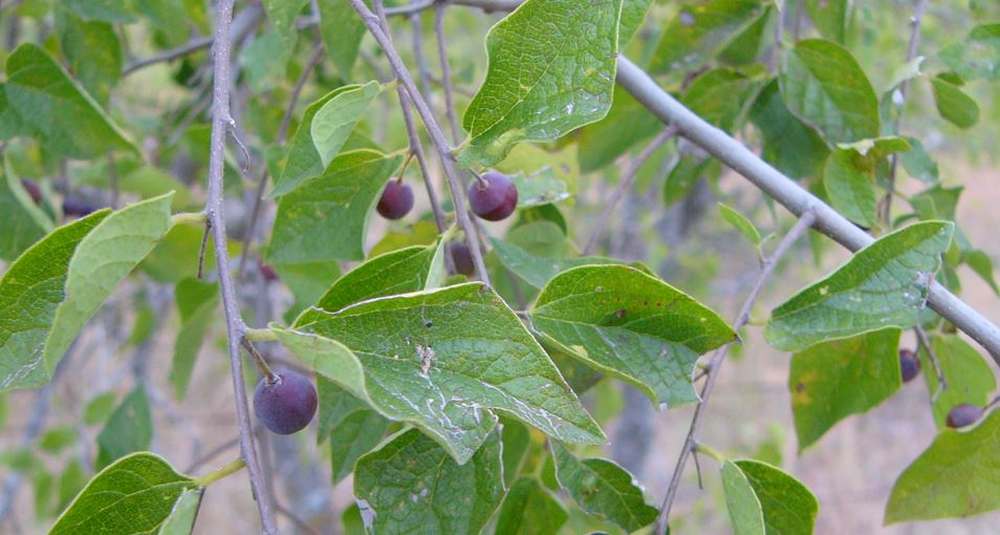
1. Sugar Hackberry – This tree grows across the eastern two thirds of Texas. It’s the only hackberry that occurs in all 10 ecoregions of the state. It grows on almost any type of soil as long as it has fair drainage. Hackberry is frequently found in mixed to pure stands in abandoned fields where it is a colonizer. It is a tough fast-growing, drought tolerant and an important food source for birds. Hackberry is a great deer tree, providing preferred browse for deer. They eat the berries, too.
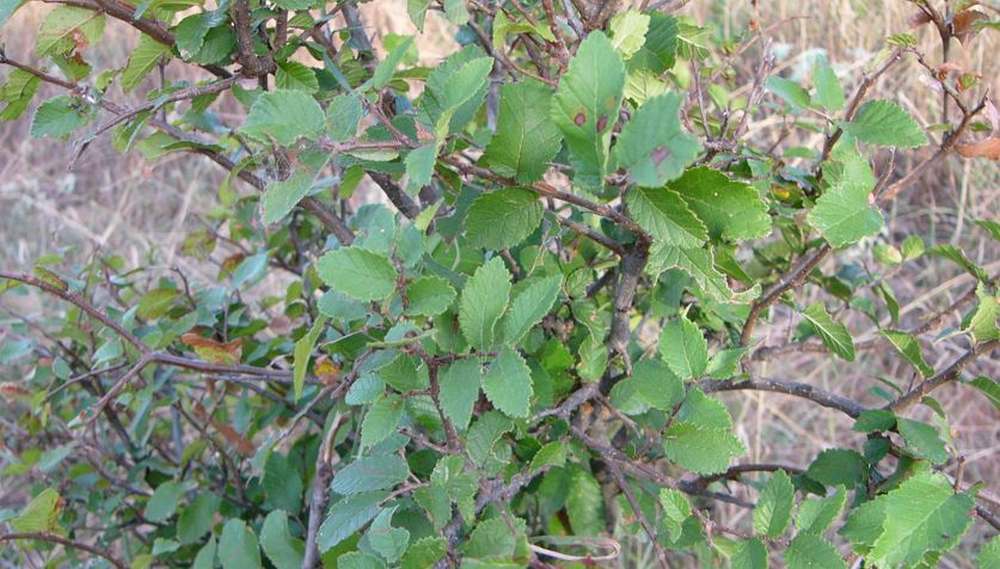
2. Cedar Elm – This is the most widespread native elm in Texas. It grows in all areas of the eastern half of the state, except extreme southeast Texas. It is a tough, adaptable tree with excellent drought tolerance. Cedar elm handles heavy, poorly drained clay soils and soils that are moderately compacted. Cedar elm provides preferred browse for deer.
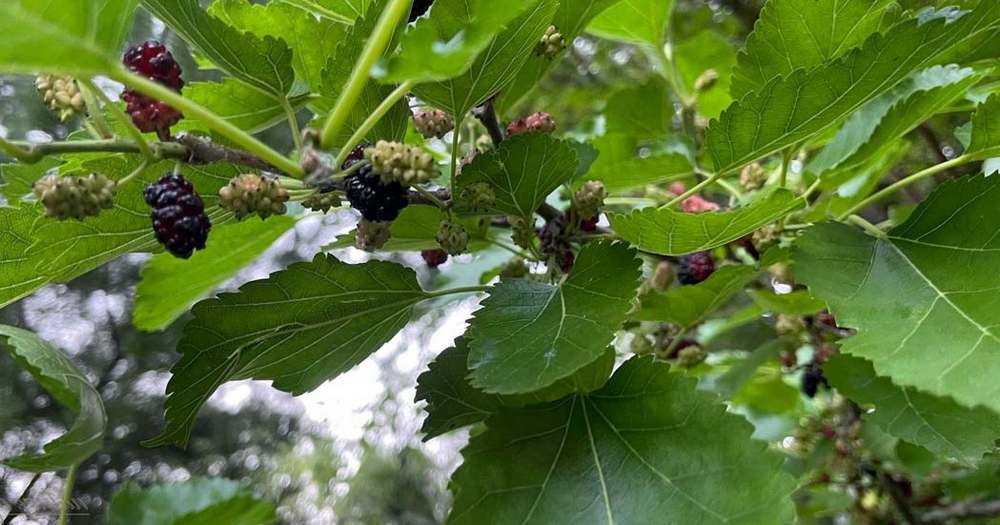
3. Mulberry – There are actually two species recommended here, Red and Texas mulberry. Red mulberry grows in moist, well-drained soils in the eastern two thirds of the state. It is less drought-resistant than Texas mulberry. Texas mulberry grows along creeks, canyons and thin well-drained, limestone soils in the western two thirds of the state. The fruits are relished by deer and other wildlife. Mulberry provides preferred browse for deer.
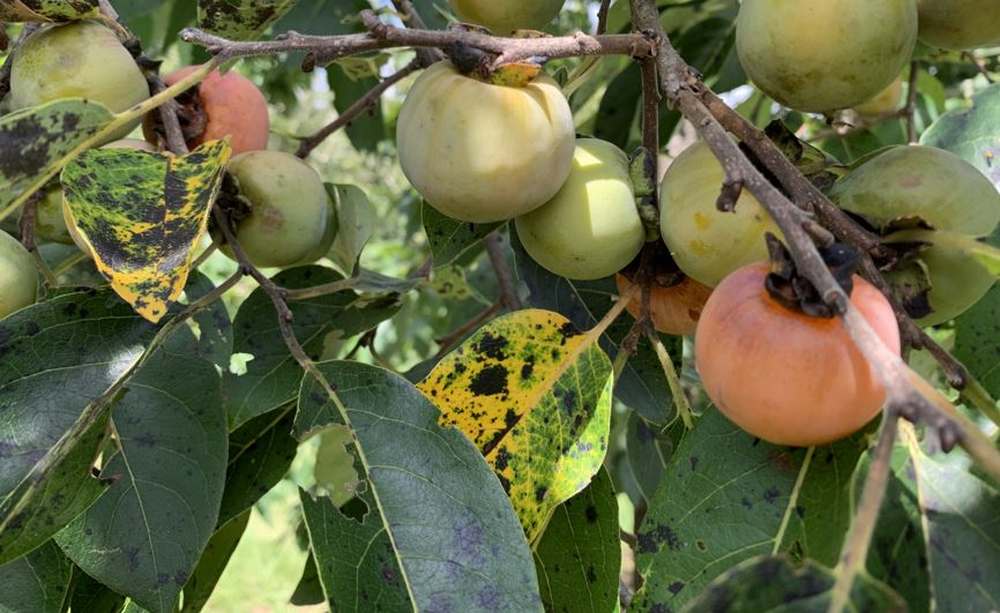
4. Common Persimmon – This is one of the best trees to plant for deer in the eastern half of Texas. It is native to east and east-central Texas but is adaptable to many soil types. Persimmon can form colonies via suckers. Persimmon leaves provide low quality deer browse, but deer and other wildlife relish the fruits of this tree.
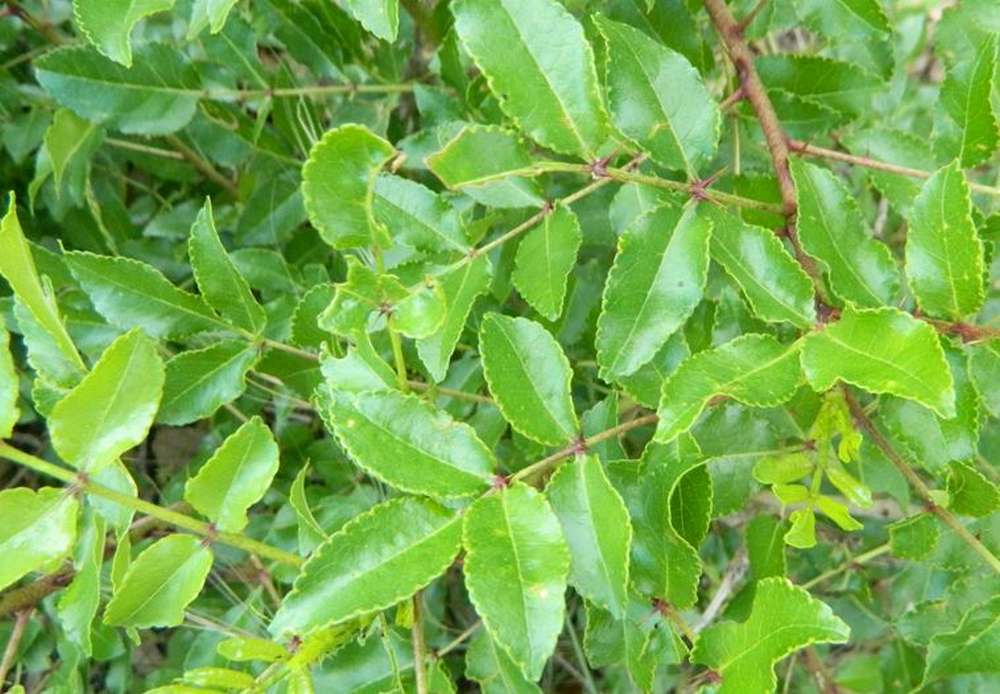
5. Hercules’ Club – This is a small tree found in east and central Texas, from the Red River down to the Rio Grande. It’s a great tree to plant for deer and other wildlife. The leaves provide good browse for deer. Hercules’ club also provides an excellent source of seeds and fruit for dove, quail and other wildlife.
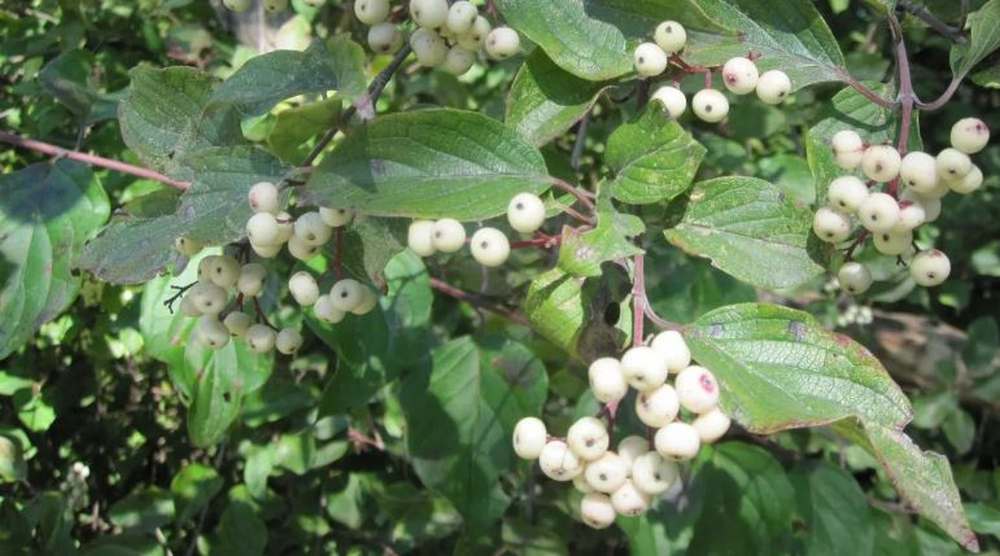
6. Rough-Leaf Dogwood – This is a small tree or clumping shrub that grows in the eastern half of state, except for South Texas. This adaptable tree does well on dry to moist soils that range from sandy to clay, acidic to alkaline. Dogwood is commonly found as a shorter understory tree, but can handle partial sun. It prolifically spreads from suckers and its leaves provide preferred browse for deer. The tree’s flowers and fruit benefits pollinators and birds.
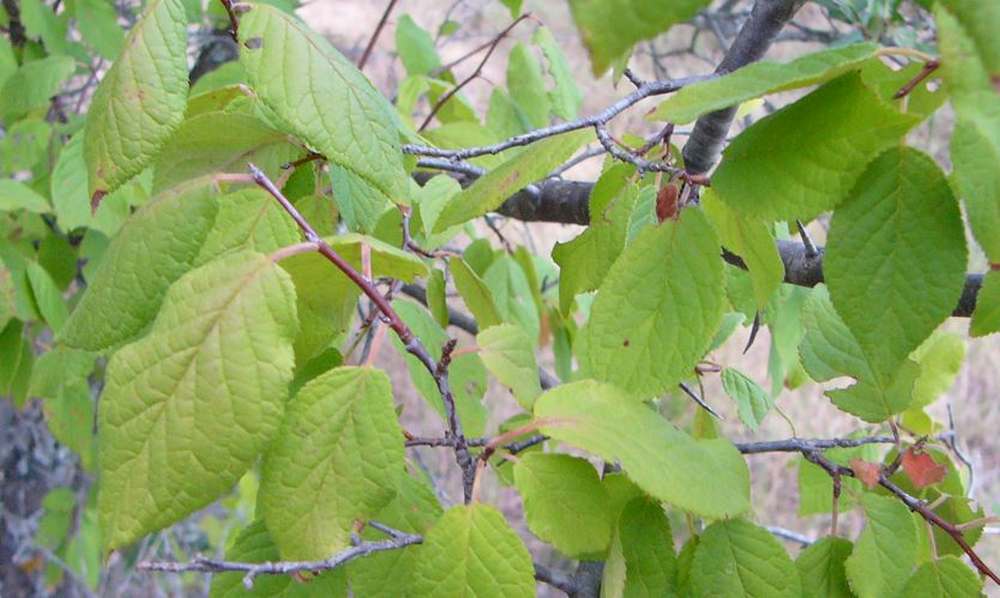
7. Mexican Plum – This small, drought-tolerant tree grows in full sun or as an understory tree in the eastern half of the state. It prefers rich soils of river bottoms, open woods, and well-drained prairies, too. The leaves provide preferred browse for deer, and its small plums (about 1-inch in diameter) are readily consumed by wildlife. Mexican plum is also widely used for grafting, so you can turn it into another fruit tree, if desired.
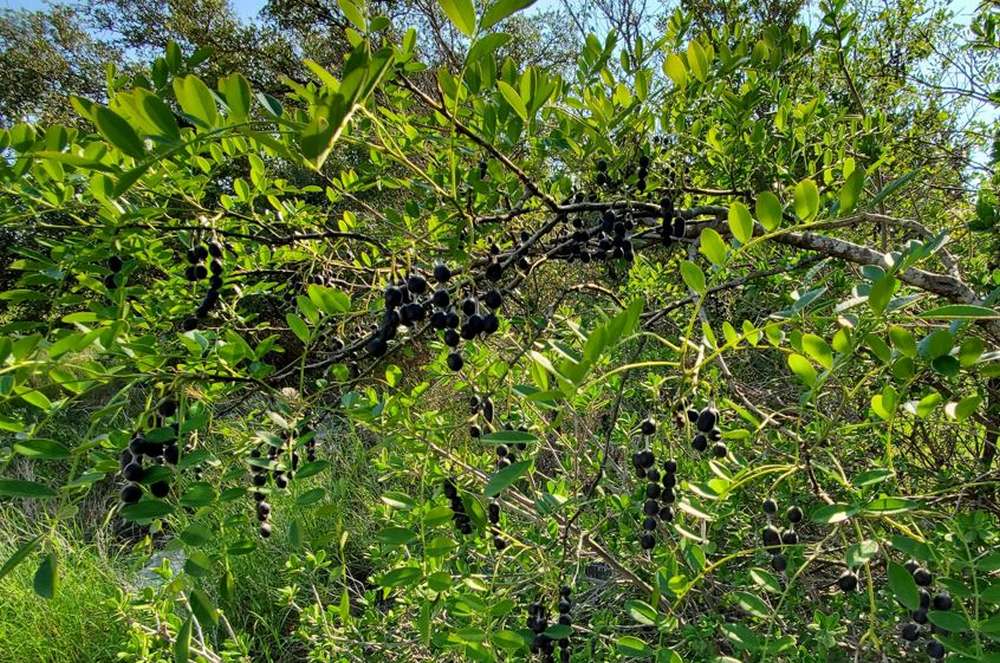
8. Texas Sophora – This small tree is also known as Eve’s Necklace. This tree naturally occurs on limestone soils in the center of the state from north central Texas through the Edwards Plateau. Texas sophora can grow in full sun or as an understory tree. This small tree provides highly preferred browse for deer.
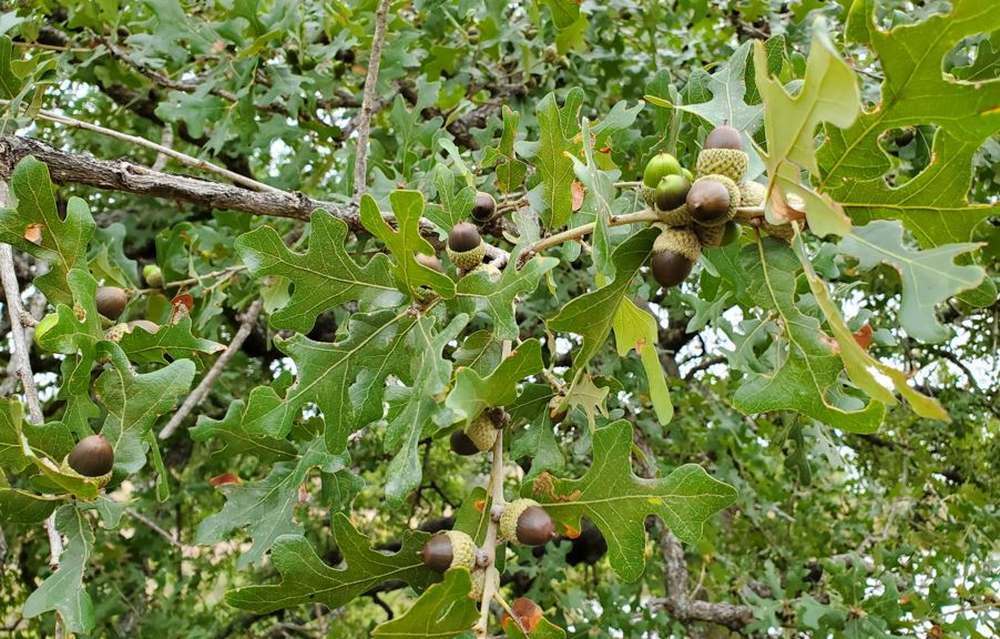
9. Post Oak – This medium-large tree occurs in all areas of Texas except the High Plains and Trans-Pecos. Post oak trees grows in poor soils such as dry, gravelly, sandy soils and rocky ridges. The leaves provide good browse for deer. The acorns of this white oak species provide high quality mast for deer of any tree Texas.
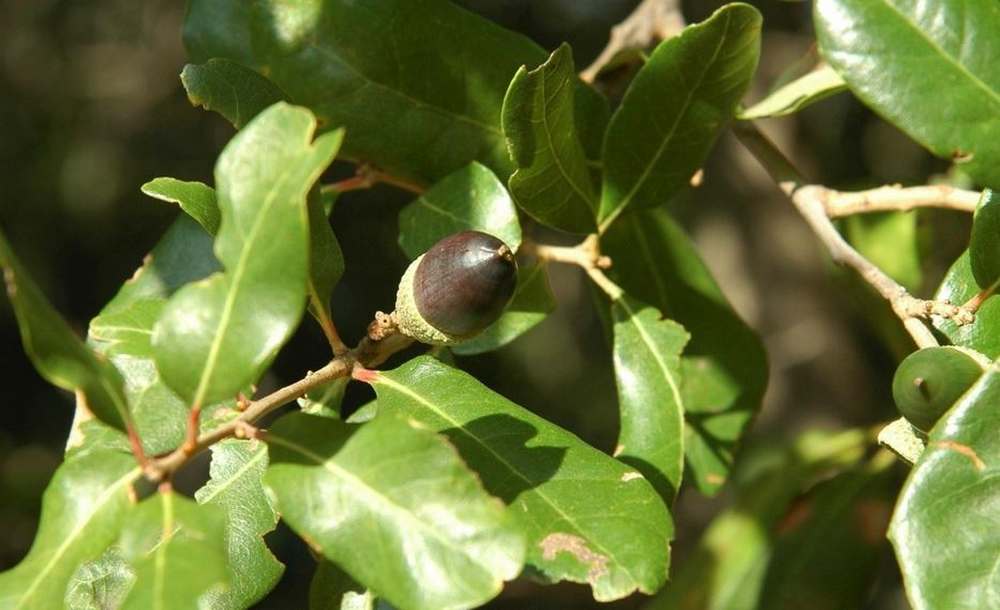
10. Live Oak – If you own land in Texas, you need at least one live oak tree on it. This medium to large tree is pH adaptable, tolerant of drought, and does well on poor soils. Live oak is one of the overall best trees to plant for deer. The leaves provide good browse and cover for deer since the tree remains evergreen into the following growing season. So, smaller trees provide screening cover for deer during the winter, when other trees are without leaves. Furthermore, established live oaks provide bountiful mast crops in the form of acorns during most years. Live oak delivers the tree trifecta; good browse, mast and screening cover for deer.
Picking Trees to Plant for Deer on Your Land
Identifying the best tree to plant for deer on your land depends entirely on your objectives. The trees highlighted in this article provide valuable 1) browse, 2) mast/fruit and 3) habitat for white-tailed deer. Table 1 shows the relative value we assigned to these really good deer trees (when compared only to each other). Choose trees for planting that meet the needs of the deer found on your land.
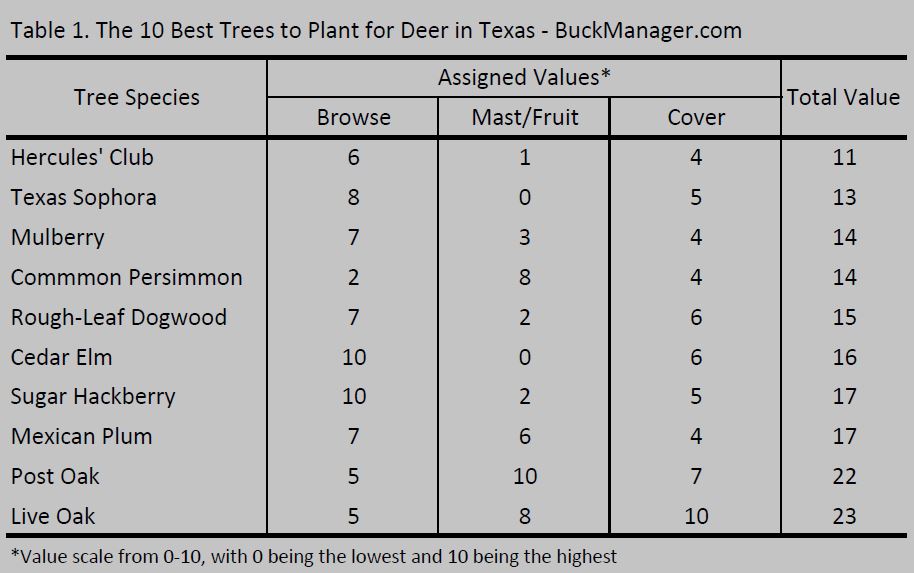
Each tree listed in this table is valuable to deer. However, which aspect is most important to you and the deer that use your land? We assigned a total value for each tree, but the real value is based on the ability of a tree to provide food, cover, or both. Food can be delivered by browse alone, or by a tree that provides browse and mast/fruit together.
The cover value is not important if you have plenty of deer screening cover. The mast/fruit value is probably most important for those managing lands currently high in good browse and cover. In this situation, planting trees with seasonal fruits provides additional nutrition for deer and serves as an attractant.
Best Time to Plant Trees
Before planting anything, including trees, make sure the species will grow in your region. Then, ensure that it will grow in the soils found on your land. Choosing the right tree from the start will save you time, money and heartache. This article lists the best trees to plant for deer in Texas, but not all trees are adapted to every region of the state. Choose only trees that will meet the needs of deer in your area and grow in the soils found on your land.
The best time to plant trees in Texas is mid-October through mid-March. Most prefer the late-fall or early-winter, when the many trees are dormant. Planting at this time gives young trees maximum time for root development prior to the growing season. Temperatures are often cool to cold and moisture requirements by trees are low during this period. In short, planting trees late in the year is the very best time. It gives them maximum time to put down roots in advance of Texas’ long, hot summers.
Additionally, do not be tempted to plant the largest tree you can find for the lowest price. From my experience, planting smaller trees (less than 2 feet. tall) is easier and more successful. It’s also less expensive, especially if you grow your own trees from seed. Only plant larger trees if you have the time and ability to “baby” them. Planting small trees is the best way to have a lot of large trees. Regardless of the size tree you plant, it will take more than just digging a hole in the ground.
Protecting Trees from Deer
Most of the trees recommended in this article provide quality browse for deer. That means the leaves are very palatable to deer. Whitetail want to eat them. All of them. Unfortunately, you can not just plant some of the best trees for deer in Texas and walk away. Deer will eat them, break them and quite possibly kill them.
Hackberry and cedar elm are among the toughest trees around. However, protection is necessary for them to establish. If you weren’t a tree hugger before, you will be after planting a tree in deer habitat! Protect young trees from deer and other wildlife, competition with other plants, and dehydration. In nature, the struggle is real.
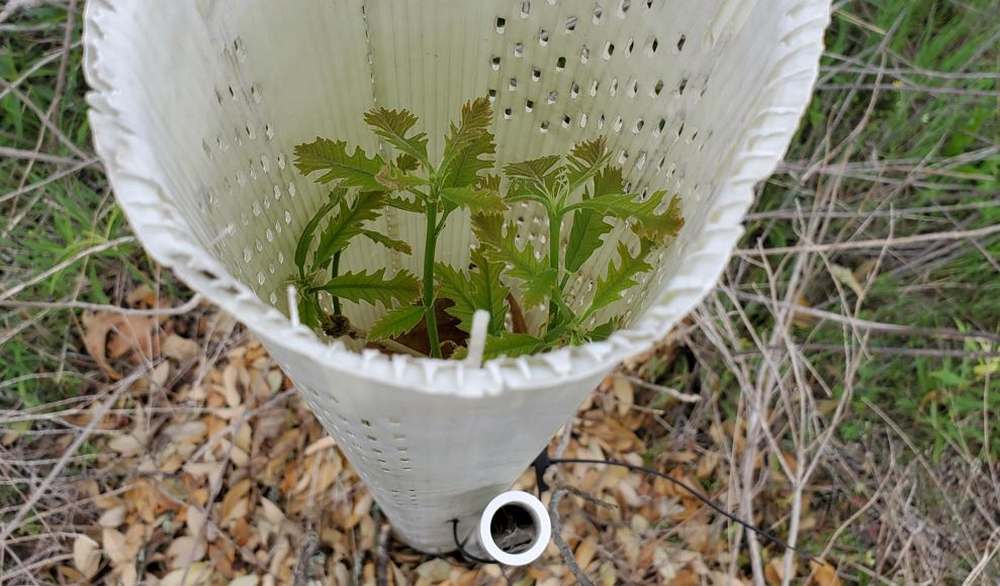
Deer will go for your trees, but other wildlife will as well. Rodents like to chew and they have to eat, too. Rabbits are tough on very small trees. In addition, feral hogs tend to investigate freshly dug soil. Use tree tubes or welded wire to prevent rabbits from biting through the stem of young trees. For hogs, use cattle panels or net-wire fencing and t-post.
This may seem like a lot, but an ounce of prevention is worth a pound of cure. Besides, this level of protection is likely necessary to keep the deer off your establishing trees. Recall that whitetail bucks love to “fight” with flimsy, small-diameter trees during the fall.
Finally, protect planted trees from dehydration. Prevent competition from grasses and weeds by placing a couple inches of mulch at least 2-feet around young trees annually. This ensures trees have adequate water during periods of low rainfall and heat, such as during the summer. Additionally, you may need to spray a broad-spectrum herbicide (glyphosate) on encroaching and/or competing plants in late-spring, annually.
Best Trees to Plant for Deer
Trees are a big part of white-tailed deer habitat. Deer need trees for the food and cover they provide. In fact, the leaves, twigs, and mast of woody plants make up about 50 percent of a whitetail’s diet each year. Deer pick among the plants available to them based on palatability. As it turns out, deer will eat low quality foods when high quality foods are not available on the landscape. Deer show preference for certain plants because they provide better nutrition.
In short, diverse plant communities provide better deer nutrition. Planting trees can increase browse and mast for deer. Good nutrition equates to healthy deer and that results in larger-bodied deer, bigger antlers and increased fawn survival. Our list of the best trees to plant for deer in Texas is for those wanting to enhance deer habitat o their land. Again, not all of these trees will work on every property. The best trees to plant on your property will be the ones that work in your region and meet the needs of the deer using your land.