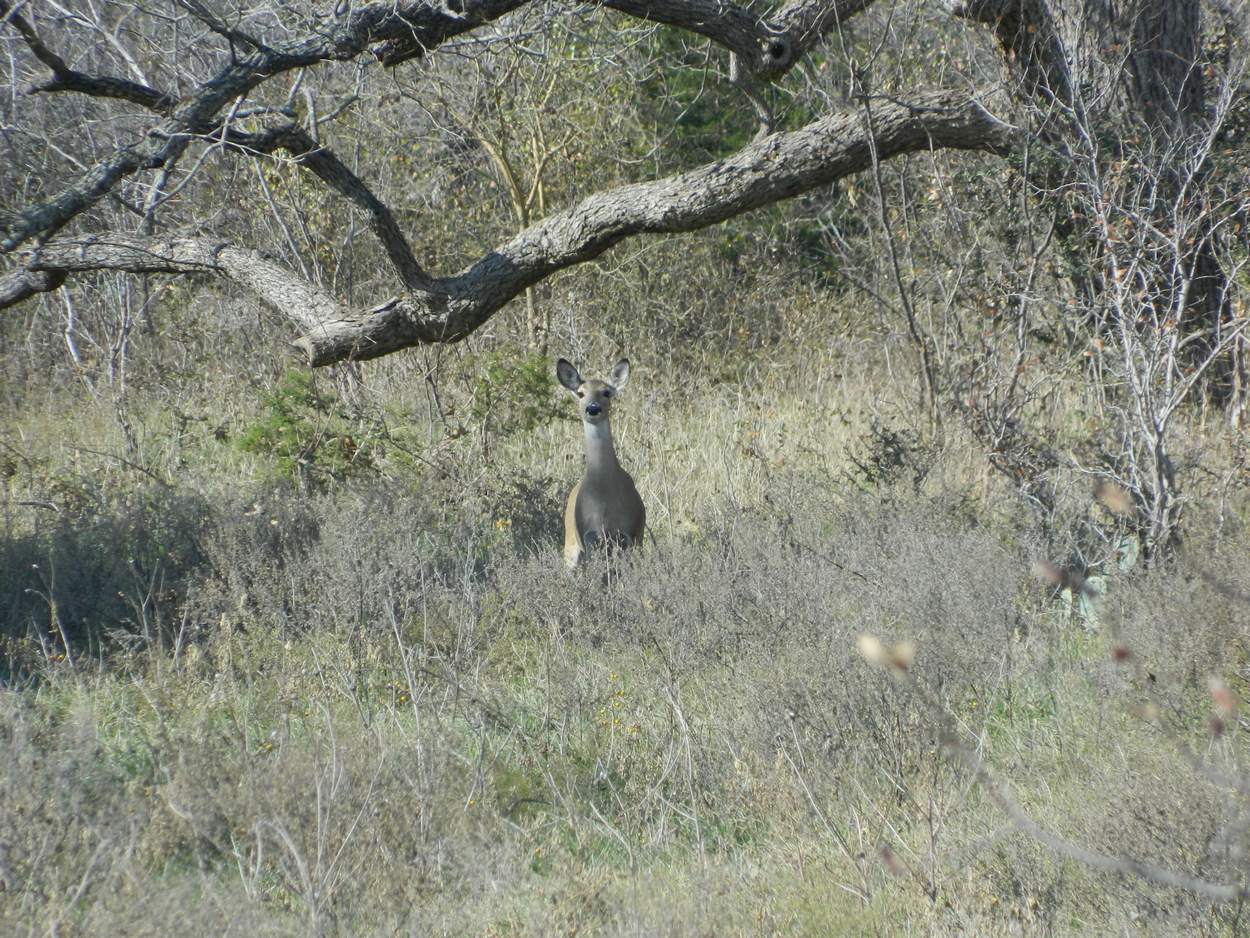
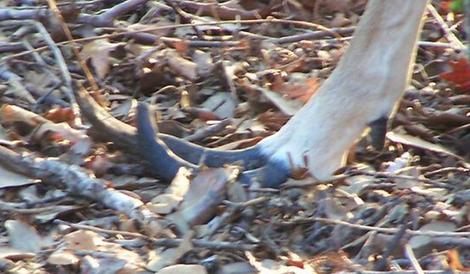
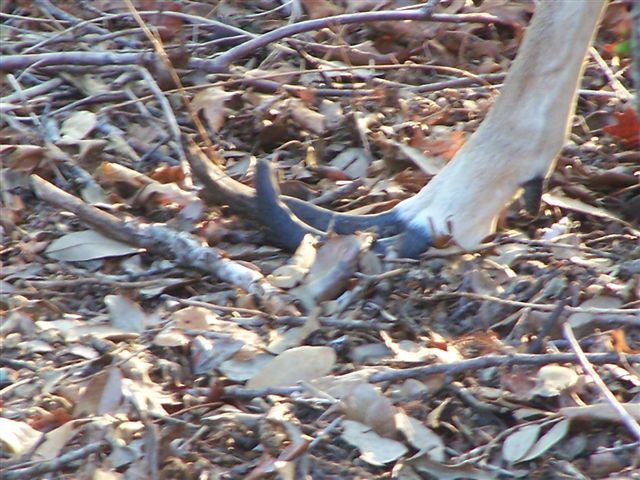
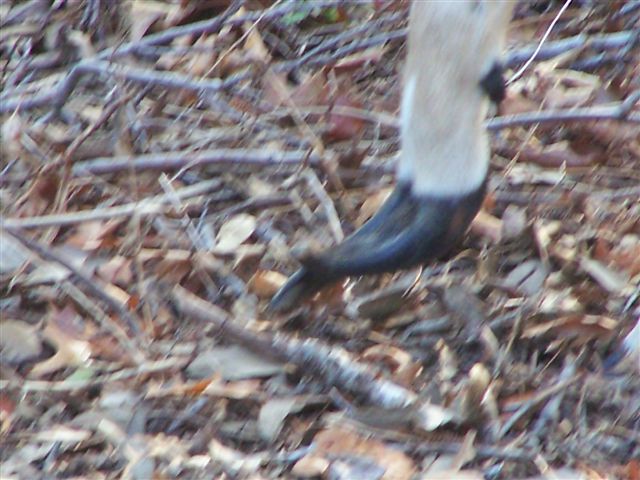
Deer can sometimes grow hooves that are much longer than normal. Long hooves in deer is not common because I’ve seen reports from many different places over the years, but it’s not something that hunters will commonly see in the field. Just this week, I received an email that contained photos of a white-tailed doe than had long hooves (it was actually just her front left hoof and back right hoof).
This condition is referred to as foundering and I believe the term comes from the word “floundering” because under extreme conditions the animal appears to be floundering around as it walks. From reviewing the literature, there appears to be three main reasons for long hoof growth in deer, but all are related to diet.
Why do Deer Founder?
A deer that exhibits foundering is taking in way too many carbohydrates. Either this is a problem directly related to the forage that the animal is eating or it has to do with the way the deer is processing its food. More often than not, it has to do with what the deer is eating. A diet high in corn or protein pellets contributes to foundering. Corn, of course, is primarily carbohydrates.
Hoof tissue is very similar to antler tissue. If you are feeding protein to grow larger bodied deer and larger antlers then you are also feeding to grow deer with longer hooves. Foundering is almost always the result of a deer consuming too many carbohydrates in the diet too fast.
The result is a buildup of acid in the rumen, which kills the bacteria that digest carbohydrates. This process then results in an increasing pH in the blood that can hurt or possibly even kill the deer from acidosis.
Foundering is a result of these physiological changes within hooved animals. The technical term for problem is laminitis, and refers to the physical separation of the hoof wall and rotation of the coffin bone. So rather than a deer walking on the ends of its hooves, it walks on the sides of its hooves. This causes improper wear and hooves lengthen.
Photos: Deer with Foundered Hooves
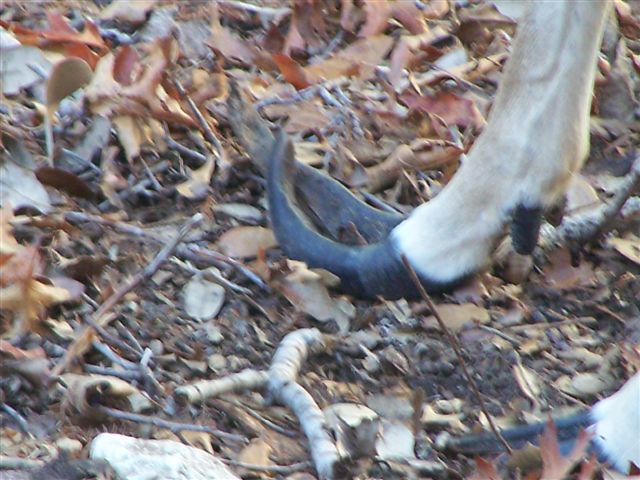
Foundering and Deer Mobility
White-tailed deer than have foundered, long hooves will often walk on the backs of their hooves because the acid buildup agitates the growth plate in their hooves. As a result of the deer attempting to ease the pain, the hooves grow longer than normal because the hooves do not have proper contact with the ground.
Without proper contact hoof-ground contact, the hooves do not wear down as they normally would. This problem can be exacerbated on “soft” soils such as clay and sand because hoof wear in deer is already decreased in these areas.
Rebecca, white-tailed deer will eat a variety of foods. Almost any leafy vegetable or fruit will work. As for commercially available foods, pelleted feeds are manufactured specifically for deer. These are good from a supplemental standpoint. Deer can eat corn… just remember that it should not be a large part of their daily diet.
Just caught a buck on my deer cam with this condition. I live in a suburb so I have no idea what he has been eating. 8-point with half his rack broken off. Front hooves look like elf feet. I’ve been putting corn down every 3 days and this was the first day he showed… so he’s been getting carbs from somewhere else. This is in MD between Baltimore and Washington DC.
We have a herd of deer that come daily. We live in the suburbs with very little forest area. We feed the corn, oats, and apple horse treats each day. One of the deer has what you describe as foundering long hooves. We have tried to feed them leafy greens, but they will not eat them. What else can we feed them to help with this and can changing their diet improve this? Thank you.
Diane
Diane,
Deer do not like old growth vegetation. And if it taste bad to them they will not eat it at all. Whitetail must consume tender, nutrient rich foods that are high in protein. Perhaps try feeding them foods that are more tender and with higher protein content. Or better yet, just stop feeding them at all. A change it diet may prevent the condition from getting worse.
I have a deer with long hooves roaming around. Can someone sedate him and trim the hooves?
Donna, there is a lot of risk to a deer when darting and sedation come into play. If not done correctly (for a variety of reasons), a darted deer could run quite a ways, become immobilized and susceptible to predation. In addition, a darted deer can also run into stationary objects or across roadways and get critically injured and die in the process. A foundered deer is much better left alone.
Some states may allow you to hire a veterinarian to do it for you if you foot (lol) the bill.