Thoughts on Spring and Summer Food Plots
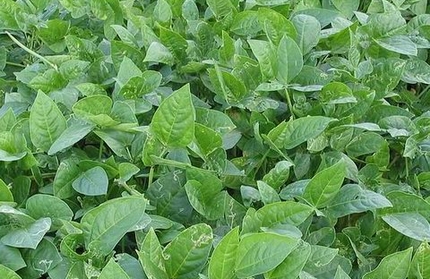
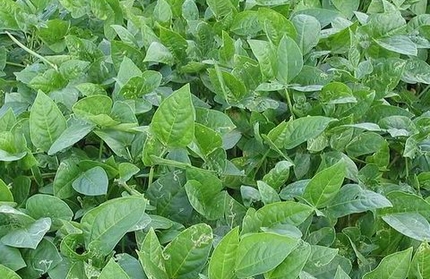
Warm-season (Spring-Summer) plant species are most reliable, work best when food plots for white-tailed deer are located in bottomland habitat. This out-performance is because low-lying sites retain the highest amount of soil moisture is during the dry, summer months. This is important information to remember for the success of your food plot, as well as your overall deer management program.
However, care should be taken to select a site that is not prone to flooding from nearby streams, rivers, or other waterways. Flooding is not necessarily a bad idea if we were talking about food plots for waterfowl, but no so much when we think about food plots for deer. Also, should the plot also be expected to serve as a food source and hunting area during cooler months a flooded out food plot is going to offer you zero access.
Warm Season Food Plots are Hot
On the other hand, dry upland sites are not good sites for warm-season deer plots, so try avoid such areas and stick to the better soils on your hunting property to increase your odds of a successful food plot. Of course, not every property has moisture-rich bottomland soil. In this case, position plots at least 50 yards from woodlands, since nearby trees will wick water from upland soils.
But if you have the option, go to the lower elevations of the property because that is where the water is found. This seems simple, and it is, but it can make a huge difference between a successful warm season foraging site for deer and a complete failure of a food plot.
Fast Growers for Spring & Summer Plots
Warm-season plant species should be selected for their ability to grow quickly and compete with native weeds. Remember, with either warm or cool-season supplemental forages, soil samples should be taken to determine lime and fertilizer requirements. Failure to properly prepare the soil may result in drastically reduced yield or excessive weed competition. A good source for local information will be your county extension agent and they can usually help with soil testing for your food plots.
So whether you are planning on establishing a cool (fall) season food plot or a spring food plot, the best thing you can do is ensure you do your research before doing anything else. There are many commercial sources for seed, but check around with several sources before you make your selection. Seed sources have a vested interest in selling you seeds, but it may not be the best seed for your soil — or for the deer on your property. Good luck with your future food plots and deer management program.
Talking Food Plots and Deer Hunting
If you have any questions about warm season food plots or any other inquiries regarding white-tailed deer hunting or management, just drop me a line in the comment box.
I am looking for a warm-season crop to plant in my deer food plot. I am looking for something that is not susceptible to overgrazing, so that I will not have to fence around the plot. Do you have any reccomendations?
First, every plant species is susceptible to overgrazing, and especially if livestock are allowed to access it. The first thing I would recommend, before you get too far along with your food plot, is to find the best soil and or site for your plot. This is important. Next, I would get a soil test, then contact a local biologist and several seed dealers to get ths scoop on the plants that do best in your area.
Hey, I was reading you article and am looking for the kind of seed that you recomend for a spring food plot if the soil ph is 6.5 to 7.0. Also, what should I use for a winter food plot in the same soil?
I am planning to do a food plot for deer/turkey in central Alabama in the spring and was wondering if there was one type of seed or a mix of seed they prefer over others? I want to have the upper hand on the neighbors and keep wildlife coming around for my family to have successful hunts year after year. Thanks for the advice.
What, if any high protein dry feed will wild deer eat? I would really like to know for this spring. Thanks.
Looking for suggestions on what to plant. I will be planting between rows of 7 year old pine trees in upstate South Carolina. Site has good moist soil, but will be limited on amount of sun.
I am looking to start a food plot, maybe two on an old farm in south eastern Ohio. This has not been a working farm for nearly 30 years and I do not know what I should plant? There are big deer in the area.
Pat, it really depends on what the goal you have for the food plots on the property. Are these warm season or cool season plots? Both can work well in your area but before planting a plot determine how you want the plot to function. A food plot can provide supplemental forage during the growing season or be used as a hunting plot that also provides food for overwintering deer.
I enjoy reading your articles. I did not see any article on the the relocation of button bucks. Why, when, and how far. If the mother doe is killed, will they still relocate? Thoughts on shooting button bucks.